
Are you curious about the tools that shape the buildings and structures around you? Whether you're a budding builder, an enthusiastic DIYer, or just fascinated by construction, understanding these tools can be incredibly rewarding.
Imagine being able to identify the gadgets and equipment that transform raw materials into towering skyscrapers or cozy homes. This knowledge doesn't just satisfy curiosity; it empowers you. By the end of this article, you'll not only know what tools are used in construction but also why each is vital.
You'll gain insights that could save you time and money on your next project. Dive in, and discover the essential tools that drive the world of construction.
Power Tools
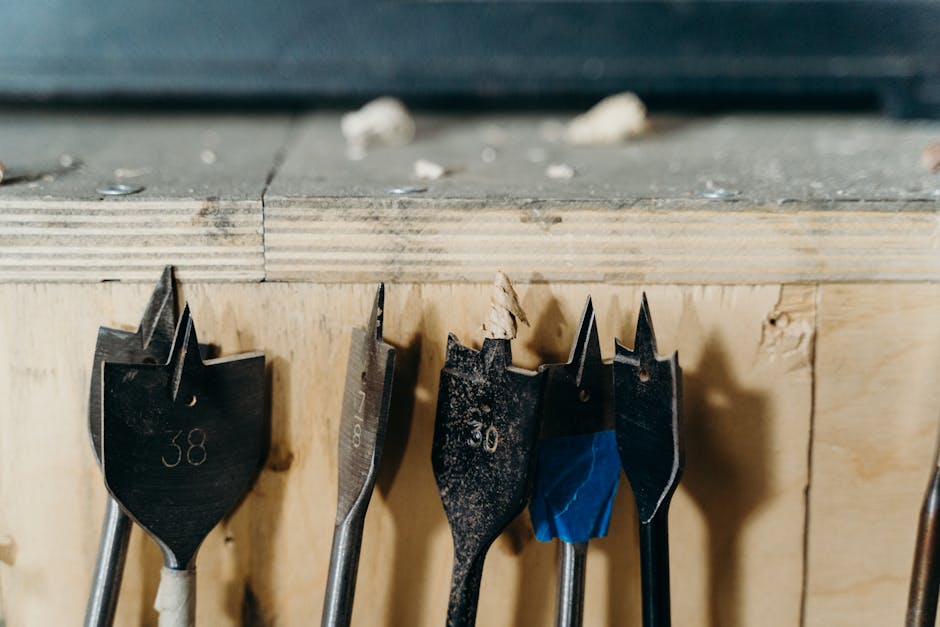
Construction relies on various power tools like drills, saws, and sanders. These tools help workers cut, shape, and assemble materials efficiently. Essential in building structures, they enhance precision and speed on site.
Power tools are essential in the construction industry. They save time and effort. These tools increase efficiency and precision in various tasks. Workers rely on power tools for drilling, cutting, sanding, and more. They are indispensable in modern construction projects.
Drills And Drivers
Drills and drivers are common in construction. They create holes and fasten screws. Cordless drills are popular due to their portability. They offer flexibility and ease of use on site. Impact drivers are great for heavy-duty tasks. They deliver high torque, making tough jobs easier.
Saws And Cutting Tools
Saws and cutting tools are vital in construction. They cut materials like wood, metal, and plastic. Circular saws are powerful and precise. They are ideal for straight cuts. Jigsaws are versatile, handling curved cuts well. Reciprocating saws are used in demolition. They cut through various materials quickly.
Sanders And Grinders
Sanders and grinders smooth and shape surfaces. They are used on wood, metal, and concrete. Belt sanders are effective for large surfaces. They remove material quickly. Orbital sanders provide a smooth finish. They are suitable for fine sanding tasks. Angle grinders cut, grind, and polish surfaces. They are versatile tools for diverse tasks.
Hand Tools
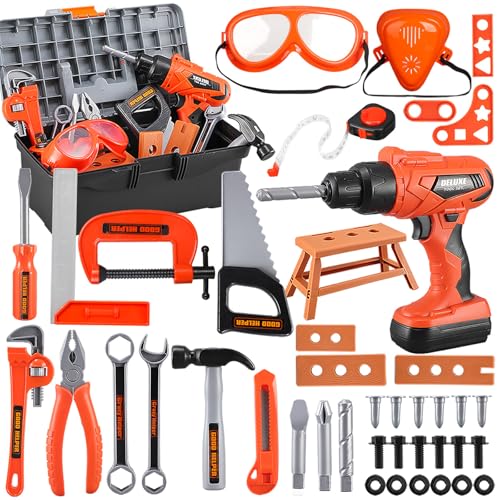
Construction sites rely on essential hand tools like hammers, screwdrivers, and wrenches. These tools help workers build and fix structures. Each tool serves a specific purpose, ensuring safety and efficiency.
When we think about construction, heavy machinery might come to mind first. But hand tools are the unsung heroes, providing precision and control. They are the backbone of any construction project, offering the finesse that machines often can't achieve. Each tool has its unique role, ensuring tasks are done with accuracy and efficiency.
Hammers And Mallets
Hammers are perhaps the most iconic hand tools in construction. From framing hammers to ball-peen types, they help you drive nails, shape metal, or break objects. I remember the first time I used a hammer; the power in my hands was exhilarating, yet it taught me the importance of control. Have you ever considered how a simple tool can be both powerful and precise? Mallets, on the other hand, are your best friend when working with delicate materials. They offer a softer blow, reducing the risk of damage. Imagine working with tiles or wood and needing just the right amount of force. That's when a mallet becomes indispensable.
Screwdrivers And Wrenches
Screwdrivers are essential for tasks that require assembling or disassembling. They come in various shapes and sizes, catering to different screw types. A Phillips or flathead screwdriver can often save the day when a machine can't reach a tiny space. Have you ever tried fixing a loose kitchen cabinet? A trusty screwdriver can make it an easy task. Wrenches, including adjustable and socket types, provide the leverage needed to tighten or loosen nuts and bolts. Picture yourself working on a plumbing job where precision is key. A good wrench ensures everything is tight and secure, preventing leaks and mishaps.
Measuring Tools
Accuracy is critical in construction, and that's where measuring tools shine. A tape measure is a must-have for ensuring everything fits perfectly. Whether you're hanging shelves or building a deck, precise measurements prevent costly mistakes. Levels and squares help maintain alignment and angles, ensuring structures are both safe and aesthetically pleasing. Have you ever hung a picture and noticed it was slightly off? Using a level could have saved you the hassle. Hand tools might seem basic, but they are essential in achieving high-quality craftsmanship. They are the bridge between a concept and its execution. So next time you pick up a hand tool, think about the precision and skill it brings to your project. What hand tools do you rely on most in your DIY adventures?
Safety Equipment
Safety equipment is the unsung hero of the construction world. Without it, even the most seasoned worker is vulnerable to accidents. When you're on a construction site, the right gear can mean the difference between a close call and a trip to the hospital. It's not just about following rules; it's about going home safe to your family every day. Let's dive into some essential safety equipment you should never overlook.
Helmets And Hard Hats
Helmets and hard hats are more than just a mandatory piece of attire. They protect you from falling objects, which can come out of nowhere. This equipment is crucial because even a small tool dropped from a height can cause serious injury.
Have you ever felt the thud of something small hitting your hard hat? It's a reminder of its importance. Helmets are designed to absorb shock and deflect impact, and they are tested to rigorous standards. Never underestimate their value, and always ensure yours fits well.
Gloves And Protective Wear
Gloves are like your second skin on a construction site. They protect your hands from cuts, abrasions, and chemical exposure. Choosing the right glove type for the task at hand is crucial.
Think about it: handling sharp materials without gloves is asking for trouble. Protective wear extends beyond gloves to include items like steel-toed boots and high-visibility vests. These pieces of equipment safeguard other vulnerable areas of your body.
Eye And Ear Protection
Your eyes and ears are irreplaceable, so protect them diligently. Safety goggles shield your eyes from debris, dust, and chemicals. They're essential for jobs like cutting, grinding, or working with hazardous substances.
And let's not forget about ear protection. Construction sites are noisy, and prolonged exposure can lead to hearing loss. Earplugs or earmuffs are simple solutions, yet they make a big difference. Have you ever left a site with ringing ears? That's a sign you need better protection.
Consider this: Is your safety equipment up to standard? Investing in quality gear not only protects you but also boosts your confidence on the job. Remember, being safe doesn't slow you down; it keeps you moving forward. Your life is worth it.
Lifting And Hauling Tools
The world of construction is dynamic and ever-evolving. To bring towering skyscrapers and sturdy bridges to life, a variety of lifting and hauling tools are essential. These tools not only ensure efficiency but also prioritize safety, allowing workers to manage heavy loads with precision. Whether you're planning a small renovation or constructing a massive structure, understanding these tools can transform your approach to building. Have you ever paused to think about the sheer power and engineering behind these machines?
Cranes And Hoists
Cranes are the giants of construction, effortlessly lifting massive loads to dizzying heights. They come in various types, from mobile cranes to tower cranes, each tailored for specific tasks. Imagine watching a crane delicately place a steel beam hundreds of feet in the air—it's a mesmerizing dance of strength and precision. Hoists, on the other hand, are designed for vertical lifting, ideal for smaller, more contained environments. These tools ensure that even the heaviest items can be moved with ease and accuracy.
Forklifts And Pallet Jacks
Forklifts are the backbone of warehouse and construction site logistics. They efficiently transport materials across short distances, saving time and reducing physical strain. Their maneuverability makes them invaluable in tight spaces. Pallet jacks, though simpler, are indispensable for moving pallets loaded with materials. They are easy to operate and perfect for tasks that require agility rather than brute force. Have you ever tried using a pallet jack in your garage or workshop? It’s surprisingly empowering.
Winches And Pulling Gear
Winches and pulling gear are your go-to tools for horizontal movement. They are essential for tasks like dragging heavy machinery or repositioning large structures. With their robust cables and powerful motors, these tools turn daunting tasks into manageable ones. Next time you see a construction site, notice how seamlessly everything moves into place, often thanks to these unsung heroes. Which tool do you think could make your DIY project easier?
As you explore the realm of construction, remember that these tools are more than just machines—they are pivotal components of every successful project. By understanding their capabilities, you can enhance the efficiency and safety of any building endeavor.
Surveying And Layout Tools
Surveying and layout tools are essential in construction. They ensure structures are built correctly. These tools help in marking and measuring land. They also assist in setting the foundation accurately. Using the right tools guarantees precision and efficiency.
Levels And Plumb Bobs
Levels are vital for checking surfaces. They ensure surfaces are even and flat. Builders use them to avoid slanted structures. Plumb bobs are another key tool. They help in finding a true vertical line. This ensures walls are straight. Plumb bobs are simple but effective.
Laser Measures
Laser measures have changed measuring tasks. They offer quick and accurate readings. Unlike traditional tapes, they reduce errors. They are perfect for measuring long distances. With a press of a button, they provide exact figures. This saves time on site.
Gps And Mapping Tools
GPS tools are essential for large projects. They help in pinpointing exact locations. Mapping tools provide detailed site layouts. These tools ensure builders understand the land. They help in planning the project correctly. Using GPS prevents costly mistakes.
Mixing And Pouring Equipment
Construction relies on tools like mixers and pourers for concrete work. Mixers blend materials efficiently, ensuring uniformity. Pouring equipment, such as pumps and buckets, facilitates the transfer of concrete to specific areas, enhancing precision and reducing manual labor.
Mixing and pouring equipment are vital in construction, ensuring that concrete is prepared and applied correctly. Without the right tools, achieving a smooth, durable finish can be challenging. Whether you're a seasoned builder or a DIY enthusiast, understanding these tools can make a significant difference in your project outcomes. Are you ready to explore how these tools can enhance your construction game?
Concrete Mixers
Concrete mixers are the backbone of any construction project involving concrete. These machines efficiently mix cement, water, and aggregates to create the perfect blend. A good mixer saves you time and ensures consistency in your concrete mix. Portable mixers are great for small jobs, allowing you to move them around easily. Larger projects might require truck-mounted mixers to handle bigger batches. Have you ever thought about how much a consistent mix can impact the strength and durability of your structure?
Trowels And Floats
Trowels and floats are essential for applying and smoothing concrete surfaces. Trowels come in various shapes and sizes to help you achieve the desired texture and finish. Using them correctly can prevent surface cracks and imperfections. Floats, on the other hand, help smooth and level the surface after the initial troweling. They push down aggregates and bring the cream to the surface, giving your concrete a polished look. Have you ever noticed how a well-finished concrete surface can elevate the aesthetic of a building?
Pouring Buckets
Pouring buckets might seem simple, but they play a crucial role in controlled concrete application. These buckets help you pour concrete in precise locations, minimizing waste and mess. They are especially useful in areas where precision is key, like footings or small molds. Using pouring buckets can also reduce the physical strain on workers, making the process safer and more efficient. Have you considered how such a small tool can significantly improve the quality and efficiency of your work? Mixing and pouring equipment may appear basic, but they are indispensable in delivering quality construction. So, which tool will you focus on optimizing for your next project?
Demolition Tools
Demolition tools are crucial in construction. They help in breaking down structures efficiently. These tools come in various forms. Each is designed for specific tasks. Knowing the right tool ensures a safe demolition process.
Jackhammers
Jackhammers are powerful tools. They break concrete, asphalt, and stone. Electric or pneumatic versions are common. Operators hold them vertically. The tool delivers forceful impacts. This breaks materials into smaller pieces. They are loud and heavy. Proper safety gear is essential.
Demolition Bars
Demolition bars are versatile hand tools. They are strong and durable. Useful for prying and lifting. They help remove nails and boards. These bars have a curved end. It provides leverage during demolition. They are lightweight and easy to handle.
Explosive Tools
Explosive tools are used for large structures. Controlled blasts are planned carefully. Experts calculate the required force. This ensures safety and precision. The goal is to bring down structures quickly. It minimizes damage to surrounding areas. These tools require specialized training.
Site Management Tools
Construction site management tools help organize tasks, track progress, and manage resources efficiently. These tools include project management software, scheduling apps, and communication platforms. By using these, construction teams ensure timely project completion and effective collaboration.
In the fast-paced world of construction, managing a site efficiently is crucial. Site management tools are essential to keep everything running smoothly. These tools ensure that projects are delivered on time, within budget, and up to the required standards. From software that helps you track progress to devices that ensure clear communication, the right tools can make all the difference. Have you ever wondered how these tools might transform your construction site?
Project Management Software
Project management software is a game-changer for construction managers. It helps you organize tasks, allocate resources, and track the project's progress all in one place. Imagine having a digital assistant that reminds you of deadlines and keeps everyone in the loop. Tools like Procore or Buildertrend are popular choices. They allow you to upload plans, manage budgets, and even handle RFIs (Requests for Information) seamlessly. It's like having a control center for your entire project.
Scheduling Tools
Time is money in construction, and scheduling tools help you make the most of it. With software like Microsoft Project or Primavera P6, you can create detailed timelines and set milestones. These tools help you anticipate potential delays and adjust plans proactively. Think about the ease of knowing when each phase starts and ends, ensuring that resources are always used optimally. Scheduling tools offer a clear roadmap, so your team knows what to expect and when.
Communication Devices
Effective communication is the backbone of any successful construction project. Devices like walkie-talkies, smartphones, and tablets ensure that team members stay connected. Picture a site where everyone can instantly share updates, photos, or concerns. Apps like Slack or WhatsApp can be used to create group chats for instant messaging. These tools enable quick decision-making and enhance collaboration, reducing the chances of misunderstandings. How often have communication gaps led to costly mistakes on your site? Implementing these site management tools can significantly boost efficiency and productivity. Are you ready to take your construction projects to the next level with the right tools?
Frequently Asked Questions
What Are Common Construction Tools?
Common construction tools include hammers, saws, drills, and wrenches. These tools are essential for basic construction tasks. They help workers perform tasks like cutting, assembling, and fastening materials. Many construction projects rely on these tools for efficiency and effectiveness.
How Are Power Tools Used In Construction?
Power tools are used for efficient and precise work. They include drills, saws, and sanders that are powered by electricity or batteries. These tools save time and reduce manual effort. They are essential for tasks like cutting, drilling, and shaping materials in construction.
Why Are Measuring Tools Important In Construction?
Measuring tools ensure accuracy and precision in construction projects. Tools like tape measures, laser levels, and calipers help determine dimensions. Accurate measurements are crucial for safety and structural integrity. They assist in planning, executing, and reviewing construction tasks.
What Role Do Safety Tools Play In Construction?
Safety tools protect workers from hazards on construction sites. Hard hats, gloves, goggles, and harnesses are common safety tools. They minimize risks and prevent accidents. Using these tools is crucial for maintaining a safe working environment.
Conclusion
Understanding construction tools is key to a successful building project. Each tool has a specific role. From hammers to cranes, they all matter. Choosing the right tool ensures quality and safety. Workers become more efficient. Projects finish on time. It's essential to stay updated on tool advancements.
Better tools mean better results. Remember, every tool has its purpose. Use them wisely. Your construction outcomes will improve. Building becomes easier and more effective. Keep learning about new tools. It’s a valuable investment in your construction knowledge.