Imagine you're about to start a building project. Whether it's a small DIY task or a large-scale construction, one thing is certain: you need the right tools to get the job done.
But what exactly are construction tools? These are the unsung heroes of any project, making complex tasks simpler and ensuring your work is efficient and safe. Understanding construction tools isn't just for professionals; it's essential for anyone who wants to see their project succeed.
We'll dive into what construction tools are, why they're important, and how they can transform your building dreams into reality. Get ready to discover the tools that can make all the difference in your construction endeavors.
Types Of Construction Tools
Construction tools are essential for every building project. They come in various types, each serving a unique purpose. Understanding these tools can enhance efficiency and safety on-site. In this section, we will explore the different types of construction tools.
Hand Tools
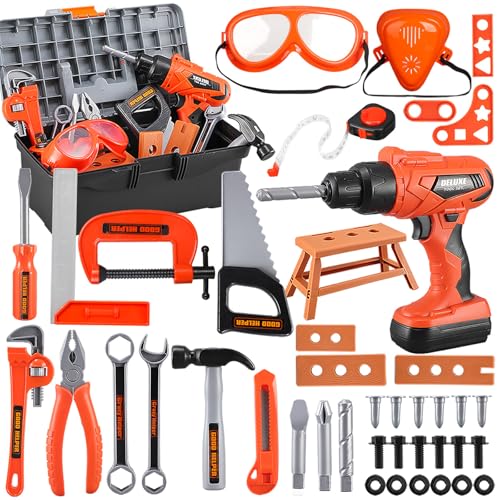
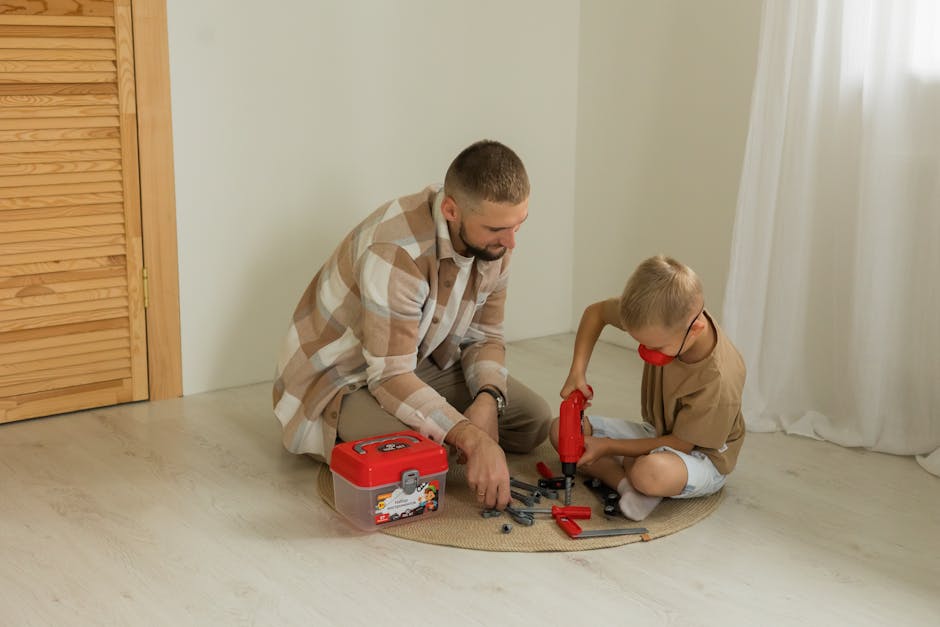
Hand tools are the most basic type of construction tools. They include hammers, screwdrivers, and pliers. These tools require human effort to operate. They are essential for tasks like nailing, screwing, and cutting. Hand tools are durable and easy to handle.
Power Tools
Power tools use electricity or batteries to function. They are more efficient than hand tools. Examples include drills, saws, and sanders. Power tools save time and reduce physical effort. They are vital for heavy-duty tasks and large projects.
Measuring Tools
Measuring tools ensure precision in construction work. They include tape measures, levels, and squares. These tools help in accurate measurement and alignment. Proper measurement is crucial for a stable structure. Measuring tools are easy to use and portable.
Safety Equipment
Safety equipment protects workers from injuries. It includes helmets, gloves, and goggles. Safety gear must be worn at all times on-site. It reduces the risk of accidents and ensures a safe working environment. Proper safety equipment is a legal requirement in construction.
Hand Tools Basics
Understanding hand tools is essential for anyone venturing into construction, whether you're a professional or a DIY enthusiast. These tools are the backbone of any project, providing the precision and control needed to get the job done right. Have you ever tried hanging a picture frame with a power drill? Sometimes, simple hand tools are your best bet.
Let's dive into the basics.
Hammers And Mallets
Hammers are the quintessential hand tool, indispensable for driving nails into wood or removing them. A claw hammer is versatile and should be part of your toolkit. The claw end is perfect for pulling nails.
Mallets, on the other hand, offer a softer blow. They’re ideal when you need to strike without damaging the surface. Think about assembling furniture or adjusting tight joints. A rubber mallet can save your woodwork from dents.
Screwdrivers And Wrenches
Screwdrivers come in various types, primarily Phillips and flathead. Each serves a unique purpose. If you've ever tried using a flathead on a Phillips screw, you know the frustration. Keep both types handy.
Wrenches provide grip in turning nuts and bolts. Adjustable wrenches adapt to different sizes, making them versatile. Imagine you're working on your bike and need to adjust the seat height; a wrench is your go-to tool.
Pliers And Cutters
Pliers are essential for gripping, bending, and cutting wire. Needle-nose pliers are perfect for precision work, especially in tight spaces. I remember fixing my glasses with a pair of needle-nose pliers—it was a lifesaver.
Cutters come in handy for snipping wire or trimming materials. A wire cutter can make quick work of electrical projects, ensuring clean cuts. Ever tried cutting wire with scissors? It's like using a spoon to eat soup.
Think about your next project. Are your hand tools ready? Investing in quality tools can save you time and frustration.
What hand tools do you rely on the most?
Power Tools Introduction
Power tools are the backbone of modern construction, transforming complex tasks into manageable ones. These tools not only enhance productivity but also ensure precision, allowing you to achieve professional-quality results. Whether you're an avid DIYer or a seasoned contractor, understanding the variety and capabilities of power tools can revolutionize your approach to construction projects.
Drills And Drivers
Drills and drivers are essential for any toolkit. A cordless drill, for instance, offers flexibility and ease of use, making it perfect for jobs around the house. It can drill holes in wood, metal, or masonry, giving you the ability to tackle various tasks effortlessly. Drivers, on the other hand, are your best friend when it comes to fastening screws quickly and securely. With adjustable torque settings, you can prevent stripping screws, ensuring a secure fit every time. Have you ever struggled with manual screwdrivers? Switching to power drivers could be a game-changer.
Saws And Grinders
Saws and grinders allow you to cut and shape materials with precision. Circular saws are great for straight cuts through wood or metal, while jigsaws handle intricate curves with ease. Grinders are perfect for smoothing rough edges and cutting through tough materials like stone. Imagine working on a home renovation project—having these tools can save you hours of labor, enabling you to focus on the finer details. Do you remember a time when a manual saw just didn’t cut it? Investing in power saws might just make your life easier.
Sanders And Polishers
Sanders and polishers bring a professional finish to your projects. An orbital sander can smooth surfaces evenly, preparing them for painting or varnishing. Polishers add that final touch, giving surfaces a glossy, smooth finish. Consider the satisfaction of seeing a dull surface transformed into a polished masterpiece. Is there a piece of furniture you’ve wanted to refurbish? These tools could give you the perfect finish you desire.
Power tools are not just equipment; they are your partners in crafting excellence. By choosing the right tools and understanding their functions, you can take your projects to new heights, achieving results that reflect your vision and skill. What will you build next?
Measuring Tools Essentials
Measuring tools are the backbone of accurate construction work. They ensure precision and quality. Without them, projects risk errors and misalignments. Reliable measurements lead to durable and safe structures. Let's delve into essential measuring tools every builder needs.
Tape Measures
Tape measures are a staple in every toolbox. They offer quick and easy measurements. Their retractable design makes them portable. Most have metric and imperial units. Choose one with a sturdy tape and clear markings. A lock feature helps maintain measurements. This tool is perfect for measuring lengths and widths.
Levels And Squares
Levels ensure surfaces are even and straight. They use bubbles in liquid tubes to show balance. Digital levels offer more precision. Squares, like the carpenter's square, check right angles. They guide cutting and alignment tasks. These tools are crucial for framing and tiling.
Laser Measures
Laser measures provide high-tech measuring solutions. They emit a laser beam to calculate distances. This tool is ideal for large areas. It delivers fast and accurate readings. Some models can measure angles and volumes too. A laser measure saves time and reduces errors.
Safety Equipment Importance
Safety equipment is crucial in construction, ensuring that workers can perform their tasks without unnecessary risk. Accidents can happen in the blink of an eye, but proper safety gear can be the difference between a minor mishap and a life-threatening injury. Whether you're a seasoned contractor or a novice, understanding the importance of safety equipment is vital to maintaining a safe work environment. Let's delve into some essential items that every construction site must prioritize.
Helmets And Hard Hats
Helmets and hard hats are the frontline defenders against head injuries. Imagine working at a height and suddenly, a tool slips from above. Without a hard hat, the consequences can be dire. They are not just mere accessories; they are lifesavers.
Make sure your helmet fits well and is always in good condition. A cracked or damaged helmet won't provide the necessary protection. Always inspect your gear before starting work.
Have you ever worn a helmet that was uncomfortable? It’s common, but adjusting it for a snug fit can make a world of difference, ensuring safety without compromising comfort.
Gloves And Boots
Gloves protect your hands from sharp edges, chemicals, and extreme temperatures. They are indispensable in preventing cuts and blisters. Choose the right gloves for your specific task to maintain dexterity while staying protected.
Boots are equally important, providing stability and shielding your feet from heavy objects. Steel-toed boots can save your toes from serious injury. Remember, a good pair of boots also offers slip resistance, crucial when working in wet or uneven conditions.
Have you ever experienced a near-miss because of inappropriate footwear? Choosing the right boots can prevent such incidents, ensuring you stay on solid ground.
Protective Eyewear
Eyes are vulnerable to dust, debris, and chemical splashes, making protective eyewear essential. A small particle can cause significant damage, leading to severe injuries or even blindness. Always wear goggles or safety glasses that fit well and provide adequate coverage.
Consider the environment you're working in. Are there flying particles or bright lights? Select eyewear that suits your needs, offering protection and comfort.
Have you ever had an eye injury or known someone who did? The discomfort and potential long-term effects highlight the importance of protective eyewear. Don't take your sight for granted.
Safety equipment is not just about following rules; it’s about valuing life. Are you prepared to make safety your top priority? Equip yourself wisely and work smarter, not harder, to prevent accidents before they happen.
Choosing The Right Tools
Construction tools are essential for building structures, ensuring efficiency and safety. Selecting the right tools depends on the project's complexity and scale. Proper tools simplify tasks, reduce labor, and enhance precision.
Choosing the right construction tools can greatly impact your project. The right tools ensure efficiency, safety, and quality outcomes. Different projects need different tools. Budget, project requirements, brand, and quality all influence your choice. Below are key factors to consider when selecting construction tools.
Project Requirements
Each project has unique needs. Identify tasks you need to complete. Will you need basic hand tools or power tools? Consider project scale. Large projects need more advanced tools. Small projects may only need basic equipment. Match tools with tasks for effective results.
Budget Considerations
Budget plays a crucial role in choosing tools. Set a clear budget before shopping. High-quality tools often cost more. But they last longer and perform better. Consider long-term value over short-term savings. Cheap tools may require frequent replacements. Plan your budget wisely for best outcomes.
Brand And Quality
Brand and quality are important in tool selection. Reliable brands offer durable and efficient tools. Do some research on different brands. Read reviews and check product ratings. High-quality tools ensure safety and precision. Choose brands known for durability and reliability. Quality tools are an investment in project success.
Maintenance And Care
Maintaining construction tools extends their life and ensures efficient performance. Proper care prevents unexpected breakdowns, saving time and money. Regular maintenance also safeguards workers from potential hazards.
Cleaning And Storage
Clean tools immediately after use. Dirt and debris can damage moving parts. Use a brush or cloth to remove particles. Store tools in a dry, secure place. Avoid moisture to prevent rust. Organize tools neatly to prevent damage.
Regular Inspections
Inspect tools for wear and tear. Look for cracks, rust, and loose parts. Check electrical cords for frays. Ensure all safety features work properly. Consistent inspections catch problems early.
Repair And Replacement
Repair damaged tools promptly. Delay can worsen issues. Replace parts that are worn beyond repair. Some tools may need full replacement. Always use high-quality replacement parts. Keep a record of repairs for future reference.
Common Mistakes To Avoid
Construction tools are essential for any building project. They boost efficiency and ensure precision. Yet, many people make mistakes with these tools. Avoiding common errors can prevent accidents and extend tool life.
Ignoring Safety
Safety should be a top priority on construction sites. Many neglect safety measures, risking injury. Always wear protective gear like gloves and helmets. Check tools for damage before use. A small safety step can prevent big accidents. Never overlook safety instructions on tool manuals. They are there to protect you.
Using The Wrong Tools
Each tool has a specific purpose. Using the wrong tool can damage materials. It can also pose safety risks. Choose the right tool for each task. This ensures precision and saves time. Educate yourself on tool functions. This knowledge is valuable on any site.
Neglecting Maintenance
Tools need regular maintenance to function well. Many forget to clean and store them properly. This neglect shortens tool life. It can also reduce performance. Check tools for wear and tear regularly. Replace or repair any damaged parts. Well-maintained tools work better and last longer.
Frequently Asked Questions
What Are Construction Tools Used For?
Construction tools are essential for building projects. They help with tasks like cutting, measuring, and assembling materials. Tools range from hammers and saws to drills and levels. Each tool has a specific function that aids in efficient construction work. Using the right tools ensures safety and precision in projects.
How Do Construction Tools Improve Efficiency?
Construction tools improve efficiency by speeding up tasks and enhancing precision. They reduce manual labor and help workers complete projects faster. Tools like power drills and laser levels save time and ensure accurate measurements. Efficient use of tools leads to timely project completion and reduced costs.
Why Is Tool Maintenance Important?
Tool maintenance is crucial for safety and efficiency. Regular upkeep prevents wear and tear, extending tool life. Well-maintained tools perform optimally, reducing the risk of accidents. Proper maintenance also ensures tools function accurately, enhancing the quality of construction work. Investing in maintenance saves money in the long run.
What Are Common Construction Hand Tools?
Common construction hand tools include hammers, screwdrivers, and wrenches. These tools are vital for basic construction tasks. They're used for fastening, loosening, and assembling materials. Hand tools are easy to use and require minimal training. They are portable and essential for small-scale construction projects.
Conclusion
Construction tools shape the world around us. They build homes, bridges, and cities. Understanding these tools helps us appreciate their role in construction. From hammers to cranes, each has a unique purpose. They improve efficiency and safety on work sites.
Basic knowledge of tools aids in better project outcomes. It's essential for anyone in the construction industry. Whether you're a beginner or a pro, knowing tools is key. It's about making the right choice for the job. So, delve deeper into the world of construction tools.
Build your knowledge, build your future.