Are you planning to refresh your home with a new coat of paint? Imagine achieving a flawless finish with minimal effort, just like a professional.
The secret lies in choosing the right spray tools and accessories for your house painting project. This blog post is your guide to understanding exactly what you need to make your painting experience smooth and successful. We'll explore essential tools that save you time and give you the precision you crave, ensuring your walls look stunning and your satisfaction level soars.
Curious about how to transform your painting project into an enjoyable and efficient endeavor? Keep reading to unlock the secrets of expert-level results right at your fingertips.
Choosing The Right Spray Gun
Choosing the right spray gun is crucial for house painting success. The right tool ensures a smooth and even application. It reduces effort and enhances the final look. With many options available, making a choice can feel overwhelming. But understanding the types and factors to consider simplifies the process.
Types Of Spray Guns
Spray guns come in various types. Each suits different painting needs. The most common are HVLP, airless, and compressed air spray guns.
HVLP stands for High Volume, Low Pressure. These guns are great for detailed work. They produce less overspray, making them efficient.
Airless spray guns are powerful. They work well for large surfaces. Their high pressure makes quick work of big jobs.
Compressed air spray guns are versatile. They can handle different coatings. They're popular for both home and professional use.
Factors To Consider
Several factors help decide the best spray gun. Consider the type of paint or coating. Some guns handle thick paints better.
Think about the size of the project. Larger jobs may need more powerful equipment. Smaller, detailed tasks require precision tools.
Budget is another consideration. Spray guns vary in cost. It's important to balance cost with features.
Ease of use matters too. Some guns are user-friendly. They require less experience to operate effectively.
Finally, think about maintenance needs. Some spray guns are easier to clean. This can save time and effort.
Compressor Essentials
Selecting the right compressor is vital for efficient house painting. Essential tools include spray guns, hoses, and masks. High-quality accessories ensure a smooth and even paint application.
When it comes to house painting, having the right tools can make a world of difference. Among these tools, the compressor is a powerhouse that ensures your paint spray system runs smoothly. But, what do you need to know about compressor essentials to get the most out of your painting project? Let’s dive into the two crucial aspects: Capacity and Power, and Maintenance Tips.
Capacity And Power
The compressor’s capacity and power determine how well it can support your paint sprayer. A compressor with a higher capacity can store more air, allowing for longer and uninterrupted painting sessions. If you're tackling a large project, you'll need a compressor with ample capacity to avoid frequent stops. Power is equally important. It affects how quickly the compressor can refill the tank, which influences your workflow. A more powerful compressor saves time and reduces frustration during painting. Choose a model that balances both capacity and power to match your project's scale.
Maintenance Tips
Regular maintenance of your compressor is key to its longevity and performance. Start by checking the oil levels—if your compressor is oil-lubricated, ensure the oil is clean and at the right level. Dirty oil can lead to inefficiencies and damage. Drain the moisture from the air tank daily to prevent rust. Moisture buildup can compromise the quality of your paint job and shorten the compressor's life. Also, inspect the air filters regularly. Clean or replace them as needed to maintain optimal airflow. What’s your strategy for keeping your compressor in top shape? Share your experiences and tips with others. By taking good care of your compressor, you ensure that it remains reliable for all your house painting projects.
Paint Selection
Selecting the right paint tools ensures a smooth house painting process. Essential spray tools include airless sprayers and paint mixers. Accessories like drop cloths and painter's tape help protect surfaces and achieve clean edges.
Choosing the right paint is crucial for a successful house painting project, especially if you're using a spray tool. The type of paint you select can make or break the finish, affecting both the appearance and durability of your work. Whether you're repainting your living room or tackling exterior walls, understanding paint selection ensures your results meet expectations.
Types Of Paints
Paints come in a variety of types, each suited for different surfaces and conditions. Latex paints are water-based and are perfect for most interior walls because they dry quickly and clean up easily with soap and water. Oil-based paints provide a smooth finish and are ideal for high-moisture areas like kitchens or bathrooms, but they take longer to dry. Acrylic paints are versatile and can be used both indoors and outdoors. They are known for their durability and resistance to fading. Enamel paints are best for surfaces that need a hard, glossy finish, such as cabinets or furniture. Have you ever struggled with peeling paint or uneven surfaces? Picking the right paint type can prevent these common issues.
Compatibility With Sprayers
Not all paints work well with spray tools. Some may be too thick and require thinning before use. Latex paints, for instance, often need to be thinned with water to ensure a smooth application with a sprayer. Check your sprayer's manual to know what consistency is required. Oil-based paints usually need a solvent for thinning, making them less convenient for some sprayers. Many modern sprayers are designed to handle a range of paint types, but it's essential to verify compatibility to avoid clogging. Try testing a small amount of paint first to see how it flows through the sprayer. Using the right paint can save you time and effort, providing a professional finish without the hassle. So, what will you choose for your next painting project?
Safety Gear And Precautions
Ensuring safety with house painting spray tools involves using goggles, masks, and gloves to protect against fumes and splashes. Proper ventilation reduces inhalation risks, while sturdy ladders and footwear prevent falls. Keep tools organized to avoid accidents and ensure a smooth painting process.
When it comes to house painting, safety should always be your top priority. It's easy to get caught up in the excitement of transforming your space, but without the proper precautions, you might face unnecessary risks. Whether you're a seasoned pro or a DIY enthusiast, understanding the importance of safety gear and precautions is crucial.
Protective Clothing
Wearing the right clothing can make a significant difference in your safety. Opt for long-sleeved shirts and long pants to cover your skin. This helps prevent paint splashes and protects you from harmful chemicals. Consider using disposable coveralls or painting suits for added protection. They're not only practical but also save your regular clothes from potential stains. Ensure that the clothing is comfortable and doesn't restrict your movement. Don't forget about your hands. Invest in a good pair of gloves. They shield your skin from toxic substances and keep your hands clean. Latex or nitrile gloves are often recommended for their flexibility and durability.
Ventilation Importance
Proper ventilation is critical when using spray tools. Paint fumes can be hazardous and lead to headaches or dizziness. Always work in a well-ventilated area to minimize your exposure to harmful chemicals. If you're painting indoors, open windows and doors to allow fresh air to circulate. Use fans to help push out fumes and bring in clean air. This simple action can greatly reduce health risks. Have you considered a respirator? It's a vital tool for protecting your lungs from inhaling dangerous particles. Choose a respirator with a filter suitable for paint fumes. It's an investment in your health that you won't regret. By taking these precautions, you ensure a safer painting experience. What steps will you take to protect yourself during your next project?
Setup And Preparation
House painting with spray tools requires careful setup and preparation. Proper planning ensures a smooth and efficient painting process. This section covers essential steps to get started with spray painting your house.
Surface Preparation
Start by cleaning all surfaces thoroughly. Remove dirt, dust, and grease with soap and water. For tougher stains, use a mild detergent. Ensure surfaces are dry before proceeding. Sand down any rough or peeling paint. This helps the new paint adhere better. Fill any cracks or holes with suitable fillers. Let these dry completely before sanding for a smooth finish.
Masking Techniques
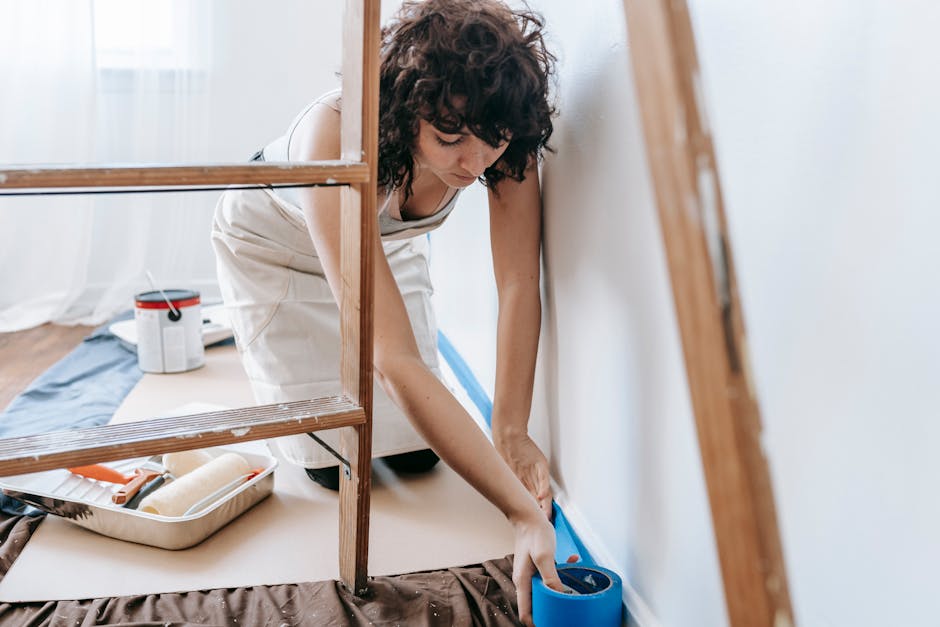
Masking is crucial to protect areas not meant for paint. Use painter's tape around windows, doors, and trim. Cover larger areas with plastic sheets or drop cloths. Secure them with tape to prevent movement. Pay extra attention to corners and edges. Ensure the tape is pressed firmly to avoid paint leaks.
Spraying Techniques
Spraying paint can transform surfaces efficiently. This technique offers uniform coverage and saves time. Understanding the right methods is essential for a smooth finish. Proper technique prevents wasted paint and ensures a professional look. Below are key aspects of mastering spraying techniques.
Achieving Even Coverage
Maintaining a consistent distance from the surface is crucial. Aim for about 12 inches away. This prevents drips and uneven layers. Move the spray gun in steady, even strokes. Overlapping each pass slightly ensures no spots are missed. Adjust the spray nozzle for the desired pattern. Test on a cardboard piece first. This helps in fine-tuning the settings.
Avoiding Common Mistakes
Watch for paint runs, which often occur from staying in one spot too long. Keep the spray gun moving at a constant speed. Ensure proper ventilation in the painting area. This helps with paint drying and reduces fumes. Double-check the paint and thinner compatibility. Incorrect mixtures can clog the spray gun. Clean the spray gun parts after each use. This ensures longevity and optimal performance.
Cleaning And Maintenance
Cleaning and maintenance are vital for the longevity of painting spray tools. Proper care ensures efficient performance and extends the tool's life. Ignoring this can lead to clogs and reduced performance. A clean tool saves time and money in future projects.
Post-painting Cleanup
Begin with emptying the paint container. Use warm water or a suitable solvent. This removes leftover paint. Disassemble the nozzle and other parts. Rinse them thoroughly to remove any paint traces. Use a brush or cloth to clean hard-to-reach areas.
Dry all components before reassembly. Moisture can cause rust or damage. Store your tools in a dry, safe place. This prevents dust accumulation and preserves tool quality.
Long-term Care
Regular maintenance enhances tool performance. Check for worn parts and replace them promptly. Lubricate moving parts as per the manufacturer's guidelines. This reduces friction and wear.
Inspect hoses and seals for any leaks or damages. Replace them if needed. Keep your tools in a climate-controlled environment. Avoid extreme temperatures which can affect the tool's parts.
Conduct periodic checks to ensure everything functions correctly. This proactive approach reduces unexpected breakdowns during projects.
Troubleshooting Issues
House painting with a spray gun can sometimes be challenging. Spray tools can malfunction, leading to frustrating delays. Understanding common issues and effective solutions is essential. Let's explore some typical problems and how to fix them.
Common Problems
Clogs are a frequent issue in spray guns. This happens when paint particles block the nozzle. Uneven spray patterns also occur. They often result from incorrect nozzle settings or thick paint. Another problem is inconsistent pressure. It can cause paint splatters or poor coverage.
Leaks are another concern. They usually stem from loose connections or damaged seals. Finally, motor problems can halt your painting project. This is often due to overheating or a faulty power source.
Solutions And Fixes
For clogs, clean the nozzle regularly. Use a soft brush and warm water. To address uneven spray, adjust the nozzle settings. Ensure the paint is properly thinned. Consistent pressure requires checking the compressor settings. Tighten any loose connections to fix leaks. Replace damaged seals promptly.
If the motor overheats, let it cool down. Check the power source for issues. Regular maintenance prevents most of these problems. Keep your tools in good condition. Store them properly when not in use.
Frequently Asked Questions
What Spray Tools Do I Need For House Painting?
For house painting, you'll need a paint sprayer, air compressor, and spray gun. These tools help in achieving a smooth, even finish. Ensure you have the right nozzle and tip for your paint type.
How Do I Choose The Right Paint Sprayer?
Choose a sprayer based on your project size and paint type. For large areas, an airless sprayer is efficient. For detailed work, consider an HVLP sprayer. Always read product specifications.
What Accessories Are Essential For Spray Painting?
Essential accessories include spray tips, filters, extension poles, and protective gear. Spray tips and filters ensure smooth paint flow. Extension poles help reach high areas. Always wear protective gear for safety.
Why Is Protective Gear Important In Spray Painting?
Protective gear prevents inhalation of harmful fumes and protects skin from chemicals. Use masks, goggles, and gloves. Safety is crucial during spray painting to avoid health risks.
Conclusion
Choosing the right painting tools makes tasks easier. Sprayers offer smooth finishes quickly. Essential accessories include masks, goggles, and drop cloths. They ensure safety and cleanliness. A well-equipped toolkit saves time and effort. Quality tools provide better results and durability.
Beginners can achieve professional looks with practice. Always maintain and clean tools after use. This extends their lifespan and performance. Proper preparation leads to satisfying results. Enjoy painting with the right gear on hand. Your home will look refreshed and vibrant.
Happy painting!