Are your trusty hand tools starting to look a little worse for wear? You might not realize it, but keeping your tools clean is just as important as using them correctly.
A clean tool not only performs better but lasts longer, saving you time and money in the long run. Imagine reaching for your screwdriver or wrench and finding it in top-notch condition, ready to tackle any task. Sounds satisfying, right?
In this guide, we're going to reveal simple, effective techniques to clean your hand tools, ensuring they stay in prime condition. Whether you're a DIY enthusiast or a professional tradesperson, these tips will help you maintain your tools with ease. Keep reading to discover how a little maintenance can make a big difference in your tool kit.
Essential Cleaning Supplies
Discover essential cleaning supplies to keep your hand tools in top shape. Use mild soap, warm water, and a soft cloth to remove dirt and grime. Regular cleaning prevents rust and extends the life of your tools.
Cleaning your hand tools might seem like a chore, but it’s essential for maintaining their longevity and efficiency. The right cleaning supplies can make this task easier and more effective. Have you ever wondered if you’re using the best products for keeping your tools in top shape? Let’s dive into the essential cleaning supplies you need to keep your hand tools looking and working like new.
Brushes
A set of brushes is indispensable for cleaning hand tools. From wire brushes to nylon brushes, each has its purpose. Wire brushes work wonders on rust, but be gentle to avoid scratching the surface. Nylon brushes are perfect for general cleaning, removing dirt and grime without damaging the tools.
Cleaning Solutions
Choosing the right cleaning solution is key. Mild detergents are great for regular cleaning, while specialized rust removers tackle tougher jobs. Have you tried using vinegar? It's an affordable and effective option for cleaning rust off metal tools. Always make sure to rinse tools thoroughly to prevent residue buildup.
Cloths And Towels
Microfiber cloths and towels are your best friends when it comes to drying and polishing tools. They absorb moisture well and leave no lint behind. Using old towels is also a practical choice for drying after cleaning. Remember, keeping tools dry is crucial to prevent rust.
Protective Gear
Don’t forget about your safety. Gloves protect your hands from harsh chemicals and sharp edges. Safety goggles are a smart choice if you’re dealing with rust remover or other potent solutions. Taking a few precautions can save you from accidents or injuries.
Storage Solutions
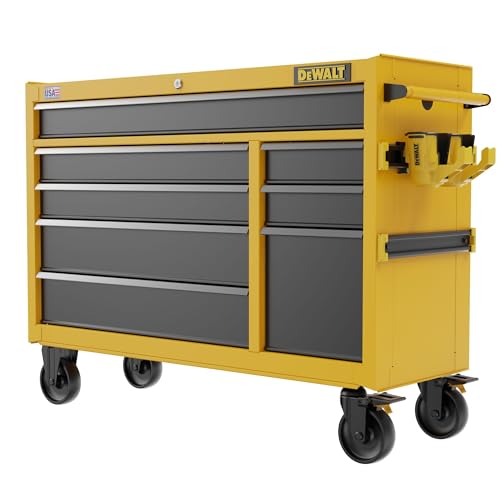
After cleaning, proper storage is essential. Toolboxes or pegboards help keep your tools organized and safe from moisture. Have you ever considered using silica gel packs? They’re excellent for absorbing humidity, keeping your tools dry and rust-free. Keeping your tools organized reduces the risk of misplacing them and makes your workspace tidier. Cleaning your hand tools doesn’t require fancy equipment. With these essential supplies, you can maintain your tools efficiently and effectively. What supplies do you swear by for keeping your hand tools in pristine condition? Share your tips in the comments below!
Preparing Your Tools
Proper preparation is key to effective tool cleaning. Your tools will function better and last longer. A clean workspace ensures efficiency. Safety measures protect you from harm. Follow these steps to get ready. Preparing well makes cleaning easy.
Organizing Your Workspace
Start by clearing your work area. Remove clutter to avoid distractions. Arrange your tools neatly. This helps you find them quickly. Use shelves or toolboxes for storage. Keep cleaning supplies within reach. A tidy space boosts productivity.
Safety Precautions
Safety first. Wear gloves to protect your hands. Use goggles to shield your eyes. Read labels on cleaning products. Follow instructions carefully. Ventilate the room if using chemicals. Keep a first aid kit nearby. Stay safe while cleaning.
Cleaning Different Types Of Tools
Clean your hand tools regularly to keep them in good shape. Remove dirt and grime using a damp cloth. Dry thoroughly to prevent rusting. Lubricate moving parts with oil for smooth operation. Store in a dry place to extend their lifespan.
Proper care ensures tools are always ready for use.
Cleaning different types of tools requires a special approach. Each material demands specific care. Proper cleaning prolongs their life and effectiveness. Whether metal, wood, or plastic, understanding their needs is key. Discover how to clean each type below.
Metal Tools
Metal tools often collect rust and dirt. Start by wiping them with a damp cloth. Use warm water for sticky grime. Add mild soap for stubborn dirt. Dry thoroughly to prevent rust. Use a wire brush for deep clean. Apply a rust remover if needed. Finish with a light oil coat for protection.
Wooden Handles
Wooden handles need gentle care. Wipe them with a soft cloth. Use warm soapy water for dirt removal. Avoid soaking the wood. Dry immediately to stop moisture damage. Sand lightly for smoothness if needed. Apply wood oil for shine and protection. This keeps the handle strong and beautiful.
Plastic Components
Plastic components are easier to clean. Use warm water and mild soap. Scrub gently to remove dirt. Avoid harsh chemicals to prevent damage. Rinse thoroughly to remove soap residue. Dry with a clean towel. This prevents water spots. Regular cleaning keeps plastic parts durable and looking new.
Removing Rust And Corrosion
Hand tools often face rust and corrosion due to moisture exposure. This can affect their performance. Keeping tools clean extends their life and ensures safety. Removing rust is crucial for maintaining their efficiency. Let's explore effective methods to remove rust and corrosion from your hand tools.
Using Commercial Rust Removers
Commercial rust removers are readily available in stores. They are designed for quick rust removal. To use, apply the remover on the rusty area. Allow it to sit for the recommended time. Then, scrub the area gently with a brush. Rinse the tool thoroughly with water. Dry it completely to prevent further rusting. Always follow the instructions on the product label.
Diy Solutions
DIY solutions can be effective and cost-saving. One popular method uses white vinegar. Soak the rusty tool in vinegar for a few hours. Scrub off the loosened rust with a wire brush. Another method involves baking soda. Make a paste using water and baking soda. Apply the paste on the rust and let it sit. Scrub the area and rinse with water. These solutions are natural and safe for your tools.
Maintaining Sharpness
Maintaining sharpness is essential for hand tools. Sharp tools work efficiently and safely. Regular maintenance helps preserve their edge and performance. It saves you time and effort during tasks. Let's explore how to keep your tools sharp.
Sharpening Techniques
Use the right sharpening method. A whetstone is great for most hand tools. It smooths out rough edges effectively. For chisels, a honing guide ensures precision. It helps maintain a consistent angle. File sharpening works well for saws. It retains the blade's shape.
Don't rush the process. Apply light pressure for control. Move evenly along the edge. Test sharpness frequently. This ensures you achieve the desired result.
Avoiding Dullness
Store your tools correctly. Use protective covers or cases. This prevents accidental damage. Clean tools after every use. Dirt and rust dull edges quickly. Dry them thoroughly to avoid moisture buildup.
Inspect tools regularly. Look for signs of wear or damage. Replace parts if necessary. An overly worn blade loses effectiveness. Sharp tools require less force. This reduces strain and potential injury.
Lubricating And Oiling
Regular maintenance keeps hand tools in top condition. Clean tools thoroughly, then apply oil to prevent rust. Lubrication ensures smooth operation and extends their lifespan.
Cleaning your hand tools ensures their longevity and performance. After cleaning, lubricating and oiling are essential steps. This process prevents rust and maintains the tool's efficiency. Proper lubrication reduces friction and wear. Let's explore how to choose the right lubricant and apply it effectively.
Choosing The Right Lubricant
Different tools need different lubricants. Consider the tool material and use. For general use, light machine oil works well. For tools exposed to moisture, use a rust-preventative oil. Read the manufacturer's instructions if unsure. Avoid using heavy greases for regular hand tools. They attract dirt and grime, which can damage the tool.
Application Techniques
Apply lubricant sparingly. Too much can attract dust and dirt. Use a clean cloth or brush for application. Ensure even coverage on moving parts. For small areas, use a cotton swab. Pay attention to joints, hinges, and blades. Let the lubricant sit for a few minutes. Wipe away any excess with a dry cloth. This prevents build-up and keeps the tool clean. Regular lubrication makes your tools last longer.
Storing Tools Properly
Keeping hand tools clean ensures longevity and efficiency. Start by wiping off dirt with a dry cloth. Use mild soap and water for sticky residue. Dry thoroughly to prevent rust. Regular cleaning keeps tools ready for use and extends their lifespan.
Proper care makes every job easier and safer.
Storing your hand tools properly is as important as cleaning them. Proper storage ensures that your tools remain in good condition, ready for use whenever you need them. Plus, a well-organized tool storage system can save you time and frustration. Imagine reaching for a wrench and finding it exactly where you expect it to be, clean and rust-free. Let's dive into some crucial aspects of storing your tools effectively.
Preventing Moisture Damage
Moisture is your tools' worst enemy. It can lead to rust, which severely affects the performance and lifespan of your tools. After cleaning, ensure your tools are completely dry before storing them. Consider using silica gel packs or a dehumidifier in your storage area. These can help absorb excess moisture in the air, providing an extra layer of protection. Have you ever found a rusty screwdriver in your toolbox? That's likely due to moisture sneaking in.
Organizing For Easy Access
A well-organized tool collection is more than pleasing to the eye; it makes your tasks more efficient. Use pegboards or drawer organizers to keep everything in its place. Labeling your storage spaces can also help. When everything has a designated spot, you'll know exactly where to find what you need—and where to put it back. This organization minimizes the time spent searching for tools, allowing you to focus on your projects. How much time do you waste looking for misplaced tools? Storing tools properly isn’t just about avoiding damage—it's about making your life easier. By preventing moisture damage and organizing for easy access, you'll maintain your tools' longevity and improve your workflow. What changes will you make to your storage system today?
Frequently Asked Questions
How Often Should You Clean Hand Tools?
Cleaning hand tools after each use is ideal. This prevents rust and prolongs their lifespan. For tools used less frequently, a monthly cleaning schedule is recommended. Regular maintenance ensures tools remain in top condition and ready for future tasks.
What Materials Do I Need To Clean Tools?
You'll need a soft cloth, mild soap, water, and a wire brush. For rust, use sandpaper or a rust remover. Lubricating oil is also essential to prevent rust. These materials help keep your tools clean and functional.
Can I Use Vinegar To Remove Rust From Tools?
Yes, vinegar is effective for rust removal. Soak the tools in vinegar for a few hours. Then, scrub them with a brush to remove the rust. This natural method is affordable and eco-friendly.
What's The Best Way To Dry Hand Tools?
After cleaning, dry tools thoroughly with a towel. Ensure no moisture remains, as it can cause rust. Air drying is also effective, but avoid prolonged exposure to damp environments. Proper drying maintains tool quality.
Conclusion
Cleaning hand tools keeps them in good shape. Regular maintenance prevents rust and damage. Use a soft cloth to wipe off dirt. Apply oil for lubrication. Store tools in a dry place. This extends their lifespan. Inspect tools for any signs of wear.
Replace damaged parts promptly. Proper care ensures safety during use. Clean tools offer better performance. Invest time in their upkeep. Enjoy smoother tasks and save money. With these tips, your tools stay reliable. A little effort goes a long way.
Keep your toolbox organized and ready. Your tools will thank you.