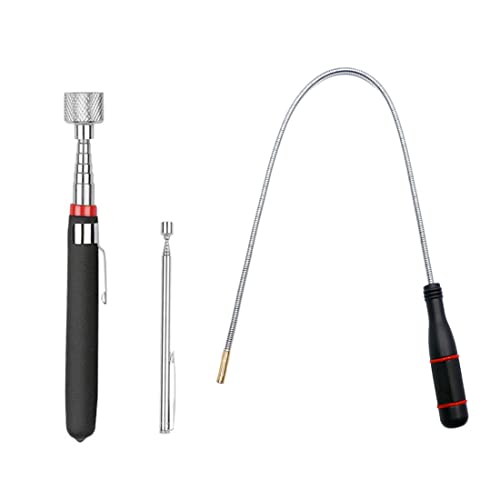
You're about to jet off on a new adventure, and like many travelers, you might be wondering what you can pack in your hand luggage. Specifically, can you take tools with you?
This question is more common than you might think, especially if you're a DIY enthusiast or a professional on the go. Imagine the convenience of having your tools right there with you, ready to tackle any task. But before you start packing, it's crucial to understand the rules and regulations.
This blog post will guide you through what you can and cannot take in your hand luggage, ensuring you avoid any unnecessary hassles at the airport. Keep reading to discover the dos and don'ts, and make your travel experience smooth and stress-free.
Tool Regulations In Air Travel
Flying with tools in your hand luggage can be tricky. Regulations vary, but generally, small tools under seven inches are allowed. Always check airline guidelines before packing to avoid surprises at security.
Packing for air travel can be a puzzle, especially when it comes to carrying tools in your hand luggage. You might be a DIY enthusiast or a professional who needs tools on the go. Whatever your reason, understanding the regulations about carrying tools on a plane is crucial to avoid hassles at the airport. The rules aren’t as straightforward as you might think, and they can vary depending on the airline or country you are flying from. Let's dive into the specifics of tool regulations in air travel to make your journey smoother.
Understanding Tsa Guidelines
The Transportation Security Administration (TSA) has clear guidelines regarding tools in carry-on luggage. Small tools like screwdrivers, wrenches, and pliers are generally allowed if they are less than seven inches in length. However, tools with sharp edges or larger sizes must be checked in. Have you ever had a favorite tool confiscated because it was slightly longer than allowed? Measuring your tools before packing could save you from that disappointment.
International Travel Considerations
Traveling internationally with tools can be tricky. Regulations differ significantly from one country to another. In some countries, even a small screwdriver might be flagged. Always check the specific guidelines of your destination country’s aviation authority. This proactive approach could save you time and stress.
How To Pack Tools Safely
Packing your tools securely is just as important as knowing the regulations. Use tool rolls or cases to keep everything organized and protect both the tools and your other belongings. Avoid packing tools loosely in your bag. Wouldn't it be frustrating to find your favorite gadget scratched by a loose screwdriver?
What About Power Tools?
Power tools add another layer of complexity. Most airlines do not allow power tools in hand luggage due to safety concerns. If you need to travel with power tools, consider checking them in. This might feel inconvenient, but it ensures compliance with airline safety standards.
Why Regulations Matter
Tool regulations are in place to ensure safety for all passengers. It might seem like a hassle, but these rules are there to prevent potential security threats. Imagine being on a flight where someone has access to sharp or heavy tools; it’s not an ideal situation. Adhering to these regulations helps everyone travel safely and comfortably. By understanding these guidelines, you can prepare better for your next trip. Have you checked your tool kit for any items that might not be allowed? Taking a few extra minutes to review your packing could save you a lot of trouble at the airport.
Airline Policies
Traveling with tools in hand luggage can be complex. Airlines have varied policies on this matter. Understanding these rules is important for a smooth journey. This section breaks down major airlines' policies and their differences.
Major Airlines' Stances
Each airline has its own set of rules. Some allow small tools, like screwdrivers, if under a certain length. Others ban all tools in hand luggage. Airlines like Delta and United have clear guidelines. They specify which tools are allowed. Reading these guidelines helps avoid issues at security.
Variations In Rules
Rules vary not only between airlines. They also differ by country. U.S. and European airlines have stricter policies. This is due to security concerns. Asian airlines may have more lenient rules. Always check the airline’s website before packing. Ensure your tools comply with their specific regulations.
Security Screening Process
Traveling with tools in your hand luggage can be a bit nerve-wracking, especially when you think about the security screening process. You might wonder if they’ll be confiscated or if you’ll face delays. Understanding the rules can ease your journey and ensure your tools arrive safely at your destination. Let's break down the security screening process and see how you can navigate it smoothly.
Tsa Guidelines
The Transportation Security Administration (TSA) sets specific rules for carrying tools in hand luggage. Generally, tools less than 7 inches are allowed. Items like screwdrivers, pliers, and wrenches usually pass through without a hitch. However, sharp tools like saws and drills must be checked in, not carried on. Double-check the TSA's list online before packing to avoid surprises.
Screening Tips
How can you make sure your tools pass the screening process without problems? First, pack them securely. Use a sturdy toolbox or wrap them in cloth to prevent movement. This shows security agents you’ve taken care to pack safely. Next, keep tools easily accessible. Placing them at the top of your bag means you won’t have to rummage through belongings if asked to show them.
Finally, communicate with the security staff. If you’re unsure about any item, ask them directly. They can provide guidance and clarify what’s permissible. Their advice is invaluable, especially if you’re carrying something unusual.
Have you ever faced an issue at security because of tools in your bag? Was it simply a misunderstanding or a rule you weren’t aware of? Sharing experiences like these can help fellow travelers anticipate and avoid similar situations. By following these guidelines, you ensure smoother travel with your tools in hand luggage. What strategies do you use to avoid hassle during screening? Let's learn from each other and make travel more efficient!
Types Of Tools Allowed
Small tools like screwdrivers and wrenches under seven inches are usually allowed in hand luggage. Always check airline regulations for specific restrictions. Sharp or large tools might need to be packed in checked baggage.
When you’re packing for a trip and need to bring tools with you, knowing what’s allowed in your hand luggage can save you a lot of time and hassle at airport security. The rules about what tools you can take are designed to keep everyone safe, but they can also be a bit confusing. Let’s break it down so you can pack confidently and avoid any surprises at the checkpoint.
Small Hand Tools
Most small hand tools are allowed in your carry-on, but there are size restrictions. Tools like pliers, wrenches, and screwdrivers are generally permitted, provided they are not longer than seven inches. Imagine needing to fix your glasses or adjust a loose screw on your carry-on suitcase—these tools are perfect for such small tasks. It’s handy to have a small tape measure or a compact multi-tool with non-locking blades, especially if you’re a DIY enthusiast. Just make sure the blades are under the size limit. Have you ever faced a minor issue that could have been easily fixed with a simple tool, but you didn’t have one because you thought it wasn’t allowed? Knowing these allowances helps you be prepared.
Restricted Tools
Some tools are restricted and cannot be taken in your hand luggage. Items like crowbars, drills, and saws, whether manual or electric, are not allowed in your carry-on bag. These tools are considered potential security risks and must be checked in. Even if you have a small box cutter or a pocket knife with a locking blade, it’s best left in your checked baggage. Consider how frustrating it would be to have your favorite tool confiscated because it didn’t meet the guidelines. Do you really need a heavy-duty tool on your flight, or can it wait until you reach your destination? By understanding the types of tools allowed, you can pack smarter and travel with peace of mind. Always check the latest regulations as they can change, and remember: a little preparation goes a long way in ensuring a smooth travel experience. What tools do you find essential when you’re on the go?
Packing Tips For Tools
Bringing tools in hand luggage can be tricky due to airline restrictions. Ensure they are under 7 inches long to comply with regulations. Pack them in a clear, resealable bag for easy inspection at security checkpoints.
Packing tools in hand luggage can be tricky. Airport rules often confuse travelers. Proper packing ensures smooth security checks and protects your tools. Following some tips can help you travel hassle-free with your tools.
Safe Packing Techniques
Use a sturdy toolbox or case. It keeps tools organized and secure. Wrap sharp tools in cloth or bubble wrap. This prevents injury and damage. Small tools can go in zippered pouches. They are easy to access and keep separate. Check TSA guidelines for tool restrictions. Some tools might need special packing.
Avoiding Damage
Place heavier tools at the bottom of the bag. It prevents crushing lighter items. Use padding between tools to avoid scratches. Ensure no loose parts in your bag. They can cause damage during transit. Secure all lids and containers tightly. Loose items can spill and break. Keep tools clean and dry. Moisture can lead to rust or damage. Pack tools separately from electronics. This reduces the risk of accidental damage. `
Common Mistakes To Avoid
Traveling with tools in hand luggage can be tricky. Many people make errors that lead to stress at the airport. Understanding these mistakes helps ensure a smooth journey. Here are some common mistakes to avoid.
1. Not Checking Airline Regulations
Airlines have specific rules for carrying tools. Many travelers ignore these guidelines. Always check your airline's website. They provide detailed information on what tools are allowed.
2. Ignoring Security Restrictions
Security checks are strict about tool sizes and types. Tools longer than 7 inches often get confiscated. It's wise to measure your tools before packing them.
3. Packing Sharp Tools
Sharp tools can pose a security threat. Items like knives or screwdrivers are usually banned. Opt for safer alternatives or pack them in checked luggage.
4. Overpacking Your Bag
Stuffing your hand luggage with too many items can cause issues. It may exceed weight limits or make tools less accessible. Keep it light and organized.
5. Not Using Protective Covers
Uncovered tools can damage your luggage or pose a risk. Use protective covers or wrap them in cloth. This keeps both your tools and bag safe.
6. Forgetting To Declare Tools
Some travelers forget to declare their tools at security. This can lead to delays and extra checks. Always inform security if you have tools in your bag.
Alternatives To Carrying Tools
Traveling with tools in hand luggage can be challenging. Airport security rules often restrict carrying sharp or heavy tools. To navigate these challenges, consider alternatives to carrying tools. These options ensure you have tools without hassle.
Renting At Destination
Renting tools at your destination can be convenient. Many cities offer tool rental services. These services provide a variety of tools for short-term use. This option saves luggage space and reduces airport security stress. Renting tools also allows you to choose the latest models. It’s a practical solution if you don't need tools often. Check local rental shops or online platforms for availability.
Shipping Ahead
Shipping tools ahead is another viable option. This method ensures your tools arrive without airport issues. Pack your tools securely and choose a reliable shipping service. Shipping tools ahead means they will be ready upon your arrival. This eliminates the need for carrying them through airport checks. Plan your shipping in advance to avoid delays. This option is ideal for heavy or bulky tools.
Frequently Asked Questions
Can I Carry Pliers In Hand Luggage?
Yes, pliers are generally allowed in hand luggage. However, they must be under 7 inches in length. Always check the airline's specific rules before traveling. Regulations may vary between airlines and countries. Packing pliers in checked luggage is often safer to avoid any inconvenience.
Are Screwdrivers Allowed In Carry-on Bags?
Screwdrivers are usually permitted in carry-on bags but with restrictions. They should be less than 7 inches long. Always verify with your airline's guidelines before your flight. If unsure, pack them in checked luggage to avoid issues at security checkpoints.
Can You Take Wrenches On A Plane?
Yes, wrenches can be taken in hand luggage if they are less than 7 inches. Ensure compliance with your airline’s rules before flying. Regulations can differ, so double-check to prevent delays. For peace of mind, consider placing them in checked luggage.
Are Hammers Permitted In Hand Luggage?
Hammers are typically not allowed in hand luggage due to security concerns. They may pose a risk as blunt objects. It’s advisable to pack them in checked luggage. Always consult your airline’s regulations to confirm current policies and avoid any potential problems.
Conclusion
Traveling with tools in hand luggage requires careful planning. Always check airline rules. Different airlines have different policies. Some tools are allowed, others are not. Items like screwdrivers and pliers might be restricted. Small tools can sometimes be packed. Avoid surprises at security checks.
Keep in mind the safety regulations. These rules ensure a smooth travel experience. Double-check your tool list before leaving. Being informed prevents last-minute hassle. Knowing the rules saves time and stress. Safe travels and happy packing!