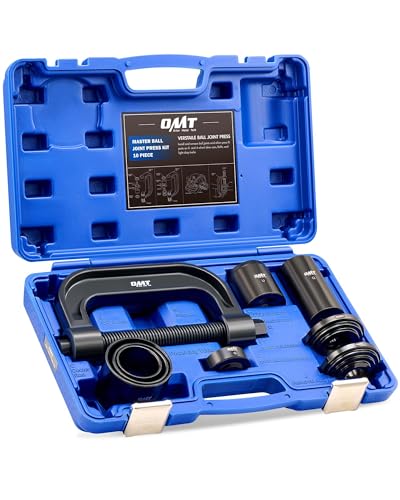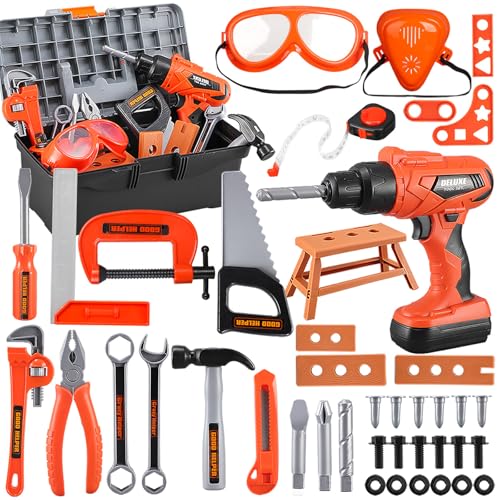
Have you ever wondered if you can take power tools in your hand luggage? Whether you're a DIY enthusiast or a professional traveling for work, it's crucial to know the rules.
Imagine the frustration of arriving at the airport only to find out you can't bring your tools on board. This not only disrupts your plans but can also cost you time and money. You'll discover everything you need to know about carrying power tools in your hand luggage.
We'll explore airline regulations, safety concerns, and provide tips to ensure a smooth journey. Keep reading to make sure your next trip is hassle-free and that you're fully prepared for any project, wherever you go.
Airline Regulations
Traveling with power tools in hand luggage can be challenging due to strict airline regulations. Most airlines restrict sharp or heavy tools in cabin bags for safety reasons. It's vital to check specific airline rules before packing to avoid surprises at security checkpoints.
When planning to travel by air with power tools, understanding airline regulations is crucial. These rules ensure safety and prevent potential hazards. But do you know what your airline specifically allows in hand luggage? Let's dive into the details of airline policies regarding power tools.
General Airline Policies
Airlines have strict rules on what can be carried in hand luggage. Power tools often fall under restricted items due to their potential as safety threats. Generally, airlines prohibit tools with sharp edges or those that can be used as weapons. Security personnel at airports conduct thorough checks. Even a small screwdriver could raise alarms. Always check the airline's website or contact customer service before packing tools in your carry-on. Some airlines allow battery-operated tools if the batteries are removed and packed separately. However, this isn't universal, so double-check to avoid last-minute surprises at security checkpoints.
Differences Between Airlines
Not all airlines have the same rules. While one might allow certain power tools in the cabin, another may have a complete ban. Differences can be due to varying security protocols or regional regulations. For example, a European airline might allow small, non-sharp tools in hand luggage, while a US airline restricts all power tools to checked baggage. This is why it’s essential to read the specific guidelines of your airline. You might wonder if the same rules apply globally. The answer is no. Each airline sets its own policies, and these can even vary depending on the destination. Always confirm with the airline and be prepared for different rules when flying internationally. Have you ever been caught off guard by unexpected luggage regulations? Share your experiences in the comments! Your story might just help fellow travelers navigate these tricky waters.
Security Concerns
Traveling with power tools in hand luggage raises several security concerns. Airports have strict rules about what you can carry. Power tools might seem harmless, but they pose risks.
Airports aim to ensure passenger safety. Understanding these concerns can help make your journey smoother. Let's explore some key factors you should consider.
Airport Security Checks
Airport security checks are thorough. They screen all hand luggage to prevent safety threats. Power tools can trigger alarms during these checks. Their metal parts and batteries are the main culprits.
Security personnel may stop you for further inspection. This can cause delays. It's best to know the rules before packing. Some tools may not be allowed at all.
Safety Considerations
Safety is a top priority for airlines. Power tools can be dangerous in the wrong hands. They might accidentally activate during the flight. This poses a risk to everyone on board.
Battery-operated tools can also overheat. This creates a fire hazard. Airlines often have specific guidelines for carrying such items. Understanding these can prevent complications during travel.
Types Of Power Tools
Whether you're planning a DIY project during your travels or simply need your trusty tools on hand, understanding the types of power tools you can take in your hand luggage is crucial. The rules vary, and knowing what’s allowed can save you from unpleasant surprises at security checkpoints. Let’s break down the types of power tools and see if your favorite gadgets can accompany you on your next flight.
Battery-operated Tools
Battery-operated tools are often more travel-friendly. Their portability and convenience make them a favorite among travelers. Imagine needing to fix a quick snag during your trip. Having a battery-powered drill or screwdriver can be a lifesaver. However, always check airline regulations regarding lithium batteries, as restrictions might apply.
Corded Tools
Corded tools generally pose more of a challenge for hand luggage. Their bulkiness and power requirements make them less suitable for air travel. Consider whether a smaller, battery-operated alternative could serve your purpose. Weigh the pros and cons of carrying a heavy, corded tool versus a lighter, more compact option.
Sharp And Bladed Tools
Sharp and bladed tools are usually a no-go for hand luggage. Items like saws and box cutters can raise red flags at security checkpoints. Think about how you might solve your problems without these tools. Could you ship them ahead to your destination? Or find rental options when you arrive? It’s important to plan ahead and explore alternative solutions.
Next time you're packing, ask yourself: Is this tool essential for my travels? With the right prep, you can avoid headaches and ensure your journey goes smoothly.
Packing Tips
Packing power tools in hand luggage can be tricky. Airports have strict rules. Understanding how to pack them can save time and stress. These tips ensure your tools travel safely.
Proper Tool Storage
Store each tool in a protective case. This prevents movement during travel. Use padded bags for extra cushioning. Label each case clearly. Airport security may want to inspect them. Use transparent cases if possible. They help speed up the inspection process.
Avoiding Damage
Wrap sharp edges with bubble wrap or cloth. This prevents injury and damage. Secure loose parts with tape or elastic bands. Keep batteries separate if possible. Check airline rules on battery transport. Ensure tools are clean and dry. Moisture can cause rust or damage.
Alternatives To Carrying Tools
Traveling with power tools in hand luggage can be tricky. Many airlines impose strict rules against carrying such items onboard. Fortunately, there are practical alternatives to ensure you have your tools without the hassle. Consider exploring these solutions for a seamless travel experience.
Tool Rentals At Destination
Renting tools at your destination is a convenient choice. Many cities offer tool rental services. Renting saves you from potential baggage issues. It also means less weight to carry. Look for rental shops near your stay. They often have a wide range of tools. Prices vary, so compare a few options. Check online reviews for reliability. Renting can be cost-effective, especially for short trips.
Shipping Tools Ahead
Shipping tools ahead is another viable option. It ensures your tools are waiting for you. Many courier services offer tool shipping. Securely pack your tools before sending them. Insure valuable items for safety. Track the shipment to know its status. Shipping might take a few days, so plan accordingly. This method can be more reliable than carrying tools. It reduces the stress of airport security checks.
Legal Considerations
Travelers often wonder about packing power tools in hand luggage. Airlines generally restrict these items for safety. Always check airline rules and local laws before flying with such tools.
When you're planning a trip, packing your power tools might not seem like a big deal. However, understanding the legal considerations of bringing these tools in your hand luggage is crucial. Airports and airlines have strict rules, and failing to comply can lead to fines or confiscation. Let's dive into what you need to know to avoid any hassles at the airport.
International Travel Restrictions
Different countries have varying rules about what you can bring on a plane. Some nations allow small power tools in your carry-on, while others have strict prohibitions. Checking the regulations of both your departure and arrival countries is essential. Have you ever been caught off guard by an unexpected rule? For example, in the United States, the TSA permits tools under 7 inches in length in carry-on luggage, but this isn't universal. The European Union, on the other hand, has more stringent regulations. Always review the specific airline's guidelines, as they can be even more restrictive than the country's rules.
Customs Declarations
Customs declarations aren't just for luxury goods or large purchases. When you're carrying power tools, you may be required to declare them. This is particularly true if the tools are new or valuable. Declaring your tools at customs can prevent misunderstandings and potential fines. Imagine arriving at your destination and being stopped because you didn’t declare that new cordless drill. It could delay your trip or even result in confiscation. Prepare by listing your tools and their value before you travel. Have you ever wondered how you would handle explaining your tools to a customs officer? Creating a simple list of your tools and their purchase receipts can save time and stress. It shows you have nothing to hide and that you're prepared for any inquiries. Plus, it's a good practice to have this documentation for insurance purposes. Navigating these legal considerations might seem daunting, but a little preparation goes a long way. So next time you're packing your bags, take a moment to review these guidelines. Your journey will be smoother, and your tools will remain safely in your possession.
Tips For Hassle-free Travel
Navigating airport security with power tools in hand luggage can be challenging. Always check airline guidelines before packing. Most tools need to be in checked baggage due to safety rules.
Traveling with power tools in your hand luggage can be daunting, but a little preparation can smooth out the process. Imagine standing at the airport security line, feeling confident because you've done your homework. Here are some tips that can make your journey hassle-free and ensure your tools reach their destination safely.
Contacting Airlines In Advance
Before you pack your power tools, reach out to your airline. A quick call or email can clarify their specific policies. Airlines vary widely in what they allow in hand luggage. Consider asking for a list of approved items. This can save you from surprises at check-in. Personal experience shows that staff are often understanding and helpful if you’ve done your part in checking regulations.
Checking Destination Regulations
Different countries have different rules about what can be brought in hand luggage. It's not just airlines you need to check with. Research customs regulations at your destination. A simple online search can reveal crucial information. Imagine arriving at a new country only to have your tools confiscated. Knowing the rules beforehand prevents this hassle. Think about the nature of your tools. Are they considered dangerous or restricted? Some places might have more stringent guidelines. Understanding these regulations is key to a smooth travel experience. Are you ready for your trip armed with knowledge? By preparing in advance, you can ensure a stress-free journey with your power tools safely stored in your hand luggage. Remember, preparation is essential. Engage with airline staff and customs websites to ensure you’re on the right track. These small steps can make a big difference in your travel experience.
Frequently Asked Questions
Can Power Tools Go In Hand Luggage?
Yes, power tools can be carried in hand luggage, but restrictions apply. Airlines and security have specific guidelines. Check the size and type of tool. Tools like drills may need to be in checked baggage. Always verify with your airline for specific regulations before traveling.
Are Power Tools Allowed On All Airlines?
Not all airlines permit power tools in hand luggage. Regulations vary between carriers. It’s crucial to check your airline's policy. Some may allow certain tools if they meet size requirements. Always contact your airline directly to confirm before packing your tools.
What Power Tools Are Prohibited In Hand Luggage?
Certain power tools are prohibited in hand luggage, like large drills and saws. These pose safety risks. Smaller tools might be allowed. Always check TSA or relevant authorities' guidelines. Verify size and type restrictions before packing any power tools for your flight.
How Should Power Tools Be Packed For Flights?
Pack power tools securely in protective cases to prevent damage. Remove batteries to avoid accidental activation. Ensure tools meet size restrictions for hand luggage. For larger tools, use checked baggage. Always check airline policies for specific packing guidelines before your flight.
Conclusion
Packing power tools for air travel demands careful planning. Always check airline rules first. Some tools may need to go in checked baggage. Security measures vary between airlines and countries. Keep batteries separate to prevent accidents. Double-check restrictions for international flights.
It saves time and hassle. Remember, safety is the priority. Contact the airline for confirmation before flying. This ensures a smooth journey. Plan ahead for a stress-free trip. Your travel experience will be more enjoyable. Stay informed, and pack smart.
Happy travels with your power tools!