Have you ever stood in front of your packed toolbox, ready to jet off to your next project, and wondered, "Can I check in power tools on a plane?" You're not alone.
Whether you're a seasoned contractor or a DIY enthusiast, traveling with your essential tools can be confusing. The rules seem to change faster than you can say "carry-on luggage. " Imagine arriving at your destination without the tools you rely on.
The frustration of being unprepared can ruin your plans. But don't worry—this article is here to help. We'll guide you through the maze of airline regulations and ensure your tools travel as safely as you do. Keep reading to discover the insider tips that will save you time, money, and hassle at the airport. Your next project depends on it!
Airline Regulations
Checking in power tools on a plane requires following specific airline regulations. Most airlines allow power tools in checked luggage, but they must be securely packed. Batteries should be removed to prevent accidental activation during the flight. Always check with your airline for their specific rules regarding transporting power tools.
Planning to travel with power tools? Understanding airline regulations can make your journey smoother. Knowing what you can and cannot check in saves you from unexpected surprises at the airport. Let's explore some general rules and specific airline policies.
General Rules
Airlines have strict guidelines about transporting power tools. Typically, power tools must go in checked baggage. Carry-on bags are not an option for tools like drills or saws. Lithium-ion batteries, common in many power tools, often have additional restrictions. Airlines may require you to remove batteries and carry them separately. Ensure they are in their original packaging or a case to prevent short-circuiting.
Specific Airline Policies
Airline rules can vary significantly. Some airlines have more lenient policies, while others are stricter. Always check with your airline before traveling. For instance, American Airlines may allow certain tools as long as they meet size and weight restrictions. Meanwhile, Delta might have different rules for battery storage. Consider calling the airline’s customer service for clarity. Have you ever had a tool confiscated because you assumed the airline's policy? A quick call can prevent that hassle. Always check the airline's website for the most up-to-date information. Policies can change, and what was acceptable last year might not be allowed now. Does your airline offer a special section for tool transport in their FAQ? That’s a great place to start. Navigating airline regulations for power tools can feel overwhelming. But by understanding general rules and specific airline policies, you ensure a stress-free travel experience. Have you ever traveled with power tools before? What was your experience like?
Types Of Power Tools
Airlines often allow power tools in checked luggage, but it's crucial to know their specific rules first. Tools with batteries usually have restrictions due to safety concerns. Always check with your airline to avoid surprises at the airport.
When you're packing for a trip and need to bring along your power tools, understanding the various types can help you plan better. Power tools come in different forms, each with its unique benefits and challenges when it comes to travel. Let's dive into the specifics of handheld power tools, battery-operated tools, and corded tools to see how they fit into your travel plans.
Handheld Power Tools
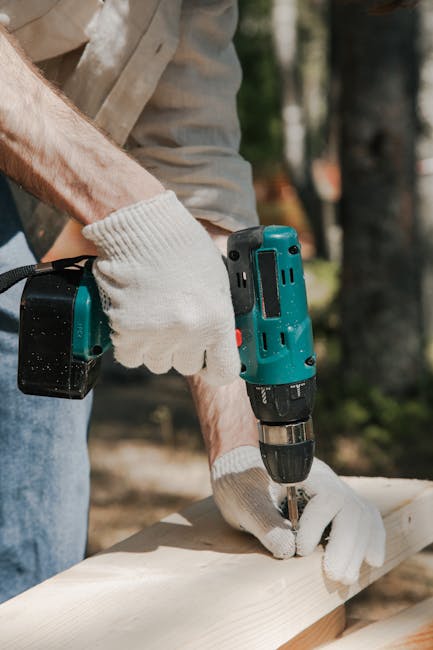
Handheld power tools are the most common type you might consider bringing on a trip. They are compact, convenient, and usually versatile. These tools include drills, saws, and grinders that can easily fit into your luggage. However, their portability doesn't mean they're always allowed on planes. Always check with your airline for specific regulations. Have you ever had to leave a favorite tool behind because it wasn't allowed? It pays to plan ahead.
Battery-operated Tools
Battery-operated tools offer the freedom of movement without the hassle of cords. They're ideal for quick tasks and remote jobs where outlets are scarce. You might think they’re the perfect travel companion, but airlines have strict rules about batteries. Lithium-ion batteries, common in these tools, are often restricted in checked luggage. Make sure to pack them in your carry-on. Have you ever arrived at your destination only to realize your tool's battery is dead? It's a good idea to check the charge before you leave.
Corded Tools
Corded tools are known for their consistent power and reliability. They can handle demanding tasks without the worry of running out of battery. However, their cords can make packing tricky. You might need to consider the voltage and plug types at your destination. Have you ever struggled to find an adapter for your tool's plug? It's worth checking these details before you fly. Plus, the weight and size of corded tools can affect your luggage allowance. Always weigh your options carefully. Understanding the types of power tools can make your travel experience smoother. Each type has its pros and cons, especially when it comes to airline regulations. By knowing what to expect, you can avoid surprises and focus on the job at hand. What tools are essential for your next trip?
Safety Concerns
Flying with power tools can be a bit of a puzzle, especially when safety is concerned. You might find yourself wondering, "Can I check in power tools on a plane without any issues?" Airports and airlines have specific regulations to ensure safety for everyone onboard, and understanding these rules can make your journey smoother. Let's dive into the safety concerns you should be aware of when traveling with power tools.
Hazardous Materials
Power tools often come with batteries, fuel, or other components that might be considered hazardous. Lithium-ion batteries, for example, can pose a risk due to their potential to overheat or cause a fire. Airlines have strict rules about these materials. Typically, batteries should be kept in your carry-on. Are you prepared to manage this while packing?
Items like gas-powered tools need special attention. Fuel must be completely drained before you pack the tool. Imagine the complications if a leak happens mid-air! It's crucial to check with your airline regarding specific hazardous material guidelines.
Packaging Requirements
Proper packaging is not just about fitting everything into your suitcase. It’s about ensuring safety and compliance with airline regulations. Tools should be securely packed to prevent accidental activation. This means you might need to invest in a hard case or special protective covers.
Consider labeling your tools clearly. Clear labeling helps security personnel understand what’s inside without opening everything up. This can save you time and hassle at security checks. Wouldn't it be great to breeze through security instead of being stopped for extra inspection?
Traveling with power tools can be straightforward with a little preparation. By understanding the safety concerns and packaging requirements, you can ensure a hassle-free journey. Remember, each airline may have slightly different rules, so always check beforehand. Ready to take your tools on your next adventure?
Tips For Traveling With Power Tools
Traveling with power tools can be a bit challenging. Security regulations vary, and knowing how to pack them is crucial. Here are some practical tips to ensure a smooth journey with your power tools.
Packing Strategies
Secure each tool individually to prevent damage. Use sturdy cases with padding to protect your tools. Remove any attachments to save space. Place smaller tools in zip-lock bags to keep them organized. Ensure batteries are detached and stored separately. This reduces the risk of accidental activation.
Documentation Needed
Keep all receipts and manuals for your tools handy. Some airports might ask for proof of purchase. Providing this can ease the security process. Check the airline's policy on power tools before departure. Some airlines have specific guidelines. Knowing these helps avoid last-minute surprises.
Alternatives To Checking Power Tools
Flying with power tools can be tricky due to airline regulations. Consider shipping them instead for convenience. Check with your airline for specific rules.
When planning a trip, figuring out how to manage your power tools can be a challenge. While checking them on a plane might seem convenient, there are alternative methods that can save you the hassle and potential fees. Let's explore some practical solutions that ensure you have what you need without the airport stress.
Shipping Options
Shipping your power tools can be a stress-free alternative. Many courier services offer door-to-door delivery, which can be particularly useful if your destination is a construction site or a remote location. Consider using a reliable shipping company like FedEx or UPS that offers tracking services. This way, you can monitor the whereabouts of your tools in real-time, providing peace of mind and ensuring they arrive when you need them. Have you ever thought about using a regional carrier? They might offer better rates and personalized service, especially if you're shipping within the same country. Regional carriers often have more flexible schedules and can cater to specific delivery needs.
Rental Services
Renting tools at your destination is another great option. This not only saves on baggage fees but also reduces the risk of damage to your equipment during transit. Many cities have local rental services that offer a wide range of tools for both short and long-term use. Companies like Home Depot or local hardware stores often provide rental options, allowing you to pick up tools as soon as you arrive. Have you considered the benefits of trying newer models? Renting can give you access to the latest technology without the upfront costs. This can be a great opportunity to test out new tools and see if they fit your needs before purchasing. These alternatives offer practical solutions to the challenges of traveling with power tools. Which option aligns best with your travel plans?
Frequently Asked Questions
Can You Fly With Power Tools In Luggage?
Yes, you can fly with power tools. They must be packed in checked luggage. Ensure they're securely packed to prevent damage. Always check airline-specific regulations, as they can vary. Remember, tools with lithium batteries require special attention. Consult the TSA guidelines for the most accurate information.
Are Power Tools Allowed In Carry-on Bags?
No, power tools aren't allowed in carry-on bags. They pose security risks and can be dangerous. Always pack them in checked luggage. Battery-operated tools might need special handling. Check airline policies before flying. Ensure compliance with TSA rules to avoid problems at security checkpoints.
What Is Tsa Policy On Power Tools?
The TSA policy requires power tools in checked luggage. Carry-on restrictions apply due to safety concerns. Battery-powered tools need special handling. Always check TSA guidelines for updates. Different airlines may have additional rules. Proper packing is crucial for tool safety during travel.
How To Pack Power Tools For Flying?
Pack power tools securely in checked luggage. Use sturdy cases or boxes to prevent damage. Remove batteries if possible. Secure loose parts to avoid movement. Follow airline and TSA guidelines. Proper packing ensures tools arrive safely. Always check for specific airline requirements before traveling.
Conclusion
Traveling with power tools can seem tricky. But it’s manageable. Airlines allow tools in checked bags. Just follow size and weight limits. Security rules must be respected. Pack tools securely to avoid damage. Batteries might need special attention. Check airline guidelines before you travel.
This prevents surprises at the airport. Remember, preparation helps a smooth journey. Knowing rules makes travel easier. Take time to plan ahead. Happy travels with your power tools!