Are your power tools scattered all over your workspace? Do you find yourself spending more time searching for the right tool than actually using it?
A cluttered tool area not only wastes time but can also lead to frustration and inefficiency. Imagine a world where every tool has its place, and you can easily access what you need, when you need it. Organizing your power tools doesn't have to be a daunting task.
With a few simple strategies, you can transform your chaotic workspace into a streamlined haven of productivity. Keep reading to discover practical tips and tricks that will not only save you time but also make your projects more enjoyable. Your path to an organized workspace starts here.
Choosing The Right Storage Solutions
Finding the right storage solution for your power tools can be a game changer in your workspace. It not only saves you time but also extends the life of your tools by keeping them organized and protected. With various options available, choosing the right one can seem daunting. Let’s dive into some practical storage solutions that can help you keep your tools organized and easily accessible.
Wall Mounted Racks
Imagine walking into your garage and seeing your drills, saws, and sanders neatly lined up on a wall. Wall mounted racks offer a fantastic way to store your tools vertically, saving floor space. They’re ideal for those with smaller work areas or those who prefer a minimalistic look.
These racks allow you to grab your tools quickly without rummaging through drawers. Consider racks with adjustable hooks or shelves to accommodate different sizes of tools. You’ll find it much easier to keep track of your inventory and ensure everything has its place.
Tool Cabinets And Chests
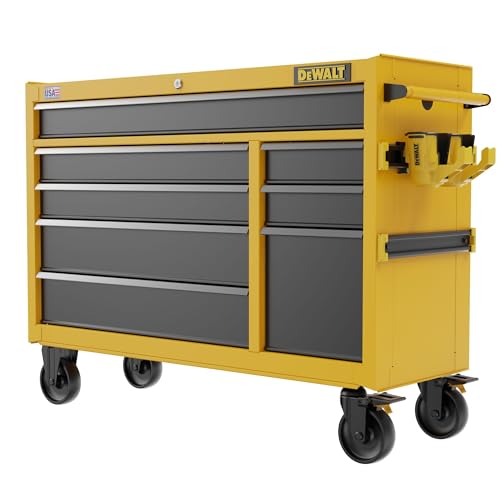
Tool cabinets and chests are perfect for those who have a large collection of tools. They provide ample space and are designed to hold heavier equipment securely. With multiple drawers and compartments, you can categorize your tools based on function or frequency of use.
Have you ever spent hours searching for that one elusive screwdriver? A well-organized tool chest can eliminate this frustration. Label the drawers to quickly find what you need. Consider investing in a wheeled cabinet for easy movement around your workspace.
Pegboards And Slatwalls
Pegboards and slatwalls offer a versatile and customizable solution for tool storage. These options let you arrange your tools in any configuration you prefer, making it easy to adapt as your collection grows. You can hang tools, baskets, or bins to hold smaller accessories.
Personalize your pegboard by painting it to match your workspace aesthetic or keep it simple for a clean look. Do you often misplace your tape measure or level? Keep these essential items within reach by dedicating a spot on your pegboard. The visual organization lets you see everything at a glance, reducing the time spent searching for tools.
Choosing the right storage solution depends on the size of your tool collection and the space you have available. Which option do you think will best suit your needs and help you keep your tools organized?
Categorizing Power Tools
Organizing power tools can feel like a daunting task. Proper categorization helps maintain order and efficiency. It's not just about neatness; it's about finding tools quickly. Let's explore how to categorize them effectively.
By Functionality
Grouping tools by functionality simplifies your workspace. Place all drilling tools together. Group saws in a separate section. This method saves time when you need a specific tool. It also helps in identifying missing tools. A well-organized space boosts productivity.
By Frequency Of Use
Tools you use often should be easily accessible. Place them at eye level or on a workbench. Tools used less frequently can go in cabinets or higher shelves. This arrangement minimizes unnecessary movements. It keeps your workspace efficient and tidy.
By Size And Weight
Heavy tools should be stored on lower shelves. This prevents accidents and injuries. Lightweight tools can go on higher shelves. This method ensures stability and safety in your workspace. It also makes your storage area look organized and balanced.
Labeling For Easy Identification
Proper labeling is the unsung hero of power tool organization. It’s the difference between spending minutes searching for the right tool and grabbing it instantly. Imagine the satisfaction of knowing exactly where your drill bits or saw blades are without rummaging through drawers. Here's how you can make that a reality with some simple yet effective labeling techniques.
Using Color Codes
Color coding is a game-changer for quick identification. Assign specific colors to categories of tools. Red could be for cutting tools, blue for measuring devices, and green for drills. This visual cue speeds up the process of locating tools.
Think about how much time you could save if your eyes instantly recognized the category by color. It’s not just practical; it adds a splash of personality to your workspace. Perhaps you’ve already tried labeling but found it tedious. Color coding cuts the hassle and makes it fun.
Creating Custom Labels
Custom labels give you more control over your organization. While color coding is great, custom labels can be specific. Use a label maker or printable stickers to tag each tool with its name and function. You could even add maintenance tips.
A friend once labeled his entire tool collection. He found that adding usage frequency helped him prioritize tool placement. Consider what details would help you most. Would it be the tool’s purpose or perhaps the last time it was serviced?
Digital Tracking Options
If you’re tech-savvy, digital tracking is a modern twist on labeling. Use apps or spreadsheets to track tool locations and usage. Imagine knowing which tool is loaned out or when you last replaced a battery.
Digital tracking is particularly useful if you’re managing a large collection or sharing tools with others. It’s a way to ensure you never lose track. Have you ever lent a tool and forgotten who borrowed it? Digital logs prevent that mystery.
Labeling your power tools might seem like a minor task, but it’s a cornerstone of efficient organization. Which method will you try first? Whether you opt for color codes, custom labels, or digital solutions, each has its unique advantages. Dive in and transform your tool chaos into a streamlined, efficient setup.
Maintenance And Cleaning
Keeping power tools clean ensures their longevity and performance. Regular maintenance prevents rust and wear. A simple cleaning routine can make your tools last longer. It also keeps them safe to use.
Let's explore essential maintenance steps. These include cleaning, inspection, and storage.
Regular Cleaning Protocols
Dust and debris can damage power tools. Wipe them down after each use. Use a soft, dry cloth. For stubborn dirt, a damp cloth works best. Avoid soaking tools in water. Moisture can harm electrical parts.
Compressed air helps remove dust from vents. Ensure tools are unplugged before cleaning. Safety first!
Inspecting For Damage
Regular checks prevent bigger problems. Look for cracks or loose parts. Check cords for wear and tear. Replace damaged parts immediately.
Listen for unusual sounds. A noisy tool might need repair. Never ignore these warning signs.
Proper Storage Conditions
Store power tools in a dry place. Avoid damp areas. Moisture leads to rust and damage. Use toolboxes or cabinets for safe storage.
Keep tools organized. This prevents them from falling or getting damaged. Use shelves or pegboards for easy access.
Safety Considerations
Organizing power tools is crucial for a safe work environment. Safety considerations are vital to prevent accidents and ensure proper handling. This involves several aspects that should not be overlooked.
Preventing Accidents
Always keep your tools in good condition. Regularly inspect for signs of wear or damage. Store them neatly to avoid tripping hazards. Hang tools or use shelves to keep them off the floor.
Ensure heavy tools are stored at waist height. This prevents strain or injury when lifting. Label storage spaces clearly for easy identification. This minimizes the time spent searching for tools.
Childproofing Storage Areas
Keep tools out of children's reach. Install locks on cabinets or storage areas. Use high shelves or locked boxes for smaller items. This reduces the risk of accidents involving children.
Educate children about the dangers of tools. Encourage them to stay away from workspaces. Set clear boundaries to ensure their safety.
Handling Hazardous Materials
Some tools use hazardous materials. Store these materials according to safety guidelines. Use proper containers to prevent leaks or spills.
Label all hazardous materials clearly. Ensure ventilation in storage areas. This helps reduce the risk of inhaling harmful fumes.
Enhancing Accessibility
Organizing power tools boosts efficiency. Easy access is key. No more wasted time. Streamlined setups mean quicker work. Let's explore how to enhance accessibility.
Optimizing Workspace Layout
A well-organized workspace saves time. Position tools within arm's reach. Group similar tools together. Use a clear labeling system. A clean layout reduces confusion. It also prevents accidents.
Incorporating Mobile Solutions
Mobile solutions add flexibility. Use tool carts on wheels. Move tools where needed. Keep essential items in mobile toolboxes. This setup adapts to different tasks. It also saves space.
Adjustable Shelving Options
Adjustable shelves fit various tools. Customize heights based on tool size. Use sturdy materials for support. Shelves maximize vertical space. Easy adjustments keep the setup flexible.
Frequently Asked Questions
How Do I Categorize Power Tools Effectively?
Start by grouping power tools based on their function and frequency of use. Keep similar tools together, such as drills with drill bits. Use labeled bins or shelves for easy access. This method not only saves time but also helps maintain a clutter-free workspace.
What Are The Best Storage Solutions For Power Tools?
Consider using pegboards, wall-mounted racks, or toolboxes for efficient storage. Pegboards allow easy visibility and access. Wall-mounted racks save floor space, and toolboxes offer portability. Choose solutions based on your workspace size and tool collection. This ensures your tools are organized and protected.
How Often Should I Clean My Power Tools?
Clean your power tools after each use to maintain their functionality. Remove dust and debris with a soft cloth or compressed air. Regular cleaning prevents damage and prolongs tool life. This practice ensures your tools are ready for the next project and keeps them in optimal condition.
What Safety Tips Should I Follow When Organizing Tools?
Always unplug power tools before organizing them to avoid accidental activation. Use proper storage solutions to prevent falls or damage. Keep sharp tools in protective cases or sheaths. Labeling and clear organization reduce confusion and enhance safety in your workspace.
Prioritize safety to prevent injuries.
Conclusion
Organizing power tools keeps your workspace tidy and efficient. Store tools in labeled boxes for easy access. Use pegboards to hang frequently used items. Shelves can hold heavier equipment safely. Regular checks prevent clutter and ensure tools are in good condition.
A clean space boosts productivity and safety. Invest in organization solutions that fit your needs. Keep your area clear and tools ready for use. Simple steps make a big difference in your daily projects. Enjoy a neat, functional workspace with everything in its place.
Stay organized and make your tool time enjoyable.