
Must Have Hand Tools.
Imagine being in the middle of a home project, ready to tackle a leaky faucet or assemble that piece of furniture you've been eyeing for months. Suddenly, you realize you're missing the one essential tool you need to get the job done.
Frustrating, right? You don't have to be a professional handyman to appreciate the power of having the right hand tools at your disposal. These must-have hand tools are the backbone of any toolkit, transforming you from just another DIY enthusiast into a confident problem solver.
Whether you're tightening a loose screw or crafting something new, having the right tools can make all the difference. We'll dive into the essential hand tools you should never be without, ensuring you're always prepared for any task that comes your way. Ready to take control of your projects with ease and efficiency? Let’s get started.
Hammer Varieties
When it comes to essential hand tools, hammers top the list. They are versatile and come in various types for different tasks. Understanding these varieties helps in choosing the right tool for the job. Below, we explore two common hammer types that every toolbox should have.
Claw Hammer
The claw hammer is a staple in many households. It features a flat head for driving nails into wood. The opposite side has a curved claw. This claw is used to remove nails efficiently. The handle is often made of wood, fiberglass, or metal. Choose one with a comfortable grip. It's perfect for general carpentry, woodworking, and simple DIY tasks. Its balance and design make it user-friendly for beginners.
Ball Peen Hammer
The ball peen hammer is essential for metalworking. It has a rounded end opposite the flat striking surface. This rounded end shapes metal without damaging it. It's commonly used in automotive and industrial applications. The handle is usually made from wood or fiberglass. This hammer is durable and designed for heavy-duty tasks. Always wear safety gear when using it. Its precision and strength make it valuable for professionals.
Screwdrivers
Essential for any toolbox, screwdrivers are a must-have hand tool. They tighten or loosen screws quickly and easily. Ideal for home repairs or assembling furniture, their versatility is unmatched.
Screwdrivers are essential hand tools you need in your toolkit. They come in various shapes and sizes, each serving a different purpose. Whether you're assembling furniture or fixing an appliance, having the right screwdriver can make your task easier and more efficient.
Flathead Screwdriver
A flathead screwdriver, also known as a slotted screwdriver, is a must-have. Its simple design features a flat blade that fits into the single slot of flathead screws. This type of screwdriver is versatile and works well for tasks like tightening loose cabinet handles or opening paint cans. Have you ever tried to use a butter knife to unscrew something? It's tempting but not safe. A flathead screwdriver provides better grip and control, reducing the risk of damaging the screw or hurting yourself. Keep one in your toolbox for those moments when you need to quickly tighten or loosen a flathead screw.
Phillips Screwdriver
The Phillips screwdriver is another essential tool. It has a cross-shaped tip designed to fit into the cross slots of Phillips screws. This design offers a better grip compared to flathead screwdrivers, making it ideal for tasks requiring more torque. Imagine you're assembling a piece of furniture, and the instructions call for Phillips screws. Using the correct Phillips screwdriver ensures the screws go in smoothly and stay secure. Have a set with different sizes, as Phillips screws come in varying dimensions. This will save you time and frustration, ensuring you always have the right size at hand. Both flathead and Phillips screwdrivers are fundamental to any toolkit. Consider the tasks you frequently undertake and ensure you have the right screwdrivers to handle them. What tasks have you struggled with in the past due to not having the correct screwdriver? Investing in these tools can make your DIY projects more enjoyable and less stressful.
Wrenches And Spanners
Essential hand tools for any toolkit include wrenches and spanners. These versatile tools tighten or loosen nuts and bolts. Perfect for home repairs and automotive tasks, they come in various sizes to fit different needs.
Wrenches and spanners are essential tools for any DIY enthusiast or professional mechanic. They are indispensable in tightening or loosening bolts and nuts. Whether you're setting up a new piece of furniture or fixing a leaky pipe, having the right wrench or spanner on hand can make all the difference.
Adjustable Wrench
The adjustable wrench, often referred to as a crescent wrench, is a versatile tool that everyone should have in their toolbox. Its jaw width can be adjusted to fit a variety of bolt sizes, making it an all-purpose solution for your repair needs. Imagine you're working on a project and encounter a bolt of an unexpected size. Instead of scrambling through a pile of fixed-size wrenches, you simply reach for your adjustable wrench. It saves you time and effort, and keeps your project on track. Have you ever considered how much space you save by owning just one adjustable wrench instead of a dozen fixed sizes? It's both a practical and economical choice. Don't overlook this handy tool when assembling your tool collection.
Socket Wrench
A socket wrench, or ratchet, is another must-have hand tool known for its efficiency and ease of use. It consists of a handle and interchangeable sockets that fit over different sizes of nuts and bolts. Picture yourself working on your car's engine. Tight spaces make it difficult to maneuver a regular wrench. A socket wrench lets you work in tight spots with ease, thanks to its ratcheting mechanism that allows continuous turning without removing the tool. The convenience of socket sets is unmatched. With a range of socket sizes, you can tackle various tasks with confidence. Have you ever tried changing a tire without one? It's a game changer. When choosing hand tools, think about the tasks you'll tackle. The right wrench or spanner can make your DIY projects smoother and more enjoyable. Which tool will you add to your collection next?
Pliers
Pliers are versatile hand tools used in various tasks. They grip, twist, bend, and cut wires. Their design allows for precision and control. Every toolbox should include different types of pliers. They serve unique purposes.
Needle Nose Pliers
Needle nose pliers have long, pointed jaws. They reach into tight spaces easily. Electricians and jewelers often use them. Their slim design makes them ideal for delicate tasks. They grip small objects with precision. These pliers are also useful for bending wires. They handle detailed projects well.
Slip Joint Pliers
Slip joint pliers are adjustable. They have a pivot point that allows for jaw adjustment. This feature helps in gripping various sized objects. Slip joint pliers are great for general use. They tighten bolts and grip pipes. Their versatility makes them a staple in many toolboxes. They are perfect for quick repairs.
Measuring Tools
Measuring tools are the backbone of precision in any DIY project. They ensure that your creations are not just functional but also aesthetically pleasing. Whether you're building a bookshelf or hanging a picture frame, accurate measurements can make or break your project. Let's delve into two essential measuring tools that should be in every toolbox.
Tape Measure
A tape measure is your best friend when it comes to getting dimensions right. It's versatile and can measure anything from a piece of wood to the space for your new sofa. Most tape measures come with both metric and imperial units, so you'll always have the right measurement at your fingertips.
Imagine building a table and realizing it's too large for your dining room. With a tape measure, you can avoid such mishaps by measuring twice and cutting once. Look for a tape measure with a lock feature; it keeps the tape in place while you note down the measurement.
Wondering how to measure long distances? Consider a tape measure with a retractable blade that extends up to 25 feet or more. It saves you from juggling multiple tools, ensuring you get it right the first time.
Spirit Level
A spirit level is crucial for ensuring your projects are perfectly aligned. It uses a bubble in a liquid-filled vial to determine the levelness of a surface. Whether you're hanging a shelf or installing cabinets, a spirit level ensures everything is straight and true.
Have you ever stepped back from a project only to realize it's slightly tilted? A spirit level can save you from this headache. Choose one with a magnetic strip if you’re working with metal surfaces; it frees up your hands for other tasks.
Consider a spirit level with multiple vials for checking vertical, horizontal, and 45-degree angles. This tool helps you achieve professional results, making your home projects look polished and well-executed.
Incorporating these measuring tools into your DIY toolkit not only enhances accuracy but also boosts your confidence in tackling projects. What measuring tools do you rely on for your projects? Share your thoughts and experiences in the comments below!
Cutting Tools
Every DIY enthusiast knows the importance of having the right tools in their toolbox, and cutting tools are no exception. Whether you're a weekend warrior tackling home improvement projects or a professional tradesperson, cutting tools play an essential role. They allow you to shape, trim, and modify materials with precision. Let’s dive into two must-have cutting tools: the utility knife and the hacksaw.
Utility Knife
The utility knife is a versatile tool that every toolbox should have. It’s perfect for a wide range of cutting tasks, from trimming wallpaper to opening boxes. Its sharp blade can glide through tough materials with ease.
What makes the utility knife a favorite is its retractable blade feature, ensuring safety when not in use. Have you ever tried to cut a straight line on thick cardboard? The utility knife's ergonomic design offers a firm grip, making such tasks effortless.
For optimal performance, keep the blades sharp and change them regularly. A dull blade can cause more harm than good, leading to uneven cuts and potential accidents. Have you checked the condition of your utility knife lately?
Hacksaw
If you’ve ever had to cut through metal or plastic pipes, you know the hacksaw is indispensable. It’s designed with a sturdy frame and replaceable blades, making it adaptable for different cutting needs. The fine-toothed blade ensures a precise cut, even on the toughest materials.
Consider the last time you needed to make a detailed cut on metal tubing. A hacksaw allows for controlled cutting, reducing the chances of damaging the material. It’s a tool that combines power with precision.
Regularly inspect the blade tension and replace worn-out blades to maintain efficiency. Have you experienced the frustration of using a hacksaw with a loose blade? It’s a reminder of the importance of tool maintenance.
Investing time in understanding and maintaining your cutting tools can greatly enhance your DIY projects. So, what cutting task will you tackle next with confidence?
Fastening Tools
Fastening tools are essential for any toolbox. They help join materials securely. These tools ensure that parts stay together firmly. Whether assembling furniture or fixing a loose hinge, having the right fastening tools makes tasks easier. Let's explore some must-have fastening tools for your collection.
Allen Keys
Allen keys, also known as hex keys, are compact and versatile. They fit into hexagonal sockets and fasten bolts and screws. These keys come in various sizes for different tasks. They are perfect for assembling flat-pack furniture or tightening bicycle parts. Their simple design makes them easy to use. A set of Allen keys is a staple in any toolbox.
Staple Gun
A staple gun is a powerful fastening tool. It is used for attaching materials like fabric, wood, or wire. It works by driving metal staples into a surface. This tool is perfect for home repairs, upholstery, and crafting projects. It is available in manual, electric, and pneumatic versions. A staple gun ensures a secure hold with minimal effort. It's an indispensable tool for DIY enthusiasts.
Drilling Tools
Drilling tools are essential for any toolkit. They create holes in wood, metal, or plastic. Choosing the right drill can make your tasks easier. Let's explore two popular options.
Manual Hand Drill
The manual hand drill is a classic tool. It requires no electricity. You turn the handle to create holes. This drill is perfect for small projects. It's lightweight and easy to use. A manual hand drill is ideal for precise control. You can use it for delicate materials. It is also quieter than powered drills.
Cordless Drill
The cordless drill offers more power. It runs on batteries. This drill is versatile and efficient. It is suitable for bigger projects. You can use it without worrying about cords. The cordless drill is portable. You can take it anywhere. It often comes with multiple speed settings. This feature allows you to adjust for different tasks.
Safety Gear
When working with hand tools, safety gear is essential. It protects you from potential hazards and ensures a safe working environment. Wearing the right safety gear can prevent accidents and injuries. Let's focus on two important pieces of safety gear: safety glasses and work gloves.
Safety Glasses
Safety glasses shield your eyes from flying debris and dust. They are crucial when cutting, drilling, or hammering. Choose glasses that fit well and offer good coverage. Look for those with anti-fog and scratch-resistant features. This keeps your vision clear. Always inspect your safety glasses for any damage. Replace them if they are scratched or broken. Wearing safety glasses can save your eyes from potential harm.
Work Gloves
Work gloves protect your hands from cuts and scrapes. They also provide a better grip on tools. Select gloves that fit snugly and are made from durable material. Leather gloves are great for heavy-duty work. For tasks needing precision, use gloves with a thinner material. Always check your gloves for holes or tears. Replace them if worn out. A good pair of gloves can make your work safer and more comfortable.
Tool Storage
Organizing your hand tools effectively can transform your DIY projects. Proper tool storage not only keeps your workspace tidy but also ensures you can grab the right tool at the right moment. Without the right storage solutions, even the best tools can become a source of frustration. Let's explore some practical ways to keep your tools organized and accessible.
Toolbox
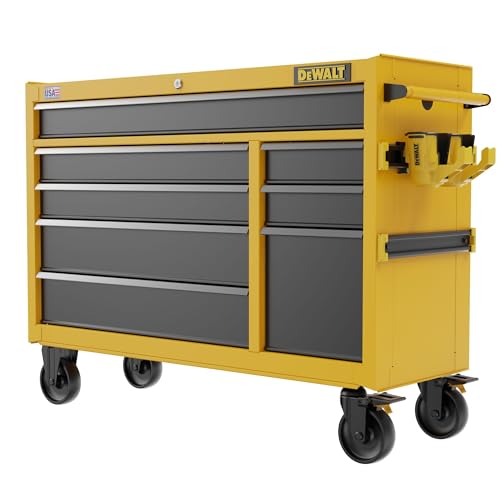
A toolbox is essential for any tool enthusiast. It's like the mobile home for your hand tools. Whether you work in your garage or carry tools to various job sites, a sturdy toolbox keeps your gear secure and organized.
Consider investing in a toolbox with multiple compartments. This allows you to separate screws, nails, and small tools, preventing a chaotic mess when you're in the middle of a project.
Have you ever spent more time searching for a tool than actually using it? A well-organized toolbox solves that problem. Choose one with a durable handle and lockable latches to keep your tools safe and easy to transport.
Pegboard
A pegboard is a game-changer for organizing tools in your workshop. Mounting it on the wall provides a neat display, allowing you to easily see and access each tool. It's perfect for those who prefer visual organization.
Start by categorizing your tools on the pegboard. Hang wrenches, hammers, and pliers in designated spots. This not only saves space but also makes it easy to spot a missing tool.
Personal experience tip: Arrange your tools based on frequency of use. Place frequently used tools at eye level for quick access. This way, you're not stretching or bending unnecessarily, making your work more efficient.
Ever thought about adding labels to your pegboard hooks? Labeling can guide you to the exact spot without second-guessing. What would you do with the extra time saved from not hunting for tools?
Tool storage is more than just keeping things tidy—it's about efficiency and peace of mind. With the right toolbox and pegboard setup, you'll spend less time searching and more time creating. How do you plan to optimize your tool storage?
Frequently Asked Questions
What Are Essential Hand Tools?
Essential hand tools include a hammer, screwdrivers, pliers, and wrenches. These tools are versatile for various tasks. A tape measure and utility knife are also crucial. They provide precise measurements and cutting capabilities. Investing in quality tools ensures durability and efficiency for DIY projects.
Why Are Hand Tools Important?
Hand tools are vital for precise and manual tasks. They offer control and versatility in various projects. Unlike power tools, they are portable and easy to use. Hand tools require no power source, making them reliable. They are essential for repairs, crafting, and maintenance tasks.
How To Maintain Hand Tools?
To maintain hand tools, clean them after each use. Remove dirt and debris to prevent rusting. Store them in a dry, organized space. Regularly inspect for wear and damage. Sharpen blades and tighten loose parts as needed. Proper maintenance extends the lifespan of your tools.
What Are Safety Tips For Using Hand Tools?
Always wear protective gear, like gloves and goggles, when using hand tools. Ensure tools are in good condition before use. Use the right tool for the task to avoid accidents. Keep your workspace clean and organized. Follow manufacturer instructions and replace damaged tools immediately.
Conclusion
Hand tools simplify tasks. They're essential for every DIY enthusiast. With the right tools, projects become easier and more fun. A sturdy hammer, reliable screwdriver, and versatile wrench make a great start. Quality matters. Investing in durable tools saves time and effort.
Remember, safety first. Proper handling prevents accidents. Keep tools organized. It saves you from searching and keeps your workspace tidy. Choose the tools that fit your needs. Start small, build your collection over time. Enjoy the satisfaction of completing tasks on your own.
Happy tool hunting!