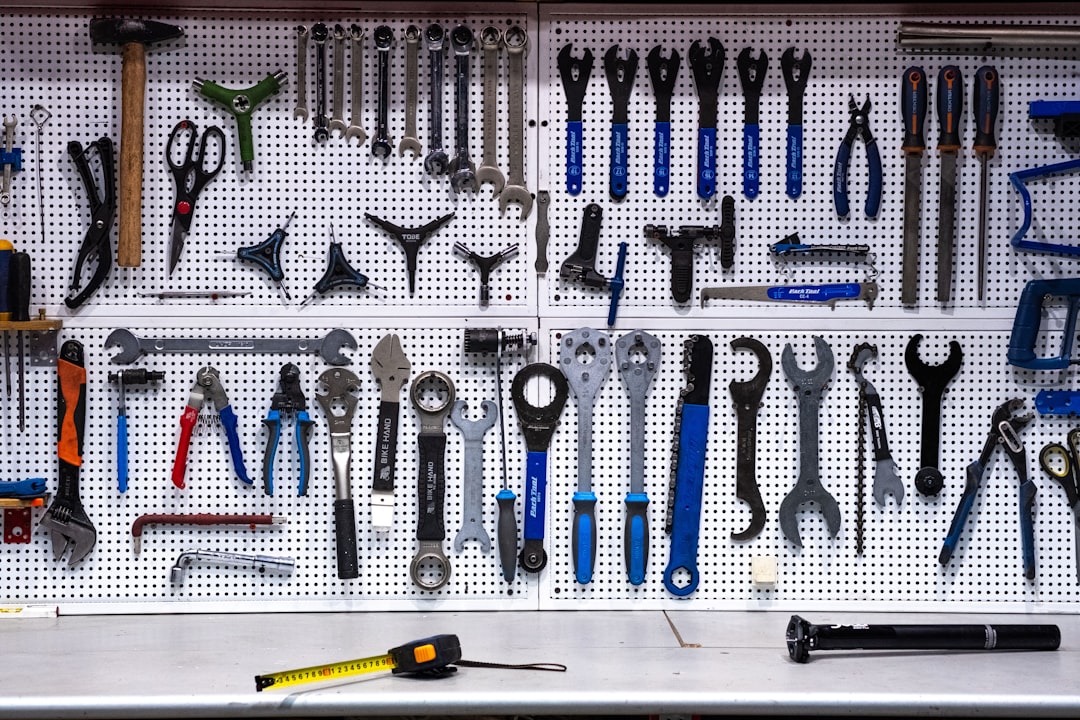
Are you tired of spending more time searching for your tools than actually using them? Imagine starting your next DIY project with everything you need right at your fingertips.
Keeping your tools organized not only saves you time but also reduces stress, boosts productivity, and makes your workspace safer. Picture your garage or shed transformed into a neat haven where every tool has its place. How much easier would your projects be?
In this guide, you'll discover simple, effective strategies to keep your tools tidy and accessible, making your life a whole lot easier. Ready to revolutionize your workspace? Let's dive in and unlock the secrets to a clutter-free tool collection.
Benefits Of An Organized Workspace
An organized workspace offers numerous benefits that enhance productivity. It reduces stress and saves time. When tools are organized, you can focus better. You can complete tasks efficiently. Discover how this simple habit can improve your daily life.
1. Enhanced Productivity
Finding tools quickly boosts productivity. You spend less time searching. This allows more time for actual work. A tidy workspace means fewer distractions. This helps maintain focus and efficiency.
2. Reduced Stress
Clutter causes stress. An organized workspace calms the mind. Knowing where everything is located gives peace of mind. It creates a sense of control in daily tasks.
3. Time Savings
Time is precious. An organized workspace saves time. No more hunting for misplaced tools. Tasks are completed faster. This leaves more time for other activities.
4. Improved Safety
Safety is crucial. An organized workspace prevents accidents. Tools in their places reduce hazards. A clean area minimizes the risk of injuries.
5. Better Tool Longevity
Proper storage extends tool life. It protects them from damage. Organized tools stay in good condition. This ensures they last longer and perform better.
Assess Your Current Tool Collection
Organizing tools starts with understanding what you own. Knowing your tool inventory helps identify duplicates and missing items. Begin by gathering all your tools in one place. This process sets the foundation for effective organization. It also helps you decide what you truly need.
Step 1: Gather All Tools
Collect every tool from your garage, shed, or workspace. Place them where you can see each item. This makes it easier to evaluate your collection. Seeing everything together can be eye-opening. You might find tools you forgot about.
Step 2: Categorize Your Tools
Sort your tools into categories like power tools, hand tools, and gardening tools. Group similar items together. This helps you understand what you have in each category. Categorization simplifies the next steps in organizing. It also makes finding tools easier later.
Step 3: Check For Duplicates
Look for duplicates among your tools. Many people have more than one of the same tool. Decide if you need multiple copies. Keeping duplicates can waste space. Consider donating or selling extras.
Step 4: Identify Missing Tools
Make a list of tools you often need but don't have. Think about projects you struggled with due to missing tools. This list helps you plan future purchases. Identifying gaps can improve your tool collection.
Step 5: Evaluate Tool Condition
Examine each tool's condition. Check for rust, damage, or wear. Decide if tools need repairs or replacements. Keeping broken tools can hinder your work. Ensure all tools are in good working order.
Categorize And Group Tools
Keeping your tools organized can make your projects flow smoothly and efficiently. Imagine having all your tools at your fingertips, ready for action. One effective strategy for achieving this is to categorize and group your tools based on their types and functions. This approach ensures that you can find what you need quickly without rummaging through cluttered drawers or chaotic toolboxes. Let's explore how you can categorize and group your tools for better organization.
Power Tools
Power tools often have specific storage needs due to their size and weight. Consider dedicating a cabinet or shelf solely for these tools. Arrange them by type—drills, saws, sanders—so you know exactly where to reach. Label the shelf or cabinet to keep things straightforward. Store cords neatly to avoid tangles; even a simple twist tie can work wonders. This setup not only saves time but also protects your tools from damage. Can you recall a time when you needed a power tool urgently but couldn't find it? Organizing them this way can spare you that frustration.
Hand Tools
Hand tools like hammers, screwdrivers, and pliers can quickly become scattered. Use toolboxes with compartments or pegboards to keep them in order. Group them by function—measuring tools, cutting tools, fasteners—so you can grab what you need without hesitation. Hanging them on a pegboard provides visibility and saves space. Think about the last project you completed; how much easier would it have been if you had all your hand tools neatly displayed and accessible?
Specialty Tools
Specialty tools, such as those used for plumbing or electronics, often require careful handling and storage. Create a dedicated space for these unique items. Consider using labeled bins or small drawers to keep them separate from general tools. For items like soldering kits or pipe wrenches, grouping them by task can streamline your workflow. How often do you find yourself searching for that one specialty tool amidst the clutter? Organizing them thoughtfully can transform your workspace into a haven of efficiency.
By categorizing and grouping your tools, you can transform your workspace into a more efficient and enjoyable environment. So, what are you waiting for? Start organizing today and experience the benefits of a well-arranged tool collection. You'll be surprised at how much more productive you can be when everything is in its right place.
Choosing The Right Storage Solutions
Keeping your tools organized helps you save time and maintain efficiency. The right storage solution makes a big difference. Consider how you use your tools daily. The right choice ensures everything is easy to find. Let's explore some storage options.
Toolboxes And Chests
Toolboxes and chests provide a compact storage option. They help in organizing hand tools neatly. Many come with compartments for small items. Choose one with a sturdy build for durability. Chests with wheels offer easy mobility. They are ideal for larger collections.
Wall-mounted Systems
Wall-mounted systems save floor space. They are great for garages or workshops. Pegboards are popular for hanging tools. Hooks and shelves add versatility. Arrange tools by type or size for quick access. This system keeps your workspace tidy.
Portable Storage Options
Portable storage options cater to those on the move. Tool bags and rolling cases are common choices. They offer flexibility and convenience. Look for models with multiple pockets. This helps in organizing tools systematically. Lightweight options ease transportation.
Labeling And Inventory Systems
Efficiently organize tools with labeling and inventory systems. Label each tool for easy identification. Keep track of inventory to ensure tools are available when needed.
Keeping your tools organized can save you time, reduce stress, and increase productivity. One of the most effective ways to maintain order is through labeling and inventory systems. These systems not only help you identify tools quickly but also ensure you know exactly what you have on hand. Let's explore some practical ways to implement these systems in your workspace.
Digital Inventory Apps
In this digital age, there are numerous apps designed to help you keep track of your tools. These apps can be a game-changer for anyone looking to streamline their organization process. Imagine having a digital catalog of all your tools at your fingertips. Many apps allow you to add photos, descriptions, and locations for each tool. This means you can easily find out if your hammer is in the garage or loaned to a friend. Plus, you can set reminders for when tools need maintenance or replacement. Have you tried using such an app, and if so, how did it change your organizing habits?
Diy Labeling Techniques
If digital isn't your style, DIY labeling can be just as effective. Start by using a simple label maker or even masking tape and a marker. Write clear, bold labels for each tool or tool box. This way, you'll always know what’s inside without opening each box. Create a color-coded system to differentiate between tool types or projects. For instance, use red labels for electrical tools and blue for plumbing. This visual cue helps you quickly find what you need. Have you considered how much time you could save by not having to search through unmarked boxes? Labeling and inventory systems can transform your workspace from chaotic to orderly. They're not just about aesthetics; they enhance efficiency and peace of mind. As you implement these techniques, you'll likely find that maintaining an organized tool collection is much easier than you thought.
Maintenance And Cleaning Routines
Organizing tools efficiently begins with regular maintenance and cleaning routines. Label shelves and boxes for easy identification. Keep tools in designated spots to save time and avoid misplacement.
Keeping your tools organized goes beyond just having a designated spot for each item. Maintenance and cleaning routines play a crucial role in ensuring your tools are not only easy to find but also in top working condition. When you invest time in regular maintenance, you're effectively extending the lifespan of your tools. But how can you make these routines a seamless part of your workflow?
Regular Tool Inspection
Inspecting your tools regularly can save you a lot of time and money. Schedule a weekly or monthly check-up depending on how often you use them. During inspection, look for signs of wear and tear, rust, or any loose parts. Ask yourself: Is this tool still safe and effective to use? If not, it might be time for a replacement or repair. Keep a small notebook or digital log to track the condition of each tool. This way, you’ll have a record of when a tool was last checked or serviced.
Cleaning Techniques
Cleaning your tools doesn't have to be a daunting task. Start with the basics: wipe down each tool with a clean cloth after every use. This simple habit can prevent the build-up of dirt and grime. For more stubborn dirt, warm soapy water or a specialized cleaning solution can do wonders. Consider using an old toothbrush for those hard-to-reach places. Keeping your tools clean not only helps them function better but also gives you a chance to spot potential issues early on. Do you have a particular cleaning hack that works wonders? Share it with fellow DIYers and learn from their tips too. By integrating these maintenance and cleaning routines into your tool management strategy, you're not just keeping things tidy. You're ensuring each tool is ready to perform at its best whenever you need it. What’s one change you can make today to improve your tool organization?
Creating A Workflow-friendly Layout
Organizing tools boosts productivity by creating a workflow-friendly layout. Assign specific places for each item. Use labels and containers to keep everything visible and within reach.
Creating a workflow-friendly layout is crucial for keeping your tools organized. The right layout not only saves time but also enhances productivity. It transforms your workspace from a cluttered mess into an efficient, intuitive environment. By considering factors like zoning and ergonomics, you can create a space that works with you, not against you.
Zoning Your Workspace
Think of your workspace as a city divided into zones. Each zone should serve a specific purpose. For instance, have a designated area for frequently used tools, so you can access them without searching. Consider creating a zone for storage, where less frequently used items can be kept. This minimizes distractions and keeps your primary workspace clear. Arrange zones logically—like placing your cutting tools near the measuring tools—to streamline your workflow.
Ergonomic Considerations
Ergonomics isn't just a buzzword; it's a lifesaver for your back and productivity. When setting up your workspace, think about how you can reduce strain. Are your tools at a comfortable height? Do you have to stretch awkwardly to reach them? Adjust your setup so that frequently used tools are within arm's reach. Consider using adjustable shelves or pegboards to keep everything at the right height. This simple tweak can drastically reduce physical discomfort during long work sessions. Have you ever finished a project and realized your back was sore from bending over too much? It’s a common mistake. By prioritizing ergonomics, you can finish your projects without the post-work ache. Creating a workflow-friendly layout is more than just tidying up. It's about crafting a space that makes your work more enjoyable and efficient. How will you reimagine your workspace for better organization and productivity?
Tips For Small Spaces
Organizing tools in small spaces can be easy with clever storage solutions. Use wall-mounted racks or pegboards to save floor space. Group similar items together for quick access and label containers for clarity.
Keeping tools organized in small spaces can be a challenging task. With limited room, clutter can quickly take over, making it difficult to find what you need when you need it. However, with some smart strategies, you can maximize your space and keep your tools neatly arranged. Let’s dive into some practical tips that can help you keep your tools organized even in the smallest of spaces.
Vertical Storage Ideas
Think upward, not outward. Using your wall space can free up floor space and make everything more accessible. Pegboards are a fantastic option; they're versatile and allow you to customize the layout as your collection grows. I once transformed a cramped garage corner with a simple pegboard, and suddenly, my tools were within arm’s reach and off the floor. Shelving units mounted high on the walls can store larger tools or bins of smaller items. Adding hooks underneath these shelves can create extra hanging space for lighter tools. Have you considered using the back of a door? Over-the-door racks can hold spray bottles, tape, and other small tools you frequently use.
Multipurpose Furniture
Furniture that serves more than one function is your ally in small spaces. Look for workbenches that have built-in drawers or shelves. This gives you a workspace and storage solution in one. I found a small bench with wheels that I could move around easily, doubling as a tool cart when needed. Ottomans or benches with storage compartments are perfect for keeping tools out of sight but within easy reach. Consider a coffee table with a lower shelf for holding toolboxes or bins. Do you have a stool that could double as a storage box? It’s all about finding pieces that serve dual purposes to make the most of your space. Using these tips, you can transform even the smallest area into a tidy, efficient tool haven. What creative storage solutions have you implemented in your space?
Sustainability In Tool Organization
Organizing tools sustainably benefits both the environment and your workspace. By choosing eco-friendly options, you reduce your carbon footprint. Sustainable practices also prolong the life of your tools. This means fewer replacements and less waste. Let's explore how to organize tools with sustainability in mind.
Eco-friendly Materials
Choose organizers made from renewable resources. Bamboo and reclaimed wood are excellent options. These materials are durable and biodegradable. Avoid plastic that harms the environment. Metal toolboxes last longer and can be recycled. Investing in quality, sustainable materials pays off over time.
Recycling And Reusing
Recycle old toolboxes instead of discarding them. Many materials can be repurposed or donated. Create new storage solutions from used items. Glass jars can hold screws and nails. Old shelves can become tool racks. Get creative and reduce waste by reusing what you have.
Frequently Asked Questions
How Can I Organize Tools In A Small Space?
Organizing tools in a small space involves using vertical storage solutions like pegboards or wall-mounted racks. Utilize stackable bins for smaller items and label them clearly. Consider compact toolboxes or drawer organizers to maximize efficiency. Regularly declutter to ensure only essential tools are stored, keeping the space tidy and functional.
What Are Effective Tool Storage Solutions?
Effective tool storage solutions include pegboards, shelves, and tool chests. Use magnetic strips for small metal tools and clear containers for visibility. Wall-mounted racks help save floor space. Labeling bins or drawers ensures easy access and identification. Combining these methods enhances organization and accessibility, creating a streamlined workspace.
How Often Should I Declutter My Tool Collection?
Declutter your tool collection every six months to maintain organization. Regular decluttering helps remove unused or duplicate items, freeing up space. Assess tool functionality during this process and discard broken ones. Keeping your collection minimal ensures easy access and prevents overcrowding, maintaining an efficient and orderly workspace.
Why Is Tool Organization Important?
Tool organization boosts efficiency and productivity by reducing time spent searching for items. It prevents loss and damage, extending tool lifespan. A well-organized space promotes safety by reducing clutter-related accidents. It enhances work quality by allowing easy access to the right tools, fostering a smoother workflow and stress-free environment.
Conclusion
Keeping tools organized boosts efficiency and saves time. A tidy workspace helps focus better on tasks. Regularly declutter your tool area. This reduces stress and confusion. Label shelves and boxes for easy access. It prevents misplacing important items. Store tools in designated spots after use.
This habit maintains order daily. Consider wall-mounted racks for extra space. They keep floors clear and safe. Invest in durable containers for long-term organization. Your future projects will thank you. Simple steps can lead to a more productive work environment.
Stay organized, stay efficient.