Ever wondered if your small power tools really need a workbench? This question might seem simple, but it can make a huge difference in your DIY projects.
Picture this: You’re in the middle of a project, your mind buzzing with creativity, and suddenly, your tool slips or your materials aren't steady. Frustrating, right? You might be thinking, "I manage just fine without one. " But what if a workbench could transform your workspace into a haven of efficiency and safety?
Imagine the ease and precision with every cut, drill, or sand. Your projects could not only become smoother but also more enjoyable. You'll discover whether a workbench is the missing piece in your DIY toolkit. You'll learn how it can enhance your workflow, boost your productivity, and even increase the quality of your finished projects. Stick around to uncover the benefits that could elevate your crafting experience and possibly save you from common frustrations. Ready to dive in?
Importance Of Work Benches
When working with small power tools, the importance of a workbench cannot be overstated. A workbench serves as the backbone of your workspace, providing stability and organization. It enhances your efficiency, making every task more manageable and precise.
Safety Considerations
Your safety should always be a top priority. A sturdy workbench offers a reliable surface, minimizing the risk of your tools slipping or falling. Imagine trying to cut a piece of wood without stable support. The chances of making a mistake increase, potentially leading to injury.
A workbench allows you to secure your materials properly. This ensures that your hands are free to operate your tools safely. Without a stable platform, the task can become a hazardous juggling act, distracting you from focusing on the job at hand.
Enhanced Precision
Precision is crucial when using small power tools. A workbench provides a flat, level surface that aids in achieving accurate cuts and measurements. Have you ever tried sawing a straight line without proper support? It often leads to uneven edges and wasted materials.
With a workbench, you can easily use clamps and guides. These tools help you maintain control and precision over your work. The end result is a cleaner, more professional finish that reflects your attention to detail.
Consider your workbench as an investment in your craftsmanship. It might seem like an unnecessary addition at first, but the improvements in safety and precision are undeniable. What small changes can you make to your workspace to enhance your tool operation?
Types Of Work Benches
Choosing the right work bench is vital for small power tool tasks. Work benches provide stability and safety. They improve precision. Not all work benches are the same. Each type serves different needs. Let's explore the types of work benches available.
Portable Work Benches
Portable work benches are easy to move. They are lightweight and foldable. These benches are ideal for small spaces. Users can store them conveniently. Despite their size, they offer sturdy support. Many come with adjustable features. This flexibility suits different tasks. Portable benches are perfect for on-the-go projects.
Fixed Work Stations
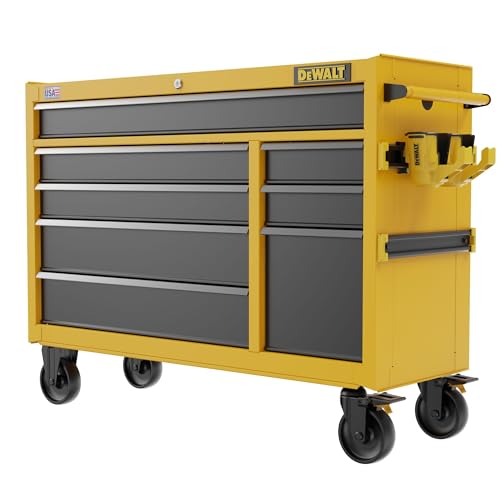
Fixed work stations are permanent fixtures. They offer maximum stability. These benches are robust and long-lasting. Ideal for heavy-duty tasks. Fixed stations often come with storage options. They keep tools organized and accessible. Though less flexible, they provide a solid work surface. Best suited for dedicated workspaces.
Choosing The Right Work Bench
Choosing the right work bench is crucial for small power tools. A good bench enhances efficiency and safety. It provides a stable surface for operations. Selecting one involves considering several factors. Let’s explore these essential aspects.
Space Requirements
Space availability determines the bench size. Measure your workspace first. Ensure there's enough room for movement. The bench should fit comfortably in your area. It should not obstruct other tools. Adequate space prevents clutter and accidents. Prioritize easy access to tools and materials.
Material And Build Quality
Material impacts the bench's durability. Wood is traditional and sturdy. Metal offers strength and stability. Consider the weight capacity of the bench. Heavy-duty materials support larger tools. Check for a smooth surface finish. This reduces wear on your tools. Look for sturdy legs and solid construction. Quality build ensures long-term use.
Alternatives To Work Benches
Operating small power tools doesn't always require a workbench. There are several alternatives that can suit your needs. These options can be practical and cost-effective. They can help you work efficiently in limited spaces. Let's explore some smart alternatives to traditional workbenches.
Using Floor Space
Clear floor space can serve as a makeshift work area. It requires minimal setup. Place a sturdy mat or old carpet for comfort. Ensure the space is well-lit. Keep tools within easy reach. Be mindful of safety. Always wear protective gear. This option is great for large or heavy projects.
Tabletop Options
A sturdy table can replace a workbench. Choose a table with a strong surface. It should withstand vibrations from power tools. Dining tables, if robust, can work. Cover the table with a protective layer. This prevents scratches and damage. Clamp your materials securely for stability. Ensure proper lighting to see your work clearly.
Tips For Setting Up A Work Bench
Setting up a workbench is essential for safely operating small power tools. It provides stability and organization. This ensures a more efficient and safer work environment. A well-organized workbench keeps tools within easy reach, reducing accidents and increasing productivity.
Setting up a work bench is a crucial step if you're planning to use small power tools efficiently and safely. A well-organized and thoughtfully arranged work bench can make your projects smoother and more enjoyable. Whether you're a seasoned DIY enthusiast or just starting out, having a dedicated space for your tools can help you stay focused and productive. Let's dive into some practical tips for setting up your ideal work bench.
Organizational Strategies
Keeping your work bench organized is key to maintaining efficiency. Begin by categorizing your tools based on their function and frequency of use. Use pegboards to hang commonly used items within easy reach. Shelves and drawers can store less frequently used tools or materials, preventing clutter. Labeling is another strategy that can save you time. Clearly marked spaces for each tool or accessory help ensure everything returns to its rightful place. Consider using a toolbox with sections to keep smaller parts, like screws and nails, neatly sorted. Think about your workflow. Place tools in a sequence that matches your typical project steps. This flow can reduce unnecessary movement and increase your productivity.
Ergonomics And Comfort
A comfortable work bench setup can significantly impact your working experience. Start by adjusting the height of your bench to suit your stature. Ideally, your work surface should be at waist height to prevent back strain. Consider adding a cushioned mat where you stand the most. This can reduce fatigue during long projects. If you'll be seated, invest in a supportive chair with adjustable height settings. Lighting is another crucial aspect of comfort. Ensure your work area is well-lit with overhead lights or desk lamps. Proper lighting can reduce eye strain and help you see details more clearly. Ask yourself, how does your current setup make you feel after a long session? If you're experiencing discomfort, it might be time to reassess your ergonomics. Comfort isn't just a luxury; it's a necessity for effective work. Incorporating these tips into your work bench setup can transform your workspace into a more organized and comfortable environment. What changes will you make to optimize your work bench for your next project?
Common Mistakes To Avoid
Many skip using a workbench when operating small power tools, risking accidents. A stable surface prevents tool slips and ensures precision. This essential step enhances safety and efficiency in DIY projects.
Operating small power tools requires precision and awareness. Many users make common mistakes that impact efficiency and safety. Understanding these errors helps improve your work and ensures safety. Recognizing these pitfalls will enhance your experience with power tools.
Ignoring Stability
Stability is crucial for safe tool operation. A stable workbench prevents accidents. Many users underestimate its importance. A wobbly workbench leads to inaccurate cuts. It also increases the risk of injuries. Always ensure your workbench is steady. Check for loose screws and uneven legs. Place it on a flat surface. This guarantees better control over your tools.
Neglecting Safety Features
Ignoring safety features is a common oversight. Power tools come with built-in safety mechanisms. They are there for a reason. Many users bypass these features. This results in unnecessary risks. Always use safety guards and locks. Ensure your tools have functional emergency stops. Familiarize yourself with each tool's safety features. It's crucial for preventing accidents. Safety should always be a top priority. `
Frequently Asked Questions
Do I Need A Workbench For Small Tools?
A workbench is not always necessary for small power tools. It provides stability and organization, making tasks easier. However, you can operate small tools safely without one if you have a stable surface. Assess your workspace needs to determine if a workbench would enhance your efficiency and safety.
What Are The Benefits Of Using A Workbench?
Using a workbench offers several benefits. It provides a stable surface for accurate cutting and assembly. It helps in organizing tools and materials efficiently. A workbench can reduce clutter, enhance safety, and improve productivity. It is a valuable addition for anyone regularly using power tools.
Can Small Tools Be Used On Any Surface?
Small tools can be used on various surfaces. Ensure the surface is stable to prevent accidents. Avoid using tools on uneven or slippery surfaces. A sturdy table or workbench is ideal. Proper surface choice enhances safety and efficiency during tool operation.
How Does A Workbench Improve Safety?
A workbench improves safety by providing a secure, stable work area. It minimizes tool movement, reducing the risk of accidents. It also helps in organizing tools, preventing clutter. Using a workbench can enhance your focus and control, making operations safer and more efficient.
Conclusion
Using a workbench with small power tools improves safety and efficiency. It provides a stable surface, reducing accidents and mistakes. A sturdy workbench also enhances precision, making your projects look professional. You can organize tools better, saving time searching. Comfortable working height reduces fatigue, allowing longer work sessions.
For hobbyists or professionals, a workbench boosts productivity. Investing in one can transform your DIY experience. Consider your workspace size and budget when choosing. Your projects will thank you.