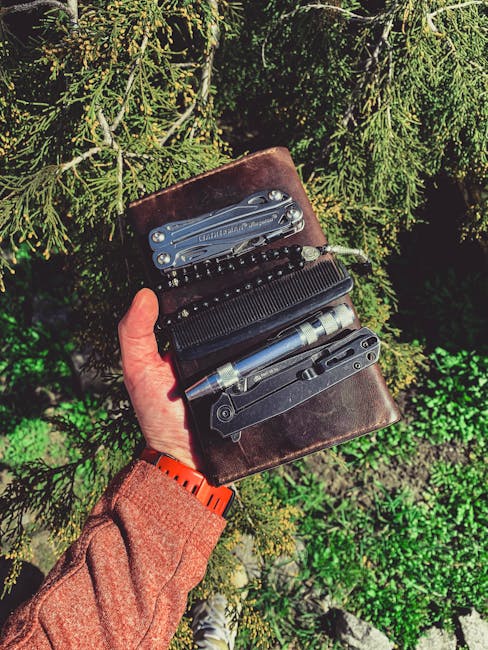
Have you ever found yourself staring at a toolbox, wondering what each tool is for? Whether you're a DIY enthusiast or someone who's just starting out, understanding the basics of hand tools can open up a world of possibilities.
Imagine the thrill of fixing a leaky faucet or building a simple shelf with your own hands. It's empowering, isn't it? Hand tools are the unsung heroes of any project, big or small. They can transform your home, save you money, and even boost your confidence.
You'll discover what some essential hand tools are and how they can make your life easier. Keep reading to unlock the secrets of your toolbox and become the master of your own projects.
Types Of Hand Tools
Hand tools include hammers, screwdrivers, and wrenches. These tools help with building and fixing tasks. Pliers and saws also fall into this category, useful for gripping and cutting. Each tool serves a specific purpose, making them essential for various projects.
When you think about fixing things around the house or starting a DIY project, hand tools are your best friends. They are indispensable for everyday tasks, from hanging pictures to building furniture. Understanding the different types of hand tools can make your projects easier, faster, and even more enjoyable. Let's explore some of the essential categories. Cutting tools are all about precision and efficiency. Think about the last time you needed to trim wood or cut through a piece of metal. You might have reached for a handsaw or a pair of tin snips. These tools are designed to slice through materials with ease. A sharp blade and steady hand can transform a rough piece of material into something more refined. Are your cutting tools sharp and ready to go? Fastening tools are the unsung heroes in your toolbox. They help you put things together securely, ensuring your projects stay intact. Screwdrivers and hammers are the most common examples. They allow you to drive nails or screws into materials, holding them together firmly. Have you ever noticed how a simple screwdriver can make or break a project? Accuracy is key in any project, and measuring tools are there to ensure you get it right. Tape measures and rulers might seem basic, but they provide the foundation for precise work. Whether you're hanging a shelf or cutting fabric, proper measurements prevent mistakes. Is your measuring tape within arm's reach? Shaping tools help you mold materials into the desired form. Chisels and files are great examples, allowing you to carve and smooth surfaces. These tools are particularly useful in woodworking or metalwork, where detail matters. Have you experienced the satisfaction of shaping a piece of wood into a work of art? Each of these tool types serves a distinct purpose, enhancing your ability to complete tasks efficiently and effectively. Whether you're a seasoned DIY enthusiast or just starting out, knowing the right tool for the job can make a world of difference. What projects have you been putting off that could benefit from the right hand tool?
Cutting Tools
Hand tools like hammers, screwdrivers, and wrenches are essential for everyday tasks. They allow precise control and versatility in various projects. These tools are perfect for cutting, shaping, and assembling materials efficiently.
Cutting tools are essential in any toolkit, providing precision and efficiency for a wide range of tasks. Whether you're a DIY enthusiast or a professional craftsman, these tools can make your work easier and more accurate. Understanding the different types of cutting tools and their specific uses can help you choose the right one for your project.
Utility Knife
A utility knife is a versatile cutting tool that you might find indispensable. It's perfect for tasks like opening boxes, cutting drywall, or slicing through rope. The blade is sharp and retractable, ensuring safety when not in use. Have you ever struggled with a stubborn piece of packaging? A utility knife can make quick work of it. Keep one in your toolbox for those everyday tasks that need a precise cut.
Hand Saw
The hand saw is a classic tool that has stood the test of time. It's ideal for cutting wood, whether you're building a birdhouse or trimming branches. With its long blade and teeth, a hand saw provides control and accuracy. You might remember using a hand saw in a woodworking class. The satisfaction of slicing through a piece of wood can be a rewarding experience. When was the last time you used a tool that connected you to the craftsmanship of the past?
Chisels
Chisels are specialized tools designed for carving or cutting hard materials like wood or stone. They come in various shapes and sizes, allowing for detailed work. A sharp chisel can make a clean cut or create intricate designs. Imagine sculpting a piece of wood into a beautiful shape with your chisel. The precision and control you have can bring your creative visions to life. Have you explored the potential of chisels in your projects? Choosing the right cutting tool can enhance your work and save time. Whether it's the utility knife for quick cuts, the hand saw for larger tasks, or chisels for detailed work, these tools are indispensable in any toolkit. Consider which cutting tool you might need for your next project, and experience the difference it can make.
Fastening Tools
Fastening tools are essential in any toolkit, especially when you need to secure two or more objects together. Whether you're assembling furniture, fixing a bicycle, or working on a DIY project, the right fastening tool makes all the difference. The precision and ease they offer can save you time and effort. Have you ever spent hours trying to tighten a bolt with the wrong tool? With the right fastening tools, those frustrating moments become a thing of the past.
Screwdrivers
Screwdrivers are among the most versatile and widely used tools. They come in various shapes and sizes, each designed for different types of screws. The most common types are flathead and Phillips. A Phillips screwdriver, with its cross-shaped tip, is perfect for screws with a cross-shaped indentation. Have you ever tried using a flathead screwdriver on a Phillips screw? It's a struggle. Knowing the right screwdriver to use speeds up your work and prevents damage to screws.
Wrenches
Wrenches are indispensable for tasks involving nuts and bolts. They provide the grip needed to turn fasteners without slipping. Adjustable wrenches, also known as crescent wrenches, are particularly handy as they can fit a range of sizes. Picture the convenience of adjusting a wrench to fit a bolt rather than hunting for the right size. When you face a stubborn bolt, the right wrench can be your best ally.
Pliers
Pliers are more than just a gripping tool; they can twist, cut, and hold. From needle-nose to slip-joint, each type serves a unique purpose. Have you ever used pliers to pull out a stubborn nail or to twist wires? Their versatility makes them a staple in any toolkit. Consider how often you need a firm grip or an extra hand—pliers are your go-to tool for those moments.
Fastening tools are more than just objects in your toolbox. They are solutions to everyday problems and challenges. As you work on your projects, think about the tools you use and how they can make your tasks smoother. What fastening tool will you rely on for your next project?
Measuring Tools
Hand tools for measuring include tape measures, calipers, and rulers. These tools help in precise measurements. They are essential in construction, woodworking, and metalworking tasks.
When you're diving into a DIY project or a professional build, accuracy can make or break your results. Measuring tools are the unsung heroes in any toolbox, ensuring your work is precise and polished. They help you bring your ideas to life with finesse and clarity. But which tools are essential, and how can they transform your projects?
Tape Measure
The tape measure is a staple in any toolkit. It's versatile, easy to use, and perfect for a wide range of tasks. Whether you're hanging pictures or building furniture, a tape measure will guide you to achieve the perfect dimensions. Imagine you're crafting a custom bookshelf. A tape measure helps you ensure each shelf fits snugly within its frame. It's a simple tool, yet its impact is profound. Keep one in your toolbox, and you'll be prepared for any measuring task that comes your way.
Level
A level is crucial for maintaining balance and alignment in your projects. It ensures that your surfaces are perfectly horizontal or vertical. This tool is indispensable when installing shelves, laying tiles, or hanging artwork. Picture this: you're hanging a series of photos on your living room wall. Without a level, the frames might tilt, throwing off the entire look. With a level, you can achieve a seamless, professional appearance. The next time you're working on a project, reach for a level to elevate your results.
Square
A square is a tool that helps you create perfect right angles. It's essential for tasks that require precise corners and edges. Carpenters and builders often rely on squares for framing, cutting, and ensuring accuracy. Consider your latest woodworking project. A square ensures that each cut is clean and precise, preventing errors that could derail your efforts. Whether you're a seasoned pro or a weekend warrior, a square is a must-have for your toolkit. Measuring tools are more than just accessories; they are the backbone of precision in any project. Which of these tools do you find most indispensable? Share your thoughts in the comments and let's discuss how these tools have made a difference in your work.
Shaping Tools
Shaping tools are essential in woodworking and metalworking. They help craft materials into desired shapes. These tools allow precision and creativity in every project. Let's explore some key shaping tools.
Files
Files smooth and shape surfaces with precision. They have small, sharp teeth to cut material. Files come in various sizes and shapes. Each has a specific purpose. A flat file is versatile for many tasks. A round file is useful for curved surfaces. A careful choice ensures the best results. Keep them clean for longer life.
Rasps
Rasps are similar to files but coarser. They remove material quickly. Their surface has raised teeth for efficient cutting. Rasps are perfect for rough shaping tasks. They work well on wood and soft materials. A good rasp saves time and effort. Use them for initial shaping before finer tools.
Planer
A planer smooths and flattens surfaces. It cuts thin layers from wood. This tool creates even, level surfaces. Planers are essential for large flat areas. They ensure materials fit together seamlessly. They are used both manually and electrically. A smooth finish makes a project professional.
Safety Gear
Safety gear is essential when using hand tools. Gloves, goggles, and helmets protect against potential injuries. Wrenches, pliers, and hammers are common hand tools used in various tasks.
When you're working with hand tools, your safety should be a top priority. The right safety gear protects you from injuries, allowing you to focus on the task at hand. Imagine working without gloves or eye protection; a simple mistake could lead to painful and costly accidents. You wouldn't want that, right? Whether you're a seasoned DIY enthusiast or just starting your tool collection, understanding the importance of safety gear can make all the difference in your experience.
Gloves
Gloves serve as your first line of defense. They protect your hands from cuts, abrasions, and even exposure to harmful substances. Opt for gloves made from durable materials like leather or cut-resistant fabric. Think about your last DIY project. Did you feel that splinter jab into your finger? With the right pair of gloves, such incidents become a thing of the past. Choose gloves that fit well; too tight, and they restrict movement, too loose, and they might slip off.
Eye Protection
Your eyes are irreplaceable. Eye protection is crucial to shield them from debris, dust, and chemical splashes. Safety glasses or goggles are a must-have for any toolbox. Picture this: you're sawing a piece of wood, and tiny splinters fly toward your face. Without eye protection, a fun project could quickly turn into a trip to the emergency room. Ensure your eye protection fits comfortably and doesn't fog up easily, maintaining a clear view of your work.
Ear Protection
Prolonged exposure to loud noises can damage your hearing. Ear protection, like earplugs or earmuffs, helps reduce the risk of hearing loss. If you're using power tools, ear protection is as essential as any other safety gear. Remember the last time you used a noisy tool and felt your ears ringing afterward? It's a sign that your ears need protection. Regular use of ear protection can prevent long-term hearing issues. Safety gear might seem like an afterthought, but it's crucial for your well-being. Have you ever had a close call because you skipped wearing the proper gear? Next time, make sure your safety gear is as ready as your tools are.
Tool Maintenance
Hammers, screwdrivers, and wrenches need regular care to ensure efficiency and safety. Proper maintenance extends their lifespan and performance. Cleaning and storing hand tools correctly prevents rust and damage.
Maintaining your hand tools is crucial for ensuring they last longer and perform efficiently. Neglecting maintenance can lead to dull blades, rust, or even broken handles, which can make your tasks more difficult and unsafe. How often do you think about cleaning, sharpening, and storing your tools properly? Taking a little time to care for them can save you money and hassle in the long run.
Cleaning
Keeping your tools clean is the first step in maintenance. After each use, wipe down your tools with a dry cloth to remove dirt and debris. For stubborn grime, a mixture of mild soap and water can work wonders. Always dry your tools thoroughly afterwards to prevent rust. I remember the time I left my garden shears outside after a long day. The rust that formed was a lesson I won’t forget.
Sharpening
Sharp tools make your work easier and more precise. Regularly check the edges of your cutting tools. If they start to feel dull, it’s time to sharpen them. Use a sharpening stone or file, and follow the original bevel angle of the tool. Did you know a sharp chisel can be safer than a dull one? A dull tool requires more force, increasing the risk of slips and accidents.
Storage
Proper storage protects your tools from damage and rust. Store them in a dry place, preferably in a toolbox or on a pegboard where they are organized and easy to access. Hanging tools can prevent moisture buildup. I once made the mistake of storing my tools in a damp shed; the rust that developed taught me to always choose a dry location. Tool maintenance might seem like a chore, but it’s an investment in your tools' longevity and performance. What steps can you take today to extend the life of your favorite hand tools? Your hands—and your wallet—will thank you.
Choosing The Right Tools
Selecting hand tools involves understanding their specific functions. Pliers grip tightly, while hammers efficiently drive nails. Screwdrivers tighten and loosen screws with precision.
Choosing the right tools can make or break your DIY project. Whether you're fixing a leaky faucet or building a new deck, having the right hand tools is crucial. But how do you decide which tools are worth your investment?
Budget Considerations
Your budget is a major factor when selecting tools. High-end brands offer premium features, but there are also affordable options that do the job well. Consider what you need right now, and plan for future projects as well. Is it worth buying a full set, or do you only need a few specific tools? Think about your frequency of use. If you're only using a tool once or twice, renting might be a smarter option. On the other hand, investing in a quality tool can save you money in the long run by avoiding frequent replacements.
Project Requirements
Every project has unique demands. If you're working on a home renovation, you might need a range of tools from hammers to wrenches. A simple repair might only require a screwdriver and pliers. Assess the scope of your project. Do you need specialized tools for specific tasks, or will general-purpose tools suffice? This can help narrow down your options and prevent unnecessary purchases.
Durability And Quality
Durability is key when it comes to hand tools. A tool that breaks easily can cause frustration and even ruin your project. Look for tools made from high-quality materials like stainless steel or chrome vanadium. Consider the tool's brand reputation. Brands known for quality often offer warranties or guarantees, giving you peace of mind. Also, check user reviews for firsthand experiences. Have other people found the tool reliable? Choosing tools is not just a purchase; it's an investment in your projects and peace of mind. What tools are you currently relying on, and how do they measure up in terms of cost, necessity, and durability?
Frequently Asked Questions
What Are Common Hand Tools Used For?
Common hand tools are used for tasks like cutting, measuring, and assembling. They include hammers, screwdrivers, pliers, and wrenches. These tools are essential in woodworking, plumbing, and electrical work. They help in performing precise tasks with control and efficiency. Hand tools are crucial for both professionals and DIY enthusiasts.
How Do Hand Tools Differ From Power Tools?
Hand tools require manual effort, while power tools use electricity or batteries. Hand tools offer more control and precision, suitable for intricate tasks. Power tools save time and effort, ideal for heavy-duty work. Choosing between them depends on the task complexity and user preference.
Both have their unique advantages.
Why Are Hammers Essential Hand Tools?
Hammers are essential for driving nails, breaking objects, and shaping materials. They come in various types for specific tasks, such as claw hammers and sledgehammers. Hammers provide force and precision, making them versatile tools. They are indispensable in construction, carpentry, and metalworking projects.
What Are The Uses Of Screwdrivers?
Screwdrivers are used for inserting and removing screws. They come in different sizes and types, like Phillips and flathead. Screwdrivers offer precision in tightening and loosening screws, essential in assembly and repair tasks. They are widely used in electronics, carpentry, and machinery maintenance.
Conclusion
Hand tools simplify tasks in everyday life. From hammers to screwdrivers, each tool serves a specific purpose. They offer precision and control. Knowing the right tool saves time and effort. Quality tools last longer and perform better. Consider investing in a durable set.
Safety is crucial; always use tools correctly. Proper storage prolongs their lifespan. Explore different tools to discover their benefits. Hand tools empower you to tackle DIY projects. Enjoy learning and growing your skills. Keep building your tool collection over time.
Happy crafting!