Ever found yourself stuck on a project because you didn't have the right tools? As a technician, having the right set of basic hand tools is essential to get the job done efficiently and effectively.
Imagine trying to fix something without the necessary tools—frustrating, right? That's why knowing which tools you absolutely need can make all the difference between a smooth workday and a stressful one. You're about to discover the must-have hand tools that every technician should have at their disposal.
Whether you're a seasoned professional or just starting out, this guide will help ensure you're never caught unprepared again. Keep reading to find out which tools can elevate your skills and productivity!
Toolbox Fundamentals
Technicians rely on essential hand tools for various tasks. Common tools include screwdrivers, wrenches, and pliers. Each tool serves a specific purpose, aiding in repairs and maintenance.
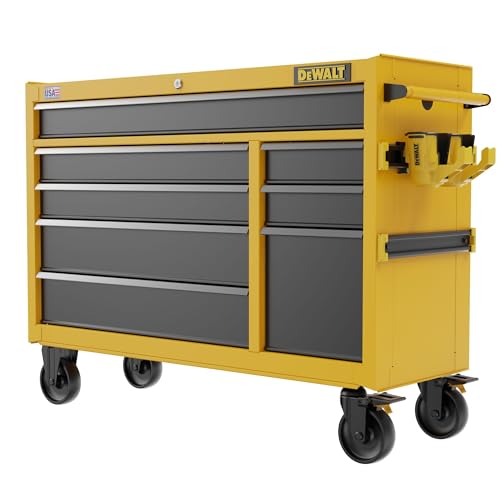
Toolbox Fundamentals Every technician understands the importance of a reliable toolbox. It's more than just storage; it's the heart of your efficiency and effectiveness. A well-organized toolbox can be the difference between a quick fix and a frustrating delay. Think about the last time you struggled to find the right tool. That wasted time adds up. With the right setup, you can eliminate these delays and focus on the task at hand. Your toolbox should reflect your work style and needs. Let's dive into the essentials that every technician should consider.
Essential Carrying Case
Your carrying case is the backbone of your toolbox. It needs to be durable yet lightweight. A sturdy case protects your tools and makes transportation easy. Consider cases with padded handles or shoulder straps. Your comfort matters, especially on long jobs. Look for cases with multiple compartments to keep your tools organized. Have you ever experienced a case that couldn't withstand the elements? A weather-resistant case can save your tools from unexpected rain or dust.
Organizing Tools Efficiently
Organization is key to maximizing your efficiency. Start by grouping tools by function. This way, you can quickly grab what you need without rummaging through the entire box. Use labels or color coding to differentiate sections. This visual aid can save you precious seconds during a job. Magnetic strips or pegboards can hold frequently used tools. It keeps them in sight and within reach, ensuring a seamless workflow. How often do you reorganize your toolbox? Regularly revisiting its layout can help you adapt to new tools or tasks. Adjusting your setup can lead to smoother operations and less hassle. Think of your toolbox as a dynamic tool itself. It should evolve with your skills and responsibilities. Keep it updated, and it will serve you well.
Measuring Tools
Technicians rely on basic hand tools like calipers, micrometers, and tape measures for precision tasks. These tools ensure accurate readings and efficient work, making them essential in various technical fields.
Measuring tools are essential for any technician aiming for precision and accuracy in their work. These tools help ensure that every measurement is spot-on, which is crucial for the successful completion of projects. Understanding and using these tools effectively can make a significant difference in your work quality.
Tape Measure
A tape measure is a staple in any technician's toolkit. It's versatile and easy to use. Whether you're measuring a piece of wood for carpentry or checking the dimensions of an appliance, the tape measure is your go-to tool. Think about those times you needed to fit furniture through a narrow door. A tape measure helps you avoid the hassle of realizing the couch is too wide after the fact. Keep one handy at all times.
Calipers
Calipers are perfect for tasks requiring more precision than a tape measure can offer. They can measure internal and external dimensions with remarkable accuracy. This tool is invaluable for tasks like checking the diameter of a pipe or the thickness of a wire. I once used calipers to measure a small component for a machine repair. Without it, I would have guessed the size, risking potential damage or a faulty repair. Calipers save you from costly mistakes.
Multimeter
A multimeter is indispensable for any technician working with electrical components. It measures voltage, current, and resistance, providing vital information for diagnosing electrical issues. If you've ever faced a sudden power outage, a multimeter can be your best friend in tracing the problem. Imagine troubleshooting a malfunctioning circuit without one. You'd be lost. A multimeter not only helps you identify the issue quickly but also ensures safety while working with electricity. Incorporating these measuring tools into your daily tasks can significantly enhance your efficiency and accuracy. What measuring tools do you find essential in your toolkit? Share your experiences and tips in the comments below!
Cutting Tools
Whether you’re fixing a leaky faucet or installing a new light fixture, cutting tools are essential for any technician. They help you make precise cuts that ensure everything fits perfectly. Without the right cutting tools, you might find yourself struggling with a task that could have been straightforward. Let's dive into some of the essential cutting tools you should have in your toolkit.
Utility Knife
A utility knife is a versatile tool that’s great for slicing through materials like cardboard, plastic, and even drywall. It’s lightweight and easy to handle, making it perfect for quick adjustments during a project. You can easily change the blades, ensuring you always have a sharp edge. Have you ever tried cutting without a sharp blade? It’s frustrating and time-consuming. Keep your utility knife sharp and ready to go.
Wire Cutters
Wire cutters are indispensable when dealing with electrical projects. They offer clean cuts that prevent frayed wires, which could lead to short circuits. If you've ever tried using scissors for cutting wires, you know it doesn't work well. A pair of wire cutters can make all the difference, ensuring your electrical connections are safe and secure. They should be part of your toolkit if you work with electrical devices regularly.
Handsaw
A handsaw is essential for cutting wood and sometimes even metal. It’s a straightforward tool that doesn’t require electricity or batteries, making it reliable and easy to use. Imagine trying to cut through a piece of wood with a kitchen knife; it's just not practical. A handsaw allows you to make precise cuts, whether you're building a shelf or repairing a piece of furniture. With practice, you can master different cutting techniques for various materials.
Do you have these tools in your arsenal? If not, consider adding them—they can transform how you approach your projects. With the right cutting tools, you're not just cutting; you're crafting and creating with precision.
Fastening Tools
Fastening tools are essential for any technician. They help in assembling and disassembling equipment. A technician's toolkit is incomplete without these tools. They ensure that parts stay secure and function properly.
From tightening screws to securing nuts, these tools play a critical role. Let's explore some basic fastening tools every technician should have.
Screwdrivers
Screwdrivers are among the most used tools. They come in various types and sizes. The most common are flathead and Phillips screwdrivers. A technician should have both in their toolkit. Precision screwdrivers are also useful for small screws.
Magnetic screwdrivers can hold screws in place. This makes tasks easier and quicker. Ergonomic handles provide better grip and comfort. Choose durable screwdrivers for long-lasting use.
Wrenches
Wrenches are vital for gripping and turning bolts and nuts. They come in different forms like adjustable, socket, and Allen wrenches. An adjustable wrench is versatile and fits various sizes. Socket wrenches offer more torque and are efficient for tight spaces.
Allen wrenches are necessary for hexagonal bolts. Having a set of these tools is beneficial. A technician can handle different tasks with ease and precision.
Pliers
Pliers provide grip and leverage for various tasks. They help in bending, cutting, and twisting wires. Needle-nose pliers are ideal for reaching tight spaces. Slip-joint pliers adjust to different widths.
Cutting pliers are useful for cutting wires. Choose pliers with comfortable grips for better control. A good pair of pliers is a must-have for every technician.
Striking Tools
Striking tools are essential for every technician's toolbox. These tools help in delivering force to an object. They are crucial in many repair and assembly tasks. Knowing the right tool can make a big difference. Let's explore some common striking tools.
Hammer
The hammer is a classic tool for technicians. It has a sturdy handle and a metal head. Technicians use it for driving nails or breaking objects. There are different types of hammers. Each type serves a specific purpose. Choose a claw hammer for pulling nails. Use a ball-peen hammer for shaping metal. Always select the right type for the task. This ensures precision and safety.
Rubber Mallet
The rubber mallet is gentle yet effective. It's ideal for tasks needing a soft touch. Use it for projects where a hammer might cause damage. The rubber head ensures no marks on the surface. It's perfect for assembling furniture or setting tiles. Many technicians prefer it for delicate materials. Always have one in your toolbox. It’s a versatile tool for many needs.
Specialty Tools
Specialty tools are vital for technicians. They handle specific tasks with precision. These tools ensure efficiency and accuracy. Knowing these tools boosts a technician's skill set. They are essential for tackling complex tasks.
Allen Keys
Allen keys, also known as hex keys, are versatile. They tighten and loosen hexagonal bolts and screws. They fit snugly into hex sockets. This ensures efficient torque application. Allen keys come in various sizes for different needs.
Socket Set
A socket set is crucial for any technician. It includes various socket sizes. These fit over fasteners like nuts and bolts. A socket set allows easy tightening and loosening. It provides leverage without damaging fasteners.
Torque Wrench
A torque wrench is essential for precision. It applies a specific torque to a fastener. This ensures parts are neither too tight nor too loose. Over-tightening can damage threads. Under-tightening can lead to parts coming loose.
Safety Equipment
Technicians often rely on basic hand tools for safety and efficiency. Essential tools include screwdrivers, wrenches, pliers, and hammers. Each tool plays a crucial role in ensuring precision and safety in various tasks.
When working as a technician, safety isn't just a guideline—it's a necessity. Safety equipment should always be at the forefront of your mind to ensure both your well-being and the integrity of the work you perform. No task is worth risking your health. Incorporating the right safety gear into your routine can prevent accidents and long-term damage.
Safety Glasses
Safety glasses protect your eyes from flying debris, chemical splashes, or even unexpected projectiles. Imagine working on a project where a shard of metal unexpectedly breaks free; without eye protection, this could cause serious injury. Always choose glasses that fit snugly and are made of impact-resistant materials. Consider lenses with anti-fog features for better clarity during intense jobs.
Gloves
Gloves are your first line of defense against cuts, burns, and electrical shocks. Different tasks require different gloves; for instance, rubber gloves are essential for electrical work. Have you ever tried changing a sharp tool without gloves, only to find a nasty cut afterwards? It’s a painful reminder of why protection matters. Always ensure your gloves fit well, offering both flexibility and strength.
Ear Protection
Loud environments can lead to hearing loss over time. Ear protection like earplugs or earmuffs can be crucial when operating heavy machinery or working in a noisy setting. Think about the last time you left a construction site with your ears ringing—it wasn't pleasant, was it? Protecting your hearing is vital, as damage can be irreversible. Choose protection that is comfortable for extended use. Are you using the right safety equipment every time you pick up a tool? Your health and safety should never be an afterthought. Remember, a small investment in safety gear can save you from significant harm.
Maintenance Tips
Maintaining hand tools ensures their longevity and efficiency. Proper care prevents damage and extends their life. Regular maintenance also keeps tools safe to use. Technicians rely on well-kept tools for quality work. Let's explore some essential maintenance tips.
Cleaning Tools
After each use, clean your tools thoroughly. Remove dirt and debris with a brush or cloth. For stubborn grime, use mild soap and water. Dry tools immediately to prevent rust. Lubricate metal parts with oil to keep them moving smoothly.
Proper Storage
Store tools in a dry, cool place. Moisture leads to rust and damage. Use toolboxes or racks for organization. This prevents tools from getting lost or damaged. Ensure heavy tools are stored safely to avoid injury. Regularly check storage areas for signs of moisture.
Frequently Asked Questions
What Are Essential Hand Tools For Technicians?
Technicians need essential hand tools like screwdrivers, pliers, and wrenches. These tools help in assembling, repairing, and maintaining equipment. Precision is crucial, so quality tools are recommended. Additionally, a multimeter is vital for electrical tasks. Having a well-organized toolbox enhances efficiency and ensures readiness for any job.
Why Do Technicians Use Screwdrivers?
Screwdrivers are fundamental tools for technicians, used to tighten or loosen screws. They come in various types, including flathead and Phillips, catering to different screw designs. Accurate screwdriver usage prevents damage to equipment. Ensuring proper fit between screwdriver and screw enhances task efficiency and avoids unnecessary wear.
How Do Pliers Benefit Technicians?
Pliers provide technicians with the ability to grip, cut, and bend materials. They are essential for electrical work, cable management, and general repairs. Different types, like needle-nose and cutting pliers, serve specific functions. Proper use of pliers increases task precision and safety, making them indispensable in a technician's toolkit.
What Role Do Wrenches Play In Technical Work?
Wrenches are crucial for tightening or loosening nuts and bolts. Technicians use them for assembly and maintenance tasks. Adjustable and socket wrenches cater to different sizes and applications. Using the correct wrench size enhances efficiency and prevents damage. Wrenches are a staple in ensuring secure and reliable equipment.
Conclusion
Technicians need basic tools for efficient work. Screwdrivers, wrenches, and pliers are essentials. A good hammer and tape measure help with precise tasks. Don't forget safety gear like gloves and goggles. These tools ensure safety and efficiency. Investing in quality tools can save time and hassle.
Proper maintenance of tools extends their life. A well-prepared technician is always ready for any challenge. Keep learning and updating your toolkit. This leads to better performance and job satisfaction. The right tools make tasks easier and more effective. Always stay prepared with your trusty toolkit.