
Imagine you're about to start a project, and you need the right tools to get the job done. Whether you're fixing something at home or crafting a unique piece, knowing the basics about metal work hand tools can make all the difference.
But what exactly are these tools, and why are they crucial for your toolbox? You'll discover the essential hand tools used in metalworking, unraveling their uses and benefits. You'll see how mastering these tools can elevate your projects from amateur to professional.
Understanding them not only empowers your craftsmanship but also makes your work more efficient and enjoyable. Are you ready to unlock the secrets of metal work hand tools and transform your DIY experience? Dive in, and see how these tools can be the game-changer you’ve been searching for.
Types Of Metal Work Hand Tools
Metal work hand tools include hammers, pliers, and wrenches. Each tool serves a specific purpose in shaping or cutting metal. They are essential for both professional and DIY metalworking projects.
Metal work hand tools are essential in various trades. They help shape and manipulate metal with precision. The right tool can make a difference in your project. Understanding the types of hand tools available is crucial. Below are the main categories of metal work hand tools.
Cutting Tools
Cutting tools are used to divide metal into pieces. Hacksaws are common in cutting metal sheets and rods. They have replaceable blades for different materials. Tin snips work well on softer metals like aluminum. They resemble scissors and are easy to handle. Files are vital for removing small amounts of material. They help achieve precise cuts and shapes.
Shaping Tools
Shaping tools give metal its form. Hammers are fundamental in this process. Ball-peen hammers are popular for shaping and finishing. Anvils provide a solid surface for hammering. They support the metal and absorb impact. Vices secure metal in place during shaping. They prevent movement and improve accuracy.
Finishing Tools
Finishing tools refine the metal surface. Sandpaper is essential for smoothing rough edges. It comes in various grits for different finishes. Wire brushes clean and polish metal surfaces. They remove rust and other debris. Buffing wheels give metal a polished look. They enhance the shine and appearance.
Materials Used In Hand Tools
Hand tools are essential in metal work. The materials used in these tools determine their durability and performance. Understanding the materials is crucial for choosing the right tool.
Steel Alloys
Steel alloys are common in hand tools. They provide strength and resistance to wear. These alloys combine steel with elements like nickel or chromium. This enhances their properties. The result is a tool that can withstand heavy use. Steel alloys also resist rust and corrosion. This makes them suitable for various environments.
Carbon Steel
Carbon steel is a popular choice for hand tools. It contains carbon, which improves hardness. This material can hold a sharp edge well. Carpenters and metalworkers often prefer carbon steel tools. They are ideal for tasks requiring precise cuts. Carbon steel tools are also affordable. This makes them accessible for many users.
Tool Steel
Tool steel is specialized for manufacturing tools. It offers high hardness and abrasion resistance. This makes it perfect for cutting tools. Tool steel can withstand high temperatures. This property is useful in heavy-duty applications. It ensures the tool retains its shape and effectiveness. Tool steel is often alloyed with elements like tungsten and molybdenum. This enhances its durability and toughness.
Common Uses In Metalworking
Metal work hand tools are essential in metalworking. They help shape, cut, and assemble metal pieces with precision. These tools are used in various processes. They are crucial in fabrication, repair, and assembly tasks.
Fabrication
Fabrication involves creating metal structures or parts. Tools like hammers and chisels are used to shape metal. Files smooth rough edges. Metal shears cut sheets into desired shapes. Fabrication requires accuracy and skill. These tools ensure precise results.
Repair
Repair tasks often need hand tools for fixing metal items. Wrenches and pliers tighten bolts and screws. Saws cut through damaged sections. Metal files smooth out imperfections. These tools help restore items to their original state. Repair is essential for maintaining metal objects.
Assembly
Assembly involves joining metal parts together. Rivet guns fix pieces firmly. Screwdrivers and wrenches tighten connections. Clamps hold components in place during assembly. These tools ensure secure and stable structures. Assembly is key in building durable metal products.
Safety Tips For Using Hand Tools
Using metal work hand tools can be rewarding, but safety is key. Proper use of hand tools helps prevent accidents and injuries. Here are essential safety tips to keep in mind. These guidelines will ensure a safe and effective working environment.
Proper Handling
Always grip hand tools firmly. Maintain a secure hold to avoid slips. Use tools only for their intended purpose. Misuse can lead to accidents. Check tools for damage before use. Damaged tools can be dangerous. Ensure a stable stance while working. This prevents sudden movements that cause injury.
Personal Protective Equipment
Wear safety goggles to protect your eyes. Flying debris can be harmful. Use gloves to protect your hands. They provide a better grip and shield from sharp edges. Consider ear protection if working in noisy areas. Loud sounds can damage hearing over time. Wear sturdy footwear to protect your feet from falling objects. Proper clothing shields your body and reduces risks.
Regular Maintenance
Inspect tools regularly for wear and tear. Replace worn-out tools promptly. Keep tools clean and dry. Moisture can cause rust and reduce effectiveness. Sharpen cutting tools when needed. Sharp tools work better and are safer. Store tools in a safe, dry place. Proper storage prolongs their life and ensures readiness for use.
Maintaining Metal Work Hand Tools
Metal work hand tools include hammers, pliers, and wrenches. They shape and cut metal pieces easily. Proper care and maintenance extend their lifespan and ensure safety during use.
Maintaining metal work hand tools is essential for ensuring their longevity and performance. If you're someone who relies on these tools for your projects, you know how frustrating it can be to work with dull or rusty equipment. By dedicating some time to regular maintenance, you can keep your tools in top shape, ready for any task that comes your way. Let's dive into some practical tips on how to keep your metal work hand tools in excellent condition.
Cleaning Techniques
Regular cleaning is crucial for preventing rust and buildup on your tools. Start by wiping them down with a dry cloth after each use to remove any dust or debris. For more thorough cleaning, use a mixture of mild soap and warm water. Make sure to dry your tools completely after washing to prevent rust. A bit of oil on a cloth can also be used to wipe down metal surfaces, providing an additional layer of protection.
Sharpening Methods
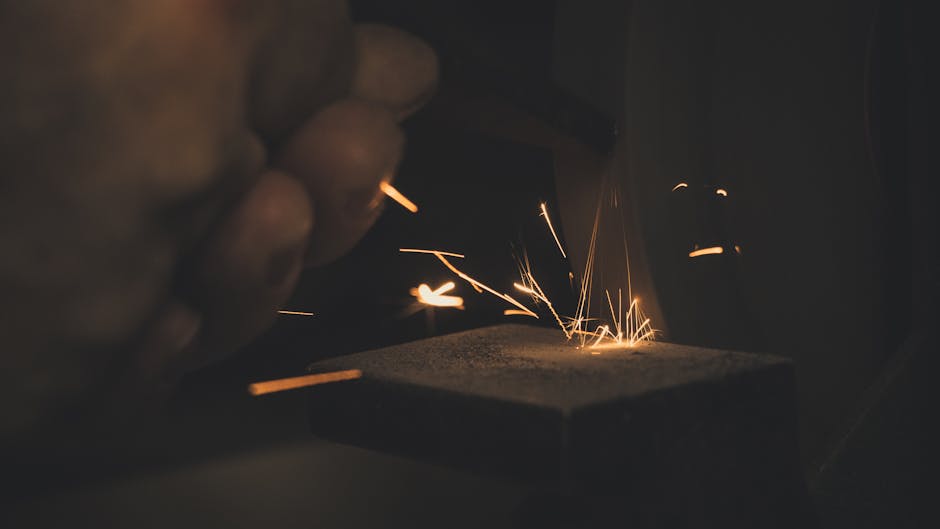
A sharp tool makes your work more efficient and precise. To sharpen your metal work hand tools, consider using a whetstone or a sharpening file. Ensure that you maintain the original angle of the blade for the best results. Test the sharpness on a piece of scrap metal or wood before starting your main project. Regularly sharpen your tools to maintain their edge and make your work easier and more enjoyable.
Storage Tips
Proper storage can significantly extend the life of your tools. Store your metal work hand tools in a dry place to prevent rust. Consider using a tool chest or a pegboard to keep them organized and easily accessible. If you have limited space, magnetic strips can be a great option for storing smaller tools. Ensure that each tool has its designated spot, reducing the chances of damage and making it easy to find the right tool when you need it. By taking these simple steps, you can ensure that your metal work hand tools are always ready to go. Do you have a favorite maintenance tip or trick that keeps your tools in peak condition? Share your insights in the comments below!
Choosing The Right Tools
Metal work hand tools are essential for shaping and joining metal pieces. Hammers, pliers, and chisels help in precise crafting. Selecting the right tool ensures efficiency and safety in metalworking tasks.
Choosing the right metal work hand tools can be the difference between a successful project and a frustrating experience. Selecting the right tools involves more than just picking what looks good. It requires thoughtful consideration of various factors to ensure that your work is efficient and effective.
Project Requirements
First, understand the specific needs of your project. Are you working on something delicate or rugged? For a small, detailed project, you might need precision tools like fine pliers or small files. A large construction task could require heavy-duty tools like hammers and wrenches. Match your tools to your project to avoid unnecessary frustration and ensure quality results.
Tool Quality
Quality matters more than you think. A cheap tool may save you money upfront, but it might break easily or not perform well. Investing in good-quality tools can save you money in the long run and enhance your work quality. Look for tools made from durable materials like stainless steel, which resist rust and wear. Do you want a tool that will serve you well for years? Prioritize quality.
Budget Considerations
Balancing quality with your budget is crucial. You might want top-notch tools, but they can be expensive. Set a realistic budget that allows you to get decent tools without breaking the bank. Consider buying essential tools first and gradually expanding your collection. Are there tools you can borrow or rent for one-time projects? Think creatively to maximize your resources. Choosing the right tools is a strategic decision that impacts your work efficiency and satisfaction. What strategies will you use to choose the right tools for your next project?
Innovations In Hand Tools
Metal work hand tools include hammers, chisels, and pliers used for shaping and cutting metal. These tools have evolved to offer better grip and precision, making metal crafting more efficient. Enhanced durability ensures longevity in rigorous metalworking tasks.
Innovations in hand tools have significantly transformed the way we approach metalworking. As technology advances, so do the tools we rely on, making tasks easier, faster, and more efficient. Have you ever wondered how modern hand tools can enhance your metalworking projects? Let's delve into the cutting-edge developments that are shaping this field.
Ergonomic Designs
The comfort of using hand tools is no longer an afterthought. Ergonomic designs are at the forefront of innovation, ensuring that tools fit comfortably in your hand and reduce strain during prolonged use. Imagine working on a project without the usual hand fatigue. Ergonomic handles with soft grips and balanced weight distribution make this possible, allowing you to focus on the task rather than discomfort.
Advanced Materials
Modern hand tools aren't just about looks; they're about durability and functionality. Advanced materials like carbon fiber and high-grade steel are now commonly used. These materials enhance the strength and longevity of tools, making them more resilient against wear and tear. Have you noticed how newer tools feel lighter yet more robust? That's the magic of cutting-edge materials in action.
Multi-functionality
Why carry multiple tools when one can do the job of several? Multi-functionality is a game-changer in metalworking. Tools that combine features, such as a hammer with a built-in wrench, save time and space. This innovation means you can streamline your toolbox without sacrificing capability. Next time you're working on a project, consider how a multi-functional tool could simplify your workflow. By embracing these innovations, you can enhance your metalworking experience. Which of these features would most benefit your projects? Share your thoughts and let's discuss how new hand tool technologies are impacting the way we work with metal.
Frequently Asked Questions
What Are Common Metal Work Hand Tools?
Metal work hand tools include hammers, wrenches, pliers, and screwdrivers. They are essential for shaping, cutting, and joining metal pieces. Each tool serves a specific purpose, such as tightening screws or bending metal sheets. Proper usage ensures precision and safety in metalworking tasks.
How Do You Maintain Hand Tools?
Maintain hand tools by cleaning them after use and storing them properly. Regularly inspect for rust or damage and apply oil to prevent corrosion. Sharpen blades when necessary to ensure efficiency. Proper maintenance prolongs tool life and enhances performance in metalworking projects.
Are Metal Work Hand Tools Expensive?
Metal work hand tools vary in price depending on quality and brand. Basic tools are affordable, while specialized ones may cost more. Investing in quality tools ensures durability and efficiency. Compare prices and read reviews to find tools that meet your budget and requirements.
Can Hand Tools Be Used For Precision Work?
Yes, hand tools are ideal for precision work in metalworking. They allow control over intricate tasks like shaping and detailed finishing. Tools like files, chisels, and calipers help achieve accurate measurements and smooth surfaces. Mastery in using hand tools enhances craftsmanship and precision.
Conclusion
Metal work hand tools are essential for crafting and repairs. They offer precision and control. From hammers to wrenches, each tool has a unique purpose. Choosing the right tool improves efficiency. It also ensures safety. Proper maintenance extends tool life.
Clean them after each use. Store tools in a dry place. Regular inspection prevents mishaps. Quality tools are a smart investment. They save time and effort. Understanding these tools boosts your skills. With practice, tasks become easier. Confidence grows with each project.
Embrace the world of metalwork. It’s rewarding and creative. Start your journey today. Happy crafting!