Imagine diving into a woodworking project, surrounded by the scent of fresh timber and the satisfying sound of saws and hammers. But before you can create your masterpiece, you need the right tools.
This is where understanding the classification of hand tools in carpentry becomes essential. By knowing which tools to use and when, you can transform your carpentry skills from basic to exceptional. You might wonder why this matters to you. The answer is simple: using the right tools not only makes your work more efficient but also enhances the quality of your craftsmanship.
Whether you’re a seasoned carpenter or a DIY enthusiast, understanding these classifications can save you time, reduce frustration, and elevate your projects. So, if you're eager to unlock the secrets of effective woodworking, keep reading. You'll discover how each tool fits into your toolkit and how it can improve your carpentry experience.
Hand Tools Basics
In the world of carpentry, hand tools are the backbone of craftsmanship. They allow you to shape, cut, and assemble wood with precision. Unlike power tools, hand tools give you a tactile connection to the material, helping you develop a deeper understanding of your craft.
Mastering the basics of hand tools opens up a world of possibilities for your projects. It’s not just about knowing the tools but also understanding their purpose and potential. Whether you're a beginner or a seasoned carpenter, appreciating these basics can enhance your skills significantly.
Importance In Carpentry
Hand tools play a crucial role in carpentry by offering precision and control. They allow you to perform intricate tasks that power tools might overpower. When crafting dovetail joints or smoothing surfaces, hand tools provide the finesse needed for a perfect finish.
Using hand tools also gives you a sense of satisfaction and connection to traditional craftsmanship. There’s a certain pride in knowing that each cut and carve is a result of your skill and effort. Don't you think mastering hand tools also elevates your status as a true craftsman?
Safety Considerations
Safety should always be your priority when working with hand tools. Even simple tools can cause injury if not used properly. Always ensure your tools are in good condition and sharp, as dull tools can slip and cause accidents.
Wearing the right gear, like gloves and goggles, can protect you from splinters and debris. Remember, a clean and organized workspace reduces risks. Have you ever experienced a near-miss that made you rethink your safety measures?
By focusing on safety, you not only protect yourself but also enhance your efficiency and confidence while working. So, next time you pick up a chisel or saw, pause and think about your safety checklist.
Measuring Tools
Carpentry hand tools fall into categories like measuring, cutting, and shaping. Essential tools include rulers, saws, chisels, and planes. Understanding these classifications helps in choosing the right tool for each task.
In the world of carpentry, measuring tools are your best friends. They ensure precision and accuracy, which are crucial for crafting sturdy and aesthetically pleasing structures. Whether you're building a bookshelf or a garden shed, the right measurements can make or break your project. Proper measuring tools can save you from costly mistakes and wasted materials. They help you visualize your project and ensure everything fits perfectly. Let’s dive into some essential measuring tools that every carpenter should have.
Tape Measures
Tape measures are indispensable in carpentry. They provide quick and easy measurements for both large and small projects. A good tape measure should be durable, with a clear, easy-to-read scale. Do you often find yourself struggling with conversions? Some tape measures come with both metric and imperial markings, which can be a lifesaver. A retractable feature ensures it’s compact and easy to carry. Remember to use the tape measure's metal hook for accurate starting points. It might seem trivial, but starting your measurement accurately sets the tone for the entire project.
Squares And Levels
Squares and levels are essential for ensuring your lines are straight and your angles precise. A carpenter's square is perfect for marking right angles and checking the trueness of cuts. Levels, on the other hand, help you avoid the dreaded crooked shelf. A good level ensures your project is balanced and aligned correctly. Have you ever hung a picture only to find it slightly tilted? A level can prevent these small but frustrating errors. Invest in a sturdy level for the best results.
Marking Gauges
Marking gauges are perfect for scribing lines parallel to the edge of your material. They’re great for joinery and can be adjusted to suit your project's specific needs. A marking gauge can be a game changer for precision cutting. It allows you to make repeated accurate marks, reducing the chance of errors. Do you often second-guess your cuts? Using a marking gauge can boost your confidence by ensuring your lines are spot-on. Keep it sharp and well-maintained for the best performance. Measuring tools are the backbone of carpentry precision. Which tool do you find indispensable in your toolbox?
Cutting Tools
Carpentry is an art and craft that requires precision and skill. To achieve this, the right cutting tools are essential. These tools are the backbone of carpentry, allowing you to shape wood into your desired form. Each tool has its unique function and provides a different finish. Have you ever wondered which cutting tool is right for your project? Let's dive into the world of handsaws, chisels, and planes to give you some clarity.
Handsaws
Handsaws are the workhorses of cutting tools. They come in various types, each designed for specific tasks. A crosscut saw, for example, is perfect for cutting across the wood grain. It's ideal for projects like making furniture or building a deck.
On the other hand, a rip saw is designed for cutting along the grain. This saw is your go-to for tasks that require long, straight cuts, such as trimming boards. Picking the right handsaw can greatly affect the ease and quality of your work.
Chisels
Chisels are versatile cutting tools that provide precision. With a sharp edge, they can carve intricate details or shape wood with finesse. A bench chisel is commonly used for general woodwork, while a mortise chisel is perfect for creating deep cuts or joints.
Using chisels requires a steady hand and practice. Imagine crafting a wooden sculpture or custom furniture; chisels give you the control to bring your vision to life. A sharp chisel can make all the difference, so keep them well-maintained.
Planes
Planes are essential for smoothing and shaping wood surfaces. They help you achieve a clean, polished finish. A block plane is excellent for trimming and adjusting joints, while a smoothing plane gives a fine finish to flat surfaces.
Have you ever struggled with uneven wood surfaces? Planes can be your savior. They allow you to refine and perfect your work, ensuring each piece fits together seamlessly. Investing time in mastering planes can elevate your carpentry skills to new heights.
With these cutting tools, you can transform raw wood into stunning creations. Each tool serves a purpose, and knowing how to use them effectively is key. So, what project will you tackle next with your newfound knowledge?
Shaping Tools
Shaping tools in carpentry are essential for refining and detailing. They help create smooth surfaces and precise shapes. Carpenters use these tools to bring their projects to life. Understanding shaping tools can enhance your carpentry skills.
Files And Rasps
Files and rasps are key tools for shaping wood. They remove small amounts of material. Files have fine teeth for smooth finishes. Rasps have coarse teeth for rough shaping. Both come in various shapes and sizes. Choose the right one for your task. Flat, round, and half-round files each serve different purposes. Using them correctly ensures precision.
Spokeshaves
Spokeshaves are versatile tools in carpentry. They shape and smooth wood surfaces. They work well on curved surfaces. This makes them ideal for chair legs and spokes. Spokeshaves have two handles for control. They use a blade to shave thin wood layers. Adjusting the blade depth gives different results. Mastering spokeshaves can improve project quality.
Assembly Tools
Assembly tools play a crucial role in carpentry work. They help join and secure materials, ensuring stability and strength. These tools are essential for putting together different pieces to create a complete structure. Understanding their use is vital for efficient carpentry.
Hammers
Hammers are basic yet vital assembly tools. They drive nails into wood, securing pieces together. Different types of hammers suit different tasks. Claw hammers have a curved end for removing nails. Mallets are used for tapping wood without damage. Choosing the right hammer ensures precise work.
Screwdrivers
Screwdrivers are essential for driving screws into materials. They come in various shapes and sizes. Flathead and Phillips are the most common types. Using the correct screwdriver prevents damage to screws and materials. It ensures a tight and secure fit. Screwdrivers are crucial for detailed assembly work.
Wrenches
Wrenches are used to tighten or loosen nuts and bolts. They provide grip and torque, making assembly easier. Adjustable wrenches fit various sizes, adding versatility. Box-end wrenches offer a firm grip for stubborn bolts. Correct use prevents damage and ensures a secure fit.
Finishing Tools
In carpentry, finishing tools ensure the final touch is smooth and precise. These tools enhance the appearance and feel of wood surfaces. They prepare the wood for painting or staining, giving it a polished look. Finishing tools remove any rough edges or imperfections. This results in a flawless, professional finish.
Sandpaper
Sandpaper is a staple in carpentry finishing tools. It comes in various grits, from coarse to fine. Coarse grits remove rough spots quickly. Fine grits provide a smooth finish. Sandpaper is flexible, adapting to the wood's shape. It’s essential for smoothing surfaces and edges. Sandpaper prepares wood for varnishing or painting. It’s easy to use, making it a favorite for beginners.
Scrapers
Scrapers are flat tools with sharp edges. They remove thin layers of wood or finish. Scrapers are perfect for leveling surfaces. They reach areas sandpaper might miss. Scrapers work well on curved or intricate surfaces. They are efficient in removing old paint or varnish. Using scrapers requires practice for smooth results. They are vital for a refined, even finish.
Maintenance And Care
Hand tools in carpentry require proper maintenance and care. This ensures their longevity and effectiveness. Regular maintenance keeps tools in peak condition. It also prevents accidents and promotes safe use. Understanding how to clean and store tools is crucial.
Cleaning Techniques
Proper cleaning extends the life of carpentry tools. After each use, remove dirt and debris. Wipe tools with a clean, dry cloth. Use a mild detergent for stubborn stains. Rinse and dry thoroughly to prevent rust. For metal parts, apply a thin oil layer. It protects against moisture and corrosion.
Storage Solutions
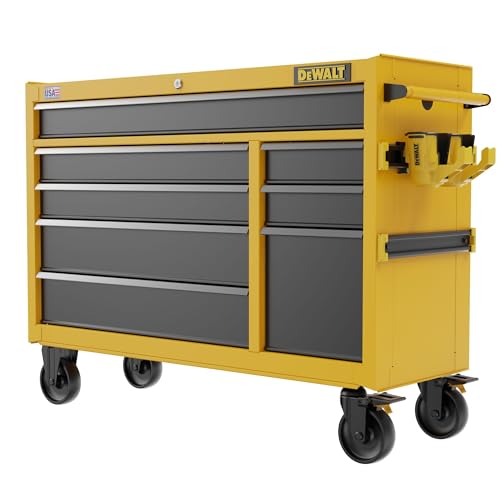
Storing tools correctly prevents damage and loss. Use a dedicated toolbox or cabinet. Keep tools organized and accessible. Store sharp tools with blade covers. This prevents accidental cuts. Hang larger tools on a pegboard. It saves space and keeps them visible. Regularly check storage areas for moisture. Ensure they remain dry and rust-free.
Choosing The Right Tools
Selecting the right tools in carpentry involves understanding hand tool classifications. Basic categories include cutting tools, measuring tools, and assembling tools. Each tool serves a unique purpose, ensuring efficient and precise craftsmanship.
Choosing the right tools for your carpentry projects can be both exciting and daunting. The right tools not only enhance your craftsmanship but also make your work more efficient and enjoyable. As you stand in front of a display of hand tools, you might wonder which ones are truly essential for your toolkit.
Factors To Consider
When selecting tools, think about the type of projects you plan to tackle. Are you focusing on fine furniture or outdoor decks? Each project requires different tools. Consider the tools' versatility. A hammer with a claw can pull nails as well as drive them, making it more useful than a simple hammer. The size and weight of tools also matter. A heavy saw might be powerful, but could be tiring for long cuts. Test tools in your hand to see what feels comfortable. This can prevent fatigue and increase precision.
Budget-friendly Options
Carpentry tools can range from affordable to pricey. If you're just starting out, you might want to build your collection gradually. Look for used tools in good condition at garage sales or online marketplaces. Some brands offer beginner sets that include multiple tools at a lower cost than buying individually. These sets often provide good quality at a reasonable price. Researching and reading reviews can help you make informed decisions and avoid unnecessary expenses. Have you ever bought a cheap tool that broke after a few uses? Investing a bit more initially can save money in the long run. Quality tools tend to last longer and perform better, making your carpentry experience much more satisfying. Choosing the right tools can make all the difference in your carpentry journey. What will you add to your toolkit next?
Frequently Asked Questions
What Are Hand Tools Used In Carpentry?
Hand tools in carpentry include saws, chisels, hammers, screwdrivers, and planes. These tools are essential for cutting, shaping, and joining wood. Each tool serves a specific purpose, allowing carpenters to perform precise tasks efficiently. Understanding their use enhances craftsmanship and ensures safety during woodworking projects.
How Are Carpentry Hand Tools Classified?
Carpentry hand tools are classified by their functions: cutting, shaping, joining, and finishing. Cutting tools include saws and chisels. Shaping tools encompass planes and rasps. Joining tools involve hammers and screwdrivers. Finishing tools include sanders and files. Proper classification helps in selecting the right tool for each woodworking task.
What Is The Importance Of Hand Tools In Carpentry?
Hand tools are vital in carpentry for precision work and craftsmanship. They allow for detailed and intricate designs that power tools may not achieve. Using hand tools enhances control over the material, ensuring high-quality finishes. They also foster traditional woodworking skills, preserving the art of carpentry.
How Do You Maintain Carpentry Hand Tools?
Maintaining carpentry hand tools involves regular cleaning, sharpening, and lubrication. Clean tools after use to prevent rust and damage. Sharpen blades and edges to ensure efficient performance. Lubricate moving parts to prevent wear. Proper maintenance extends tool life and ensures consistent, safe operation during woodworking projects.
Conclusion
Carpentry hand tools come in many types. Each serves a unique purpose. Understanding these tools boosts your woodworking skills. Saws cut wood with precision. Chisels help shape and carve details. Hammers drive nails securely. Measuring tools ensure accuracy. Planes smooth surfaces for a perfect finish.
These tools are essential for any carpentry project. Their proper use makes tasks easier and more efficient. Choose the right tool for the job. Practice with these tools enhances craftsmanship. Mastering them leads to better results. Embrace the variety of hand tools in carpentry.
They are your best companions in creating beautiful woodwork.