When you think about organizing your home, one question might pop into your mind: Can you store power tools in a shed? It's a practical consideration, especially if you're running out of space indoors.
Your shed could be the perfect solution, but is it really the best place for your valuable tools? Imagine the convenience of having your power tools neatly organized, easily accessible, and away from the hustle and bustle of your home.
Picture the extra space you’d gain indoors for other uses. But before you make that move, there are a few crucial things you need to know. The last thing you want is to damage your tools or reduce their lifespan because of improper storage. Dive into this article to discover the key factors that make storing power tools in a shed either a brilliant idea or a potential mishap. Uncover tips that could save you money, time, and frustration. You’ll learn how to protect your tools from environmental threats and ensure they remain in top-notch condition for your next DIY project. Stick around, and let's make sure you're making the smartest choice for your tools and your space.
Choosing The Right Shed
Choosing the right shed for storing your power tools is a decision that can significantly impact the longevity of your tools and the efficiency of your workspace. Many people overlook the importance of the shed itself, focusing only on the tools. But a well-chosen shed can be a game changer in keeping your tools safe and accessible. Have you ever considered how the size, material, and construction of your shed could affect your tool storage?
Size And Space Considerations
The first thing to think about is size. How much space do you really need for your power tools? You might think a small shed is enough, but what happens when your tool collection grows? Picture this: a friend once shared how their collection outgrew their tiny shed, leaving them scrambling for space. They ended up stacking tools in a way that could damage them. A shed that's too small can lead to clutter and chaos.
Consider the layout of your shed. Is there room for shelves or pegboards to organize your tools efficiently? A well-planned layout can make a small shed feel much bigger. Remember, the more organized your tools, the easier it is to find what you need when you need it.
Material And Construction
Material is another key factor. Wooden sheds are popular, but did you know they might not withstand extreme weather as well as metal or plastic ones? A neighbor once had their wooden shed warp after a particularly wet season, making it harder to close the door. The material you choose can affect how well your shed protects your tools from the elements.
Think about construction quality. Is the shed sturdy enough to withstand strong winds or heavy snow? A poorly built shed can collapse under pressure, causing damage to your tools. You want a shed that stands the test of time and weather. Quality construction might cost more upfront but saves money in the long run by protecting your investments.
So, what are your thoughts? Would you rather invest in a larger, more durable shed now, or risk dealing with the headaches of insufficient space and poor protection later? Your choice of shed can make all the difference in maintaining the condition of your power tools.
Climate Control Solutions
Climate control is crucial for storing power tools in a shed. Extreme temperatures and humidity can damage your tools. Maintaining a stable environment helps prolong their lifespan and efficiency. Explore various climate control solutions to protect your investment.
Insulation Options
Insulation helps regulate temperature. Fiberglass is a popular choice. It's effective and affordable. Foam board insulation provides excellent thermal resistance. It's easy to install. Reflective insulation reduces heat gain. It reflects sunlight away. Choose the right insulation based on your shed's needs.
Ventilation Techniques
Proper ventilation prevents moisture buildup. Ridge vents allow hot air to escape. Install them along the roof peak. Gable vents enhance airflow. Place them on opposite walls. Exhaust fans remove stale air. They can be electric or solar-powered. Louvered vents offer adjustable airflow. Control the vent openings as needed.
Organizing Power Tools
Storing power tools in a shed can save space in your home. Proper organization keeps tools safe and easy to find. A well-organized shed makes projects quicker and more enjoyable.
Planning the layout of your shed is important. Consider installing shelves and racks. These help in keeping tools neat and accessible. Group similar tools together for efficiency. This avoids unnecessary searching and clutter.
Shelving And Storage Units
Shelving units are essential for organizing power tools. Choose sturdy shelves that can hold heavy tools. Metal or strong plastic shelves are good options. Arrange tools by size or type on different shelves. Label the shelves for quick identification. This makes finding tools easier and faster.
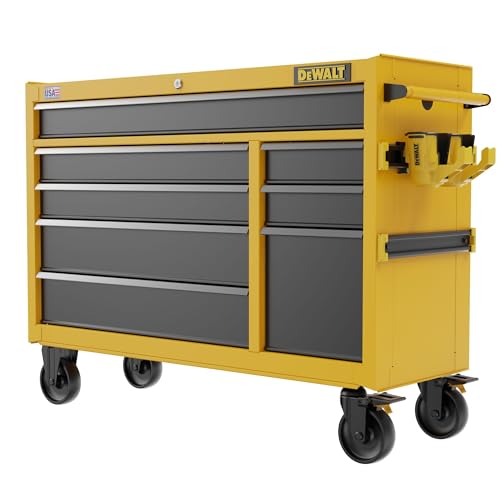
Storage units with drawers are useful. They provide space for smaller items and accessories. Use dividers to organize inside drawers. Keep drill bits, screws, and small parts in separate compartments. This prevents them from getting lost.
Tool Racks And Holders
Tool racks maximize vertical space in your shed. Install wall-mounted racks to hang frequently used tools. This keeps them off the floor and in sight. Magnetic strips can hold metal tools securely. Pegboards are another option for versatile storage. They allow you to arrange tools in any order.
Tool holders keep your shed tidy. Use them for items like screwdrivers and hammers. Hang holders at a height that is easy to reach. This saves time and effort during projects. Organizing tools efficiently makes using your shed more enjoyable.
Security Measures
Storing power tools in a shed requires careful security measures. Protecting your valuable equipment is essential. A well-secured shed deters theft and provides peace of mind. Let's explore key security strategies to keep your tools safe.
Locks And Alarms
Invest in high-quality locks for your shed doors. Padlocks or deadbolts increase security. Choose locks designed for outdoor use. They withstand weather conditions better. Consider adding an alarm system. Motion sensors can alert you to unauthorized entry. A loud alarm can scare off intruders.
Surveillance Systems
Install surveillance cameras around your shed. Cameras act as a deterrent. They capture footage of suspicious activity. Choose cameras with night vision. They work well in low-light conditions. Connect your cameras to a smartphone app. Monitor your shed remotely anytime.
Maintenance And Upkeep
Storing power tools in a shed is practical with the right precautions. Ensure the shed is dry and free from extreme temperatures. Regularly check tools for rust and damage to maintain their longevity.
Storing power tools in a shed can be a smart use of space, but it requires a commitment to maintenance and upkeep. Neglecting these can lead to rusted tools, damaged parts, and reduced efficiency. By taking simple, proactive steps, you can ensure your tools remain in top condition, ready for any project you undertake.
Regular Inspections
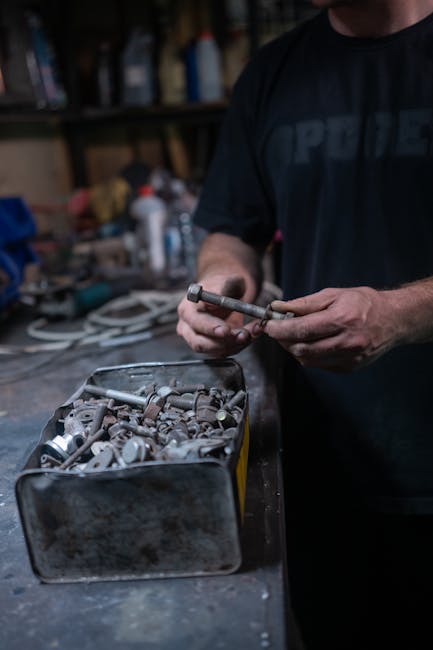
Inspect your tools regularly for any signs of wear or damage. Look for rust, worn-out components, or loose screws. This routine can prevent minor issues from becoming major problems. Imagine finding a rusted saw blade just before a big project. Regular checks can save you from such surprises.
Cleaning And Repairs
Clean your tools after every use. Dust, dirt, and moisture are their enemies. A damp cloth can work wonders on most surfaces. Use brushes for those hard-to-reach areas. If a tool is broken, fix it immediately. Delaying repairs can worsen the damage and cost more in the long run. Have you ever tried to fix something with a broken tool? It’s frustrating, isn’t it? Ensuring your tools are clean and in good repair not only makes them last longer but also makes your work more enjoyable. Think about how much more efficient you can be with tools that work perfectly. So, are your tools ready for your next project, or is it time for a little maintenance?
Safety Considerations
Storing power tools in a shed can be practical. Yet, safety is crucial. Considerations help prevent accidents. They ensure tools remain functional and safe. Safety practices protect both tools and users.
Hazard Prevention
Maintaining a clutter-free shed reduces risks. Tools should have designated spots. This prevents tripping hazards. Avoid placing tools on high shelves. They might fall and cause injury. Ensure electrical tools are dry. Moisture can lead to malfunctions or shocks.
Proper Tool Handling
Always unplug tools before storing. This prevents accidental activation. Read and follow tool manuals. They offer specific safety guidelines. Use protective gear when handling tools. Gloves and goggles shield you from potential harm. Inspect tools regularly for wear and tear. Replace damaged parts immediately.
Seasonal Storage Tips
Storing power tools in a shed requires careful planning. Different seasons demand different storage strategies. Protect your tools from weather changes to ensure longevity. Proper storage keeps your tools functional and safe.
Winterizing Tools
Cold weather can affect tool performance. Clean each tool before storage. Remove any debris or dirt. Lubricate moving parts to prevent rust. Store tools in dry areas inside the shed. Use silica gel packs to absorb moisture. Keep batteries indoors to avoid freezing.
Summer Storage Precautions
Heat can damage tool components. Store tools away from direct sunlight. Use ventilation to keep the shed cool. Check for signs of rust regularly. Keep tools on shelves, not the floor. Inspect cords for wear and tear. Avoid storing gas-powered tools with fuel inside.
Frequently Asked Questions
Can Power Tools Be Stored In A Shed?
Yes, you can store power tools in a shed. Ensure it's dry and well-ventilated to prevent rust. Use shelves or hooks to organize tools. Proper storage keeps them safe and functional.
What Conditions Are Ideal For Tool Storage?
Ideal tool storage conditions are dry and cool. Avoid extreme temperatures and humidity. Use airtight containers or rust inhibitors to protect tools. Regularly check for signs of rust or damage.
How Can I Prevent Tool Rust In A Shed?
Prevent rust by using dehumidifiers or silica gel packs. Keep tools clean and dry before storage. Consider applying a light coat of oil to metal parts for extra protection.
Is It Safe To Store Battery Tools In A Shed?
Yes, but ensure the shed is temperature-controlled. Extreme temperatures can damage battery life. Store batteries separately and charge them regularly to maintain their condition.
Conclusion
Storing power tools in a shed is practical and convenient. Protect your tools from damage with proper storage. Ensure they are dry and clean. Use shelves or hooks for organization. Keep tools away from direct sunlight. Safeguard against moisture and pests.
Regularly check for rust or wear. This will extend tool lifespan. A well-organized shed helps you find tools quickly. Safety first—store sharp tools out of reach. With these tips, your shed becomes a reliable storage space. Power tools stay in great condition.
Enjoy working on your projects with ease. Happy building!