Ever found yourself wondering if you can tackle that DIY project in your apartment? Maybe you're itching to hang a new shelf or fix a wobbly table leg, but you're unsure if it's okay to crank up the power tools.
You're not alone. Many apartment dwellers face this dilemma. It's not just about the noise; it's also about the rules, the safety, and the practicality of using power tools in a shared living space. You'll discover everything you need to know before you start your next project.
From understanding your lease agreement to tips on minimizing noise, we've got you covered. Dive in to find out how you can make the most of your DIY ambitions without stepping on any toes.
Apartment Living Challenges
Living in an apartment offers many conveniences. Yet, it comes with unique challenges. Power tools can be useful for DIY projects. But using them in apartments presents difficulties. Space is limited. Noise can disturb neighbors. Safety rules must be followed. Understanding these challenges is key to successful apartment living.
Space Limitations
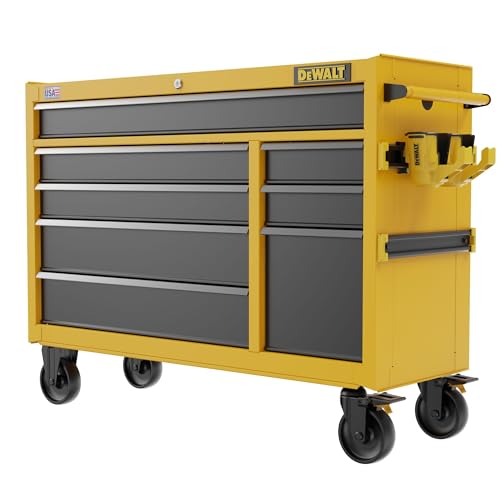
Most apartments have limited space. There is not much room for power tools. Large tools may not fit easily. Organizing a workspace can be hard. You need to be creative with storage. Compact tools might be a better choice. They save space and are easier to handle.
Noise Concerns
Power tools can be very loud. Apartments are close to neighbors. Noise travels easily through thin walls. Loud sounds can disturb others. Quiet hours are often enforced. Keep noise in mind when planning projects. Consider using tools during less busy times.
Safety Regulations
Safety is important in apartment buildings. Rules are in place to prevent accidents. Power tools can be dangerous. Proper safety gear is essential. Follow building guidelines for safe use. Be aware of fire hazards. Ensure tools are in good condition. Following rules keeps you and others safe.
Choosing The Right Tools
Using power tools in an apartment requires careful consideration of noise and safety. Choose tools with low noise levels to avoid disturbing neighbors. Ensure they are suitable for indoor use and follow safety guidelines to prevent accidents.
Choosing the right power tools for apartment use is crucial. Apartment spaces are typically compact. This means your tool selection should be thoughtful. Noise levels matter too. Consider tools that are versatile and easy to store. Here’s a guide to help you choose wisely.
Compact Power Tools
Compact tools are ideal for apartments. They fit easily into tight spaces. They are also easier to store. Compact drills and saws perform well in smaller areas. Their reduced size doesn't compromise on power. They make tasks manageable without cluttering your living space.
Multi-functional Devices
Multi-functional devices save space and money. These tools serve multiple purposes. A single device can handle drilling, sanding, and more. They reduce the need for multiple tools. This minimizes storage challenges in your apartment. Look for devices with interchangeable heads. This adds value to your toolkit.
Battery-powered Options
Battery-powered tools are convenient in apartments. They eliminate the need for cords. This is beneficial in tight areas. They offer flexibility and mobility. These tools are often quieter than corded versions. Their portability makes them ideal for apartment living. Look for long-lasting battery models. This ensures uninterrupted project completion.
Noise Reduction Strategies
Living in an apartment can present unique challenges, especially when it comes to using power tools. The noise can disturb neighbors and even lead to complaints. But there are effective strategies to reduce noise and keep peace with those living nearby. Let's explore some practical noise reduction techniques you can apply.
Soundproofing Techniques
Soundproofing your workspace can significantly reduce the noise produced by power tools. You might consider installing weather stripping around doors to seal gaps where sound can escape. Hanging heavy curtains or installing acoustic panels on walls can also absorb sound effectively.
Think about the floors too. A thick rug or carpet can muffle sound, preventing it from traveling to the apartment below. When I decided to work on a DIY project in my apartment, these simple soundproofing steps made a noticeable difference, making my neighbors much happier.
Using Noise Dampening Mats
Noise dampening mats are another excellent option for reducing sound. They can be placed under your tools to absorb vibrations and noise. They're particularly useful if you're using tools like a drill or sander that tend to vibrate a lot.
These mats come in various sizes and materials, so you can choose one that fits your needs. A friend once told me how she used a noise dampening mat under her sewing machine, and it worked wonders. Imagine how much quieter your power tools could be with this simple addition.
Selecting Quieter Tools
Technology has advanced significantly, and many manufacturers offer quieter versions of popular tools. When purchasing power tools, look for ones specifically designed for quieter operation. Tools with brushless motors are often quieter and more efficient.
Consider cordless options, as they tend to produce less noise than their corded counterparts. Have you ever experienced the surprising difference when switching to a quieter tool? It's like night and day—your apartment life and your neighbors will thank you.
By implementing these noise reduction strategies, you can enjoy working on your projects without causing disturbances. Which strategy will you try first to keep your apartment peaceful and productive?
Safety Precautions
Using power tools in an apartment can be risky. Safety precautions are crucial to prevent accidents and damage. Whether drilling, sawing, or sanding, understanding safety guidelines is vital. Let's explore key safety measures for using power tools in confined spaces.
Proper Ventilation
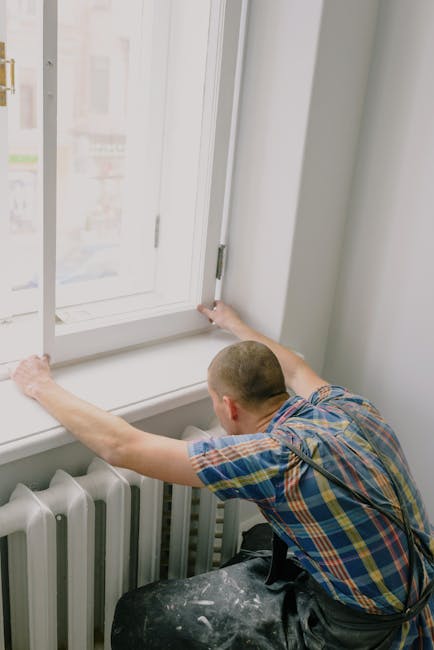
Ensure good airflow in your apartment. Power tools release dust and fumes. Open windows or use fans to circulate air. This reduces inhalation risks. Consider a portable air purifier for better air quality. Regularly clean filters and vents to maintain ventilation.
Safe Storage Solutions
Store tools securely to avoid accidents. Use sturdy shelves or cabinets. Keep tools out of children's reach. Label storage areas for easy access. Organize tools based on frequency of use. This ensures quick retrieval and safe storage.
Using Personal Protective Equipment
Wear protective gear for safety. Goggles protect your eyes from debris. Use earplugs to reduce noise exposure. Gloves safeguard hands from cuts and vibrations. Choose equipment that fits well and is comfortable. Regularly inspect gear for damage or wear.
Respecting Neighbors
Using power tools in an apartment can disturb neighbors. Choose quieter times to work and limit noise. Respect shared living spaces to maintain good neighborly relationships.
Living in an apartment means sharing walls and spaces. This makes respecting neighbors crucial. Using power tools can be noisy. It can disturb those living nearby. Being considerate helps maintain a peaceful community.
Setting Work Hours
Establish clear work hours for using power tools. Mid-morning to late afternoon works best. Avoid early mornings and late nights. These times are less disturbing. Check your apartment rules. Some places have noise restrictions.
Communicating With Neighbors
Talk to your neighbors before starting. A simple note or quick chat works. Explain your project and timing. This builds goodwill. Neighbors appreciate the heads-up. They feel respected and involved.
Handling Complaints
Stay calm if neighbors complain. Listen to their concerns. Apologize if needed. Offer solutions or adjustments. Maybe change your work hours. Show you're considerate. This can ease tensions and keep harmony. `
Legal Considerations
Using power tools in an apartment raises legal questions. You might wonder what rules apply. Before starting a project, it's crucial to understand legal considerations. This ensures you don't face unexpected troubles. Let's explore the key legal aspects you should know.
Reviewing Lease Agreements
First, check your lease agreement. It often outlines what you can do inside your apartment. Some leases restrict noise levels. Others might specify times for such activities. Look for sections about maintenance or noise. Understanding your lease prevents conflicts with your landlord.
Understanding Local Ordinances
Next, familiarize yourself with local ordinances. Cities have laws about noise pollution. These laws vary widely. Some places have strict rules. Others might be more lenient. Visit your city's official website. Find out what applies to your area. Ignoring these rules could lead to fines.
Checking Building Policies
Lastly, consider your building's policies. Each building has its own set of rules. These might include noise restrictions. Common areas could have specific guidelines. Talk to your building manager. Understanding these policies keeps you compliant. It also maintains good relations with neighbors.
Alternative Solutions
Living in an apartment often poses challenges for power tool enthusiasts. Noise restrictions and limited space can make it hard to use tools. But don't worry. There are alternative solutions available. These options let you work on projects without disturbing neighbors.
Rental Workshops
Consider renting a workshop space. Many cities offer spaces where you can use tools freely. These workshops come equipped with all the tools you need. You pay by the hour or day. This way, you work on projects without bothering anyone at home.
Community Maker Spaces
Community maker spaces provide a creative environment. They offer a wide range of tools and equipment. Joining a maker space gives you access to all these resources. Plus, you get to meet other DIY enthusiasts. This can be a great way to learn and share ideas.
Hiring Professional Services
Sometimes, hiring a professional can be the best choice. If a project seems too complex or loud, let the experts handle it. Professionals bring their own tools and expertise. This saves you time and avoids potential damage or complaints.
Frequently Asked Questions
Can I Use Power Tools In An Apartment?
Yes, but consider noise and safety regulations. Check your lease agreement for restrictions. Use tools during appropriate hours to avoid disturbing neighbors. Use quieter tools if possible.
What Are Quiet Power Tools For Apartments?
Quiet tools include cordless drills and electric screwdrivers. These tools are generally less noisy. Opt for brands known for quieter operations to reduce disturbance.
How To Minimize Noise From Power Tools?
Use noise-reducing mats or pads under your work area. Close doors and windows to contain sound. Work during hours when noise is less disruptive.
Are There Legal Restrictions On Using Power Tools?
Some apartments have noise ordinances. Check local laws and building rules. Violating these can lead to fines or lease termination.
Conclusion
Using power tools in an apartment requires careful planning. Be mindful of noise levels. Consider using quieter tools. Always check your apartment's rules. Ensure safety precautions are in place. Using power tools can be convenient. But respect for neighbors is crucial.
Renting tools might be an option. Explore alternatives like manual tools for small tasks. Always prioritize safety and courtesy. Enjoy your DIY projects responsibly. With proper planning, it is manageable. Make your apartment a pleasant space. Keep your projects efficient and respectful.
Follow guidelines and enjoy creating.