Imagine this: You're in your workshop, surrounded by buzzing power tools, ready to dive into your next big project. The excitement is palpable.
But wait—have you ever considered tweaking your power tools for better performance? If so, you might be stepping into dangerous territory. Tempting as it may be to unleash your inner innovator, modifying power tools can lead to disastrous consequences. Your safety, the tool's lifespan, and even the quality of your work are at stake.
We'll uncover why sticking to the manufacturer's design is essential. Stay with us to discover how protecting yourself from potential hazards can lead to more successful projects and peace of mind.
Importance Of Power Tool Safety
Power tools are essential in transforming ideas into reality, whether you're a DIY enthusiast or a professional. But the thrill of using them comes with a significant responsibility: ensuring safety. Understanding the importance of power tool safety can prevent accidents and save lives. Safety practices are not just guidelines; they're lifelines. When you prioritize safety, you protect yourself and those around you.
Why Safety Matters?
Have you ever heard of someone injured because they took shortcuts with safety? It's more common than you think. A small oversight can lead to severe consequences. By staying vigilant, you avoid the risk of injury and ensure your projects proceed smoothly.
The Risks Of Modifying Power Tools
Modifying power tools might seem like a shortcut to achieving better performance. However, this can lead to unpredictable behavior and increase the risk of malfunction. Remember, manufacturers design tools with specific safety features for a reason. Altering them could void these safeguards, putting you in danger.
Simple Safety Practices You Can Adopt
- Always read the manual before using any tool.
- Wear appropriate safety gear, like goggles and gloves.
- Keep your workspace clean and organized.
These practices might seem basic, but they are incredibly effective. A clean workspace reduces the risk of tripping or misplacing tools.
Personal Experience: A Lesson Learned
Years ago, I thought removing a safety guard would speed up my work. Instead, it led to a close call with injury. That experience taught me that safety features are there to protect, not hinder. Have you ever been tempted to skip a safety step? It's not worth the risk.
Are You Overlooking Safety In Your Projects?
Take a moment to reflect. Are you prioritizing safety when using power tools? It's easy to get caught up in the excitement of a project. But remember, no task is more important than your well-being. Consider if any of your current practices need a safety check.
Power tool safety is not just about following rules; it's about respecting the tools and yourself. Keep safety at the forefront, and you'll enjoy your projects without the worry of accidents.
Common Modifications And Risks
Power tools are designed with precision and safety in mind. Many users try to modify them for various reasons. These modifications can lead to serious risks. Understanding these risks can help prevent accidents and injuries.
Unauthorized Attachments
Some users attach parts not intended for the tool. These unauthorized attachments can cause the tool to malfunction. They might not fit properly, leading to dangerous situations. The tool’s performance can decline, making tasks harder and riskier.
Altered Electrical Components
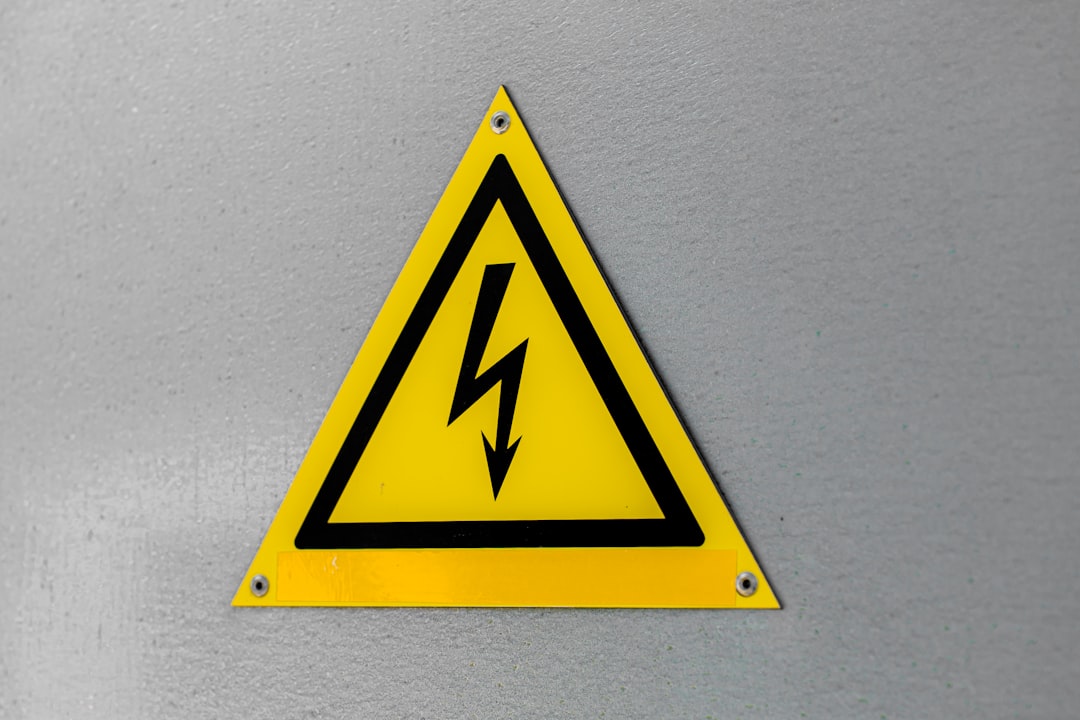
Changing electrical parts is a common modification. This includes rewiring or replacing components. Such alterations can lead to short circuits. They can also cause the tool to overheat. The risk of electrical shock increases significantly.
Structural Changes
Structural changes involve altering the tool's physical parts. Users might cut or modify the casing. This weakens the tool's structure. The tool can become unstable or break during use. These changes compromise the tool's integrity and safety.
Manufacturer Guidelines And Warnings
Altering a power tool can lead to dangerous outcomes. Safety features might not work as intended. Always follow manufacturer instructions to ensure safe usage. Modifications can void warranties and increase risk of accidents.
When you purchase a power tool, it often comes with a set of guidelines and warnings from the manufacturer. These are not just formalities but essential instructions designed to ensure your safety and extend the tool's lifespan. Ignoring these guidelines, especially when it comes to modifying the tool, can lead to hazardous situations.
Understanding User Manuals
User manuals are often overlooked, yet they hold valuable information. They offer detailed instructions on how to operate the tool safely. Reading the manual might reveal insights you hadn't considered, like the specific type of power source to use or the recommended maintenance schedule. User manuals also list out potential hazards and how to avoid them. Have you ever skipped reading a manual and later realized you missed a crucial warning? This is a common experience, and it underscores the importance of taking the time to read it thoroughly.
Warranty Implications
Modifying a power tool can void its warranty. Manufacturers design these tools with specific parameters in mind, and altering them can lead to unintended consequences. The warranty acts as a safety net, assuring you of the tool's quality. Once you make modifications, you risk losing this protection. It's much like tweaking your car's engine; the performance might improve temporarily, but you're on your own if things go wrong. Before you consider any modifications, ask yourself if the potential benefits outweigh losing the warranty. Often, the peace of mind that comes with a valid warranty is worth more than any performance boost you might gain.
Legal And Liability Considerations
Modifying power tools can lead to serious consequences. Legal issues and liability risks are significant. Understanding these factors is crucial for safety and compliance. Modifications might seem harmless, but they often violate laws and warranties. These actions can have severe repercussions.
Legal Consequences Of Modifications
Altering a power tool can void warranties. Manufacturers set specific guidelines for safety. Unauthorized changes break these terms. This means you lose protection from defects. If caught, you might face legal penalties. Laws vary by region, but penalties can include fines. In severe cases, criminal charges are possible. This is especially true if an altered tool causes harm.
Liability In Case Of Accidents
Modifying a tool increases accident risks. You could be held liable for damages. This includes injuries to yourself or others. Insurance might not cover accidents from modified tools. You might face lawsuits from injured parties. Legal costs can be high. Responsibility for medical expenses falls on you. This financial burden can be overwhelming. Safety should always come first.
Safe Alternatives To Modifications
Modifying power tools can be dangerous. It can also void warranties and create safety hazards. Fortunately, there are safer alternatives to modifying your tools. These alternatives ensure safety and maintain the integrity of the tool. Explore using approved accessories and consulting professionals for guidance.
Using Approved Accessories
Approved accessories enhance the functionality of your power tool. They are designed by manufacturers to fit perfectly with the tool. This ensures optimal performance and safety. Always check for compatibility before purchasing an accessory. Use only those recommended in the tool's manual.
Using approved accessories can extend the life of your tool. They prevent unnecessary wear and tear. You also reduce the risk of injury. Many accessories offer enhanced features. These can improve the efficiency of your work.
Consulting Professionals
Seek advice from professionals when unsure about tool use. They have the expertise to guide you safely. Professionals can recommend the best accessories for your needs. They also provide valuable tips on tool maintenance.
Consulting experts can prevent costly mistakes. They help you understand the limitations of your tool. You gain knowledge on safe usage practices. This ensures you use the tool effectively and safely.
Key Safety Practices
Modifying a power tool can lead to dangerous outcomes. Changes may cause malfunction or void the warranty. Always use tools as intended to ensure safety.
Ensuring safety while using power tools is crucial. Modifying these tools might seem like a way to enhance their performance, but it can often lead to hazardous situations. Let’s dive into some key safety practices that will keep you safe and your tools in top condition.
Regular Maintenance
Regular maintenance is your first line of defense against accidents. Think of it like taking your car for a routine check-up. Lubricate moving parts, tighten loose screws, and replace worn-out components. Check the user manual for specific maintenance schedules. This ensures the tool operates as designed, reducing the risk of malfunction. Have you ever ignored a minor issue only for it to become a bigger problem later? Tools are no different.
Proper Storage
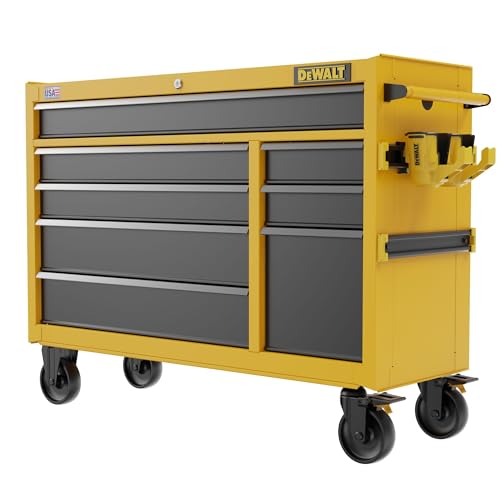
Proper storage of your power tools is vital for their longevity and your safety. Store them in a dry place, away from children and pets. Consider using wall mounts or toolboxes to keep them organized. This not only protects the tools but also prevents accidents. Imagine reaching for a hammer and accidentally knocking over a power saw—dangerous, right?
Using Protective Gear
Always use protective gear when operating power tools. Safety goggles, gloves, and ear protection can prevent injuries. Think about how many times you’ve seen someone using tools without safety glasses. It’s a risk not worth taking. Before you start any project, ensure you have the right gear. It’s a simple step that can make a big difference. Why risk your safety when these practices are simple to follow? Your safety should always come first. How do you plan to implement these practices in your daily routine?
Emergency Procedures
Working with power tools requires care and attention. Accidents can happen anytime. Knowing emergency procedures is crucial. Quick action can prevent serious injuries. Here, we cover essential steps to handle unexpected situations. Stay prepared. Protect yourself and others. Follow these guidelines to ensure safety during emergencies.
Handling Accidents
Accidents with power tools need immediate attention. First, stop the tool. Disconnect its power source. This prevents further harm. Assess the situation calmly. Check for injuries. Ensure the area is safe. Remove any hazards nearby. Call for help if needed. Quick thinking can save lives. Stay focused and composed during emergencies.
First Aid Tips
Knowing basic first aid is essential. It can make a big difference. For cuts or wounds, apply pressure. Use a clean cloth. This stops bleeding. Clean the wound gently. Use water if possible. Bandage the injury securely. For burns, cool the area with water. Do not use ice. Cover the burn with a clean, dry cloth.
If someone is unconscious, check their breathing. Begin CPR if necessary. Call emergency services immediately. Stay with the injured person until help arrives. Remember, your calmness and quick action are vital. Being prepared can prevent further harm.
Frequently Asked Questions
Why Is Modifying Power Tools Dangerous?
Modifying power tools can compromise their safety features, leading to malfunctions or accidents. Alterations might void warranties and violate safety regulations. Unintended changes can increase the risk of injury. Always use tools as intended by manufacturers.
Can Modifications Void Power Tool Warranties?
Yes, modifying power tools often voids their warranties. Manufacturers design tools with specific safety and performance standards. Alterations can disrupt these standards. A voided warranty means you lose coverage for repairs or replacements.
What Are Common Power Tool Modifications?
Common modifications include changing blades, altering power supply, or adding attachments. These changes can affect tool performance. They might also compromise safety features. Always consult the tool's manual before making any changes.
Are There Legal Issues With Power Tool Modifications?
Yes, modifying power tools can lead to legal issues. Alterations can violate safety standards and regulations. This can result in fines or liability in case of accidents. Always ensure compliance with local laws and regulations.
Conclusion
Modifying power tools can lead to serious risks. Safety should always be a priority. Original designs ensure proper function and user protection. Alterations can void warranties and cause malfunctions. Remember, tools are engineered for specific tasks. Changing them can disrupt performance.
Always use tools as intended. Respect manufacturer's guidelines for safe use. Proper maintenance extends tool life and efficiency. Stay informed and protect yourself from potential hazards. Your well-being depends on smart decisions. Prioritize safety over shortcuts. Make wise choices in tool use.
Stay safe and keep your tools in top condition.