
Have you ever wondered what it takes to keep a horse's teeth in tip-top shape? The answer might surprise you.
More people than you think are using power tools to float horse's teeth. But why would anyone use such tools on these majestic animals? And is it really necessary for their health? By diving into this intriguing topic, you'll uncover fascinating insights about equine care that could change how you think about maintaining a horse's oral health.
Stick around, because what you learn could not only satisfy your curiosity but also equip you with knowledge that’s crucial if you’re involved in the equestrian world.
Horse Dental Care
Caring for a horse's teeth is vital. Healthy teeth ensure proper eating and nutrition. Horses need regular dental check-ups. Floating is common in horse dental care. It involves smoothing sharp edges on teeth. Power tools often aid this process.
Importance Of Dental Health
Dental health affects a horse's overall well-being. Good teeth prevent food from getting stuck. They reduce pain and discomfort during chewing. Healthy teeth help with efficient digestion. Proper dental care can lead to a longer life for horses.
Common Dental Issues
Horses face several dental problems. Overgrown teeth can cause pain. Sharp edges may injure cheeks and tongue. Uneven teeth wear leads to improper chewing. Some horses develop infected gums. Regular checks help catch these issues early.
Traditional Methods
Many people still prefer traditional methods over power tools to float horse's teeth. Hand tools offer precision and safety, maintaining a gentle approach during the process. This technique prioritizes the horse's comfort and well-being.
Floating a horse's teeth is an essential part of equine dental care, a practice that has evolved over generations. Before power tools became prevalent, many people relied on traditional methods to maintain their horse's dental health. These methods, though sometimes seen as old-fashioned, still hold value today. They offer a tactile approach that connects you directly with the animal, allowing you to understand its needs in a way that machinery can't. Let's explore these traditional techniques and their benefits.
Manual Floating Tools
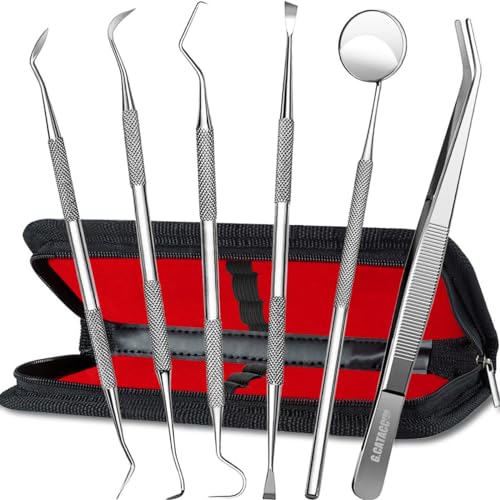
In the past, horse owners used manual floating tools like rasps and files to smooth out sharp edges on a horse's teeth. These tools require skill and patience but are effective in the hands of someone trained in their use. While they don't offer the speed of power tools, they provide a level of precision that many appreciate. Imagine standing in the stable with a horse, using a hand rasp—you're not just working on teeth, you're building trust and rapport. Manual tools demand focus, allowing you to notice subtle changes in the horse's behavior, indicating discomfort or acceptance. This hands-on approach can be incredibly rewarding for those who cherish the connection with their animals.
Advantages Of Hand Tools
Hand tools come with their own set of advantages. They are generally more affordable and require less maintenance than power tools, making them accessible for many horse owners. Moreover, they are quieter, which can be less stressful for both you and your horse, especially if the animal is nervous around machinery. Using hand tools also gives you control over the pressure and angle, reducing the risk of damaging the horse's teeth. It's a technique that requires skill but offers a level of finesse that power tools might not provide. Have you ever considered the benefits of slowing down and focusing on the task at hand? With manual tools, you're doing just that, ensuring a job well done. Finally, manual tools allow you to be more in tune with your horse's reactions. If you notice discomfort or resistance, you can adjust your technique immediately. This adaptability is crucial in providing customized care for each horse, enhancing their health and well-being. So, while power tools might be the norm today, traditional methods still offer unique advantages that are worth considering. Would you choose the tactile satisfaction of hand tools over the efficiency of power tools? The answer may depend on what you value most in your relationship with your horse.
Introduction To Power Tools
Power tools have become essential in various fields, including equine dentistry. They offer precision and efficiency in tasks that require meticulous work. Floating a horse's teeth is one such task. It involves smoothing the horse's molars to prevent discomfort and health issues. This process demands accuracy and patience. Traditional methods were time-consuming and labor-intensive. Power tools have transformed this practice, making it easier and faster for veterinarians.
Types Of Power Tools
Several power tools assist in equine dental care. The most common is the power float. It smooths the horse's teeth quickly and accurately. Another tool is the dental drill. It helps in reshaping teeth with precision. Battery-operated tools are gaining popularity too. They offer flexibility and ease of use. These tools are lightweight and portable, ideal for fieldwork. Each tool serves a specific purpose, enhancing the dentist's efficiency.
Evolution In Equine Dentistry
Equine dentistry has evolved significantly over the years. Early methods were manual and required great skill. With technological advances, power tools emerged in the field. They brought accuracy and reduced procedure time. This evolution has improved horse welfare. Veterinarians now perform dental procedures with more confidence. Horses experience less stress and discomfort during treatment. Power tools have become a staple in modern equine dentistry, ensuring better outcomes.
Benefits Of Power Tools
Using power tools to float horse's teeth offers many benefits. These tools provide more than just ease of work. They enhance the overall dental care process for horses. With advanced technology, they bring efficiency, precision, and comfort. Let's explore the benefits of using power tools in equine dentistry.
Efficiency And Speed
Power tools work faster than manual tools. This saves time for the vet and the horse. A faster process means less stress for the horse. It also allows more horses to be treated in a day. This boosts productivity in veterinary practices.
Precision And Accuracy
Power tools provide precise and accurate results. They ensure even floating of the teeth. This helps prevent dental issues in horses. Accurate work reduces the need for follow-up treatments. It also ensures better health for the horse.
Ergonomic Advantages
Power tools are designed with ergonomics in mind. They reduce strain on the vet's hands and wrists. This makes the dental procedure more comfortable. Ergonomic tools also help prevent injury. They allow vets to work longer without discomfort.
Challenges And Concerns
Many people face challenges when using power tools to float horses' teeth. Concerns about safety and proper technique arise. Proper training is essential to prevent harm to both horses and users.
Floating a horse's teeth with power tools is a practice that comes with its own set of challenges and concerns. While technology offers precision and efficiency, it also introduces risks and responsibilities. Understanding these challenges is crucial for horse owners and equine professionals alike. Let's delve into some of the key concerns.
Safety Concerns
Safety is the foremost concern when using power tools around horses. Horses are naturally anxious creatures, and the sound and vibration of power tools can easily startle them. An unexpected movement can lead to injuries for both the horse and the handler. Consider the potential for accidents. Without proper restraint and sedation, horses can react unpredictably. Imagine the chaos if a power tool slips at the wrong moment. Additionally, the risk of overheating is real. Power tools can generate heat that may harm the sensitive tissues in a horse's mouth. This emphasizes the need for careful monitoring.
Cost Implications
The initial investment in power tools for equine dentistry can be significant. High-quality tools come with a hefty price tag, which may not be feasible for everyone. Moreover, maintenance and repairs add ongoing costs. Regular servicing is essential to ensure tools function safely and effectively. For those considering hiring a professional, the cost of services can vary. It's important to weigh the benefits against your budget constraints.
Skill And Training Requirements
Operating power tools for dental work requires specialized skills. This isn't something you can master overnight. Adequate training is necessary to ensure the safety and well-being of the horse. Many equine professionals undergo extensive training and certification. This ensures they understand the nuances of equine anatomy and dental care. Are you prepared to invest the time and effort needed to acquire these skills? The commitment is significant, but so are the rewards of providing quality care to horses. Understanding these challenges can help you make informed decisions about using power tools for floating horse teeth. It's a choice that demands serious consideration and preparation.
Current Usage Trends
The landscape of equine dentistry has seen some significant shifts recently, especially with how professionals approach floating horse teeth. The use of power tools in this field is gaining traction, but how widespread is this trend? Let’s dive into the current usage trends to understand the dynamics at play.
Adoption Among Professionals
Equine dentists and veterinarians are increasingly turning to power tools for floating horse teeth. These tools offer precision and efficiency that manual tools often can't match. Many professionals appreciate the reduction in time and effort required, allowing them to serve more horses without compromising on quality.
However, not everyone is on board. Some traditionalists argue that manual tools provide a tactile feedback that's crucial for nuanced dental work. If you're considering switching to power tools, weigh the benefits against your own comfort and expertise.
Regional Variations In Use
The adoption of power tools is not uniform across the globe. In countries like the United States and Australia, power tools are more commonly used due to advanced training and availability. Meanwhile, regions with less access to the latest technology may stick to traditional methods.
Cost is another factor affecting regional variations. Power tools can be expensive, which can be a barrier for some equine practitioners. Would you invest in these tools knowing they could improve efficiency, or do budget constraints make manual tools your go-to?
As with any emerging trend, the key is to stay informed. Talk to colleagues, attend workshops, and keep an eye on new studies. Your approach to equine dental care could benefit greatly from understanding these current usage trends.
Comparative Effectiveness
Floating a horse's teeth involves smoothing sharp edges. This helps the horse chew better. Professionals use various tools to do this. Power tools offer a modern approach. Traditional tools rely on manual techniques. Understanding their effectiveness is crucial for horse care.
Power Tools Vs. Traditional Tools
Power tools work faster. They save time for the dentist. Traditional tools demand more effort. They require skill and patience. Power tools might be easier for beginners. Traditional tools offer more control. Choosing between them depends on the situation.
Case Studies And Testimonials
Many experts share their experiences. Power tools have gained popularity. Some cases show improved results. Others prefer traditional methods. Testimonials highlight personal preferences. Each method has its supporters. Real stories help others decide.
Future Of Equine Dentistry
Many equine dentists now use power tools to float horse's teeth. These tools offer precision and efficiency. They ensure better dental care, improving the horse's health and comfort.
The future of equine dentistry is unfolding right before our eyes, and it's more exciting than ever. Innovations in technology are transforming how we care for horses' dental health. As traditional methods evolve, you may wonder how these advancements could change the way we float horse's teeth.
Technological Advancements
In recent years, power tools have become more prevalent in equine dentistry. These tools offer precision and efficiency, reducing the time it takes to float a horse's teeth. Imagine having the ability to address dental issues more accurately and swiftly, ultimately improving the horse's overall health. Advanced power tools come equipped with features that ensure safety and effectiveness. Some models even include adjustable settings to cater to the unique needs of each horse. This adaptability ensures that every dental procedure is as gentle and precise as possible.
Potential For Broader Adoption
With technology advancing, you might wonder if more equine dentists will adopt these tools. The answer seems to be trending towards yes. As veterinarians and equine dental technicians become more familiar with power tools, their confidence in using them grows. The benefits of using power tools for floating teeth are clear: they provide a more thorough and less stressful experience for the horse. As positive outcomes increase, so does the likelihood of broader adoption. Have you considered how these advancements might influence your own approach to equine dental care? As the equine dentistry field continues to evolve, staying informed is crucial. Whether you're a horse owner or a professional in the industry, understanding these technological shifts could make a significant difference in how you care for your horses. Are you ready to embrace the future of equine dentistry?
Frequently Asked Questions
Why Use Power Tools For Horse Teeth Floating?
Power tools can make floating horse teeth more efficient and precise. They help in removing sharp edges and correcting dental issues. Using power tools can reduce the time needed for the procedure. They ensure a smoother finish compared to traditional hand tools.
Are Power Tools Safe For Horses' Dental Care?
Yes, when used by trained professionals, power tools are safe for horses. They minimize discomfort and improve dental health. Proper training ensures the tools are used correctly, reducing risks. Regular maintenance of tools also contributes to safety during procedures.
How Do Power Tools Benefit Equine Dental Health?
Power tools provide precise corrections to dental issues in horses. They can reach areas that are difficult with hand tools. Efficient removal of sharp points ensures better chewing. Overall, they contribute to improved digestion and health in horses.
What Types Of Power Tools Are Used?
Common power tools include dental floats and grinders. They are designed specifically for equine dental care. These tools offer controlled movement and precise adjustments. Veterinarians choose tools based on the horse's specific dental needs.
Conclusion
Power tools in horse dentistry intrigue many owners today. Their popularity grows due to efficiency. Traditional methods still exist, but tools offer speed. Many find them easier and more precise. Concerns about safety are valid. Proper training remains crucial for all involved.
Experts advise careful use to avoid harm. The choice between manual and power tools depends on personal preference. The right method ensures healthy equine teeth. Owners should consult professionals for guidance. Always prioritize the horse's comfort and health. Consider all options before making decisions.
Both methods have unique advantages and challenges. Make informed choices for the best outcomes.