Are you ready to build your very own electric guitar? Imagine the thrill of creating an instrument that reflects your style and sound.
Whether you're a seasoned guitarist or a curious beginner, hand-building an electric guitar is a rewarding experience that blends craftsmanship with creativity. But where do you start? The secret lies in having the right tools. In this guide, you’ll discover the essential tools that make the guitar-building process smoother and more enjoyable.
Picture yourself holding your finished guitar, knowing every inch of it was crafted by your hands. With the right tools, this dream can become a reality. So grab your toolkit, and let's dive into the world of guitar building, where each tool is a step closer to your masterpiece.
Essential Hand Tools
Crafting an electric guitar by hand is a rewarding experience. It requires patience, skill, and the right tools. Essential hand tools are the backbone of any guitar-building project. These tools shape the wood, refine the design, and ensure precision. Understanding each tool's purpose helps build a guitar that sounds and looks great.
Saws And Cutting Tools
Saws are crucial for cutting the wood to size. A coping saw offers flexibility for intricate cuts. A fine-toothed saw is ideal for smooth edges. Precision in cutting ensures a perfect fit for guitar parts. A handheld jigsaw is useful for more complex curves. Sharp blades make the work easier and safer.
Files And Rasps
Files and rasps refine the guitar's shape. They smooth rough surfaces and edges. A flat file helps level the neck and fretboard. Rasps are perfect for shaping the body's curves. Choosing the right file size ensures controlled and precise work. These tools create a professional finish.
Clamps And Vices
Clamps and vices secure parts during assembly. They hold pieces steady while gluing or drilling. A bench vice provides stability for detailed work. Quick-grip clamps are handy for holding wood tightly. Proper use of clamps prevents unwanted movement. Secure placement ensures accuracy in construction.
Power Tools For Precision
Creating your own electric guitar is a thrilling journey, where precision is key. Power tools offer the accuracy needed to turn your vision into reality. Whether you're a seasoned luthier or a beginner, the right tools make all the difference. You might wonder, how do these tools contribute to the intricacy of your build?
Drills And Drill Bits
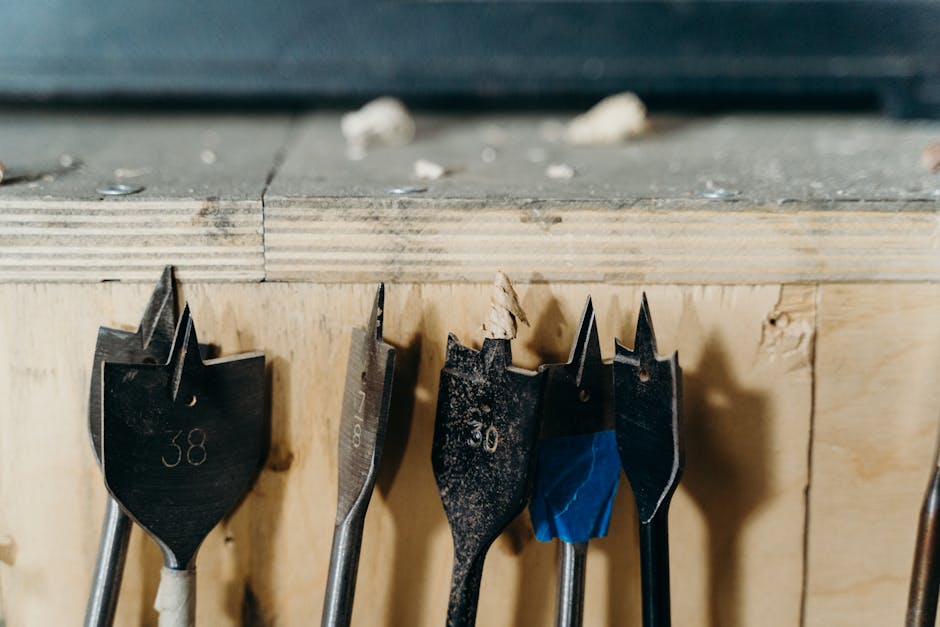
Drills are essential for making precise holes for tuning pegs and bridge screws. A cordless drill offers flexibility, letting you work without worrying about tangled cords. Choose drill bits that match the size of your hardware for a snug fit. A set of bits in varying sizes is ideal, ensuring you have options for different parts of the guitar. Remember, drilling slowly helps maintain control and prevents damage to your wood.
Routers And Router Bits
Routers allow you to carve out spaces for pickups and electronics with precision. A plunge router is particularly useful, letting you adjust depth without compromising accuracy. Router bits come in various shapes and sizes; a straight bit is perfect for clean cavities. Your control over the router impacts the quality of your cuts. Practice with scrap wood to gain confidence and refine your technique.
Sanders And Sandpaper
Sanding is crucial for achieving a smooth finish on your guitar's body. An orbital sander is a great choice, offering consistent results without leaving marks. Use a variety of sandpaper grits, starting with coarse and moving to fine for a polished look. Pay attention to edges and curves, ensuring they're smooth to the touch. The satisfaction of running your hand over a perfectly sanded surface is unmatched.
Have you ever felt the joy of seeing your guitar take shape, piece by piece? Each tool has a role in your creative process, enhancing your craftsmanship. What power tool do you think will make the biggest impact on your build?
Measuring And Marking
Creating an electric guitar by hand requires precision and accuracy. Measuring and marking are crucial steps in this process. They ensure each component fits perfectly. Proper tools make this task easier and more efficient. Using the right tools helps achieve the desired sound and appearance.
Rulers And Calipers
Rulers are essential for measuring lengths accurately. They help in cutting wood to the correct size. Use a metal ruler for durability and precision. Calipers measure thickness and diameter. They provide exact measurements for parts like the neck and frets. Digital calipers offer easy-to-read displays. They ensure accuracy and reduce errors.
Squares And Protractors
Squares are vital for checking right angles. They ensure the neck aligns properly with the body. A carpenter's square is a popular choice. Protractors measure angles accurately. They help in designing the headstock and fretboard layout. Using these tools ensures symmetry and balance in the guitar's design.
Marking Gauges
Marking gauges are used for drawing precise lines. They help in outlining where to cut or shape. A wheel marking gauge is ideal for woodwork. It offers clean and consistent lines. Marking gauges are adjustable for different depths. They are essential for crafting a well-balanced guitar body.
Finishing Tools
Creating an electric guitar is an art. Finishing tools are crucial. They give the guitar its final look and feel. These tools enhance beauty and protect the instrument. They make the guitar shine and last longer. The right finishing tools make all the difference.
Paints And Lacquers
Paints add color to the guitar body. Lacquers provide a protective layer. They keep the paint vibrant and durable. Choose high-quality products for best results. They ensure a smooth finish. This gives the guitar a professional appearance.
Polishing Compounds
Polishing compounds smooth out the guitar surface. They remove tiny scratches and imperfections. These compounds add shine to the finish. They make the guitar look polished and new. Using them is simple and effective.
Buffing Tools
Buffing tools bring out the gloss in the finish. They work well with polishing compounds. These tools include buffing pads and wheels. They add depth and brilliance to the guitar. Buffing tools make the surface smooth and shiny.
Safety Equipment
Building an electric guitar by hand requires proper safety equipment. Protective goggles, dust masks, and earplugs are essential. Gloves and aprons help shield against sharp tools and harmful chemicals.
When hand building an electric guitar, safety should be your priority. The process involves tools and materials that can pose risks. Therefore, using the right safety equipment is crucial. It protects you from potential hazards in your workshop. Let's explore some essential safety gear.
Safety Glasses
Safety glasses protect your eyes from flying debris and dust. Woodworking and cutting metal can send particles flying. These particles can cause serious eye injuries. Choose glasses that fit well and are comfortable. Ensure they meet safety standards for impact resistance.
Hearing Protection
Power tools often generate loud noises. Prolonged exposure can damage your hearing. Use earmuffs or earplugs to reduce noise levels. They are easy to wear and provide essential protection. Consider investing in quality hearing protection for long-term use.
Dust Masks And Respirators
Sanding and cutting create dust and fine particles. Inhaling these can harm your lungs. Dust masks and respirators filter out these particles. Opt for a mask that fits snugly and offers good filtration. A respirator is recommended for more intensive tasks. It provides better protection against harmful dust and fumes.
Storage And Organization
Building electric guitars requires many tools. Keeping them organized boosts efficiency. A tidy workspace makes crafting more enjoyable. Proper storage ensures tools stay in good condition. Let's explore some storage solutions.
Toolboxes And Cabinets
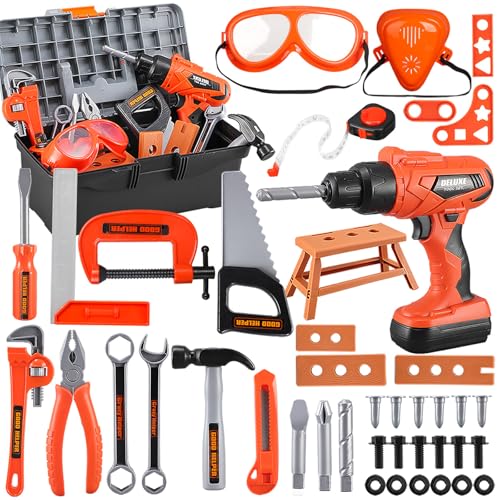
Toolboxes offer compact storage for your hand tools. They protect items from dust and damage. For larger storage, cabinets are ideal. Cabinets have shelves for arranging tools neatly. Both options keep your workspace clutter-free.
Workbenches
A sturdy workbench is essential. It provides a flat surface to work on. Many workbenches have built-in storage options. Drawers and shelves can hold smaller tools. A clutter-free workbench improves focus and precision.
Pegboards And Racks
Pegboards are great for organizing tools. Hang tools on hooks for easy access. Pegboards save space by using vertical storage. Racks are also useful for larger tools. Both solutions keep tools visible and within reach.
Frequently Asked Questions
What Tools Do I Need To Build A Guitar?
To build an electric guitar, you'll need basic woodworking tools like a saw, drill, and sander. Additionally, specialized tools such as fret files, nut files, and wiring kits are essential for precise crafting. Consider investing in a soldering iron for electronics and a tuner for setup.
How Do I Choose The Right Guitar Building Tools?
Choosing the right tools depends on your skill level and budget. Beginners can start with basic kits, while experienced builders may prefer professional-grade tools. Prioritize tools that ensure precision and durability. Research reviews and seek advice from guitar-building communities to make informed decisions.
Are Specialized Tools Necessary For Guitar Building?
Yes, specialized tools are crucial for accurate and efficient guitar building. While some basic tools can suffice, specialized tools like nut files and fret crowning files ensure quality and precision. Investing in these tools enhances the craftsmanship and playability of your electric guitar.
Can I Build A Guitar Without Expensive Tools?
Yes, it's possible to build a guitar without expensive tools. Many builders use cost-effective alternatives and DIY solutions. Basic woodworking tools combined with creativity can achieve impressive results. However, investing in quality tools enhances precision, durability, and overall quality of your electric guitar.
Conclusion
Choosing the right tools makes guitar building fun and rewarding. Each tool serves a unique purpose, aiding your craftsmanship. These tools help shape, assemble, and fine-tune your instrument. Precision is key; quality tools ensure accuracy. Start with basic hand tools and gradually expand your toolkit.
Practice patience and enjoy the creative process. Every guitar builder's journey is unique. Experiment, learn, and grow with each project. Your efforts bring your electric guitar vision to life. Craft with passion and dedication. Happy building!