
Ever tried fixing your car engine and felt overwhelmed by the sheer complexity of it? One tool that could make your life a whole lot easier is the valve spring compressor hand tool.
You might be wondering, what exactly is this tool, and why do you need it? Imagine having the power to maintain and repair your engine with ease, saving both time and money. This tool is the unsung hero in the world of automotive repair, designed to help you remove and install valve springs without the hassle.
By the end of this article, you'll understand how this tool works and why it's a must-have for anyone serious about engine maintenance. Ready to dive in and unlock the secrets of efficient engine repair? Let's get started!
Valve Spring Compressor Basics
Understanding the basics of a valve spring compressor hand tool is essential for anyone looking to perform engine maintenance or repair. Whether you're a seasoned mechanic or a DIY enthusiast, knowing how to use this tool can save you time and prevent costly mistakes. Valve spring compressors are pivotal in safely removing and installing valve springs in the engine. Let's break down the essentials you need to know.
What Is A Valve Spring Compressor?
A valve spring compressor is a specialized tool designed to compress valve springs in an engine. These springs play a crucial role in engine operation, keeping the valves closed under high pressure. Compressing the springs allows you to remove the valve retainers and perform necessary repairs or replacements.
Imagine trying to remove a spring without the right tool—it's like attempting to unscrew a tightly fastened bolt with your bare hands. You need the right leverage and grip, which is precisely what a valve spring compressor provides.
Why Do You Need A Valve Spring Compressor?
Without a valve spring compressor, accessing the valve springs can be difficult and potentially dangerous. These springs are under significant tension, and improper handling can lead to injury or damage to engine components. Using a compressor ensures a safe and efficient process.
Think about it: Would you rather risk injury or have a tool that makes the job easier and safer? The choice is clear. A valve spring compressor is a must-have for any serious engine work.
Types Of Valve Spring Compressors
Valve spring compressors come in various types, each suited for different engine designs. Hand-operated models are popular for their portability and ease of use. They offer precise control over compression, making them ideal for small to medium-sized engines.
- Lever Type:Best for quick jobs and straightforward applications.
- Clamp Type:Offers more stability and control, perfect for larger engines.
Choosing the right type depends on your specific needs and the engine you're working on. A lever type might be your best friend for a quick fix, while a clamp type is reliable for more intensive tasks.
Tips For Using A Valve Spring Compressor
Using a valve spring compressor requires precision and patience. Always ensure the tool is properly aligned with the valve spring to avoid slipping or damaging the spring. Start by compressing the spring slowly to gauge the tension and adjust accordingly.
- Read the manual and understand your specific compressor model.
- Wear safety gear to protect yourself from any mishaps.
- Practice on a spare part if you're new to using the tool.
Remember, safety and precision go hand in hand when dealing with engine parts. Would you agree that patience and attention to detail make all the difference?
Purpose And Importance
A valve spring compressor hand tool helps in safely removing and installing valve springs in engines. This tool is essential for maintaining engine performance. It prevents damage to engine components during repairs. Its use ensures precise and efficient engine servicing.
Valve spring compressors are essential hand tools for anyone working with engines. Their purpose is simple yet crucial: they help you safely remove and install valve springs. Without them, the task becomes a risky endeavor, prone to errors and potential damage. Valve springs are vital components in your engine's operation. But why is their management so important?
Purpose: Ensuring Safe Removal And Installation
The primary function of a valve spring compressor hand tool is to safely compress the valve springs. This tool is indispensable when you're replacing worn-out springs or performing engine maintenance. Imagine trying to remove a tightly coiled spring without the right equipment. It's like trying to hold back a flood with a bucket—inefficient and dangerous. Using the compressor tool reduces the risk of damaging engine parts. It ensures that the springs are compressed uniformly. This uniform compression prevents accidental release, which can lead to injury or damaged components.
Importance: Protecting Your Engine's Integrity
Maintaining the integrity of your engine is critical for its performance. Valve springs play a key role in engine timing and efficiency. If they are not correctly managed, the engine can suffer from reduced performance or even complete failure. By using a valve spring compressor, you protect the engine's precision components. It ensures that springs are installed correctly, maintaining the engine's timing and function. Skipping this tool would be like trying to drive a car with flat tires—possible, but not advisable.
Practical Insight: Save Time And Money
Think about the cost of engine repair or replacement. A simple mistake during spring installation can lead to expensive fixes. Using a valve spring compressor not only saves your engine but also saves you from unnecessary expenses. Time is another factor. The tool simplifies the process, making it quicker and more efficient. Wouldn't you prefer spending your time driving your car rather than fixing it?
Engagement: Are You Equipped?
Do you have the right tools for your engine maintenance? You might be tempted to skip the valve spring compressor, but consider the risks. Are you willing to gamble with your engine's health? Equipping yourself with the right tools is a proactive step in engine maintenance. It reflects your commitment to care and longevity. So, is your toolbox ready for the task? Incorporating a valve spring compressor in your toolkit is not just a choice; it's a necessity for anyone serious about engine care.
Types Of Valve Spring Compressors
Valve spring compressors are essential for replacing or repairing valve springs. Understanding the types can help you choose the right tool. Each type has unique features and benefits. Below are some common types of valve spring compressors.
C-clamp Compressors
C-Clamp compressors are popular for their simplicity and efficiency. They have a C-shaped frame that holds the spring in place. This type is ideal for small engines and tight spaces. It offers excellent control during compression. You adjust it by turning a screw to compress the spring. This tool is reliable for many engine types.
Lever Action Compressors
Lever action compressors are user-friendly and quick to operate. They use a lever mechanism to compress the spring. This design allows for faster spring removal and installation. It is suitable for those who need to change springs often. Lever action compressors are often used in professional settings. They provide a good balance of speed and precision.
Universal Compressors
Universal compressors are versatile and adaptable. They can fit various engine types and sizes. This tool is perfect for those working on different vehicles. It features adjustable arms to suit different spring configurations. Universal compressors offer flexibility and are a valuable addition to any toolbox. They ensure you have the right tool for any job.
Key Features To Consider
Understanding the key features of a valve spring compressor hand tool is essential. This tool is crucial for engine maintenance and repair. Selecting the right tool can streamline your work and ensure safety. Let's delve into the important aspects that make a valve spring compressor hand tool reliable.
Material And Build Quality
Material quality matters significantly in tool durability. Strong materials like steel ensure long-lasting performance. A sturdy build prevents bending under pressure during use. Check for corrosion-resistant coatings that enhance lifespan. Quality materials contribute to reliability and safety.
Ease Of Use
User-friendly design simplifies the process of compressing valve springs. Ergonomic handles reduce fatigue during long tasks. Look for tools with adjustable features for various spring sizes. Simple mechanisms save time and effort. Consider tools that require minimal additional equipment.
Compatibility With Engines
Ensure the tool fits the engine type you work on. Different engines need specific compressor tools. Compatibility avoids damage to engine components. Verify the tool’s adaptability to different engine sizes. Proper fitment ensures efficient and safe spring compression.
Step-by-step Usage Guide
A valve spring compressor hand tool helps remove and install valve springs in an engine. It ensures safe and efficient engine maintenance. This tool is essential for mechanics working on engine repairs and adjustments.
If you've ever been curious about how to use a valve spring compressor hand tool, you're in the right place. This tool is essential for safely removing and installing valve springs in an engine. Whether you're a seasoned mechanic or a DIY enthusiast, understanding the correct usage can save you time and prevent costly mistakes. Let's walk through the process step by step.
Preparation And Safety Measures
Before jumping into the task, preparation is crucial. Start by gathering all necessary tools and materials. This includes the valve spring compressor, safety glasses, and gloves. Ensure your workspace is clean and well-lit. This reduces the risk of losing small parts or making errors due to poor visibility. Always wear safety gear to protect yourself from potential hazards. Take a moment to familiarize yourself with the compressor tool. Read the manufacturer's manual if available. This will help you understand any specific instructions or precautions.
Mounting The Compressor
Now, it's time to mount the compressor. First, position the engine so you have easy access to the valve springs. You might need to remove other components to get a clear view. Secure the compressor onto the valve spring. Ensure it's aligned correctly to prevent slippage. A steady hand is essential here. Tighten the tool gradually. This should hold the spring securely without causing damage. If you're unsure, check if it's stable by gently tapping the spring.
Compressing And Releasing Springs
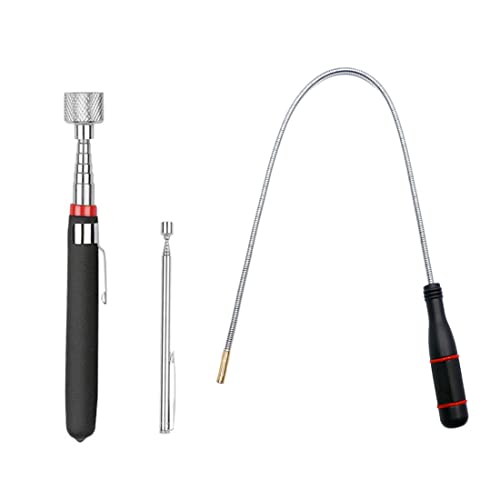
With the compressor in place, start compressing the spring. Turn the tool's handle slowly. This will compress the spring gradually, allowing you to remove the valve keepers. Once the spring is compressed, carefully remove the keepers. You might find it helpful to use a magnetized tool for easy removal. When releasing the spring, do it slowly. Rapid release can cause the spring to fly off, posing a safety risk. Always keep your face and body clear of the spring's path. Have you ever noticed how a small mistake can lead to bigger problems in car maintenance? Double-check everything before moving on to the next spring. This attention to detail can save you from redoing the work and ensures your engine runs smoothly.
Maintenance And Care Tips
Proper maintenance of a valve spring compressor hand tool extends its life. Regular care ensures it performs well and remains safe to use. By following simple maintenance and care tips, you can keep your tool in excellent condition. This guide provides useful tips for cleaning, storage, and inspection.
Cleaning And Storage
Clean the tool after each use to remove dirt and grease. Use a soft cloth or brush to wipe away residue. Avoid using harsh chemicals that can damage the material. Ensure the tool is dry before storing. Moisture can lead to rust. Store in a dry, cool place away from direct sunlight. Proper storage prevents damage and prolongs the tool's life.
Inspecting For Wear And Tear
Regularly inspect your valve spring compressor for signs of wear. Look for cracks, bends, or any unusual marks. Check moving parts for smooth operation. A tool with wear can be unsafe. Replace any damaged parts immediately. Keep an eye on springs and screws, ensuring they're tight and not worn out. Regular inspection helps maintain safety and efficiency.
Common Mistakes To Avoid
Valve spring compressor hand tools are essential for removing and installing valve springs. Common mistakes include using the wrong size tool and not securing the engine properly. Always ensure compatibility with your engine type for effective use.
Valve spring compressors are essential tools for anyone working with engines. They ensure you can safely remove or install valve springs without causing damage. However, using this tool requires precision and attention to detail. Making mistakes can lead to costly repairs or even personal injury. Let's delve into some common mistakes you should steer clear of when using a valve spring compressor hand tool.
1. Not Checking The Compatibility Of Your Tool
Before you start, make sure your valve spring compressor is compatible with your engine's springs. Using the wrong tool can lead to inadequate compression and potential damage. Check the specifications and adjust if necessary. Compatibility is key; don't rush into the task without confirming this first.
2. Ignoring Safety Precautions
Safety should never be an afterthought. Always wear safety goggles and gloves. Valve springs are under high tension and can cause injuries if mishandled. A friend once skipped gloves and ended up with a nasty cut—don’t let that be you.
3. Over-tightening The Compressor
It's easy to think that tighter is better, but over-tightening can damage the spring or the tool itself. Apply just enough pressure to compress the spring safely. If you feel resistance, stop and reassess. Think about the consequences: a broken spring means more time and money spent on repairs.
4. Neglecting To Inspect The Tool For Damage
Before using the compressor, inspect it for any signs of wear or damage. Cracks or bends can compromise the tool’s effectiveness and your safety. Regular inspections can prevent accidents and extend the tool’s lifespan. Would you drive a car with a flat tire? Treat your tools with the same caution.
5. Skipping The Manual
Every tool comes with a manual for a reason. It contains essential instructions that can prevent mistakes. Spend a few minutes reading it before starting your task. This small step can save you hours of frustration later. Feeling confident is great, but not at the expense of overlooking crucial steps.
6. Rushing The Process
Patience is your ally. Haste can lead to errors that could damage your engine. Take your time to ensure each step is completed correctly. Ask yourself, is speed worth the risk of damaging costly engine parts? By avoiding these common mistakes, you can safely and efficiently use a valve spring compressor hand tool. Remember, careful preparation and attention to detail are your best friends in any mechanical task.
Choosing The Right Tool For Your Needs
Valve spring compressor hand tool helps in removing and installing valve springs in engines. This tool ensures precision and safety during engine repair. Its compact design offers ease of use, making it ideal for mechanics and DIY enthusiasts.
Choosing the right valve spring compressor hand tool can significantly impact your automotive repair work. Whether you're a seasoned mechanic or a DIY enthusiast, having the right tool ensures safety and efficiency. But with so many options available, how do you know which one is right for you?
Understanding Your Vehicle Requirements
Different vehicles have different engine configurations and sizes. Before purchasing a valve spring compressor, check your vehicle’s manual for specific requirements. A tool suitable for a small sedan might not work for a large truck. Valve spring compressors come in various designs, including lever types, screw types, and C-clamp styles. Each type has its advantages and limitations. For instance, a C-clamp style is great for bench work, while a lever type offers quick and easy operation.
Ease Of Use
Consider how comfortable you are using the tool. If you're new to engine work, opt for a tool that's user-friendly and comes with clear instructions. Tools with ergonomic handles can reduce strain during prolonged use.
Material And Durability
The material of the tool plays a crucial role in its longevity. Look for compressors made from high-quality steel or aluminum. These materials resist wear and tear better than cheaper alternatives.
Budget Considerations
Your budget will naturally influence your choice. However, spending a bit more on a durable and efficient tool can save you money in the long run. Remember, a low-quality tool might need replacement sooner, adding to your overall cost.
Reviews And Recommendations
Have you considered checking reviews? They can provide insights from users who have tested the tool in real-world conditions. Recommendations from fellow enthusiasts or professionals can also guide you in making an informed decision. Choosing the right valve spring compressor hand tool is not just about the price tag. It's about matching the tool to your specific needs and ensuring it fits well with your working style. Have you ever bought a tool that seemed perfect only to find it didn't quite meet your expectations? Share your experiences and insights in the comments!
Frequently Asked Questions
How Does A Valve Spring Compressor Work?
A valve spring compressor hand tool compresses valve springs for removal or installation. It safely holds the spring, allowing easy access to the valve. This tool ensures precision and safety during engine maintenance or repair, preventing damage and injury. Using this tool correctly ensures efficient and smooth operation.
Why Use A Hand Tool For Valve Springs?
Using a hand tool for valve springs provides precise control and safety. It minimizes the risk of damaging engine components. This tool is essential for accurately compressing springs during maintenance. It enhances efficiency, making the process quicker and safer compared to makeshift methods.
Can I Use A Valve Spring Compressor On Any Engine?
Yes, a valve spring compressor can be used on most engines. It's versatile and adaptable to various engine sizes and types. Always check compatibility with your specific engine model. Using the correct tool ensures safe and effective valve spring compression during maintenance or repair.
Are Valve Spring Compressors Easy To Operate?
Valve spring compressors are generally easy to operate with basic knowledge. They are designed for user-friendly handling, ensuring efficient spring compression. Follow the manufacturer's instructions for correct usage. Proper operation prevents accidents and ensures smooth maintenance procedures, making it accessible for both novices and professionals.
Conclusion
Understanding valve spring compressor hand tools is essential for car maintenance. These tools help remove and install valve springs safely. They ensure a smooth engine operation. Choosing the right tool can prevent potential engine damage. It's important to follow proper instructions when using them.
This ensures both safety and efficiency. Investing in a quality tool saves time and effort. Always store the tool properly after use. This extends its lifespan and reliability. Regular checks and maintenance of your tools are crucial. Keep learning about tools for better vehicle care.
Your engine’s performance depends on it.