Imagine this: your scout is eager to dive into the world of building and crafting, eyeing those shiny power tools with excitement. But, as a parent or guardian, you might be wondering, "Are Boy Scouts allowed to use power tools?"
This question is crucial for ensuring safety while fostering creativity and skill development. It's easy to get caught up in the thrill of new projects, but understanding the rules and guidelines is key to keeping everyone safe and happy. You'll discover the answer to your question and learn how to empower your scout safely.
Keep reading to unlock essential insights that could make all the difference for your scout's next adventure.
Safety Regulations
Safety is crucial when Boy Scouts use power tools. Clear regulations guide their use to prevent accidents. Understanding these rules ensures safety for everyone involved. Let's explore the key safety regulations.
Age Restrictions
Age plays a vital role in tool usage. Younger scouts have stricter limits. Typically, only older scouts use power tools. This minimizes risks for less experienced members.
Supervision Requirements
Supervision is mandatory for using power tools. Trained adults must oversee operations. This ensures safe practices are followed. Scouts learn and work safely under guidance. Proper supervision prevents mistakes and injuries. Always check adult-to-scout ratios for compliance.
Types Of Power Tools
Understanding the types of power tools Boy Scouts can use is essential. Safety is a top priority in scouting activities. Power tools offer practical skills but must be handled with care. Knowing which tools are allowed ensures safe and productive experiences.
Commonly Used Tools
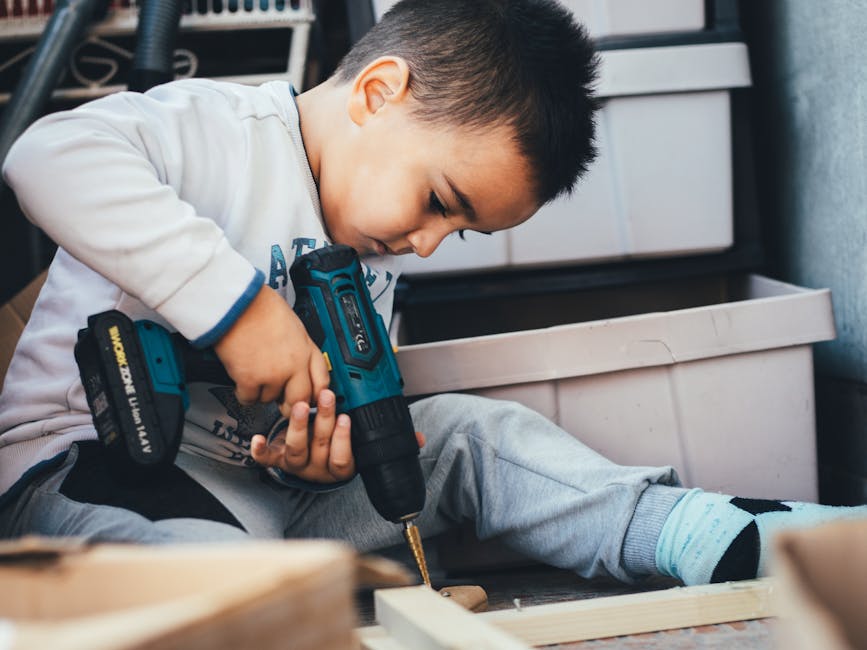
Some power tools are commonly used by Boy Scouts. Handheld drills are popular for simple projects. Scouts often use electric screwdrivers for assembly tasks. Sanders help in woodworking and finishing projects. These tools are generally safe with supervision.
Prohibited Tools
Certain tools are strictly prohibited for Boy Scouts. Chainsaws are off-limits due to high risk. Table saws are also restricted for young scouts. Nail guns pose significant danger and are not allowed. These tools require advanced skills and safety measures.
Training Programs
Power tools can be intimidating for young scouts, but with the right training programs, they can learn to use these tools safely and efficiently. These programs focus on skill development and certification processes to ensure scouts are well-prepared. If you're wondering whether scouts can actually handle power tools, training programs provide a structured approach to imparting essential knowledge and skills.
Skill Development
Skill development is a vital part of training programs for scouts using power tools. Picture a scout learning how to handle a drill or a saw for the first time. It's not just about the technical operation; it's about fostering confidence and responsibility.
Training programs often involve hands-on workshops. Scouts get the chance to practice under supervision. This practical approach helps them understand the nuances of each tool. You might recall a time you picked up a new skill and how practice made all the difference.
Moreover, these workshops emphasize safety protocols. Scouts learn to wear protective gear and follow safety guidelines. It's about creating a culture of safety first. Have you ever considered how much a simple safety tip could prevent a mishap?
Certification Process
The certification process is like earning a badge of trust. It assures that scouts have mastered the basics before they handle power tools independently. Scouts undergo assessments that test their knowledge and practical skills.
This process often includes written tests and practical demonstrations. Scouts show their ability to use the tools correctly and safely. Imagine the pride of earning a certification that says, "You're ready!"
Beyond the badge, certification instills a sense of accomplishment. It motivates scouts to take responsibility and care for their tools. Do you remember the thrill of achieving something after hard work?
These certifications are not just about passing a test. They are about proving readiness and competence. They ensure scouts are trustworthy stewards of their own safety and the safety of others. What does it mean to truly earn trust?
Training programs play a crucial role in empowering scouts to use power tools. By focusing on skill development and certification, they equip scouts with the confidence and knowledge needed for safe operation. Are you ready to see the potential in young scouts as they take on new challenges?
Safety Equipment
Boy Scouts often learn valuable skills, including tool use. Adult supervision is mandatory when using power tools. Safety equipment like goggles and gloves is essential to protect them from harm.
Ensuring safety is paramount when Boy Scouts are learning to use power tools. The thrill of building projects can quickly turn hazardous without the right precautions. Safety equipment is crucial in minimizing risks and ensuring a productive learning experience.
Protective Gear
Wearing the right protective gear is non-negotiable. Safety goggles protect your eyes from flying debris. Ear protection is essential when using loud tools like saws or drills. A simple pair of gloves can protect your hands from cuts or burns. Always wear close-toed shoes to safeguard your feet. A helmet might be necessary for certain tasks to protect your head from falling objects. Reflect on a time when you felt invincible without gear, only to realize its importance after a close call.
Emergency Procedures
Knowing what to do in an emergency is just as important as the gear you wear. Have a first aid kit nearby and ensure everyone knows its location. Discuss and practice emergency procedures regularly. If an accident occurs, remain calm and call for help immediately. Make sure scouts know how to safely turn off tools in a hurry. Share a story where quick thinking prevented a serious injury—these experiences underscore the importance of preparation. Are you prepared to handle unexpected emergencies? Training and readiness can make all the difference.
Role Of Scout Leaders
Scout leaders play a vital role in guiding boys on tool safety. They ensure proper training before allowing power tool use. Safety protocols and supervision are key to preventing accidents.
In the world of scouting, the role of scout leaders is pivotal. They are the guiding lights, ensuring scouts learn valuable life skills while maintaining safety. This is especially true when it comes to the use of power tools. Scout leaders are not just supervisors; they are mentors who instill confidence and responsibility in scouts. They teach practical skills and ensure that every scout understands the importance of safety first. A scout leader once shared how he taught his troop to use a drill responsibly. By demonstrating patience and proper technique, he saw the scouts gain both skill and trust.
Guidance And Mentorship
Scout leaders provide hands-on guidance, ensuring that scouts learn the correct way to handle tools. They lead by example, showing the importance of wearing safety gear and maintaining focus. Such mentorship helps scouts develop respect for the tools and the tasks at hand. Leaders often share stories of their own learning experiences, making the lessons relatable. These anecdotes make the learning process engaging and memorable for scouts. Have you ever learned something faster because it was shown through a personal story?
Ensuring Compliance
Compliance with safety regulations is crucial when scouts use power tools. Scout leaders play a key role in ensuring all guidelines are followed to the letter. They conduct regular checks and provide feedback, creating a safe environment for learning. Leaders are trained to spot potential hazards and address them promptly. They encourage scouts to speak up if they notice something amiss. This proactive approach fosters a culture of safety and vigilance among scouts. How do you ensure safety in your daily tasks? By focusing on guidance and ensuring compliance, scout leaders create an environment where scouts can learn safely and confidently. They empower scouts to take on new challenges while prioritizing their well-being.
Benefits Of Using Power Tools
Power tools offer significant advantages for young scouts. They provide practical skills and valuable experience. Using these tools safely can help scouts in various ways. Mastering power tools can boost confidence and teach responsibility. These benefits make power tools an important part of scout activities.
Skill Enhancement
Using power tools improves a scout's skill set. It teaches them precision and focus. These skills are useful in many life situations. Scouts learn to measure and cut with accuracy. They understand the importance of safety precautions.
Power tools help develop problem-solving abilities. Scouts learn to think critically about projects. They assess tasks and choose the right tools. This approach builds analytical thinking. It helps scouts become more resourceful and independent.
Hands-on Experience
Power tools offer hands-on learning. Scouts gain real-world experience by completing projects. This practical approach enhances their understanding. It makes learning more engaging and memorable.
Through hands-on use, scouts see the results of their efforts. They gain satisfaction from completing tasks. This experience builds their confidence and self-esteem. It inspires them to tackle new challenges with enthusiasm.
Power tools teach teamwork as well. Scouts often work in groups to complete tasks. They learn to communicate and cooperate effectively. This teamwork experience is vital for their personal growth.
Challenges And Risks
Using power tools is a serious responsibility. Boy Scouts face unique challenges. They handle tools that require skill and caution. Power tools can be dangerous if not used properly. Scouts need to understand the risks involved. Supervision and training are crucial. Let's explore the challenges and risks they face.
Common Hazards
Power tools can cause injuries. Sharp blades can cut skin. Spinning parts can catch clothing. Electric shocks are possible with faulty tools. Noise can damage hearing over time. Scouts need to be aware of these hazards.
Preventive Measures
Proper training reduces risks. Scouts should learn tool handling techniques. Wearing protective gear is essential. Gloves, goggles, and ear protection are necessary. Supervisors must be present during tool use. Regular maintenance keeps tools safe and functional.
Frequently Asked Questions
Can Boy Scouts Use Power Tools For Projects?
Boy Scouts can use power tools for projects under supervision. The Boy Scouts of America has guidelines ensuring safety. They encourage learning skills but emphasize adult oversight. Scouts must follow safety precautions and wear appropriate gear. It's essential for scouts to understand the tool's functionality before use.
What Age Can Boy Scouts Start Using Power Tools?
Boy Scouts can start using power tools at age 14. The BSA sets this age to ensure maturity and understanding. Safety is a priority, and scouts should be trained. Adult leaders should guide them during use. Proper safety equipment is mandatory for all activities.
Are There Specific Power Tools Prohibited For Boy Scouts?
Yes, some power tools are prohibited for Boy Scouts. Chainsaws and log splitters are not allowed due to safety risks. The Boy Scouts of America provides a list of restricted tools. Leaders should educate scouts on safe tool usage. Understanding limitations is crucial for maintaining safety.
How Do Boy Scouts Learn Power Tool Safety?
Boy Scouts learn power tool safety through training sessions. Adult leaders conduct these sessions with detailed instructions. Scouts practice using tools under supervision. The BSA provides resources and guidelines. Safety equipment and precautions are emphasized during training.
Conclusion
Power tools require skill and caution. Boy Scouts can learn these safely. With proper guidance, they build confidence and responsibility. Age-appropriate training is crucial. Leaders ensure safety and teach best practices. Scouts gain valuable skills for future projects. Using tools enhances problem-solving abilities.
It also fosters teamwork and creativity. Parents should discuss safety and supervision with leaders. Engaging in these activities prepares scouts for real-world challenges. They become more capable and self-reliant. Learning safely encourages growth and development. Scouts enjoy the learning process.
Power tools offer exciting opportunities. The experience is rewarding and educational.