Ever stood at the airport check-in and wondered if your carefully packed gadget or favorite item would make it past security? You're not alone.
As you prepare for your next flight, you might find yourself questioning what tools and items you're allowed to bring on board as hand carry. Navigating these regulations can be tricky, but fear not – we've got you covered. This guide will help you unlock the mystery of what you can confidently pack in your carry-on, ensuring a smooth and stress-free travel experience.
Keep reading, and you'll discover the essential tips that could save you time, hassle, and even a bit of money. Ready to pack smarter and fly with peace of mind? Let's dive in!
Airline Regulations
Understanding airline regulations is vital for travelers. Small tools like screwdrivers under seven inches are usually allowed in hand carry. Always check with your airline for specific rules.
Navigating the complex world of airline regulations can feel like a daunting task. Each airline has its own set of rules and regulations concerning what you can bring on board as a hand carry. Understanding these guidelines ensures a smoother travel experience and helps avoid any last-minute hassles at the airport. Let’s delve into the core of these airline regulations to help you pack smartly and fly with ease.
Common Policies
Most airlines share a set of common policies when it comes to hand carry items. Generally, you’re allowed one carry-on bag and one personal item like a handbag or laptop bag. The size and weight restrictions for your carry-on can vary, but a typical allowance might be a bag that fits in the overhead compartment. Liquids are often restricted to containers of 100ml or less, collectively stored in a clear, resealable plastic bag. Imagine the convenience of knowing you won’t have to part with your favorite travel-sized toiletries at security. Have you ever had to leave behind a cherished item due to these rules?
Regional Variations
Traveling internationally? Be prepared for some regional variations in airline regulations. In Asia, some budget airlines might permit only one small bag, while European carriers could have more lenient policies. In the United States, the Transportation Security Administration (TSA) has its own set of guidelines regarding electronics and food items. For instance, electronic devices larger than a cell phone must be placed in a separate bin during screening. It's fascinating how these variations can affect your packing strategy. Have you ever had to repack your bags at the last minute because of a regional regulation you weren’t aware of? Understanding these differences can save you from unnecessary stress and ensure you travel with peace of mind. Always double-check the specific airline’s policies before you pack your bags to avoid any surprises. What strategies do you use to keep your hand carry within the limits?
Security Checkpoints
Security checkpoints at airports are crucial for safety. Passengers must follow rules to ensure smooth travel. Understanding what tools are allowed as hand carry is essential.
Screening Procedures
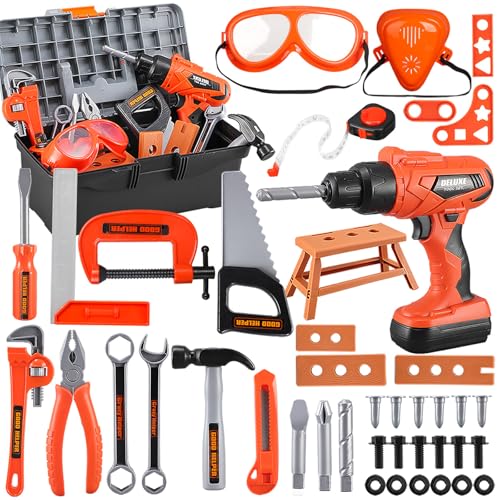
At checkpoints, officers check bags and personal items. They use scanners and manual inspections. Small tools like screwdrivers or pliers must be under seven inches. Longer tools need to go in checked luggage.
Passengers should place items in bins for scanning. Follow instructions from officers to avoid delays. Cooperation helps in quick and efficient screening.
Prohibited Items
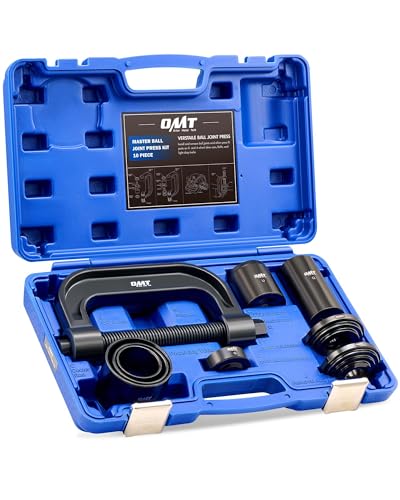
Some tools are not allowed in hand carry. Large tools, like hammers or wrenches, are prohibited. Sharp objects such as knives or scissors over four inches cannot be carried.
Passengers should check airline rules before packing. This prevents confiscation and ensures a smoother journey. Always double-check items to avoid surprises at security.
Size And Weight Restrictions
Traveling can be an adventure, but it often comes with its own set of challenges. One of the most common hurdles is understanding the size and weight restrictions for hand carry luggage. Knowing these limits can save you from last-minute surprises at the airport. It's not just about squeezing your belongings into your bag; it's about making sure your bag fits the requirements.
Maximum Dimensions
Airlines have strict rules about the size of your hand carry luggage. Generally, your bag must fit within specific dimensions to ensure it can be stored safely in the overhead compartment. Typically, the maximum dimensions allowed are around 22 inches in height, 14 inches in width, and 9 inches in depth.
However, these numbers can vary depending on the airline. Always check with your specific carrier before packing. You don't want to be that person frantically rearranging items at the gate. If your bag exceeds the size limit, it might have to be checked in, leading to unexpected fees.
Weight Limits
Weight is another crucial factor when it comes to hand carry luggage. Each airline has a maximum weight limit for bags, usually ranging from 15 to 25 pounds. This is to ensure that passengers can lift their bags into the overhead bins without difficulty.
Imagine the embarrassment of struggling to lift your bag while everyone watches. Make sure to weigh your bag before leaving home. A small portable luggage scale can be a lifesaver. Remember, overloading your bag can lead to unnecessary stress and potential extra charges.
Are you packing for a trip soon? Consider these restrictions as you organize your essentials. It might be tempting to bring everything, but prioritizing can make your journey smoother. Have you ever had to leave something behind due to weight or size limits? Share your experiences in the comments below!
Permitted Tools
Traveling with hand carry can be tricky. Knowing what tools are allowed helps. Some items are essential for your journey. You might need electronics or personal care items. Understanding what's permitted saves time at security checks. Let's explore what tools you can carry onboard.
Electronics
Electronics are common in hand carries. Laptops and tablets are allowed. Keep them charged. Security may ask you to power them on. Mobile phones are also permitted. Cameras and e-readers can join your journey too. Always pack chargers and cords. They should be in your hand carry. This ensures easy access during travel.
Personal Care Items
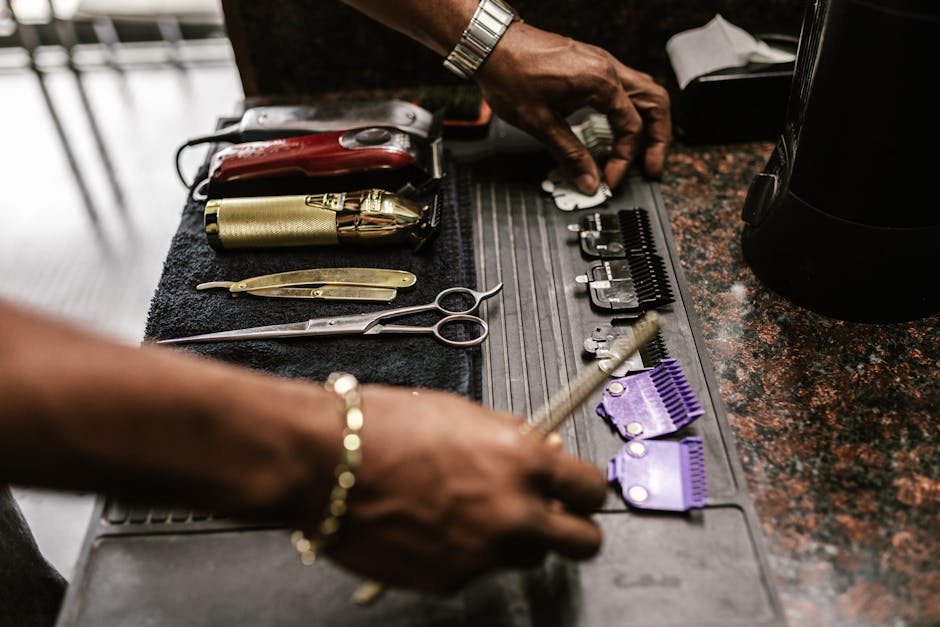
Personal care items are important for comfort. Small scissors with blades under 4 inches are allowed. Nail clippers and tweezers are usually fine. Electric razors can be in your bag. Liquids like shampoo or lotion must be under 3.4 ounces. Place them in a clear, quart-sized bag. This helps during security checks. Toothbrushes and combs are good to pack. They ensure you feel fresh on arrival.
Travel-approved Kits
Travel-approved kits simplify packing by outlining what tools are allowed in hand carry. Small scissors, travel-sized toiletries, and portable chargers are generally permitted. Check restrictions on liquids and sharp items to avoid surprises at security.
Traveling can be both exciting and stressful, especially when it comes to packing your hand carry. Ensuring you have the right tools in your bag can make your journey smoother. Travel-approved kits are a great way to stay organized, ensuring you have all you need without any hassle at airport security. Whether you opt for pre-packaged kits or decide to create your own DIY version, understanding what's allowed can save you time and frustration.
Pre-packaged Kits
Pre-packaged kits are convenient and easy to find. They often include travel-sized toiletries and essentials neatly packed in a clear, resealable bag. These kits are particularly useful if you're pressed for time or new to packing light. Brands cater to different needs, from skincare to electronics. You might find a kit with a universal adapter, phone charger, and earphones, all packed together. Pre-packaged kits can be a lifesaver for those last-minute trips or when you suddenly remember you forgot your toothbrush. Choosing a kit that suits your travel style is key. Look for ones that offer products you actually use. Why carry an eye mask if you never sleep on flights? Think about what will truly enhance your travel experience.
Diy Kits
Creating your own DIY travel kit allows for customization. You can tailor it to your specific needs, ensuring you have everything you want in the right size. This can be more economical and personalized than buying pre-packaged options. Start by listing items you use daily and can't live without. Consider your skincare routine, favorite snacks, or that book you’ve been meaning to read. Having these comforts can make your journey more enjoyable and less stressful. DIY kits offer flexibility. You can add or remove items depending on your trip. Heading to a beach? Pack sunscreen and a hat. Visiting a colder region? Don’t forget your moisturizer and lip balm. The power of a DIY kit lies in its adaptability. Have you ever faced a travel mishap because you forgot something essential? Crafting a DIY kit might be your solution. It’s all about staying prepared and making sure your journey is as comfortable as possible.
Tips For Packing
Packing for air travel requires careful planning. Knowing the rules for hand carry items helps. This ensures a smoother travel experience. Let's explore some useful tips for packing hand carry items.
Efficient Packing Strategies
Start with a packing list. Write down essentials for your trip. This ensures nothing important is left behind. Use packing cubes to organize items. They save space and make finding things easy. Roll your clothes instead of folding. This technique reduces wrinkles and saves space.
Choose multi-functional items. A scarf can double as a blanket. Use travel-sized toiletries. They are compact and allowed in hand carry. Keep electronics and chargers in a separate pouch. This avoids clutter and makes airport security checks easier.
Avoiding Delays
Understand airport security rules. Liquids must be in containers under 100ml. Place them in a clear plastic bag. Keep laptops and tablets accessible. They need separate screening at security checks. Wear slip-on shoes. It speeds up the screening process.
Check the airline's hand carry policy. Each airline has different size and weight limits. Weigh your bag before leaving. This avoids surprises at the airport. Arrive early at the airport. This provides extra time for unforeseen delays.
Handling Disputes
Navigating airport security can be stressful. Sometimes disputes arise over hand carry items. Understanding how to handle these disputes is crucial for a smooth journey. Knowing the right steps can reduce stress and save time.
Communicating With Security
Clear communication with security officers is key. Speak politely and stay calm. Explain why your item is important. Use simple words. Listen to their concerns and respond appropriately. Cooperation can often resolve issues quickly.
Appeal Process
If you disagree with a decision, know your rights. Ask about the appeal process. Request to speak with a supervisor. This can sometimes lead to a different outcome. Remember to keep all documentation handy. This includes boarding passes and identification.
Understanding these processes helps in handling disputes effectively. It ensures a less stressful travel experience.
Frequently Asked Questions
What Tools Can I Carry On A Plane?
You can carry small tools like screwdrivers, pliers, and wrenches under 7 inches in your hand luggage. Ensure they comply with airline regulations. Always check with your airline for specific rules to avoid any inconvenience at security checkpoints.
Are Sharp Tools Allowed In Hand Luggage?
Sharp tools, like knives or saws, are generally not allowed in hand luggage. These items pose safety risks. Always pack them in checked luggage. Verify the specific regulations of your airline before traveling to ensure compliance and avoid delays.
Can I Bring Power Tools In Carry-on?
Power tools are usually prohibited in carry-on luggage due to safety concerns. They should be packed in checked luggage. Some airlines have specific regulations for battery-operated tools, so check with your airline before traveling to prevent any issues at security.
What Is The Size Limit For Tools In Hand Luggage?
Tools must be under 7 inches to be allowed in hand luggage. Larger tools should be packed in checked luggage. Always confirm with your airline for specific size restrictions to avoid complications during security checks.
Conclusion
Packing tools as hand carry can be tricky. Check airline rules first. Some tools are allowed, but not all. Size and type matter. Sharp objects? Usually not allowed. Small, non-sharp tools? Often okay. Keep safety in mind. Always double-check with your airline.
This saves time and hassle at security. Enjoy your travels with peace of mind. Safe packing means smoother flying. Follow these tips for a stress-free journey. Happy travels!