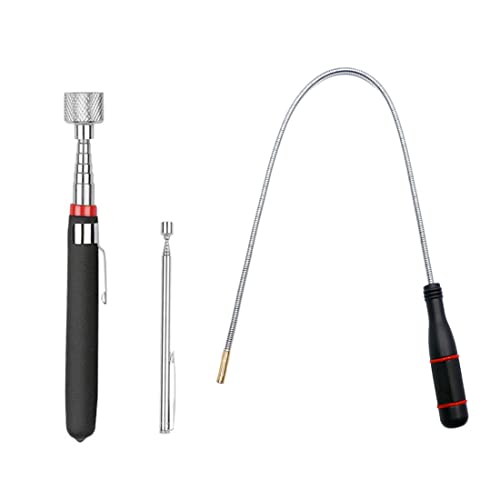

When working with hand tools, safety should be your top priority. Yet, how often do you find yourself rushing through tasks, thinking you’ve got everything under control?
It’s easy to assume you know all there is about hand tools, but even the most seasoned DIY enthusiast can overlook crucial safety practices. That’s where Quizlet comes into play, offering a unique way to refresh your knowledge and ensure you're always working safely and efficiently.
Imagine having a tool that transforms learning into an engaging experience, helping you remember those essential safety tips effortlessly. Are you ready to discover how a simple quiz can make your DIY projects safer and more enjoyable? Keep reading to unlock the secrets that could save you from costly mistakes and potential injuries.
Essential Safety Gear
Imagine you're diving into a DIY project, ready to wield your trusty hand tools. But before you start, think about your safety gear. It's not just about looking the part; it’s about protecting yourself from accidents. Let’s break down what you need to stay safe and sound.
Proper Attire
What you wear can make a big difference. Think sturdy, well-fitted clothing that won’t get caught in machinery. Avoid loose sleeves that can snag. Close-toed shoes are a must to protect your feet from falling objects.
Consider wearing long pants to shield your legs. Ever had a wrench drop on your foot? Not fun. Proper attire is your first line of defense in preventing injuries.
Protective Equipment
Protective equipment is essential. Safety goggles shield your eyes from flying debris. You don't want a stray nail or wood chip in your eye, right? Gloves provide grip and protect your hands from cuts.
Think about ear protection if you're working in a noisy area. Prolonged exposure to loud sounds can damage hearing. A hard hat is crucial if there's a risk of falling objects overhead.
Have you ever thought about how much gear you need? It's about making sure you're covered from head to toe. Each piece of gear serves a purpose—consider it your safety net.
Are you ready to put on your safety gear and tackle your project? What steps can you take today to ensure you're fully protected?
Tool Inspection
Tool inspection is a crucial step to ensure safety and efficiency when working with hand tools. You might think it's just a quick glance, but a detailed inspection can save you from unexpected mishaps. By focusing on checking for damage and ensuring functionality, you can extend the life of your tools and keep your projects on track.
Checking For Damage
It's easy to overlook minor dents or scratches, but these can lead to bigger problems. Imagine using a hammer with a cracked handle; it could snap mid-swing, causing injury. Look for signs of wear like rust, cracks, or bent components. A simple wipe with a cloth can reveal hidden defects. Have you ever found a tool that looked perfectly fine until you cleaned it? That tiny crack could have caused a big delay.
Ask yourself: Are my tools safe to use? Regular inspection can prevent accidents and keep your work flowing smoothly.
Ensuring Functionality
Functionality is more than just a quick test. You need to ensure each tool performs as expected. Try using the tool in a controlled setting. Does the screwdriver grip the screw tightly? Does the saw cut smoothly without veering off course? A friend once realized his wrench wasn't adjustable mid-project, leading to frustration and wasted time.
Consider if your tools are ready for the task at hand. Proper functionality is essential for precise work and achieving your desired results. Ensure your tools are in top condition before you start, and you'll find your projects running smoother than ever.
Taking the time to inspect your tools not only keeps you safe but also enhances your productivity. Next time you reach for a tool, pause and inspect. You might just save yourself from a headache down the road.
Safe Handling Techniques
Working with hand tools demands care and attention. Safety is crucial. Proper techniques prevent accidents and ensure efficient work. Understanding safe handling techniques can make a significant difference. This section focuses on two key areas: grip and control, and avoiding distractions.
Grip And Control
A firm grip on tools is essential for safety. Hold tools comfortably. Avoid excessive force. Balanced control prevents slips and mishaps. Ensure your hands are dry. Wet hands can lose grip easily. Use gloves for added safety. They enhance grip and protect your hands. Check tools regularly. Damaged handles can compromise control. Keep tools clean. Dirt can affect grip and precision.
Avoiding Distractions
Stay focused while using hand tools. Distractions cause errors and accidents. Maintain a clean workspace. Clutter leads to confusion. Organize your tools. A tidy area helps concentration. Limit noise in your environment. Loud sounds can break focus. Turn off unnecessary devices. Focus on the task at hand. Communicate clearly if working with others. Miscommunication can lead to mistakes.
Workspace Organization
Organizing your workspace enhances safety and efficiency when using hand tools. A tidy area reduces accidents and improves focus. Keep tools within reach, and regularly quiz yourself on safety tips to maintain best practices.
Workspace Organization Creating an efficient workspace is more than just arranging tools. It's about setting a stage for productivity and safety. A well-organized workspace can make your tasks smoother and help you avoid unnecessary accidents.
Maintaining Cleanliness
A clean workspace is not just visually pleasing; it is essential for safety. Scattered tools and debris can cause slips and falls. Make it a habit to tidy up as you work, clearing away scraps and placing tools back in their spots. Imagine working on a project and constantly losing your tools under piles of clutter. Frustrating, right? By keeping your space clean, you save time and reduce stress. Ask yourself, how often do you pause to clean your workspace? A few minutes spent organizing can save you hours of searching later.
Proper Tool Storage
Proper tool storage is key to maintaining an efficient workspace. When tools have designated places, you can find them easily, reducing downtime. Use pegboards or toolboxes to store tools. Label shelves and drawers for quick access. This organization method ensures that every tool has a home, making it easier to return them after use. Consider this: have you ever wasted time hunting for a misplaced screwdriver? Proper storage can prevent this. When each tool is stored in its rightful place, you streamline your workflow and reduce frustration. Organizing your workspace is a simple yet powerful way to enhance productivity and safety. Your tools are your allies, and they deserve a tidy home. How can you improve your workspace today?
Emergency Preparedness
Working with hand tools demands careful preparation. Always prioritize safety and know your tools well. Keep a checklist handy to avoid accidents.
Emergency preparedness is crucial when working with hand tools. Accidents can happen, even to the most experienced professionals. A solid plan ensures you’re ready to respond swiftly and effectively, minimizing harm and stress. Have you ever witnessed a minor accident escalate due to a lack of preparation? It happens more often than you might think. Knowing what to do in an emergency can make all the difference.
First Aid Protocols
First aid knowledge is a must-have skill in any workshop. You should know how to treat cuts, bruises, and even more severe injuries. Keep a well-stocked first aid kit within reach, and regularly check that it’s complete. Regular training sessions can boost your confidence in handling injuries. Would you know what to do if someone fainted or went into shock? Practicing different scenarios prepares you for the unexpected. Encourage your team to get certified in basic first aid. It’s a small investment with potentially life-saving returns. Everyone should feel empowered to step up when needed.
Accident Reporting
Accurate accident reporting is vital for improving safety practices. Always document what happened, how it happened, and what was done to address it. These records help identify recurring issues and prevent future incidents. Is there a clear process for reporting accidents in your workplace? If not, it’s time to establish one. Make it straightforward so that everyone feels comfortable reporting mishaps without fear of blame. Consider holding regular meetings to discuss past incidents and learn from them. Sharing these experiences openly can foster a culture of safety and accountability. Remember, learning from mistakes is a powerful tool in preventing them from happening again. Are you ready to enhance your emergency preparedness? Taking these steps ensures a safer environment for everyone involved.
Frequently Asked Questions
What Are Essential Hand Tool Safety Tips?
Essential safety tips include wearing protective gear, maintaining tool integrity, and ensuring proper storage. Always inspect tools before use to avoid accidents. Keep your workspace organized to prevent injury. Awareness and caution are key when handling hand tools.
How Do Hand Tools Differ From Power Tools?
Hand tools are manually operated, while power tools use external energy sources. Hand tools offer precision and control, ideal for delicate tasks. They are typically quieter and safer but require more physical effort. Choose based on task needs and skill level.
Why Is Regular Tool Maintenance Important?
Regular maintenance ensures optimal performance and extends tool lifespan. Clean tools after use to prevent rust. Lubricate moving parts to maintain functionality. Inspect for damage frequently. Proper care reduces risks and improves efficiency during tasks.
How Can I Improve Hand Tool Skills?
Improving skills involves practice, learning from experts, and understanding tool functions. Start with simple projects and gradually increase complexity. Attend workshops or watch tutorial videos for guidance. Familiarity and experience enhance precision and confidence.
Conclusion
Working with hand tools requires care and attention. Safety should be your priority. Always wear protective gear. Keep tools clean and in good condition. A well-maintained tool is more efficient. Store tools properly after use. This prevents accidents and tool damage.
Practice using tools to improve your skills. Understanding your tools boosts confidence. Learning through Quizlet can enhance your knowledge. It's an effective way to study tool safety. Remember, safety and knowledge go hand in hand. Stay safe and keep learning.