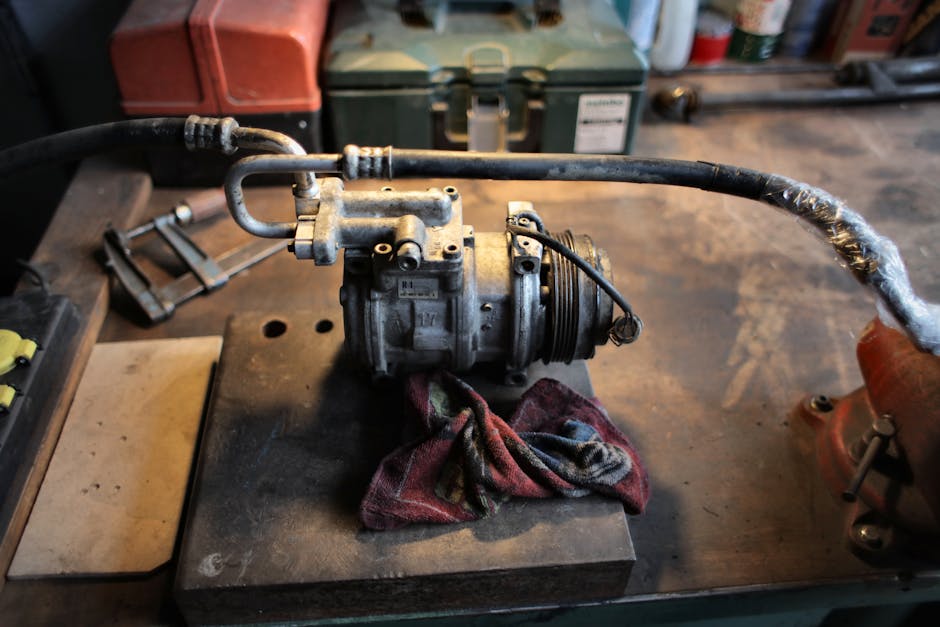
Have you ever found yourself standing in the tool aisle, wondering if any air compressor will work with your power tools? It's a common dilemma.
You want your power tools to perform at their best, but the right air compressor can make all the difference. Imagine the frustration of buying a compressor that doesn't quite fit the bill, leaving your tools underpowered or inefficient. You deserve to know which compressor will meet your needs without breaking the bank or causing headaches.
By the end of this article, you will have a clear understanding of how to match an air compressor with your power tools seamlessly, ensuring you get the most out of your investment. So, let's dive into the details and give you the confidence to make the right choice.
Air Compressor Basics
Understanding air compressors is vital for anyone using power tools. These machines are essential for a variety of tasks. They make tools like nail guns and paint sprayers work effectively. Knowing the basics helps you choose the right compressor for your needs. Let’s explore some key aspects of air compressors.
How Air Compressors Work
Air compressors convert power into energy stored as compressed air. The machine pulls in air and stores it in a tank. This compressed air then powers different tools. The process involves a motor, pump, and storage tank. The motor runs the pump, which compresses the air. The tank holds this air until needed. It's a simple yet efficient system.
Types Of Air Compressors
There are different types of air compressors to consider. Each type serves a unique purpose. The most common types are reciprocating, rotary screw, and centrifugal compressors. Reciprocating compressors are piston-powered and great for small tasks. Rotary screw compressors are more powerful, ideal for continuous use. Centrifugal compressors are used in large industries. Selecting the right type depends on your specific needs. Consider the power tool requirements and usage frequency. This ensures compatibility and efficiency.
Power Tools And Air Compressors
Understanding the relationship between power tools and air compressors is essential. Air compressors provide the necessary force to operate many tools efficiently. They convert power into potential energy stored in pressurized air. This energy drives various tools, enhancing productivity and performance.
Common Air-powered Tools
Many tools rely on air compressors for optimal operation. Nail guns, sanders, and spray guns are popular examples. Each of these tools performs specific tasks that need different air pressure levels. Nail guns require quick bursts of air. Sanders need continuous airflow to function smoothly. Spray guns demand consistent pressure for even paint application.
Tool-specific Requirements
Different tools have varying air compressor requirements. Nail guns typically need lower pressure but high volume. Sanders require moderate pressure for efficient sanding. Spray guns demand precise pressure for smooth paint distribution. Matching tools with the right compressor is crucial. It ensures the tool operates effectively without damaging the compressor.
Check the tool's manual for specific air compressor specifications. This helps in choosing the correct compressor. The right match enhances tool performance and longevity.
Matching Air Compressors To Power Tools
Different air compressors suit different power tools. Consider pressure, airflow, and tool requirements. Ensure compatibility for optimal performance.
Matching an air compressor to power tools ensures efficient performance. Choosing the right compressor affects the tool’s capability and lifespan. The compressor needs to meet the tool's air requirements. This involves understanding PSI, CFM, tank size, and horsepower.
Understanding Psi And Cfm
PSI stands for pounds per square inch. It measures air pressure. Power tools need a specific PSI to work well. Check your tool’s manual for its PSI needs. CFM means cubic feet per minute. It tells you the air volume a compressor delivers. Tools like sanders need higher CFM. Choose a compressor with a CFM that matches your tool.
Importance Of Tank Size
The tank size affects how long a tool can run. A larger tank holds more air. This is crucial for continuous use. Small tanks refill quickly but may interrupt work. For tasks requiring constant air, a bigger tank is better. Understand your tool's air usage. Match it to the tank size for efficiency.
Horsepower Considerations
Horsepower (HP) impacts a compressor's performance. It indicates the motor’s power. More horsepower means faster air refilling. Higher HP is useful for heavy-duty tools. For light tasks, moderate HP suffices. Choose an HP level that complements your tool’s needs. This ensures smooth and effective tool operation.
Compatibility Challenges
Choosing the right air compressor for your power tools isn't always easy. Compatibility challenges can arise, affecting performance and safety. Understanding these issues helps in selecting the best compressor for your tools. Here, we dive into some common compatibility challenges.
Overpowering And Underpowering Risks
Using an air compressor with too much power can harm tools. It may lead to tool damage and reduced lifespan. Conversely, using a low-powered compressor can cause inefficiency. Tools might not perform at their best. Ensuring the compressor matches your tool's requirements is crucial.
Noise And Vibration Issues
Noise levels can vary between air compressors. Some compressors are noisier than others, causing discomfort. High noise can also disturb others nearby. Vibration is another concern with certain models. Excessive vibration can affect the precision of tasks. Choose a compressor that balances noise and vibration well.
Portability And Space Constraints
Some air compressors are bulky and hard to move. This limits their use in tight spaces. Portability is essential for users needing mobility. Smaller compressors fit better in limited spaces. Consider your workspace and transportation needs before choosing a compressor.
Selecting The Right Air Compressor
Choosing the right air compressor for your power tools can feel like navigating a maze. Not all compressors are created equal, and selecting the wrong one can lead to inefficiencies or even damage. Understanding the key factors can save you time, money, and frustration.
Evaluating Tool Usage
Think about the tools you plan to use. Each tool has specific air requirements, usually measured in cubic feet per minute (CFM) and pounds per square inch (PSI). A nail gun might require less air than a sandblaster. Check the manufacturer's specifications for each tool to ensure compatibility.
Consider how often you use your tools. If you're a weekend warrior, a smaller, portable compressor might suffice. For daily use, a larger, stationary model could be more efficient. What tools do you use the most?
Budget Considerations
Your budget can play a significant role in choosing an air compressor. High-end models offer more features and durability but come with a hefty price tag. However, spending less might mean more maintenance down the line.
Think long-term. Sometimes investing a bit more upfront can save you from headaches later. Look for sales or refurbished models if you're trying to stretch your budget. How much are you willing to spend for peace of mind?
Maintenance And Durability
Maintenance is an often-overlooked aspect of buying an air compressor. Cheaper models might require frequent repairs, while more expensive ones could offer self-maintenance features. Consider how much time and effort you're willing to invest in upkeep.
Durability is crucial. A well-made compressor can last for years, providing consistent performance. Look for models with good reviews and reliable customer service. Have you checked the warranty options?
Your choice of air compressor affects not only your tool's performance but also your own productivity and satisfaction. By evaluating your tool usage, considering your budget, and factoring in maintenance, you can make a more informed decision. What will you prioritize in your search for the perfect air compressor?
Safety And Efficiency Tips
Selecting the right air compressor for your power tools enhances safety and efficiency. Match compressor capacity with tool requirements to prevent damage and ensure smooth operation. Regular maintenance also keeps equipment reliable and safe.
When using an air compressor with power tools, ensuring safety and efficiency is key. Missteps can lead to accidents or tool damage, impacting your work and even your health. By integrating a few practical tips into your routine, you can work smarter and safer. Let's look at some strategies to enhance your experience.
Proper Usage Techniques
Always match the air compressor's capacity to the power tool’s requirements. Using a tool that demands more air than the compressor can supply results in inefficiency and potential damage. Never ignore the importance of securely connecting hoses and fittings. A loose connection can suddenly detach, causing harm or disrupting your workflow. Pay attention to the pressure settings. Adjusting the pressure according to the tool's needs prevents wear and tear and ensures optimal performance.
Regular Maintenance Practices
Keep your air compressor in top condition with regular maintenance. Just like changing the oil in your car, replacing the compressor's oil regularly extends its life. Drain moisture from the tank after every use. Moisture build-up can lead to rust and reduce efficiency. Check air filters frequently. A clogged filter forces the compressor to work harder, consuming more energy and risking overheating.
Energy Efficiency Improvements
Consider the energy consumption of your compressor. Using a model with a built-in automatic shut-off feature can save electricity when not in use. Insulate your workspace if possible. A warmer environment can help the compressor run more efficiently, reducing energy use. Think about your workflow. Consolidating tasks that require compressed air minimizes the compressor's running time, saving energy and reducing wear. Have you ever thought about how these small adjustments can impact your work? Implementing these tips not only safeguards your tools but also boosts their efficiency, making your projects smoother and more enjoyable.
Frequently Asked Questions
Can Any Air Compressor Power All Tools?
Not all air compressors can power all tools. Compatibility depends on factors like pressure requirements and air volume. Check the tool's specifications to ensure the compressor can deliver sufficient power. Matching the compressor's output with the tool's needs ensures optimal performance and longevity.
What Factors Affect Air Compressor Compatibility?
Several factors affect compatibility, including pressure rating and air volume. Different tools have varying requirements, so it's essential to match them properly. Consider the tool's specifications to choose an appropriate compressor. Proper compatibility ensures efficient performance and prevents damage to both the compressor and tools.
Are There Universal Air Compressors For Tools?
Universal air compressors don't exist because tools have specific requirements. Each tool needs a compressor that matches its pressure and volume needs. Reviewing these specifications helps find a suitable compressor. Ensuring compatibility is crucial for optimal tool functionality and compressor efficiency.
How Do I Choose The Right Air Compressor?
Choose the right compressor by assessing your tool's requirements. Check the pressure and air volume needed for optimal operation. Match these specifications with the compressor's ratings. Ensuring compatibility leads to better performance and prolongs the lifespan of both tools and compressors.
Conclusion
Choosing the right air compressor matters. It ensures your power tools work well. Compatibility is key. Different tools need different air pressure. Always check your tool's requirements. Match them with the compressor's output. This prevents damage and boosts efficiency. Consider size, power, and pressure.
Small compressors suit light tasks. Bigger compressors handle heavy-duty jobs. Understand your needs before buying. This saves time and money. Proper matching leads to better performance. Your tools last longer. Safety improves. Make informed decisions. Happy working!