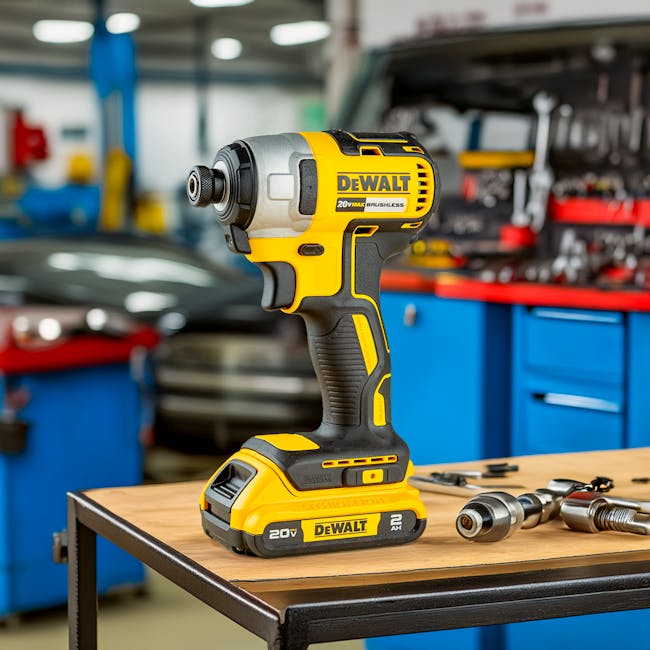
If you've ever found yourself knee-deep in a project, surrounded by tools, you know how crucial it is to have the right equipment. Imagine this: you’re working away, and suddenly you wonder, "Can my Dewalt 60V battery power my 20V tools?"
This question isn't just about convenience; it’s about maximizing your investment and achieving efficiency. You might be tempted to mix and match for flexibility. But before you dive in, it's vital to understand the compatibility, performance, and potential risks involved.
This article is designed to answer your burning questions and guide you through the ins and outs of this intriguing possibility. Keep reading to ensure you're making the best choice for your toolkit and your projects.
Dewalt Battery Compatibility
Ever found yourself in the middle of a project, only to realize your Dewalt battery isn't compatible with the tool you need? Understanding Dewalt battery compatibility can save you time and hassle. It's all about matching the right voltage to the right tool.
Understanding Voltage Differences
Voltage is key when it comes to battery compatibility. Dewalt offers both 20V and 60V battery systems. The difference is not just in power, but in the tools they support.
A 60V battery provides more oomph, perfect for heavy-duty tools. Meanwhile, 20V batteries are designed for lighter tasks. Knowing these differences helps you choose the right battery for your project.
Cross-compatibility Basics
You might wonder if a 60V battery can power a 20V tool. The answer is yes, with the right adapter. Dewalt's FlexVolt system allows cross-compatibility between different voltages.
Imagine you’re working on a large project requiring varied tools. FlexVolt batteries seamlessly adjust to your tool's voltage needs. This flexibility means you can focus on your work without worrying about battery issues.
Have you tried using a FlexVolt battery yet? If not, it might be time to explore how it can streamline your tool usage.
Consider your current projects. Are your tools and batteries optimized for efficiency? If not, tweaking your setup could enhance your productivity. The right battery setup is more than convenience; it's about maximizing your toolkit's potential.
As you explore Dewalt's battery options, think about how these choices impact your work. Compatibility isn't just a technical detail; it's a way to elevate your projects.
How often do you check your batteries before starting a task? Making it a habit could prevent interruptions and keep your workflow smooth.
Dewalt 60v Battery Features
Dewalt's 60V battery can power 20V tools effectively. It offers versatility and extended usage. Easily swap between tools without switching batteries.
Dewalt's 60V batteries are powerful components in the world of cordless tools. These batteries offer unique features that enhance tool performance and user experience. Understanding these features can help you make informed decisions about your tool purchases.
Power Output
The 60V batteries deliver impressive power. They provide a higher voltage which translates to more energy. This means your tools can handle tougher tasks with ease. More power means better performance in demanding situations. The battery ensures consistent power, helping your tools run efficiently.
Design And Structure
The design of Dewalt's 60V battery is sleek and robust. It is crafted for durability and long-lasting use. The structure is compact, making it easy to fit into tools. Despite its power, it remains lightweight. This design reduces fatigue during extended use. It also has a secure locking mechanism for safety.
Advantages Of 60v Batteries
The advantages of using 60V batteries are clear. They offer longer run times, reducing downtime. This allows you to work uninterrupted for longer periods. These batteries are compatible with a range of Dewalt tools. This compatibility makes them versatile and cost-effective. They also support faster charging, minimizing waiting time.
20v Tools And Their Requirements
Understanding the power requirements of 20V tools is crucial. These tools are known for their versatility and efficiency. They are designed to handle various tasks around the house or workplace. But what exactly do they need to perform optimally? Let's dive into the specifics of their power needs and performance expectations.
Standard Power Needs
20V tools operate on lithium-ion batteries. These batteries offer a consistent power supply. This ensures that the tools run smoothly. They typically require a voltage of 20 volts for operation. This makes them suitable for light to medium tasks. It's important to use compatible batteries for efficiency.
Performance Expectations
These tools are known for their reliability. They provide stable performance across different tasks. Whether drilling or cutting, they maintain power. Users can expect seamless operation without frequent interruptions. Proper maintenance enhances their lifespan and output. Regular charging keeps them ready for action.
Using 60v Batteries With 20v Tools
Dewalt's 60V batteries can power 20V tools safely using their FlexVolt technology. This technology adjusts voltage automatically, ensuring compatibility. It's a convenient solution for those with both 20V and 60V tools.
Using a 60V battery with a 20V tool can seem like a powerhouse move for your toolkit. But is it really a game-changer, or are there hidden pitfalls? Let's dive into the practicalities, potential risks, and what the manufacturers have to say about this intriguing possibility. Whether you're a DIY enthusiast or a professional looking for an edge, understanding this battery compatibility can make a big difference in your projects.
Voltage Adapters
To use a 60V battery with a 20V tool, you typically need a voltage adapter. This adapter bridges the power gap, allowing you to harness the higher voltage battery without frying your tool. It’s essential to ensure the adapter is specifically designed for your tool model. Imagine the convenience of fewer battery changes during a long workday. An adapter can offer this efficiency, but always double-check compatibility to avoid mishaps. Have you checked if your current adapter is compatible with all your tools?
Potential Risks And Safety Concerns
Using a 60V battery in a 20V tool is not without risks. Overpowering a tool can lead to overheating, which might damage both the tool and battery. Safety should always be your top priority when modifying your power tools. Moreover, there's a chance of voiding warranties if you use non-standard configurations. It's crucial to weigh the benefits against these potential risks. Have you considered the long-term impact on your tool's lifespan?
Manufacturer Guidelines
Manufacturers often provide specific guidelines regarding battery compatibility. These guidelines are your best friend when exploring battery swaps. They ensure you stay within safe operating conditions and maintain your warranty. For instance, Dewalt provides extensive support documents for their tools and batteries. Always refer to these resources before making any changes. Have you reviewed the latest guidelines for your Dewalt tools recently? Incorporating larger batteries might seem like a straightforward upgrade, but it requires careful consideration. By understanding the role of voltage adapters, recognizing potential risks, and adhering to manufacturer guidelines, you can make informed decisions about your power tools.
Real-world Performance
Exploring tool compatibility, Dewalt's 60V battery can power 20V tools efficiently. This versatility enhances convenience and flexibility for users. Real-world performance tests show reliable power delivery, maintaining tool functionality without compromise.
When it comes to power tools, knowing if your Dewalt 60V battery can efficiently power 20V tools is crucial for your projects. Real-world performance is more than just specifications on paper; it's about how these tools and batteries function in daily tasks. This section dives into the practical experiences of users who have put this compatibility to the test, and explores how it impacts the longevity of your tools.
Case Studies And User Experiences
Let's hear from actual users. Many have reported that using a Dewalt 60V battery with 20V tools provides an impressive boost in power. One user shared how his cordless drill delivered more consistent torque, allowing him to complete a decking project with fewer battery swaps. However, it's not just about increased power. Another DIY enthusiast found that the 60V battery extended the run time of his tools significantly. Imagine finishing your garden project without pausing to recharge. These real-world cases highlight the practical benefits of this cross-compatibility.
Impact On Tool Longevity
You might wonder if using a higher voltage battery could harm your tools over time. The good news is that many users report no adverse effects on tool longevity. In fact, the extra power can reduce strain on the motor, potentially extending its lifespan. But don't just take my word for it. Consider asking yourself: Is the slight increase in weight worth the boost in performance and potential increase in tool life? Some users believe that the benefits far outweigh any negatives, as long as you use your tools sensibly. In essence, real-world performance doesn't just revolve around power output. It also encompasses how efficiently and effectively you can complete your projects with the tools you have.
Alternatives And Solutions
When you're juggling a mix of Dewalt tools, it's crucial to find effective ways to streamline your power sources. The Dewalt 60V battery is a powerhouse, but you might wonder if it can fuel your 20V tools. While it doesn't directly work that way, there are alternatives and solutions to ensure you keep your tools running smoothly. Let's dive into some practical options that can save you time and enhance your workflow.
Buying Additional Batteries
Adding more batteries to your toolkit can be a game-changer. Imagine you're halfway through a project, and your battery dies. Instead of waiting for a recharge, you can quickly swap in a fresh one. This simple solution keeps your productivity high and your stress low.
Consider investing in a couple of extra 20V batteries. They’re compact, easy to store, and can be a lifesaver during a busy workday. Plus, having backups means you’re always ready to tackle unexpected challenges without delay.
Can you recall a time you were stuck with a dead battery? Having extras on hand can make sure that never happens again.
Investing In Dual-voltage Tools
Another smart solution is buying dual-voltage tools. These tools are designed to seamlessly work with both 20V and 60V batteries. It’s like having two tools in one, offering you flexibility and power when you need it.
Dual-voltage tools are particularly useful for heavy-duty tasks. They offer the power of 60V when needed but can switch to 20V for lighter jobs. This versatility can reduce the number of tools you need to buy and maintain.
If you've ever faced the dilemma of not having the right tool for the job, dual-voltage tools could be your answer. They provide an efficient way to handle various tasks without constantly switching equipment.
Which solution fits your needs best? Consider your workflow and tool usage to decide whether extra batteries or dual-voltage tools would serve you better.
Expert Opinions
Experts discuss whether Dewalt's 60V batteries can power 20V tools effectively. Some say it works, but others caution about potential issues. Understanding compatibility helps ensure tool efficiency and safety.
Expert Opinions As a tool enthusiast or a professional, you might wonder if the Dewalt 60V battery can power 20V tools. This question isn't just about compatibility; it's about efficiency, cost-effectiveness, and maximizing your toolkit's potential. Let’s dive into what the experts have to say.
Industry Insights
Industry experts agree that Dewalt's FlexVolt technology is a game-changer. It allows a single battery to switch between 60V and 20V, depending on the tool it powers. This means you can use one battery across various tools, saving you time and money. Tool manufacturers praise this innovation for its versatility. You get more power for larger tools and battery flexibility for smaller ones. It's a practical solution for those who want to streamline their equipment without compromising performance. However, some industry insiders caution about wear and tear. Using a 60V battery in a 20V tool might wear it out faster. Are you ready to sacrifice longevity for power?
Mechanics And Technicians
Mechanics and technicians on the frontline have firsthand insights. Many appreciate the convenience of a single battery system. It reduces the clutter of multiple chargers and batteries in the workshop. A seasoned mechanic shared how Dewalt’s system saved him during a critical repair. His 20V battery died, but the 60V FlexVolt kept his tools running. This flexibility can be crucial in high-pressure situations. Yet, some technicians voice concerns about weight. The 60V battery is heavier, which can be tiring during prolonged use. Would you trade some comfort for the assurance of uninterrupted power? These expert opinions bring out both the advantages and challenges. As you weigh your options, consider how these insights align with your needs and working style. Are you looking for a versatile solution or do you prioritize tool longevity? The choice impacts not just your efficiency but also your satisfaction with your toolkit.
Frequently Asked Questions
Can Dewalt 60v Battery Fit 20v Tools?
Yes, Dewalt 60V batteries can fit 20V tools using a flexible adapter. The adapter allows compatibility between different voltage systems. It ensures seamless power transfer, maintaining tool efficiency. However, the tool's power and performance remain based on its original design specifications.
Is It Safe To Use 60v On 20v Tools?
Using a 60V battery with 20V tools is safe when using Dewalt's flexible adapter. The adapter regulates power flow, preventing overload. It ensures the tool operates within its designed power range. Always follow manufacturer guidelines for compatibility and safety.
Do Dewalt 60v Batteries Last Longer?
Dewalt 60V batteries provide extended runtime compared to lower voltage options. They have higher capacity, offering prolonged power delivery. This is beneficial for demanding tasks requiring sustained energy output. However, battery duration depends on tool usage and power demands.
Are 20v Tools Less Powerful With 60v Battery?
20V tools maintain their performance level, even with 60V batteries. The adapter ensures the tool receives appropriate power. The tool's design dictates its power output, not the battery voltage. Therefore, the tool's original specifications determine its operational capacity.
Conclusion
Dewalt's 60V and 20V tools offer great flexibility for users. The 60V battery can power 20V tools with an adapter. This expands tool options without buying new batteries. It saves money and reduces clutter. Users enjoy convenience and efficiency. Always check compatibility to ensure safety.
Make sure you have the right adapter. This approach helps in maximizing your tool collection. Dewalt provides reliability with its power tools. Users can work on various projects easily. With the right setup, tasks become more manageable. Explore your tool options today for effective results.