Ever looked at your garage and wondered what to do with those power tools gathering dust? You’re not alone.
Many people find themselves with an abundance of tools they no longer need or use. The good news is, you can make a difference by donating them to Goodwill. Not only does this clear your space, but it also helps those in need.
Intrigued? Keep reading to discover how your old tools can transform lives and bring more satisfaction than you might have imagined. From understanding the impact of your donation to knowing what tools are accepted, we’ll cover everything you need to know. Let’s dive into how you can make a meaningful contribution today.
Donating Power Tools To Goodwill
Power tools can be donated to Goodwill, supporting community programs and reducing waste. Ensure tools are in good working condition. This helps others and declutters your space efficiently.
Donating power tools to Goodwill can be a rewarding experience. You not only declutter your space but also contribute to a community cause. Whether it's a drill gathering dust in your garage or a saw you no longer need, these tools can find a new home and purpose.
Why Donate Power Tools To Goodwill?
Donating power tools helps support Goodwill's mission of providing job training and employment opportunities for those in need. Your tools become valuable assets for people learning trades or for those who can’t afford new tools. It's a simple way to make a big impact.
What Types Of Power Tools Can You Donate?
Goodwill typically accepts a wide variety of power tools. Items like drills, saws, sanders, and even power washers are welcome. Always ensure your tools are in working condition and safe to use before donating.
Preparing Your Power Tools For Donation
Before donating, clean your tools to make them presentable. Remove any personal markings and check for any loose parts. A clean and functional tool is more likely to benefit the next user.
Where To Donate Your Power Tools?
Locate your nearest Goodwill donation center using their website. Some centers might even offer pick-up services for larger items. It's always a good idea to call ahead and confirm they can accept your specific items. Donating not only declutters your space but also provides tax benefits. Ensure you get a receipt for your donation. Every item you donate potentially helps someone build a better future.
What Happens After You Donate?
Once donated, your power tools are either sold in Goodwill stores or provided to those in need. This helps fund job training programs and services. You can take pride in knowing you've contributed to a meaningful cause. Have you ever thought about the impact your unused tools could have on someone else's life? Next time you clean out your garage, consider the possibilities.
Benefits Of Donating Power Tools
Donating power tools to Goodwill supports community projects and helps individuals access affordable tools. Contributions can declutter your space while promoting sustainability through reuse. Giving tools a second life can empower people to learn new skills and complete projects.
Donating power tools to Goodwill can offer numerous benefits, both for you and the community. Imagine your old drill helping someone gain a new skill or your unused saw building a new future. It's not just about clearing space in your garage; it's about making a real difference.
Supporting Community Initiatives
Your donation can empower local projects and job training programs. Goodwill often uses proceeds from sales to fund community initiatives, helping individuals gain skills and employment. By donating, you're not just giving away tools; you're giving someone a chance to succeed. Think about the aspiring handyman who can't afford new tools. Your donation could be the stepping stone they need. Have you ever felt the satisfaction of completing a DIY project? Now imagine giving that feeling to someone else.
Environmental Impact
Donating tools is an eco-friendly choice. It reduces waste and promotes recycling. When tools are reused instead of discarded, it lessens the demand for new resources. Consider this: every tool you donate is one less item in the landfill. It's a small action, but collectively, such choices contribute to a healthier planet. Are you doing your part to minimize environmental harm? So next time you clean out your tool shed, remember that those old power tools have the potential to change lives and protect the planet. Wouldn't you want to be part of that positive impact?
Types Of Power Tools Accepted
Donating power tools to Goodwill is a great way to help others. It also reduces waste and supports community programs. But not all power tools are accepted. Knowing which ones Goodwill takes can help you decide what to donate.
Handheld Power Tools
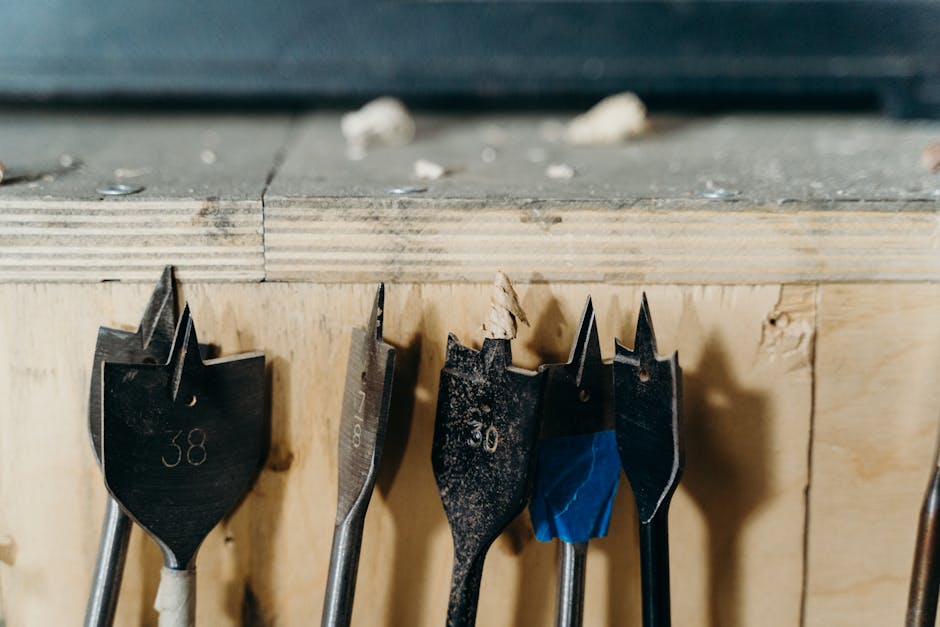
Goodwill accepts many handheld power tools. These include drills, saws, and sanders. Items should be in good working condition. Ensure all safety features are intact. This helps ensure user safety.
Other accepted handheld tools include screwdrivers and grinders. These are useful for many projects. Goodwill welcomes donations that are clean and functional.
Stationary Power Tools
Stationary tools are also welcome at Goodwill. These tools include table saws and drill presses. They are perfect for larger projects. Functional condition is important for safety. Check power cords and switches before donating.
Goodwill supports donations that help skilled workers. Your stationary tool donation can be part of this support. Clean and reliable tools are most appreciated.
Preparing Tools For Donation
Donating power tools to Goodwill is a wonderful way to help those in need. Before sending your tools, proper preparation is essential. This ensures they are ready for use and safe for the next owner. Here, we will guide you through cleaning and maintenance, and ensuring safety and functionality.
Cleaning And Maintenance
Start by wiping off any dust or dirt from the tools. Use a damp cloth for this task. A clean tool is more appealing to potential users. Check for rust or corrosion. Apply rust remover if necessary. Proper cleaning extends the life of the tool. Lubricate moving parts to ensure smooth operation. This prevents wear and tear over time.
Ensuring Safety And Functionality
Test each tool to confirm it works correctly. Fix any broken parts before donating. A functional tool is more valuable. Inspect power cords for fraying or damage. Damaged cords are unsafe. Replace them if needed. Make sure all safety features are intact. This includes guards and switches. Safety is a top priority.
By preparing your tools properly, you contribute to a safe and useful donation. Your efforts help Goodwill support communities effectively.
Locating A Goodwill Drop-off Center
Donating power tools to Goodwill supports community programs. It also gives your tools a second life. Finding the right drop-off center is the first step. This ensures your donation reaches those in need. Knowing where to go makes the process easy and smooth.
Using Online Resources
The internet offers many tools to find Goodwill locations. Start by visiting Goodwill's official website. Use the location finder tool on their site. Enter your zip code or city. This will show nearby drop-off centers. Google Maps is another helpful tool. Simply search "Goodwill drop-off near me." This shows a map with locations and directions.
Contacting Local Branches
Contacting your local Goodwill can give you specific information. Call them to ask about accepted items. Not all locations accept power tools. Confirming with a call saves time and effort. Local branches can also provide donation hours. This ensures you drop off at the right time. Speaking directly with staff can answer any questions you have.
Tax Deductions For Donations
Donating power tools to Goodwill benefits the community. It can also offer you tax deductions. Understanding the tax benefits of donations can be quite helpful. When you donate items like power tools, you may qualify for a tax deduction. This means you can reduce your taxable income, which could lower your tax bill. It's a win-win situation. You help others and potentially save money.
Understanding Tax Benefits
Donations to organizations like Goodwill are tax-deductible. The IRS allows you to deduct the fair market value of donated items. This value is what someone would pay for the item in its current condition. Power tools in good condition can have significant value. To claim this deduction, you must itemize your deductions. This means listing each deduction on your tax return. It helps to keep track of each donated item and its value.
Documenting Your Donation
Proper documentation of your donation is essential. Goodwill provides a receipt for your donated items. This receipt is important for tax purposes. It should include the date of donation and a description of the items. Keep this receipt in a safe place. You'll need it when filing your taxes. The IRS may require proof of your donation.
For donations over $500, additional documentation is needed. You might need an appraisal for high-value items. Keep records of the item's condition and any supporting documents. This ensures you can fully benefit from your tax deductions.
Alternatives To Donating To Goodwill
Power tools can be donated to Goodwill, but consider other options too. Local schools or community centers might welcome such donations for workshops. Online marketplaces offer a way to give tools directly to those in need.
Thinking about donating your power tools but want to consider alternatives to Goodwill? There are numerous other options that not only benefit the community but also ensure your tools are put to good use. Donating tools can have a significant impact, and knowing the right places to give them can make all the difference. Let's explore some other avenues where your tools can continue to be valuable assets.
Other Charitable Organizations
Many charities welcome tool donations with open arms. Habitat for Humanity, for instance, often accepts power tools to help build homes for families in need. They might even have local chapters near you, making it convenient to donate. Local shelters and community centers may also need tools for maintenance and repair work. It's always a good idea to call and ask if they have a current need. Your old drill could become a key part of maintaining a safe and welcoming environment.
Community Tool Libraries
Have you ever heard of a tool library? It's like a regular library, but instead of books, people borrow tools. These libraries are a treasure trove for DIY enthusiasts who might not have access to a full set of tools. By donating to a tool library, you enable more people to undertake projects they might not otherwise afford. It’s a sustainable choice that encourages sharing and reduces the need for everyone to buy new tools. Imagine your old jigsaw helping someone build their dream bookshelf or garden shed.
Could your power tools find a new lease on life at one of these places? Whether you choose a charity or a tool library, your donation can empower others and support your community in unexpected ways. Have you ever given tools to an organization besides Goodwill? What was your experience like?
Frequently Asked Questions
Can I Donate Power Tools To Goodwill?
Yes, you can donate power tools to Goodwill. They accept a variety of tools, including power tools, as long as they are in working condition. These donations help support Goodwill's mission and provide affordable tools to the community.
What Types Of Power Tools Can Be Donated?
Goodwill generally accepts most types of power tools. Common donations include drills, saws, sanders, and other handheld power tools. Ensure they are in good working order before donating. It's always best to check with your local Goodwill for specific guidelines.
Are Broken Power Tools Accepted By Goodwill?
Typically, Goodwill prefers working power tools. However, some locations might accept broken ones for parts or recycling. It's advisable to contact your local Goodwill to confirm their policy on non-working power tools.
Why Should I Donate Power Tools To Goodwill?
Donating power tools to Goodwill supports their mission of providing job training and employment services. It also helps the environment by reducing waste. Your donation makes tools more accessible to those who need them at an affordable price.
Conclusion
Donating power tools to Goodwill benefits both you and the community. Declutter your space while helping others find affordable tools. Goodwill accepts many tool types, but check your local store first. Ensure tools are clean and in working condition. This makes them more desirable for donation.
By donating, you support job training and community programs. Your old tools find new homes, reducing waste. Consider this win-win opportunity next time you clean out your garage. Your contributions make a difference. Together, we can build a better, more sustainable world.
Donating is a small step with big impact.