Ever found yourself staring at your trusty hand tools and wondering if they can accompany you on your next flight? Maybe you’re planning a DIY project during your travels or simply can’t bear the thought of leaving them behind.
Whatever the reason, the question of whether you can fly with hand tools is more common than you might think. We’ll delve into the ins and outs of traveling with your favorite tools. You'll uncover essential guidelines and tips that can save you from unexpected hassles at the airport.
Let's ensure your journey is as smooth as possible, without any unwelcome surprises. Are you ready to unlock the secrets of flying with hand tools and keep those creative projects alive on the go? Keep reading to find out!
Airline Regulations
Understanding airline regulations is crucial for travelers carrying hand tools. Different airlines have specific rules, and compliance ensures a hassle-free journey. Knowing what is allowed in carry-on versus checked luggage helps avoid surprises at the airport. Security checkpoints also play a significant role in what items can be carried. Here's a guide to navigating these regulations effectively.
Carry-on Vs Checked Luggage
Airlines have strict rules for items in carry-on luggage. Hand tools may be subject to size and weight limitations. Small tools like screwdrivers and pliers are typically allowed. Larger tools might need to be checked. It's essential to check with your airline for specific guidelines. This prevents confiscation at security checks.
Checked luggage usually has fewer restrictions. Most hand tools can be packed without issue. Ensure they are securely wrapped. This prevents damage during transit. Always verify with your airline, as rules may differ. Proper planning saves time and stress.
Security Checkpoints
Security checkpoints can be strict with hand tools. Items must pass through screening processes. Tools with sharp edges or points may be prohibited. Prepare by ensuring tools are clean and organized. This speeds up the screening process.
Transporting hand tools requires awareness of regulations. Security personnel may ask questions about your tools. Answering confidently and clearly can facilitate a smooth experience. Knowing the rules helps avoid misunderstandings.
Tool Types Allowed
Traveling with hand tools can be confusing. Each airport has its own rules. Knowing what tools you can carry is important. This guide helps you understand the types allowed. It makes your travel easier and stress-free.
Non-restricted Hand Tools
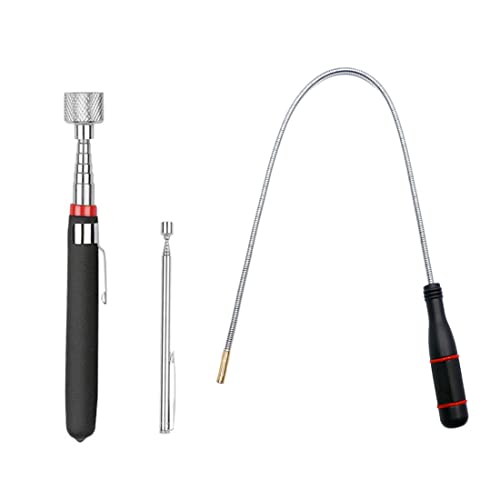
Many hand tools are allowed on planes. You can carry screwdrivers. They must be shorter than 7 inches. Pliers are also accepted. They should fit in your bag. Small wrenches make the list too. Remember to check their length. You can fly with small hammers. They must be under the size limit. Tape measures are safe to pack. They should be in your carry-on.
Prohibited Tools
Some tools are not allowed on planes. Large hammers are a no-go. They pose safety risks. Saws cannot be carried on. They include hand and power saws. Crowbars are also prohibited. They are considered dangerous. Drills fall under this category. Both hand and electric drills. Avoid packing them in carry-on bags. Any tool over 7 inches is risky. It might be taken at security. Always double-check tool sizes. It saves time at the airport.
Packing Tips
Flying with hand tools is possible, but some rules apply. Always check airline regulations for tool size and type. Keep tools under seven inches to avoid issues.
Packing hand tools for a flight can be a bit of a puzzle. You want to ensure your tools arrive safely and efficiently, without hassle at security checkpoints. Here are some practical packing tips to make your journey smoother and stress-free.
Efficient Packing Techniques
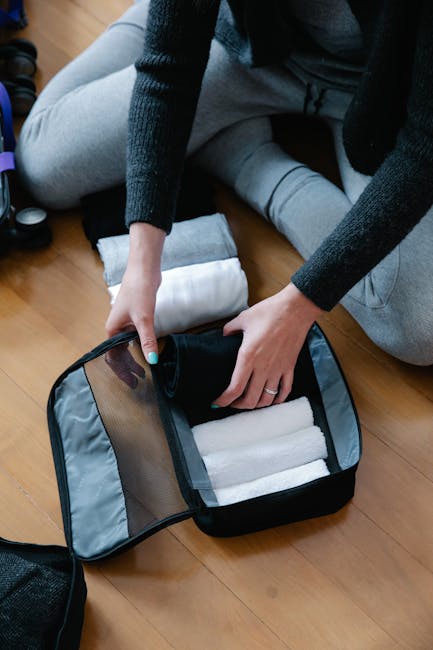
When packing hand tools, it's vital to use space wisely. Consider using tool rolls or small, padded cases to keep your tools organized. These help prevent tools from shifting and reduce noise in transit. Think of the weight distribution in your luggage. Place heavier tools at the bottom of your bag for stability and lighter items on top. This technique can save you from a lopsided bag and sore arms. Can you fit tools into unconventional spaces? Slide flat tools like wrenches inside shoes to maximize space. This might sound odd, but it frees up room for other essentials.
Protecting Your Tools
Protecting your tools is paramount to avoid damage. Wrap each tool in a cloth or bubble wrap. This not only cushions them but keeps them clean. You might want to invest in a hard-shell case for extra protection. Although it adds weight, it gives peace of mind knowing your tools are safe from impact. Have you considered labeling your tools? Using tags or stickers can help identify your items quickly, especially if security needs a closer look. By being thoughtful about packing, you can fly with hand tools without worry. What other creative packing methods have you tried?
Alternative Shipping Options
Travelers often wonder if they can fly with hand tools. Airlines generally allow small hand tools in carry-on bags. Always check specific airline rules to avoid surprises at security.
When traveling, carrying hand tools can be tricky. Airlines have strict rules on what you can bring on board. If tools are not allowed, consider alternative shipping options. These methods are reliable and convenient. They ensure your tools reach safely to your destination. Here are two popular choices.
Courier Services
Courier services offer fast and secure delivery. Many companies provide door-to-door service. This means they pick up tools from your place. And deliver them directly to your destination. Tracking is often available. So, you know where your package is at all times. Major courier companies, like FedEx and UPS, have a global reach. They handle customs paperwork. This makes international shipping smoother. Costs depend on the weight and size of your package. Always compare rates before choosing a service. Some services offer discounts for regular customers.
Postal Services
Postal services are a budget-friendly option. Most countries have reliable postal systems. They offer both domestic and international shipping. Delivery times can vary. But they are often predictable. Many postal services provide tracking options. So, you can monitor your shipment’s progress. Packages sent by post usually have a weight limit. Check the regulations in your area. This ensures your package meets the requirements. Postal services are ideal for non-urgent deliveries. They provide a cost-effective way to ship hand tools.
International Travel Considerations
Travelers often wonder about carrying hand tools on flights. Most airlines allow basic tools under 7 inches in carry-on bags. Always check specific airline rules and destination regulations to avoid surprises.
Traveling with hand tools internationally can be tricky. Whether you're a DIY enthusiast or a professional, understanding the rules is crucial. You don't want your tools confiscated or face unexpected fines.
Customs Declarations
Declaring your hand tools at customs is a must. It's not just about honesty; it's about avoiding delays and penalties. Some countries have strict regulations on tools that can be used as weapons. It's wise to research and list your tools in detail. Itemizing what you have can save a lot of time and stress at the airport. Have you ever considered how a simple screwdriver might raise eyebrows at customs? Officers might view even the most benign tools as potential threats. Being upfront and clear about your intentions can ease their concerns.
Country-specific Rules
Every country has its own rules about what you can bring in. What’s allowed in one country might be banned in another. Australia, for example, has stringent biosecurity laws. If your tools have soil or plant residue, they may be confiscated. Clean your tools thoroughly before packing them. In the UK, certain power tools may require special permits. Check with the local embassy or consulate before you travel. This step can prevent last-minute surprises at the border. Have you ever been caught off guard by unexpected regulations? Planning ahead can make your journey smoother. Understanding these rules not only ensures compliance but also shows respect for the host country’s laws. Remember, tools are essential for many travelers. Taking the time to learn international rules can make your travel experience much more enjoyable. So, next time you're packing your bag, consider how your tools fit into the bigger picture of international travel.
Insurance And Safety
Flying with hand tools is possible, but certain rules apply. Small tools like wrenches or screwdrivers are usually allowed in carry-on bags. Always check with your airline for specific regulations, as restrictions can vary. Safety and insurance considerations are important when traveling with tools.
Flying with hand tools can be a practical necessity for many travelers, particularly those in professions like carpentry or plumbing. However, ensuring your tools are both insured and safe for travel is crucial. As you prepare for your journey, understanding the nuances of travel insurance and implementing tool safety measures can make all the difference. Let's explore how you can safeguard your tools and yourself while flying.
Travel Insurance
Imagine arriving at your destination only to find your tools missing or damaged. Travel insurance can be your safety net. It's worth considering policies that specifically cover personal items, including hand tools. Read the fine print. Some insurers require you to declare valuable items beforehand. Knowing what's covered prevents unpleasant surprises. Think about the peace of mind you get when you know your tools are protected. Wouldn't it be worth it?
Tool Safety Measures
Packing your tools securely is vital for safe travel. Use sturdy cases or wraps designed for hand tools. They minimize the risk of damage and ensure tools remain functional. Consider the weight and size. Airlines have restrictions, and adhering to them avoids complications. A compact, well-organized tool kit is easier to manage. Remember, safety isn't just about the tools. It's about protecting yourself and others during transit. Have you checked if your tools meet airline guidelines? By addressing insurance and safety, you ensure a smoother journey with your hand tools, focusing on what matters most—your craft. How prepared are you for your next flight?
Frequently Asked Questions
Can I Bring Hand Tools On A Plane?
Yes, you can bring hand tools on a plane. However, they must be in checked luggage if longer than 7 inches. Smaller tools can be in carry-on bags. Always check with your airline and the TSA for specific regulations.
What Are Tsa Rules For Hand Tools?
TSA allows hand tools in checked luggage but restricts carry-on length to 7 inches. Ensure your tools comply with these regulations. Always verify with the airline for any additional rules or restrictions.
Are Screwdrivers Allowed In Carry-on Baggage?
Screwdrivers are allowed in carry-on baggage if they are 7 inches or shorter. Longer screwdrivers must be packed in checked luggage. Always double-check with the TSA guidelines and your airline policies before flying.
Can I Fly With A Multi-tool?
Multi-tools are allowed in checked baggage, but restrictions apply to carry-on. Ensure the tool is 7 inches or shorter. Always check with TSA and your airline for any specific policies or updates before traveling.
Conclusion
Traveling with hand tools is possible with the right preparations. Always check airline rules before packing. Certain tools might need special attention. Safety is the main concern for airlines. Make sure to secure sharp objects properly. Keep all tools in your checked luggage if unsure.
Hand tools are often allowed, but it's best to confirm. This ensures a smooth journey through security. Always stay informed and prepared. This makes flying with hand tools stress-free. Enjoy your travels and keep safety first.