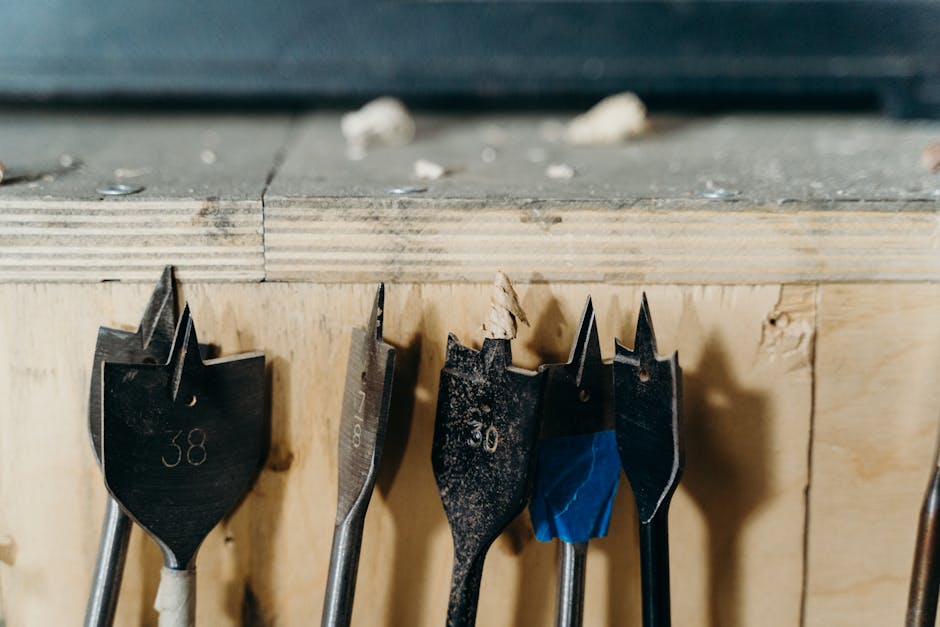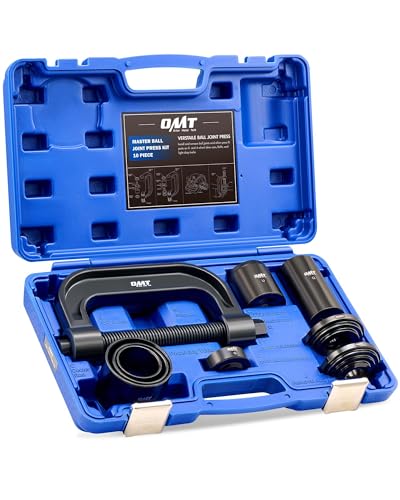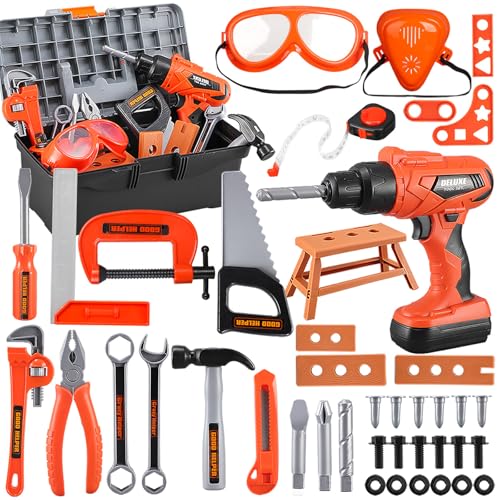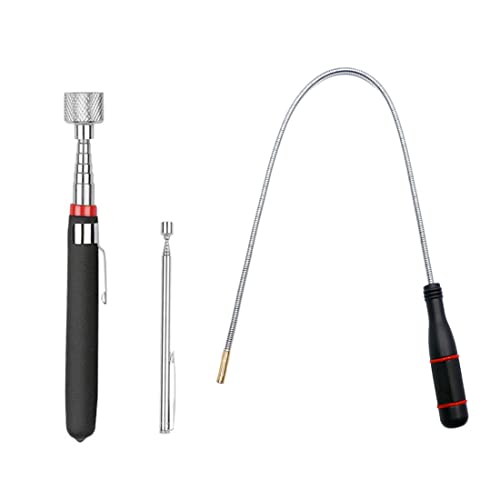
You’ve packed your bags, booked your tickets, and are ready to jet off on your next adventure or business trip. But wait—are you planning to bring your trusty tools along?
Whether you’re a handyman, a craft enthusiast, or a professional in need of your essential gear, you might wonder: Can you carry tools in your hand luggage? Before you find yourself stuck at airport security or worse, have your beloved tools confiscated, it's crucial to know the rules.
In this guide, we'll unravel the mystery and provide you with clear answers, ensuring a smooth journey. Keep reading to discover the dos and don’ts of traveling with tools in your carry-on, and avoid any last-minute surprises that could derail your plans.
Airline Regulations
Traveling with tools can be tricky due to strict airline regulations. Airlines have specific rules about what can be carried in hand luggage. These rules aim to ensure safety on flights. Knowing these rules helps avoid trouble at the airport.
General Rules For Carrying Tools
Most airlines limit the size and type of tools in hand luggage. Sharp tools like saws and knives are usually banned. Small tools like screwdrivers and pliers might be allowed. Always check the airline's guidelines before packing tools. This saves time and hassle at security checks.
Variations Among Airlines
Not all airlines have the same rules for tools. Some may allow certain tools, others may not. Budget airlines might have stricter rules than larger carriers. Checking the airline's policy is crucial before traveling. This ensures you comply with their regulations.
It’s wise to contact the airline if unsure about specific tools. They can provide detailed information on their regulations. This helps avoid surprises at the security checkpoint. Always stay informed to ensure a smooth travel experience.
Types Of Tools Allowed
Passengers can carry small tools in hand luggage, like screwdrivers and pliers under seven inches. Larger tools, like hammers and drills, must go in checked baggage. Always check airline rules for the latest updates.
When you're preparing for a trip, knowing what you can pack in your hand luggage is crucial. Tools can be particularly tricky due to security restrictions. Understanding the types of tools allowed can save you time and hassle at the airport. Ever had your favorite multi-tool confiscated because you thought it was small enough? Let’s dive into what you can and cannot carry.
Small Tools And Multi-tools
Not all tools are banned from hand luggage. Small tools like screwdrivers, wrenches, and pliers under 7 inches are generally allowed. This makes them perfect companions for quick fixes on the go. Imagine your glasses lose a screw mid-flight; having a small screwdriver handy can be a lifesaver. Multi-tools, often equipped with a variety of small tools, can be allowed if they meet size restrictions. Always double-check the guidelines of your airline, as policies might vary.
Prohibited Tools And Equipment
Certain tools are strictly prohibited in hand luggage. Items such as saws, hammers, and drills pose significant security risks and must be packed in checked luggage. Imagine trying to explain why you need a hammer on a plane—it's unlikely to end well. Even some multi-tools with larger blades or sharp edges might be disallowed. If you're unsure, consider whether the tool could be perceived as a weapon. If the answer is yes, it's best left out of your carry-on. Packing tools for travel requires careful consideration. Have you ever been surprised by what you could or couldn't carry? Knowing the rules beforehand can save you from that sinking feeling at security checkpoints. Always err on the side of caution, and when in doubt, consult your airline's guidelines.
Security Screening
Carrying tools in hand luggage requires careful consideration of airport security rules. Only small tools under seven inches are generally allowed. Always check specific airline regulations to avoid confiscation at security checkpoints.
Security screening can be a nerve-wracking experience, especially when you’re trying to carry tools in your hand luggage. Airports have strict rules, and you might wonder if your tools will pass the scrutiny of checkpoint officers. Understanding the process can ease your journey and save time.
What To Expect At Checkpoints
When you approach security checkpoints, be prepared for a thorough inspection. Officers will check your hand luggage for prohibited items, including certain tools. Metal detectors and X-ray machines are standard, and tools can trigger additional scrutiny. Expect to be asked questions about your items. Consider the size and type of tool. Small items like screwdrivers may pass, but larger tools might need a second check. Knowing what’s allowed in advance is crucial.
Tips For Smooth Screening
Arrive at the airport early to avoid the rush and stress. This gives you time to resolve any issues if your tools need extra inspection. Pack your tools in a clear, separate bag. This makes it easier for officers to see what you’re carrying. Keep your answers simple if questioned. Explain why you need the tools on your trip. Check airport regulations online before flying. Each airport has specific rules, and being informed can prevent surprises. Have you ever felt anxious about security checks? Planning ahead can turn anxiety into confidence, ensuring a smoother experience.
Packing Strategies
Carrying tools in hand luggage can be tricky due to strict airline regulations. Many tools are considered dangerous and must be checked in. Always check your airline's guidelines to avoid complications and ensure a smooth travel experience.
Packing tools in your hand luggage can be a challenging task, especially with various airline restrictions and limited space. It's essential to plan your packing strategy wisely to ensure that your tools are not only allowed on board but also organized and protected. If you've ever struggled with keeping your tools in order while traveling, these strategies might just be the solution you need.
Organizing Tools In Luggage
To effectively organize your tools in hand luggage, consider using small, clear plastic bags or pouches. This not only helps in keeping tools together but also makes it easy to spot them during security checks. Prioritize the tools you need the most and place them in easily accessible compartments. For example, if you are a photographer, place your lens cleaning kit on top, so you can quickly grab it. A compact tool roll or a zip-up organizer can be your best friend. It keeps everything snug and reduces the chances of items getting jostled around during travel.
Protective Measures For Tools
Protecting your tools is just as important as organizing them. Use bubble wrap or foam padding to cushion sharp or fragile items. This prevents damage both to the tools and your luggage. Consider investing in a sturdy, lockable case if you frequently travel with expensive tools. It provides an extra layer of security and peace of mind. Are you concerned about liquids spilling on your tools? Simply place them in waterproof bags to prevent any unwanted surprises. When packing tools, it's crucial to be aware of airline regulations and ensure none of your items are on the prohibited list. Have you ever had to leave a favorite tool behind at security? Share your experiences and learn from fellow travelers. By carefully planning how you pack and protect your tools, you can travel with ease and confidence, knowing your essentials are safe and accessible.
International Travel Considerations
Traveling internationally with tools in your hand luggage requires careful planning. Different countries have diverse rules and guidelines. Knowing these can save you time and trouble at airports. Whether traveling for business or pleasure, understanding these rules is crucial.
Customs Regulations
Each country has unique customs regulations concerning tools. Some nations classify certain tools as potential weapons. This means they could be confiscated at security checkpoints. Always check the customs website of your destination. This ensures compliance with their specific rules. Not all tools are allowed in hand luggage. Often, sharp objects and heavy items are restricted. Packing these in checked luggage is a safer option. This reduces the risk of delays or penalties.
Country-specific Restrictions
Some countries have stricter rules than others. For example, scissors and screwdrivers might be banned on flights to some destinations. Research the specific restrictions of each country you visit. This helps avoid surprises at the airport. Even within the EU, rules can differ slightly from country to country. Always carry documentation if tools are essential for your work. This might help explain their necessity to airport staff. Some countries may require permits for certain tools. Knowing these requirements can smooth your travel experience.
Alternative Options
Travelers often wonder about carrying tools in hand luggage. Small tools like screwdrivers and pliers are typically allowed. Always check airline guidelines to avoid issues.
Traveling with tools in hand luggage can be tricky due to airline restrictions and security concerns. If you're planning a trip and unsure about carrying tools onboard, there are alternative options to consider that might save you time and hassle. Let's explore some practical solutions that ensure you have everything you need without violating airline policies.
Shipping Tools To Destination
One effective way to bypass the restrictions of hand luggage is shipping your tools directly to your destination. This method can save you from the stress of navigating airport security with potentially prohibited items. Imagine arriving at your accommodation with a package waiting for you, filled with all the tools you need. Services like FedEx and UPS offer reliable shipping options. You can track your package, ensuring it arrives safely. This option works well if you're traveling for business or need specific tools for a project. Consider the shipping cost and timing to avoid delays. Have you ever tried shipping tools for convenience?
Renting Tools Upon Arrival
Renting tools at your destination can be a smart choice, especially if you are visiting a place known for its DIY culture. Local rental shops often have a wide range of tools available, and this can be a cost-effective solution if you only need them temporarily. Imagine landing in a city and having access to high-quality tools without the burden of lugging them around. Many rental services offer daily or weekly rates, making it easy to budget for your needs. Check online reviews and ask for recommendations to find reliable rental shops. Have you ever considered renting tools instead of bringing your own? It might open up new possibilities for future trips. These alternative options can ease your journey and enhance your travel experience. Shipping and renting tools are practical solutions that cater to different needs and preferences. Which option do you find most appealing for your next trip?
Travel Tips For Diy Enthusiasts
Traveling with tools can be challenging for DIY enthusiasts. Many travelers wonder about carrying tools in hand luggage. Security regulations often restrict certain items. Knowing which tools are allowed saves time and hassle.
Essential Tools For Travelers
Some tools are small and easy to carry. Screwdrivers, pliers, and small wrenches fit well in hand luggage. These tools are useful for quick repairs. It's best to check the airline's rules. Some airlines have strict restrictions on tools. Carrying essential tools ensures you're prepared for minor fixes.
Efficient Tool Kits For Trips
Compact tool kits are perfect for travel. They include basic tools for various tasks. A small hammer, multi-tool, and measuring tape are useful. These kits are lightweight and easy to store. Choose a kit with durable tools. Ensure it meets airline regulations. Efficient tool kits help in emergencies.
Frequently Asked Questions
Can You Bring Tools On A Plane?
Yes, but restrictions apply. Most airlines allow small tools under 7 inches in hand luggage. Larger tools should go in checked baggage. Always check with the airline for specific guidelines. Security regulations can vary by country and airline.
Are Screwdrivers Allowed In Carry-on Luggage?
Screwdrivers under 7 inches are usually permitted in carry-on bags. Larger ones need to be checked. Always consult the airline for their specific rules. Security measures can differ based on location and airline policies.
What Tools Are Banned In Hand Luggage?
Tools like hammers, saws, and crowbars are typically banned in hand luggage. These tools are considered potential weapons. It's best to place them in checked luggage. Consult your airline for a comprehensive list of prohibited items.
Can I Carry Pliers In My Carry-on?
Yes, pliers under 7 inches are typically allowed in carry-ons. Larger pliers should be in checked baggage. Always verify with the airline, as regulations may differ. Security protocols can vary depending on country and airline.
Conclusion
Traveling with tools in hand luggage requires caution. Check airline rules first. Different airlines have different restrictions. Small tools might be allowed. Sharp or large tools often need checked bags. Security is strict on these items. Plan ahead to avoid issues.
Consider tool size and type. Always pack safely and securely. Being prepared ensures a smooth journey. Safe travels with your tools!