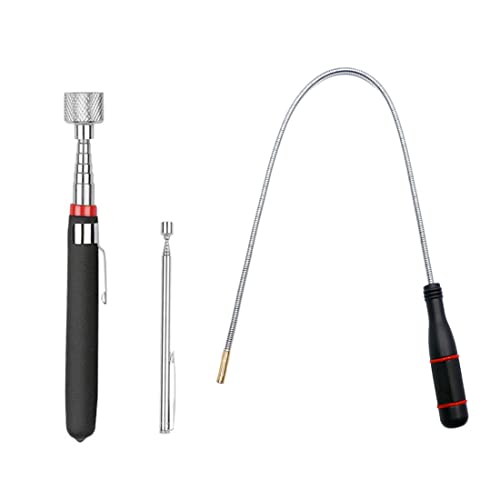

Traveling can be a thrilling adventure, but it often comes with a fair share of stress, especially when it comes to packing. You might wonder if small hand tools are allowed in your carry-on luggage.
After all, who wants to risk losing their valuable tools at the airport security checkpoint? This question is more common than you might think, and getting the right answer can save you time and headaches. Imagine the relief you’ll feel knowing exactly what you can bring with you on board.
We'll explore the rules and provide you with clear guidance so that you can travel with peace of mind, knowing your tools are safe and sound. Keep reading to discover everything you need to know about carrying small hand tools in your luggage.
Airline Regulations
Small hand tools, like screwdrivers and pliers, can be carried in luggage for most flights. They must be under seven inches long. Check specific airline regulations to ensure compliance and avoid any travel disruptions.
Navigating airline regulations can feel like a maze, especially when you're deciding what to pack in your carry-on luggage. The rules can vary, and it's crucial to understand them to avoid last-minute surprises at the airport. Small hand tools often come into question, and knowing the guidelines can save you both time and stress.
General Rules
Airlines have specific rules regarding what you can bring in your carry-on. Generally, small hand tools like screwdrivers, pliers, and wrenches are permitted as long as they are under seven inches in length. However, sharp tools like saws or knives are typically banned. Security checks are rigorous. If your tool doesn’t meet the criteria, it may be confiscated. Always check the airline's website or the Transportation Security Administration (TSA) guidelines before packing.
International Vs Domestic Flights
Airline regulations can differ significantly between international and domestic flights. On domestic flights within the United States, the TSA rules apply universally. However, when traveling internationally, the regulations of the destination country also come into play. For instance, while a small screwdriver might pass TSA checks in the U.S., it could be prohibited on a flight to another country. Always research the security policies of both your departure and arrival countries. Do you ever wonder how much hassle could be avoided with a bit of prior research? It’s worth the effort to ensure a smooth travel experience. If you’ve faced issues with hand tools during your travels, sharing your experience could help others. Always double-check regulations to avoid unnecessary stress and delays.
Types Of Small Hand Tools
Small hand tools like screwdrivers and pliers are generally allowed in carry-on luggage, subject to airline rules. It's crucial to check regulations as specific restrictions may apply to certain tools. Always pack safely to avoid security issues at the airport.
Packing for a trip can be both exciting and stressful, especially when you're unsure about what you can bring in your carry-on luggage. Small hand tools often spark confusion at security checkpoints. Understanding which tools you can carry and which you cannot is crucial for a smooth airport experience. Let's delve into the types of small hand tools that are typically allowed and those that might get you stopped at security.
Commonly Allowed Tools
When you're packing your carry-on, you might wonder about the tools you can safely include. Screwdrivers shorter than seven inches are usually allowed. This is great news if you need to tighten a loose screw on your luggage. You can also carry wrenches and pliers, provided they meet the size requirements. Imagine the relief of having a handy wrench for unexpected adjustments on the go. Scissors with blades shorter than four inches are generally accepted. Perfect for those last-minute snips needed before landing.
Restricted Tools
But what about tools you shouldn't pack? Box cutters are a definite no-go in your carry-on. Security agents will confiscate them, and you might face delays. Multi-tools with blades, even if the blade is small, usually aren't allowed. It’s tempting to pack one, but you might have to leave it behind. Hammers and crowbars are also restricted. They may seem harmless in your tool kit but pose safety risks on board. Do these restrictions surprise you? It’s always good to double-check the latest security guidelines before your flight. Packing smartly not only saves time but also ensures a hassle-free journey. What's the most unexpected tool you've had to leave behind at security? Share your story and help fellow travelers learn from your experience.
Safety Considerations
Small hand tools in carry-on luggage must meet airline and TSA regulations. Scissors and wrenches are typically allowed. Check specific size restrictions to avoid issues at security checkpoints.
When you're packing for a flight, the question of what you can take in your carry-on often arises. Small hand tools are handy, but are they safe to bring on board? The safety of your fellow passengers and yourself is a top priority. Let's break down the safety considerations you should keep in mind.
Potential Hazards
Small hand tools might seem harmless, but they can pose potential hazards during a flight. Think about a screwdriver or a small wrench—items like these could be used improperly. Airlines and security personnel are always cautious about objects that might be used as weapons. Imagine someone using a tool to tamper with a seat or emergency exit. Could that risk be worth the convenience of having your tool handy? Always weigh the practicality against the potential danger.
Security Screening
During security screening, your carry-on will be scrutinized. Tools can trigger alarms or cause delays. Ever had a nail clipper confiscated? A small wrench might face the same fate. Tools with blades longer than 7 inches are generally not allowed. Even if your tool is smaller, security officers have the final say. It’s essential to check the latest TSA guidelines before packing. Have you ever been pulled aside for a secondary screening? It can be stressful and time-consuming. Avoid this by ensuring your tools comply with regulations. How do you decide which tools to leave behind? Consider their necessity versus the hassle they might cause. Your choice impacts not just your journey, but others’ too.
Packing Tips
Packing small hand tools in carry-on luggage requires careful planning. Ensure that your trip goes smoothly by organizing your tools properly. This section will guide you with practical tips. Keep your tools safe and secure during air travel. Explore easy strategies to make your packing efficient.
Organizing Tools
Start by listing the tools you need for your trip. Stick to essentials to avoid excess weight. Group similar tools together for easy access. For instance, keep screwdrivers with screwdrivers. This method helps in locating them quickly. Make sure each tool is clean and in good condition.
Using Proper Cases
Use tool-specific cases to protect your items. Choose cases with compartments to keep tools separate. This prevents damage and keeps your tools organized. Hard cases provide excellent protection against impact. Soft cases are lighter and save space. Pick one that suits your travel needs.
Alternatives To Carrying Tools
Traveling with tools can be tricky. Airports have strict rules about carrying tools in luggage. Many small hand tools are not allowed in carry-on bags. This presents a challenge for travelers needing their tools at the destination. Luckily, there are alternatives. You can ship tools ahead of time or purchase them locally. These options ease travel stress and ensure you have what you need.
Shipping Tools
Shipping tools to your destination is a smart option. This guarantees they arrive safely and are ready for use. Contact a reliable courier service. They offer tracking and insurance for peace of mind. Pack tools securely to prevent damage. Use bubble wrap and sturdy boxes. Check the shipping company's guidelines for tool size and weight. This avoids any surprises.
Purchasing Locally
Buying tools locally is practical. This saves you the hassle of packing and shipping. Research local hardware stores near your destination. Many stores stock a wide range of tools. Visit the store once you arrive. This allows you to inspect tools before buying. Renting tools is another option if you need them temporarily. Local rental shops often have everything you might need.
Resources For Travelers
Traveling with small hand tools in your carry-on luggage can be a bit tricky, and finding the right information is crucial to avoid any hassle at the airport. Luckily, there are several resources available to help you navigate these rules and ensure a smooth journey. Whether you're a frequent flyer or a first-time traveler, tapping into the right resources can make all the difference.
Airline Websites
Airline websites are your first stop for accurate information. Most airlines provide detailed guidelines about what you can and cannot carry in your luggage. You can find this information under the 'Baggage' or 'Travel Information' sections.
For example, if you’re flying with Delta, their website outlines specific items that are prohibited in carry-on bags. Checking directly with the airline ensures you get the most up-to-date information, as policies can change.
Have you ever been caught off guard by a new rule? It happens. Make it a habit to visit your airline's website before packing. This simple step can save you from unexpected surprises at security checkpoints.
Travel Forums
Travel forums are an excellent resource for firsthand experiences and tips. These online communities allow travelers to share their personal stories and advice on what tools they’ve successfully carried onboard.
Websites like TripAdvisor or Reddit’s travel sections often have threads discussing carry-on rules. Reading through these can give you insights you might not find elsewhere.
Have you ever found yourself in a jam, unsure of what to do? Engaging with these forums can provide real-life solutions from people who’ve been in your shoes. Ask questions and get feedback from seasoned travelers.
What resources do you rely on when packing for a flight? Exploring various options can help you make informed decisions and travel without stress. Utilize these platforms to ensure your journey is as smooth as possible.
Frequently Asked Questions
Are Screwdrivers Allowed In Carry-on Luggage?
Yes, screwdrivers shorter than 7 inches are allowed in carry-on luggage. However, they must not be sharp or pointy. Always check with your airline and TSA guidelines, as rules may vary. For larger tools, it's best to pack them in checked luggage.
Can I Bring Pliers In My Carry-on Bag?
Yes, pliers are allowed in carry-on luggage if they're under 7 inches. They must not have sharp edges or tips. Always double-check with TSA guidelines before packing. For larger or sharp pliers, it's safer to place them in checked baggage.
Are Multi-tools Permitted In Carry-on Luggage?
Multi-tools are generally allowed if they don't have blades. Tools with scissors shorter than 4 inches are usually acceptable. Always verify with TSA and your airline for specific restrictions. It's best to place multi-tools with blades in checked luggage to avoid issues.
Can I Carry Small Wrenches On A Plane?
Yes, small wrenches are allowed in carry-on luggage if under 7 inches. Ensure they aren't sharp or pointed. It's advisable to check TSA regulations and airline policies before flying. Larger wrenches should be packed in checked baggage for safety.
Conclusion
Packing for a flight? Consider your small hand tools. Airlines have different rules. Check the airline's website for allowed items. Most small tools are fine in carry-ons. But, some might need checking. Always double-check before your trip. Safety rules vary by country.
This helps avoid surprises at the airport. Knowing these rules ensures a smooth journey. Keep your trip stress-free. Travel smart and prepared. This way, you enjoy your flight without hassle. Safe travels!