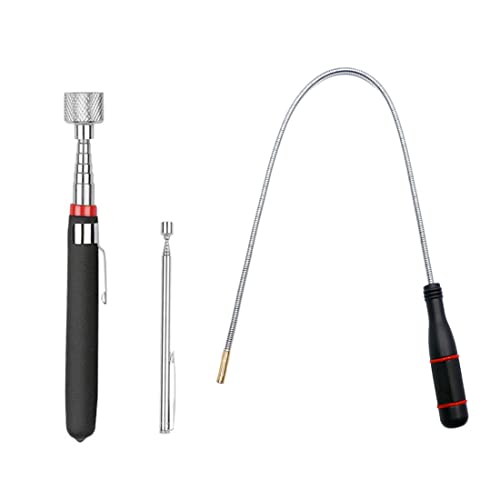

You’re staring at your toolbox and there it is, that one hand tool you just can’t identify. It’s sitting there, almost mocking you with its mysterious shape and unknown purpose.
You’re not alone. Many people face this puzzling moment, especially when tackling DIY projects or sorting through inherited tools. It’s frustrating, isn’t it? The good news is, you’re about to uncover the secrets of these elusive tools. Imagine the satisfaction when you finally know exactly what it is and how it can make your task easier.
This guide will take you from confusion to clarity, ensuring you not only identify that tool but also understand its full potential. Ready to dive in and become the hand tool expert in your circle? Let’s get started.
Common Hand Tools
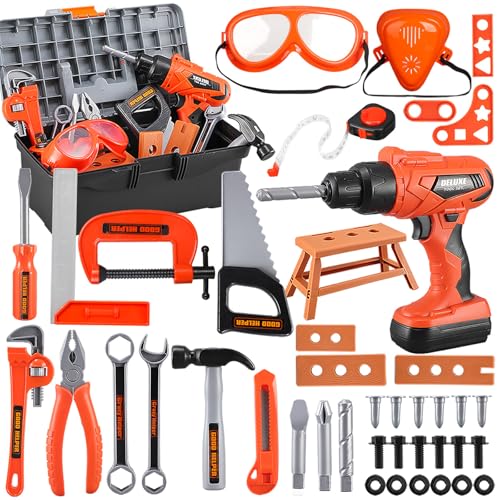
Struggling to identify common hand tools? These everyday tools include hammers, screwdrivers, and wrenches. They help with household repairs, but figuring out which tool to use can be tricky at times.
When you can't identify a hand tool, the task at hand becomes much more challenging. Understanding common hand tools is essential for anyone looking to tackle DIY projects or even simple home repairs. These tools are the backbone of any toolbox and learning about them can save you time and frustration. Let's dive into some of the most common hand tools you'll encounter and how they can help you in your day-to-day tasks.
Hammers
Hammers are one of the most recognizable hand tools. They are essential for driving nails into wood, breaking apart objects, or fitting parts together. A claw hammer, with its curved, forked end, helps remove nails. Have you ever struggled to pull out a stubborn nail? With the right hammer, that task becomes easier. Consider the weight and handle grip when choosing a hammer; it should feel comfortable in your hand.
Screwdrivers
Screwdrivers are vital for assembling furniture, fixing electronics, and tightening loose screws. They come in different types, primarily flathead and Phillips. Keep a set of both types in various sizes. Have you ever tried to use a flathead on a Phillips screw? It’s frustrating and ineffective. A magnetic tip is a handy feature, keeping screws in place and preventing them from falling.
Wrenches
Wrenches are indispensable for working with nuts and bolts. An adjustable wrench can adapt to different sizes, saving space in your toolbox. Imagine needing to fix a leaky pipe but not having the right tool. A wrench makes tightening fittings and securing fasteners a breeze. Always ensure the wrench fits snugly to avoid rounding off the edges of nuts and bolts.
Pliers
Pliers are versatile tools used for gripping, bending, and cutting wire. Needle-nose pliers are perfect for reaching into tight spots. Ever tried twisting a wire with your fingers? It can be painful and inefficient. Pliers give you the leverage needed to manipulate materials without straining your hands. Keep a pair in your toolbox for those hard-to-reach places and precise adjustments. Understanding these common hand tools not only makes you more efficient but also prepares you for unexpected challenges. Which tool do you find most essential in your daily tasks? Having the right tool at your disposal can make all the difference in getting the job done right.
Material And Design
Understanding the material and design of hand tools is essential. Each element affects the tool's performance and durability. Choosing the right material ensures longevity and effectiveness. Design influences ease of use and comfort. Let's explore these aspects in detail.
Metal Types
Hand tools often use different metals. Common metals include steel, aluminum, and titanium. Steel is strong and durable. Aluminum is lightweight but less strong. Titanium offers both strength and lightness. Each metal type has unique properties. Knowing these helps in tool selection.
Handle Materials
Handles come in various materials. Wood is traditional and offers a classic feel. Plastic handles are often lightweight and affordable. Rubber provides a comfortable and non-slip grip. Metal handles are durable but can be heavy. Choose based on your comfort and task needs.
Grip Styles
Grip styles enhance tool usability. Ergonomic grips reduce hand strain. Textured grips prevent slipping. Padded grips increase comfort during prolonged use. Each style offers different benefits. Consider what suits your hand and tasks best.
Purpose And Functionality
Hand tools play a vital role in many tasks. Each tool serves a unique purpose. Understanding their functionality is essential for efficient work. From construction to precision work, their uses are vast and varied.
Construction Tasks
Hand tools are indispensable in construction. They help build and shape structures. Hammers, saws, and screwdrivers are common. They ensure precise and sturdy results. Each tool has a specific task. Knowing their purpose boosts productivity.
Repair Jobs
Repair jobs often require hand tools. Wrenches, pliers, and hammers are essential. They fix broken or worn-out items. Proper tools make repair easier and faster. Correct tool selection ensures efficient work.
Precision Work
Precision tasks demand exactness. Hand tools like calipers and levels are crucial. They help achieve accurate measurements. Precision tools ensure quality and consistency. They are vital for delicate and detailed work.
Identifying Features
Understanding the unique characteristics of hand tools helps in identification. Each tool has distinct features. These features set them apart. Knowing these can make your task easier.
Size And Weight
Hand tools vary in size. Some are small, like screwdrivers. Others, like hammers, are larger. Weight also differs among tools. A lightweight tool might be a plier. A heavy tool could be a sledgehammer. The size and weight often hint at the tool's purpose.
Unique Markings
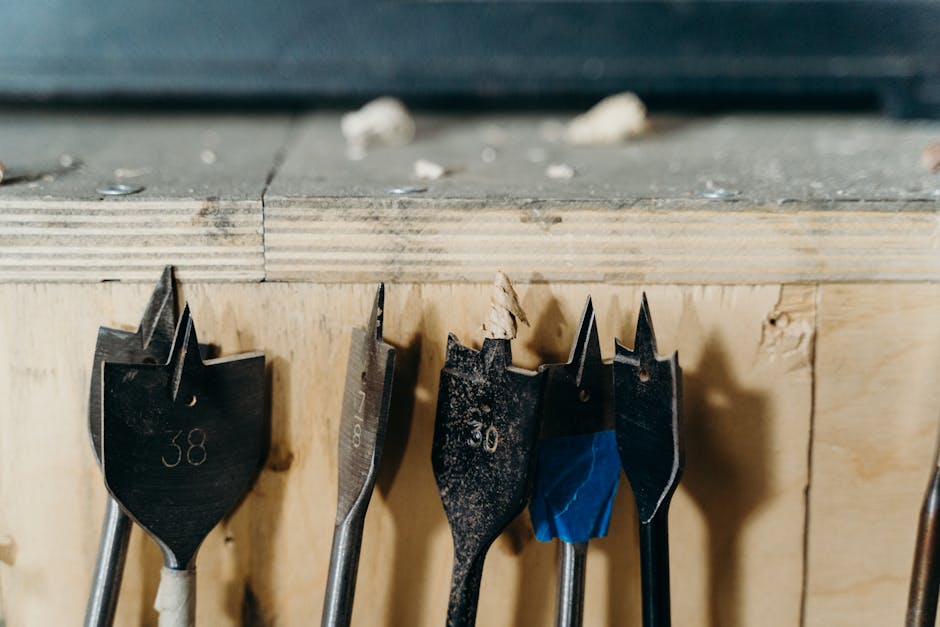
Many tools have unique markings. These markings can be brand logos. They can also be measurement scales. Some tools have model numbers. Engravings often show the tool's specifications. These details help in accurate identification.
Color Coding
Color coding is common in hand tools. Manufacturers use colors to denote tool types. For example, electrical tools might be red. Plumbing tools could be blue. The color helps in quick recognition. It reduces the chance of picking the wrong tool.
Safety And Usage Tips
Identifying hand tools is crucial for safe and effective use. Without proper knowledge, accidents can happen easily. Understanding safety and usage tips can prevent injuries and ensure longevity of tools. Proper handling, maintenance, and storage are key components in tool safety.
Proper Handling
Always grip the tool firmly to avoid slips. Keep your hands dry and clean when using tools. Use tools for their intended purpose only. Never apply excessive force to a tool, it can break or cause injury. Ensure your workspace is clutter-free to avoid accidents.
Maintenance Guidelines
Regularly inspect tools for signs of wear and tear. Tighten loose screws and bolts promptly. Clean tools after each use to prevent rust and dirt build-up. Lubricate moving parts to ensure smooth operation. Replace damaged tools immediately to avoid risks.
Storage Solutions
Store tools in a dry, cool place to avoid moisture damage. Use racks or toolboxes to keep tools organized and easily accessible. Label storage areas for quick identification. Ensure sharp tools are stored safely to prevent injury. Keep storage areas clean to maintain tool condition.
Troubleshooting Identification
Identifying hand tools can be challenging for beginners. Many tools appear similar, causing confusion. Knowing how to troubleshoot identification helps avoid costly errors. This guide offers practical steps to correctly identify hand tools.
Common Mistakes
Misidentifying tools often stems from poor observation. People confuse similar shapes and sizes. For example, pliers and wrenches can look alike. Mistaking features like handles or grips happens frequently. Always check for specific markings or labels. Ensure you understand the tool's intended use. This helps distinguish between similar items. Avoid assumptions based on color or brand.
Visual Aids
Pictures and diagrams simplify identification. They offer clear comparisons between tools. Use guides with labeled images. These help highlight unique features of each tool. Visual aids often include measurements. This helps compare sizes accurately. Videos demonstrate tools in action. Watching how a tool is used clarifies its purpose. These resources are valuable for quick reference.
Online Resources
Websites provide extensive tool databases. Many sites offer detailed descriptions. Search engines can identify tools by image. Forums are useful for community advice. Experts often share tips on identification. Online catalogs list tools with specifications. These resources are accessible and informative. They provide instant help for identifying tools accurately.
Frequently Asked Questions
How To Identify An Unknown Hand Tool?
Identifying unknown hand tools can be tricky. Start by examining any markings or brand names. Research these online for matches. Consider the tool’s shape and functionality. Websites and forums dedicated to tools can also help. Uploading a photo to a tool identification app might provide answers.
What Are Common Hand Tools And Their Uses?
Common hand tools include hammers, screwdrivers, and wrenches. Hammers drive nails into surfaces. Screwdrivers tighten or loosen screws. Wrenches adjust nuts and bolts. Each tool has a specific purpose, aiding in repairs and construction. Understanding their uses helps in selecting the right tool for tasks.
How Can I Learn Tool Identification?
Learning tool identification starts with familiarizing yourself with basic tools. Study guides and online resources are helpful. Practice by examining tools in hardware stores. Join workshops or classes for hands-on experience. Engaging with DIY communities online can also enhance your knowledge.
Why Is Tool Identification Important?
Tool identification is crucial for safety and efficiency. Using the wrong tool can cause damage or injury. Proper identification ensures the right tool for the job, saving time and effort. It also aids in maintaining tools, as you understand their specific requirements and functions.
Conclusion
Discovering the right hand tool takes time and patience. Keep practicing with different tools. Ask for help when needed. Learning from others can save you time. Remember, even experts started as beginners. Explore guides and videos for better understanding. Practice makes perfect, so don't give up easily.
Each tool has a unique purpose. Understanding these purposes can simplify your tasks. With time, your confidence will grow. Soon, identifying hand tools will become second nature. Enjoy the journey of learning and improving. Stay curious and keep exploring the world of tools.