
Navigating airport security can sometimes feel like deciphering a complex puzzle, especially when it comes to packing your tools. You're probably wondering, "Are small hand tools allowed on an airplane?"
The confusion is understandable—no one wants to leave behind essential tools or face complications at the security checkpoint. Before you pack, it's crucial to know which items are permitted and which could cause a delay in your travels. In this blog, we’ll unravel the mystery surrounding small hand tools and flying, ensuring your trip is as smooth and stress-free as possible.
Stick around to discover tips and tricks that could save you time and hassle, letting you focus on what truly matters: your journey.
Security Regulations
Understanding security regulations helps travelers pack right. Small hand tools like screwdrivers under 7 inches are usually allowed in carry-on luggage. Always check specific airline rules to avoid surprises.
Security regulations are crucial when traveling by air, especially when it comes to carrying small hand tools. Understanding these rules can save you from unexpected delays or having your precious tools confiscated. Whether you're a DIY enthusiast or a professional traveling for work, knowing what you can and cannot bring on a plane is essential. Let's dive into the specifics that will help you navigate these regulations with ease.
Tsa Guidelines
The Transportation Security Administration (TSA) has clear guidelines regarding small hand tools on airplanes. Generally, tools that are less than seven inches in length are allowed in carry-on bags. This includes items like wrenches, pliers, and screwdrivers. However, sharp objects like knives or tools with blades are restricted. They must go in checked luggage. It's wise to check the TSA's official website for updates before packing. Imagine arriving at security with your tool set only to find out the rules have changed. Always double-check to avoid surprises.
International Rules
Traveling internationally? Be aware that security regulations for hand tools vary by country. While the TSA rules apply in the United States, other countries may have stricter policies. For example, the European Union might have different size limits or restrictions on certain types of tools. Researching the regulations of your destination is crucial. Picture yourself landing in a new country only to find your tools aren't allowed. A quick online search or a call to the airline can provide clarity and peace of mind. Have you ever faced a situation where your tools were confiscated at security? Share your experience and insights. Understanding these regulations doesn't just save time; it ensures your travel plans remain smooth and hassle-free.
Common Hand Tools
Small hand tools like screwdrivers and pliers are often allowed in carry-on luggage. It's important to check with the airline beforehand. Security rules vary, so always verify current regulations before packing.
When you're preparing for a flight, packing can be a challenge, especially when it comes to figuring out what tools you can bring along. If you're someone who loves DIY projects or just wants to ensure you're ready for any situation, knowing which small hand tools are allowed on an airplane is crucial. Let's dive into the details of common hand tools and their travel regulations.
Allowed Tools
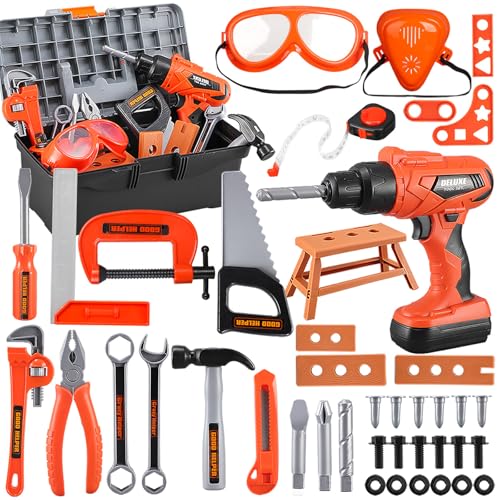
Did you know that some small hand tools can indeed accompany you in your carry-on luggage? Screwdrivers, wrenches, and pliers under seven inches are typically allowed. These tools are perfect if you're heading to a workshop or simply want to be prepared for minor repairs. You might also be surprised to learn that manual pencil sharpeners and small scissors (blades shorter than four inches) are okay to bring on board. Keep these items handy for crafting or office work on the go. Remember, it’s always a good idea to double-check with the airline or TSA for the latest updates. Policies can vary slightly, so ensuring your tools fit the guidelines is essential.
Prohibited Items
You might be tempted to bring more robust tools, but certain items are strictly prohibited in your carry-on. For example, hammers, saws, and drills are a no-go. These tools can be seen as potential weapons and are best packed in checked luggage. Box cutters and razor blades are also not allowed in your carry-on bag. Imagine the inconvenience of having these items confiscated at the security checkpoint. It's always best to err on the side of caution. If you're unsure about a specific tool, consider if it could be perceived as dangerous. This mindset can help you avoid the hassle at security. Packing for a flight involves more than just clothes and toiletries. By understanding which small hand tools are allowed and which are not, you can travel with peace of mind. What tools will you pack for your next journey?
Packing Tips
Packing small hand tools for airplane travel can be tricky. Knowing what tools are allowed and how to pack them is essential. This ensures a smooth journey without unnecessary hassles. Let's dive into some practical packing tips.
Carry-on Vs Checked Luggage
Decide whether to carry tools on board or check them in. Airlines have strict rules for carry-on items. Most allow small tools like screwdrivers, pliers, and wrenches. These must be under seven inches long. Larger tools should go in checked luggage. Check the airline's policy before packing.
Proper Tool Storage
Proper storage prevents damage and ensures safety. Use a tool roll or pouch to organize tools. This keeps them neat and easy to access. Secure the pouch with a strong zipper or Velcro. In checked luggage, wrap tools in clothing or bubble wrap. This cushions them during transport. Label the bag clearly as containing tools. This speeds up security checks at the airport.
Traveler Experiences
Traveling with small hand tools can lead to surprising adventures. Many travelers share unique stories and challenges faced during their journeys. These stories reveal the reality of carrying hand tools on planes. From personal tales to common issues, each experience offers insights into airport security measures.
Personal Stories
John once traveled with a small screwdriver set. He packed it in his carry-on, unaware of strict security rules. At the checkpoint, security asked him to unpack. He felt nervous as they examined his bag. After a brief check, they allowed the tools. John learned to check airline policies before packing.
Susan had a different experience. She carried a tiny wrench in her purse. Security flagged her bag for inspection. She feared missing her flight due to delays. Thankfully, the officer approved her tool. She always checks tool size rules now.
Common Challenges
Many travelers face challenges with tool size restrictions. Small tools often get flagged for inspection. Security measures vary by airport, leading to confusion. Travelers frequently deal with delays at checkpoints. Understanding regulations helps avoid these issues.
Another common challenge is packing tools properly. Tools must fit within carry-on size limits. Improper packing leads to security concerns. Ensuring tools are visible and easy to inspect can save time.
Security staff may have different interpretations of tool rules. This inconsistency causes frustration among passengers. Checking official guidelines before flying can ease these challenges. Preparing ahead prevents travel disruptions.
Alternatives To Carrying Tools
Traveling with small hand tools can be tricky. Security rules often restrict them on flights. But there are smart alternatives to carrying tools when you fly. These options ensure you have what you need without breaking any rules. Consider these alternatives to make your journey smooth and stress-free.
Rental Options
Many places offer tool rentals for travelers. This option is convenient and cost-effective. Tool rental services are available in most cities. They provide a wide range of tools. You can rent them for a day or longer. This way, you avoid carrying tools through airport security. Plus, rental tools are well-maintained. This ensures they work properly for your needs.
Local Purchases
Buying tools locally can also be a practical choice. Many hardware stores offer affordable tools. You can find them in most destinations. This allows you to buy only what you need. After your project, you can gift or donate them. This helps others and saves you the hassle of carrying them back.
Preparing For Security Checks
Small hand tools like screwdrivers and pliers can be packed in checked luggage. Airport security checks might restrict them in carry-ons. Always verify with the airline's specific rules to ensure compliance.
Preparing for a flight involves various steps. One crucial part is navigating security checks. Knowing what small hand tools are allowed can ease your journey. Security checks can be stressful. Proper preparation makes it smoother and faster.
Documentation
Carry necessary documents like boarding passes. Have identification ready for inspection. Security personnel may ask about your tools. Be prepared to explain their purpose. Print airline policies on tool allowance. Show them if needed to avoid confusion. This proves you understand regulations.
Efficient Packing Strategies
Pack tools in an organized manner. Use clear bags for easy visibility. Keep small hand tools separate from other items. This helps security quickly identify them. Use protective covers for sharp tools. This prevents injury during inspection. Check tool size and ensure they meet regulations. Follow guidelines for tool length and type. Avoid packing prohibited items. Research beforehand to ensure compliance.
Frequently Asked Questions
Can I Bring A Screwdriver On A Plane?
Yes, you can bring screwdrivers on a plane, but they must be under 7 inches. Ensure they are packed in your checked luggage. If they're over 7 inches, they will be confiscated by security.
Are Pliers Allowed In Carry-on Luggage?
Pliers are allowed in carry-on luggage if they are under 7 inches. Security regulations permit small hand tools within these dimensions. Larger tools should be packed in checked baggage to avoid any issues.
What Tools Are Prohibited On Airplanes?
Tools like saws, drills, and hammers are prohibited in carry-on luggage. These items pose safety risks and must be checked. Always check the latest airline guidelines for any updates on tool restrictions.
How Should I Pack Small Hand Tools?
Pack small hand tools securely in your checked luggage to prevent damage. Use a sturdy tool case or wrap them in protective material. Ensure they are properly organized to avoid issues during security checks.
Conclusion
Understanding airline rules keeps your travel smooth and worry-free. Small hand tools often vary in allowance across airlines. Always check specific airline guidelines before packing. Knowing what's allowed saves time and stress at security. Bring the right tools, and enjoy a hassle-free flight.
Traveling prepared ensures a pleasant journey. Remember, safety rules exist for your protection. Share this knowledge with fellow travelers. Stay informed, travel smart, and enjoy peace of mind. Simple steps make a big difference. Happy travels with your tools safely packed!