Can you make dado cuts with hand tools? Imagine crafting precise, clean dado cuts without the hum of power tools.
It might seem challenging, but the truth might surprise you. Whether you're a seasoned woodworker or a DIY enthusiast, understanding the art of manual dado cutting can elevate your projects to a new level. You don't need expensive machinery to create beautiful, functional joints; all you need is the right technique and a few essential hand tools.
Curious to know how you can master this skill? Let's dive into the world of hand-crafted woodworking, where simplicity meets sophistication, and discover how you can achieve perfectly cut dados with just your hands and a few trusty tools.
Essential Hand Tools For Dado Cuts
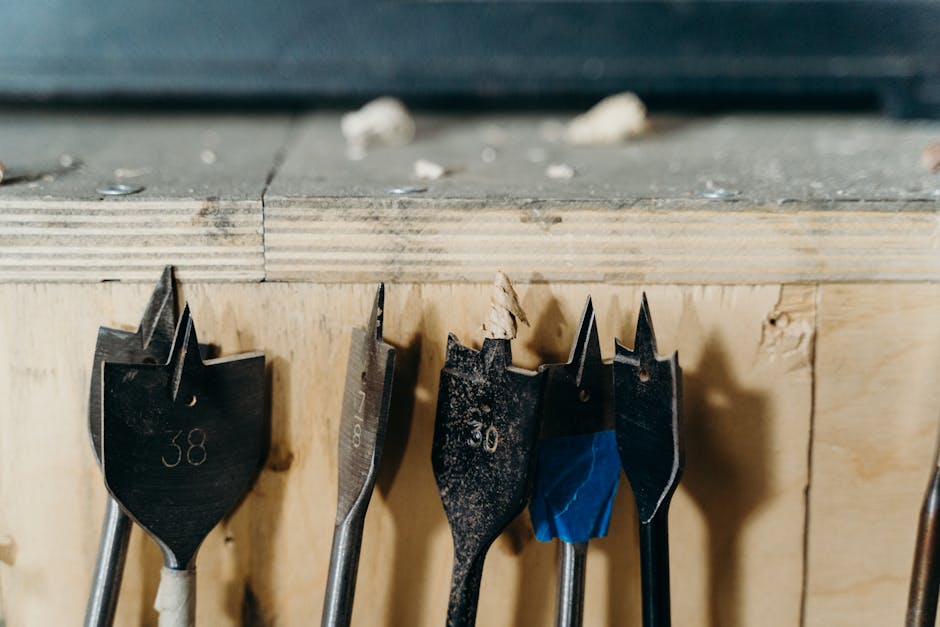
Making dado cuts with hand tools might seem daunting at first, but with the right tools and techniques, it can be a rewarding experience. The precision and control you have with hand tools often surpasses that of power tools. Essential hand tools for dado cuts not only help in achieving clean, precise cuts but also enhance your craftsmanship skills. Whether you're a seasoned woodworker or a DIY enthusiast, understanding the tools that make dado cutting possible is crucial. Let's dive into some essential hand tools that will make your dado cutting journey smooth and efficient.
Saw Types
Choosing the right saw is fundamental for making accurate dado cuts. One popular option is the backsaw, known for its straight, rigid blade, making it ideal for precise cuts. Another option is the Japanese pull saw, which allows for greater control and finer cuts due to its unique design and cutting action. Have you ever tried using a Japanese pull saw? Its unique design might surprise you with how effortlessly it slices through wood. Consider experimenting with these saws to find which suits your style and needs best.
Chisels And Gouges
Chisels and gouges are indispensable for refining dado cuts. Sharp chisels can clean out the waste efficiently, leaving you with crisp, neat edges. Gouges are perfect for removing larger chunks of wood when making wider dados. But how do you ensure your chisels and gouges are sharp enough? Regular sharpening and maintenance are key. Having a well-maintained chisel can be the difference between a rough, uneven cut and a perfectly smooth dado.
Marking And Measuring Tools
Precision in marking and measuring is crucial for successful dado cuts. A marking gaugeensures consistent width and depth, guiding your saw accurately. Additionally, a squarecan help you maintain right angles, ensuring the dado fits perfectly. Have you ever felt frustrated when your cuts don't align perfectly? Using marking and measuring tools can significantly reduce errors, making your woodworking projects more seamless. Invest time in learning how to use these tools effectively; your craftsmanship will thank you.
Can you imagine the satisfaction of creating perfect dado cuts with just hand tools? The right tools can make all the difference, transforming your woodworking projects from ordinary to extraordinary.
Preparing The Workpiece
Preparing the workpiece is crucial for successful dado cuts with hand tools. This stage involves careful selection and marking to ensure precision. Proper preparation sets the foundation for clean and accurate cuts.
Selecting The Right Wood
Choosing the right wood is essential for clean dado cuts. Hardwoods like oak or maple offer durability and strength. Softwoods like pine are easier to cut but may splinter. Ensure the wood is free from knots and warps.
Consider the wood grain direction. Cutting across the grain may cause tear-out. Select a piece with a straight, even grain for smoother cuts.
Marking The Cut Lines
Accurate marking is vital for precise dado cuts. Use a sharp pencil or marking knife for clear lines. Measure carefully to ensure the cuts are in the right position.
Double-check measurements before marking. Mistakes can lead to uneven cuts. A good square or ruler helps maintain straight lines.
Highlight the cut lines for easy visibility during cutting. Proper marking guides the hand tools along the correct path.
Techniques For Sawing Dado Cuts
Crafting dado cuts with hand tools is possible using a saw, chisel, and mallet. Precision is key to achieve neat, accurate cuts. Practice enhances skill, ensuring clean edges and smooth finishes.
Creating dado cuts with hand tools might seem challenging, but it's entirely achievable with the right techniques. If you've ever wondered about the precision and skill required to make those clean, neat grooves, you're in the right place. Let’s dive into some practical methods for sawing dado cuts that you can apply in your woodworking projects.
Using A Handsaw
A handsaw can be your best friend when making dado cuts. You'll need a sharp, fine-toothed saw for precision. Start by marking the width of your dado on the wood using a pencil and square. Position the handsaw on the marked line and begin with gentle strokes. Gradually deepen the cut by increasing the pressure as you saw back and forth. Keep your grip steady and ensure the saw stays straight to avoid angled cuts. You might find it helpful to score the line first with a utility knife. This helps guide the saw and reduces splintering. As you get more comfortable, you'll achieve smoother and more accurate cuts.
Creating Guide Blocks
Guide blocks are simple yet effective tools to enhance the accuracy of your dado cuts. These blocks are essentially wooden templates that you clamp onto your workpiece. Cut your guide blocks to match the width of your dado. Secure them tightly on either side of the cutting line. This setup keeps your saw in line and prevents it from veering off course. If you've ever struggled with maintaining a straight cut, guide blocks can be a game-changer. They offer the stability you need, especially if you're new to hand sawing. Think about the satisfaction of achieving a clean dado without a power tool. Isn’t it rewarding to rely on your hands and skills? With patience and practice, hand tools can create dado cuts just as precise as any machine.
Chisel Techniques For Precision
Crafting precise dado cuts with hand tools demands skill and patience. Chisels, with their sharp edges, allow for clean, accurate grooves. Embrace traditional woodworking techniques to achieve these detailed cuts without power tools.
Chisel Techniques for Precision Crafting precise dado cuts with hand tools is an art that requires patience and skill. Chisels, in particular, are essential tools in achieving that perfect fit. Using the right technique can transform your woodworking projects, making them more professional and satisfying. Have you ever wondered how to make your cuts more accurate and smooth? Let’s delve into the world of chisels and uncover some techniques that can elevate your craftsmanship.
Removing Waste Material
Before you start chiseling, mark your dado cut lines clearly with a pencil or marking knife. This ensures you stay within the boundaries. Begin by making small, shallow cuts along the waste area of the dado. A sharp chisel is crucial here—it gives you control and reduces the effort needed. Use a mallet to tap the chisel gently, guiding it through the waste material. Work from both sides toward the center to maintain balance and avoid splitting the wood. Remember, patience is key; rushing can lead to mistakes. Have you ever noticed how a slow, steady approach yields cleaner results?
Smoothing The Cut
Once the bulk of the waste is removed, it's time to refine the cut. Position your chisel at a shallow angle and use light pressure to pare down any uneven spots. This step smooths out the base of the dado, ensuring a snug fit for your joint. Feel the surface with your fingers to detect any rough patches. If you find any, go over them again with your chisel until the surface is smooth. A well-sanded dado cut not only enhances the joint's appearance but also its strength. Have you considered how much easier assembly becomes with smoother cuts? Precision in woodworking isn't just about the tools you use—it's about how you use them. These chisel techniques can dramatically improve the quality of your dado cuts. Why not give them a try in your next project? You'll be amazed at the difference a little attention to detail can make.
Ensuring Accuracy
Creating precise dado cuts with hand tools demands accuracy. Misjudgments can lead to a flawed fit. Ensuring precision is key for successful woodworking. This involves careful measurement and fit adjustments. Each step enhances the quality of your work.
Double-checking Measurements
Measure twice, cut once. Start by noting your dimensions. Use a ruler for reliable results. Consider a measuring tape for larger pieces. Verify your measurements before marking. Small errors can cause big problems. Accurate markings guide your cuts.
Mark the wood with a pencil. Pencil lines are clear and easy to erase. Double-check all lines before cutting. Consistency in marking ensures clean cuts. This step prevents mistakes in your project.
Adjusting For Fit
Test the fit before final assembly. Place the wood in the cut. Check for snugness. A tight fit means precision. Loose fits indicate a need for adjustment. Use a chisel to refine edges. A plane can smooth surfaces as needed.
Patience is essential during adjustments. Small refinements lead to better results. Your goal is a perfect fit. Achieving this requires careful work. Focus on making each piece fit seamlessly. This step ensures the quality of your final product.
Finishing Touches
Creating dado cuts with hand tools requires precision. Chisels and saws can achieve clean, accurate grooves. Practice ensures smooth and effective results.
Finishing touches elevate your dado cuts to the next level. Hand tools can create precise cuts. Yet, the final details make all the difference. These steps ensure smooth edges and a polished look.
Sanding The Edges
Sanding removes rough spots and sharp edges. Use fine-grit sandpaper for a smooth surface. Gentle strokes are key. Avoid uneven sanding by moving in one direction. Check the edges closely. Remove any splinters for a clean finish.
Applying Finishes
A good finish protects the wood. It adds shine and beauty. Choose a finish that suits your project. Apply it evenly with a brush or cloth. Let it dry properly. Check for streaks or bubbles. These can spoil the look. Always follow the manufacturer's instructions. This ensures the finish lasts longer.
Frequently Asked Questions
What Are Dado Cuts Used For?
Dado cuts are grooves cut into wood for jointing. They're commonly used in cabinetry, shelving, and furniture. These cuts provide strong joints by allowing wood pieces to fit snugly together. Using hand tools for dado cuts offers precision and control, ideal for detailed woodworking projects.
Can You Make Dado Cuts Without Power Tools?
Yes, you can make dado cuts with hand tools. Tools like chisels, hand saws, and routers can help achieve precise cuts. Hand tools offer more control, making them suitable for detailed work. Learning to use these tools effectively can enhance your woodworking skills and project outcomes.
What Hand Tools Are Needed For Dado Cuts?
Essential hand tools for dado cuts include chisels, a marking gauge, and a hand saw. A mallet is also useful for chiseling. These tools allow for precise and controlled cuts. Mastering their use ensures accurate and professional-looking dado cuts in your woodworking projects.
How Do You Ensure Precise Dado Cuts By Hand?
To ensure precision, carefully measure and mark the wood first. Use a sharp marking gauge for accuracy. Make shallow initial cuts with a hand saw. Then, use chisels to gradually deepen and clean the cut. Consistent practice and attention to detail are key for perfect dado cuts.
Conclusion
Making dado cuts with hand tools is possible and rewarding. It requires patience and practice. Hand tools offer precision and control. They are perfect for woodworkers who enjoy a hands-on approach. Always ensure your tools are sharp and maintained. This makes the process easier and safer.
Start with simple projects. Gradually build your skills and confidence. Over time, your expertise will grow. You’ll appreciate the art of woodworking even more. Remember, hand tools connect you to traditional craftsmanship. They add a personal touch to your projects.
Enjoy the journey and keep creating!