Have you ever found yourself puzzled by the amp requirements for your power tool's lithium-ion battery cells? You're not alone.
Understanding how many amps are needed can feel like deciphering a secret code. But what if you could unlock the mystery and ensure your tools always run at peak performance? Imagine confidently choosing the right battery that keeps your projects moving forward without a hitch.
In this guide, we'll strip away the jargon and get straight to the point, giving you clear insights that empower your DIY or professional endeavors. Get ready to discover how the right amps can revolutionize your tool's efficiency and longevity. Keep reading—you won’t want to miss this!
Types Of Power Tool Batteries
Power tools rely on different types of batteries. Each type offers unique benefits. Choosing the right one impacts performance and durability. Let's explore the options available.
Lithium Ion Vs Other Batteries
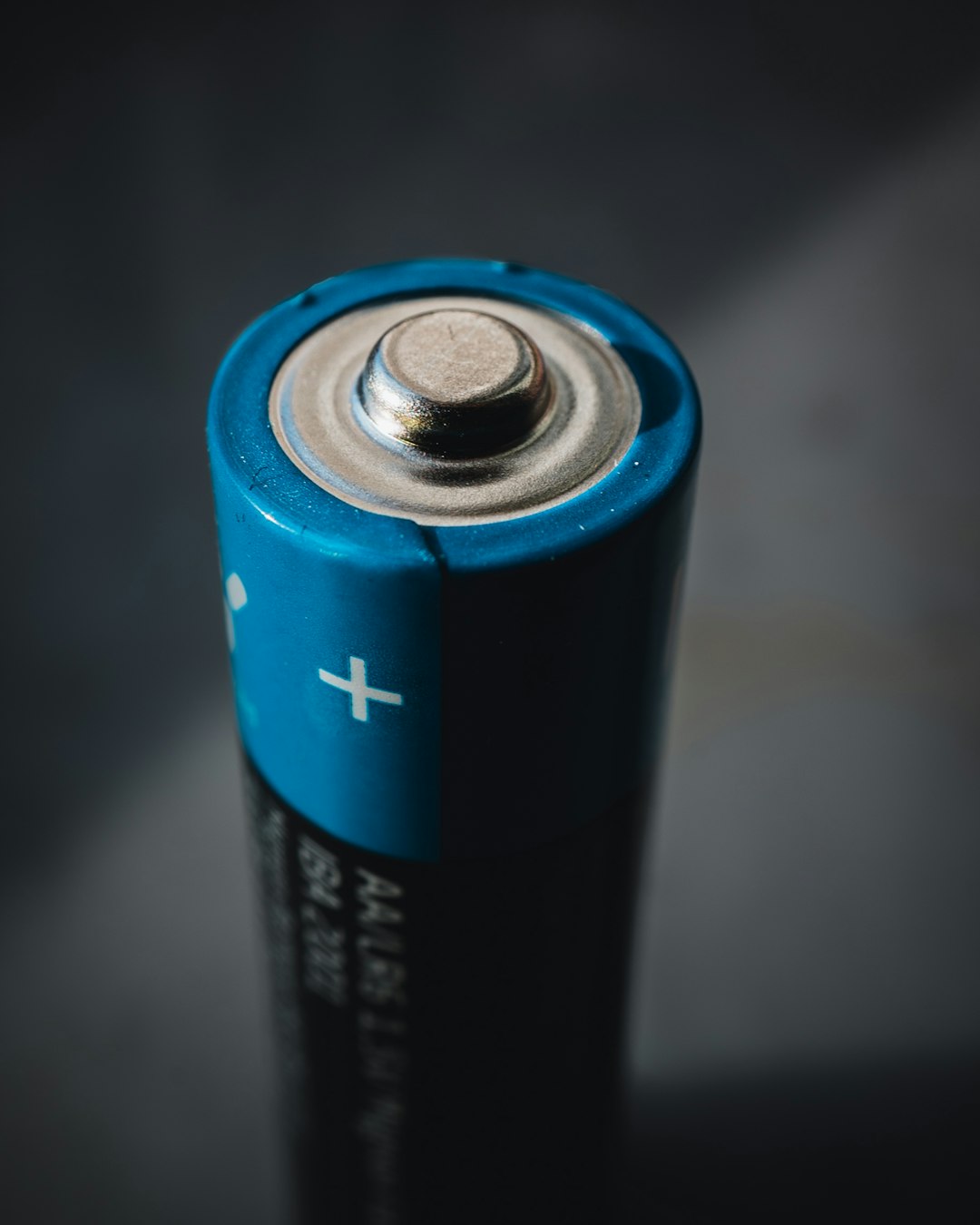
Lithium-ion batteries are popular for power tools. They stand against nickel-cadmium and nickel-metal hydride types. Lithium-ion batteries are lighter. They hold more energy compared to others. Nickel-cadmium batteries are heavier. They suffer from memory effect. Nickel-metal hydride batteries are better than nickel-cadmium. But they still can't match lithium-ion efficiency.
Advantages Of Lithium Ion
Lithium-ion batteries recharge quickly. This feature saves time during projects. They also retain charge well. This means tools are ready when needed. These batteries have a long life span. They endure many charge cycles. Their compact size adds convenience. This makes tools easier to handle. Safety features reduce risks. Overcharging and overheating are less of a worry. These benefits make lithium-ion a preferred choice.
Understanding Amp Ratings
Determining amp ratings for lithium-ion battery cells in power tools requires understanding their capacity and usage. These ratings ensure tools operate efficiently, preventing overloading or power shortages. Proper amp selection extends battery life, enhancing tool performance.
Understanding amp ratings is crucial when using power tools with lithium-ion battery cells. Amp ratings tell you how much electrical current a battery can provide. This information is vital for matching the right battery with your tools to ensure optimal performance and safety.
Definition Of Amps
Amps, short for amperes, measure the flow of electrical current. Think of amps as the amount of electricity traveling through a circuit. Just like water flowing through a pipe, more amps mean more electrical power. When you see amp ratings on a battery, it indicates the maximum current the battery can safely deliver. This number helps you determine whether the battery can handle the demands of your power tool. A higher amp rating usually means a more powerful battery.
Importance In Power Tools
In power tools, amp ratings directly impact performance. If you've ever experienced a tool slowing down or stopping unexpectedly, it might be due to insufficient amps from the battery. Ensuring your battery has the right amp rating keeps your tools running smoothly. Using the wrong amp-rated battery can lead to overheating or damage. You wouldn't want to risk a mishap during a crucial home repair, right? By selecting the correct amp rating, you maintain efficiency and extend the life of both your tool and battery. So, next time you choose a battery, consider its amp rating carefully. This small detail can make a significant difference in your power tool experience. Have you ever faced challenges with mismatched batteries and tools? Share your story and insights!
Factors Affecting Amp Requirements
When selecting a lithium-ion battery for your power tool, understanding the factors that affect amp requirements is crucial. These elements can significantly influence how your tool performs and how long it lasts on a single charge. Knowing the right amp requirements can save you from mid-project battery failures and ensure efficiency in your work.
Tool Power And Performance
Think about the tasks you tackle regularly. Do they demand high power or just occasional bursts of energy? Tools that require higher performance, like heavy-duty drills or saws, usually need batteries with more amps. This ensures they deliver consistent power throughout your project.
Consider how often you find your tool slowing down. A battery with higher amps can help maintain optimal performance levels. It provides the continuous energy your tool needs without compromising speed or power.
Battery Capacity And Duration
Have you ever found yourself pausing mid-task to recharge? The capacity of your battery, measured in amp-hours (Ah), directly impacts how long you can work without interruptions. A higher capacity means longer use time, crucial for extended projects.
Picture the frustration of a battery dying just as you're about to finish. Choosing the right amp capacity ensures your tools last longer, keeping your workflow smooth and uninterrupted. Balancing your battery's amp-hour with your tool's needs can prevent unexpected downtime.
So, what factors do you consider when choosing a battery for your power tools? Is it performance, duration, or both? Understanding these aspects can make all the difference in your productivity and satisfaction with your tools.
Determining The Right Amps For Your Tool
Choosing the right amps for power tool lithium-ion battery cells ensures optimal performance. Most tools need 2 to 5 amps. This helps them work efficiently and last longer. Always check the tool's manual for specific amp requirements.
Determining the right amps for your tool ensures optimal performance. Understanding the amp requirements can enhance your tool's efficiency. It can also extend the lifespan of your battery cells. Not all power tools need the same amp rating. This depends on the tool's purpose and design.
Matching Battery To Tool Specifications
The first step is matching your battery to tool specifications. Check your tool's manual for recommended amp ratings. This information helps select the correct lithium-ion battery. Using the wrong amp can reduce your tool's performance. A battery with lower amps might not power your tool effectively. Higher amps can cause damage or overheating. Always ensure the battery amps align with the tool's needs.
Considerations For Different Tasks
Different tasks require different power levels. For light tasks, lower amp batteries may suffice. Heavy-duty tasks demand higher amp ratings. Using the right amps can make your work smoother. It prevents interruptions and ensures consistent power output. Consider the task's complexity when choosing a battery. This ensures you have the right tool for the job.
Safety Considerations
When dealing with power tool lithium-ion battery cells, understanding safety considerations is crucial. You want your tools to work efficiently without compromising safety. Let's dive into some safety tips to ensure your battery cells perform well while keeping risks at bay.
Avoiding Overloading
Overloading your battery can lead to serious issues. It can cause overheating, which might damage your tools. You need to check the amp rating of your battery to match it with your tool’s requirements.
Imagine this: you’re working on a project, and suddenly your tool stops functioning because the battery overloaded. Not only does this halt your progress, but it can also affect the longevity of your equipment. Always use batteries within their specified amp limits.
Consider investing in a battery with built-in protection circuits. This can automatically prevent overloading, saving you from unexpected mishaps.
Ensuring Proper Usage
Using your battery correctly is as important as choosing the right one. Incorrect usage can lead to reduced battery life and efficiency. Always follow the manufacturer's instructions for optimal performance.
Think about your daily routine: charging your phone overnight. Now, translate that habit to your power tools. Constantly overcharging can degrade the battery over time. Be mindful of charging cycles and durations.
Have you ever wondered why your battery doesn’t last as long as expected? Improper charging habits might be the culprit. Use smart chargers that stop charging once the battery is full to prevent overcharging.
Safety in battery usage isn’t just about avoiding accidents. It’s about ensuring your tools are always ready when you are. Are you taking the necessary precautions to protect your equipment? Your proactive approach can save you time, money, and frustration in the long run.
Maintaining Battery Performance
Maintaining battery performance is crucial for power tools. Proper care ensures longevity and efficiency. Lithium-ion battery cells power many tools today. They offer great benefits but require specific maintenance. Understanding charging practices and storage tips is essential. This knowledge helps maximize battery life.
Charging Practices
Charging correctly prolongs battery health. Use the charger designed for your battery. Avoid using different chargers. Overcharging can harm the battery. Once charged, unplug it. Keep batteries cool during charging. Heat reduces battery lifespan. Charge batteries at room temperature. Extreme temperatures affect performance.
Storage And Care Tips
Store batteries properly to maintain their condition. Keep them in a cool, dry place. Avoid direct sunlight exposure. High temperatures can degrade batteries. Store them partially charged. Never store completely discharged batteries. Clean battery terminals regularly. Dust can affect performance. Handle batteries with care. Avoid dropping or crushing them.
Upgrading Your Battery
Choosing the right amps for lithium-ion battery cells in power tools ensures efficiency and longer life. Typically, power tools require battery cells with 1. 5 to 4 amps. This range balances power and endurance, helping your tool perform optimally without frequent recharges.
Upgrading your battery can be a game-changer for your power tools, especially if you find yourself constantly battling with dwindling power and frequent recharges. Imagine working on a project and your tool suddenly losing steam. Frustrating, right? By upgrading your battery, you can enhance the performance of your power tools, ensuring they deliver consistent power and efficiency. A thoughtful upgrade not only boosts your productivity but also extends the lifespan of your tools.
When To Consider An Upgrade
Knowing when to upgrade your battery is crucial. If your power tools are not holding charge as they used to or require frequent charging, it might be time. Also, if your tasks demand more power than your current battery can provide, upgrading is a wise decision. Have you noticed your tool slowing down during heavy-duty tasks? That’s a clear sign your battery needs a boost.
Benefits Of Higher Amp Batteries
Higher amp batteries deliver more power and last longer between charges. They are perfect for intensive tasks and larger projects. With a higher amp battery, you can work longer without interruptions. Imagine completing a project without needing to stop midway for a recharge. It’s a time-saver and keeps your workflow smooth. Upgrading isn’t just about power; it’s about efficiency. You reduce the downtime and frustration of constant battery changes. Plus, with the right battery, your power tools can perform at their optimal level. Have you ever thought about how a simple upgrade could transform your tool’s performance? It might be time to consider it.
Frequently Asked Questions
What Is The Ideal Amp Rating For Lithium Batteries?
The ideal amp rating for lithium-ion power tool batteries is typically between 2 to 6 amps. This range ensures optimal performance and longevity. High amp ratings can lead to overheating, while low amp ratings may result in insufficient power for demanding tasks.
How Do Amps Affect Battery Performance?
Amps determine the current flow, impacting power tool efficiency and runtime. Higher amps provide more power, enhancing performance. However, they may reduce battery life if not managed properly. Lower amps can extend battery life but might compromise tool effectiveness during heavy tasks.
Can A Higher Amp Battery Damage Tools?
Using a higher amp battery won't damage tools if it's compatible. It offers increased power and runtime. Ensure the tool's specifications match the battery to prevent potential overheating or overloading issues. Always follow manufacturer recommendations for the best results.
How To Choose The Right Amp Battery?
Choose the right amp battery by considering your tool's requirements and usage intensity. For heavy-duty tasks, opt for higher amps. For lighter jobs, lower amps suffice. Check manufacturer guidelines and ensure compatibility for optimal performance and safety.
Conclusion
Choosing the right amps for lithium-ion battery cells is crucial. It ensures your power tools perform well. Too many amps can damage the tool. Too few amps lead to poor performance. Always check the manufacturer's guidelines. This helps you make informed decisions.
Remember, the right battery amps extend tool life. They also ensure safe and efficient operation. Investing time to understand these factors pays off. You'll enjoy smoother and longer-lasting tool usage. Stay informed and choose wisely for your power needs.