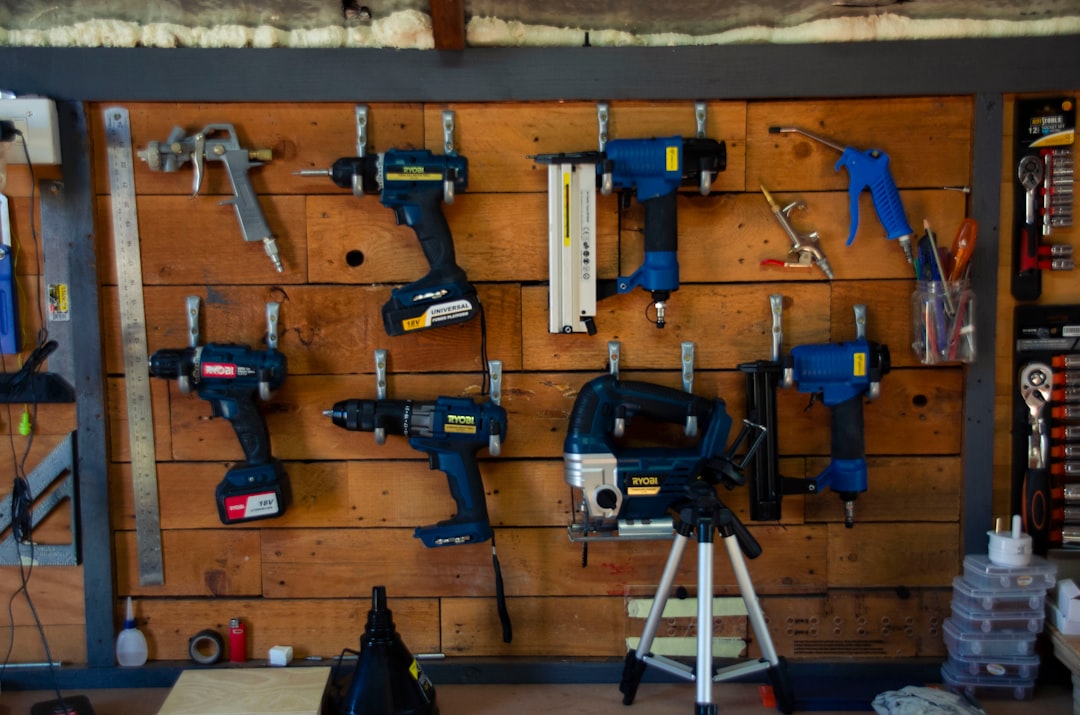
Imagine a world where every task you tackle at work is not just faster, but also safer and more efficient. This is the reality power tools have created for the modern workforce.
Whether you're a seasoned professional or just someone who loves a good DIY project, power tools have become your trusty sidekick. But have you ever paused to consider how these powerful gadgets have transformed your working environment? How have they changed the way you approach tasks and solve problems?
We'll delve into the profound impact power tools have had on the workforce. You'll discover how these tools not only boost productivity but also revolutionize the very nature of work itself. As you read on, you'll gain insights into the ways power tools are shaping industries, enhancing safety, and even influencing job satisfaction. Stay with us as we explore how your everyday tools are redefining the working world.
Evolution Of Power Tools
Power tools have transformed the workforce. They have replaced manual labor with efficiency. This shift didn't happen overnight. The evolution of power tools is a journey from simple hand tools to complex machinery. Let's explore how this progression has shaped work environments.
From Hand Tools To Modern Machinery
Early workers relied on hand tools. These tools required physical strength and time. Craftsmen honed their skills using chisels and hammers. Tasks were slow and labor-intensive. The demand for faster production grew. This led to the creation of powered machinery.
Modern power tools emerged in the 20th century. Electric drills replaced manual screwdrivers. Circular saws cut wood more quickly than hand saws. These tools reduced labor time. The workforce became more efficient. Industries saw increased productivity.
Technological Advancements And Innovations
Technology improved power tools over time. Batteries replaced cords, offering mobility. This innovation freed workers from stationary tasks. Cordless tools became popular in many sectors.
Precision and safety features evolved. Laser guides enhanced accuracy for cuts. Auto-stop functions prevented accidents. These advancements increased worker confidence. New materials also improved tool durability. Tools lasted longer, saving costs.
Automation integrated into power tools. Smart tools now exist with programmable settings. Workers can adjust tools for specific tasks. This customization boosts efficiency. It allows tasks to be completed faster. The workforce benefits from these advancements.
Impact On Productivity
Power tools have significantly transformed how tasks are completed. Their impact on productivity is undeniable. They have changed the way industries operate. Notably, construction and manufacturing have seen visible improvements. These tools have increased speed and efficiency in various sectors. Workers now complete tasks faster and with greater precision.
Efficiency Gains In Construction
Construction workers benefit greatly from power tools. Tasks that took hours now take minutes. Drilling, cutting, and assembling are faster. This saves time and reduces labor costs. Workers can focus on complex tasks, improving overall project quality. Power tools also enhance safety on construction sites. They reduce physical strain on workers, preventing injuries.
Streamlining Manufacturing Processes
Manufacturing processes have become more streamlined. Power tools ensure consistent quality and precision. Assembly lines move faster with these tools. They reduce human error and increase output. Automated power tools maintain high standards in production. This results in fewer defects and better products. Manufacturers benefit from reduced downtime and maintenance costs.
Safety And Risk Mitigation
Power tools have transformed many industries, making tasks faster and more efficient. One crucial aspect of this transformation is safety and risk mitigation. With power tools, employees face fewer risks than manual tools. They are designed with safety features to reduce accidents and injuries. This makes workplaces safer and more productive.
Reducing Workplace Injuries
Power tools help in reducing workplace injuries significantly. Manual labor often leads to strain and accidents. Power tools ease these tasks, minimizing physical stress. Their precision reduces errors that cause injuries. Many tools come with guards and automatic shut-off features. These innovations protect workers from harm.
Safety Standards And Regulations
Safety standards and regulations play a vital role with power tools. Manufacturers follow strict guidelines to ensure tool safety. These standards require testing for potential hazards. Regulations demand features like safety switches and ergonomic designs. Compliance ensures tools are safe for everyday use. This reduces risks and fosters a culture of safety.
Skill Requirements And Training
Power tools have changed how the workforce operates. These tools offer efficiency and precision. But they also demand new skills and training. As technology evolves, so do the abilities needed to operate these tools. Understanding these changes helps the workforce stay relevant and efficient.
Shifts In Workforce Skills
Traditional skills have given way to tech-savvy abilities. Workers now need to understand digital interfaces. They must be comfortable with automated systems. This shift calls for a blend of mechanical and digital knowledge. Workers who adapt quickly gain an edge. Those who resist may find themselves left behind. Skill diversification becomes a necessity.
Training Programs And Education
Training programs now focus on a mix of skills. Classes often include both hands-on and digital lessons. Educational institutions offer courses on modern tool usage. Online platforms provide flexible learning options. Companies invest in ongoing training for their employees. This ensures everyone stays updated with new technology. Continuous learning becomes the norm in this evolving landscape.
Economic Implications
Power tools have transformed various industries. Their influence on the workforce is significant. One of the most notable effects is economic. Businesses have experienced changes in cost structures and labor needs. This transformation affects both company profits and employment opportunities. Let's explore these economic implications further.
Cost Reduction And Profit Margins
Power tools reduce manual labor hours. Companies save money on workforce expenses. Lower labor costs improve profit margins. Businesses can invest savings in other areas. They might enhance product quality or expand services. This cost efficiency is a major benefit. Businesses become more competitive in their markets.
Impact On Employment Rates
Power tools change the demand for skilled labor. Some jobs require less manual effort. Workers need training to handle advanced tools. This shift can impact employment rates. Jobs may decrease in some sectors. Yet, new roles may emerge in tool maintenance and operation. Workers must adapt to new skill requirements. This evolution in job roles is crucial.
Environmental Considerations
As the world becomes increasingly aware of environmental issues, it’s essential to consider how power tools impact the environment. While they undoubtedly enhance productivity, they also contribute to resource consumption and emissions. Understanding these environmental considerations can help you make more sustainable choices in your workplace.
Sustainable Practices In Tool Production
Manufacturers are starting to adopt greener practices in tool production. Some are using recycled materials to reduce waste and conserve resources. For instance, many companies now offer tools made with recycled metal and plastic components. This shift not only minimizes environmental impact but also promotes a circular economy.
Consider tools from companies prioritizing sustainability. They often highlight their eco-friendly credentials and certifications. Choosing these products can be a simple yet effective way to support environmental stewardship in your industry.
Energy Consumption And Emissions
Power tools, while efficient, can be energy-intensive. They often rely on electricity or fossil fuels, contributing to greenhouse gas emissions. You might be surprised to learn how much energy even small tools consume over time. Assessing the energy efficiency of tools can lead to significant reductions in your carbon footprint.
Look for tools with energy-saving features like automatic shut-off or variable speed controls. These features can minimize energy use during downtime. By choosing energy-efficient tools, you not only save on power bills but also contribute to reducing emissions.
Could you make a difference by adopting more sustainable power tool practices? Consider the long-term impact of your choices and how they align with your environmental goals. Small changes can lead to big results, both for your business and the planet.
Future Trends In Power Tools
Power tools have transformed the workforce over the years. As technology advances, the future of power tools is promising. These tools are becoming more intelligent and adaptable. They aim to meet the evolving needs of various industries. Let's explore some future trends shaping power tools.
Integration Of Smart Technology
Smart technology is enhancing power tools. Tools now feature sensors and connectivity. They provide real-time data to users. This helps in making informed decisions. For instance, smart drills can adjust speed and torque automatically. This reduces user effort and improves precision. Connectivity allows remote monitoring of tools. Users can access performance data from anywhere. This integration boosts productivity and safety.
Adapting To New Material Demands
Industries are using diverse materials today. Power tools must adapt to new material demands. Modern tools are designed for flexibility. They can handle tougher and innovative materials. For example, new saws can cut through advanced composites with ease. This adaptation ensures efficiency in material handling. It also reduces wear and tear on the tools. Thus, extending their lifespan.
Frequently Asked Questions
How Do Power Tools Impact Job Efficiency?
Power tools significantly increase job efficiency by reducing manual labor and time spent on tasks. They enable workers to complete tasks faster and with higher precision. This leads to increased productivity and allows businesses to take on more projects, ultimately benefiting both the workforce and the company’s bottom line.
Are Power Tools Safer Than Manual Tools?
Power tools can be safer than manual tools when used correctly. They reduce the physical strain on workers, minimizing the risk of repetitive strain injuries. However, it's crucial to follow safety guidelines and use protective gear. Proper training ensures that workers handle power tools safely, preventing accidents and enhancing workplace safety.
What Skills Are Needed To Use Power Tools?
Using power tools requires technical skills, attention to detail, and safety awareness. Workers should understand tool operation and maintenance. Basic mechanical knowledge and the ability to follow instructions are essential. Continuous training and experience help in mastering these skills, leading to improved proficiency and safer tool usage in the workplace.
Do Power Tools Create More Job Opportunities?
Power tools can create more job opportunities by enhancing productivity and efficiency. As tasks are completed quicker, businesses can expand operations and take on more projects. This growth can lead to hiring more workers. Additionally, new roles in tool maintenance and training can emerge, further diversifying job opportunities.
Conclusion
Power tools change how we work. They make tasks faster and easier. Workers need less physical strength now. This helps reduce injuries. More people can do skilled jobs. Productivity increases in many industries. But, skills training is essential. Workers must know how to use tools safely.
New tools bring new challenges. Safety remains crucial. Continuous learning is important. The workforce adapts with technology. Embracing power tools leads to growth. Both for workers and businesses. It's a balance of efficiency and safety. A future where both can thrive.