Have you ever wondered what to do with your old lithium battery power tools? Tossing them in the trash might seem like an easy option, but it's not the best choice for the environment—or for you.
Recycling these batteries is not only eco-friendly but also a smart move that can benefit you in unexpected ways. Imagine contributing to a cleaner planet while potentially saving money or even gaining rewards. Curious about how to start? This article will guide you through simple steps to recycle your lithium battery power tools effectively and responsibly.
Keep reading to discover the secrets behind making a positive impact with your old tools.
Importance Of Recycling Lithium Batteries
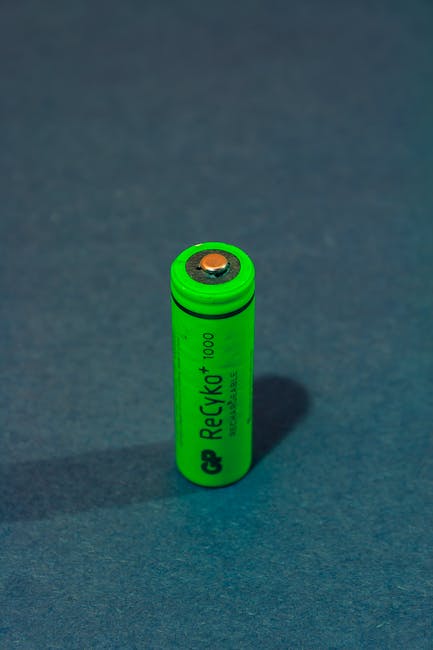
Recycling lithium batteries from power tools helps protect the environment by reducing hazardous waste. Find local recycling centers or programs that accept these batteries to ensure safe disposal. Proper recycling also conserves resources by allowing materials to be reused in new products.
Recycling lithium batteries is crucial for both environmental health and resource conservation. These batteries power many of the tools you use daily, from drills to saws. But what happens when they die? Tossing them in the trash isn't just wasteful—it's harmful. You can make a significant impact by recycling them.
Why Are Lithium Batteries Harmful?
Lithium batteries contain toxic materials that can leach into soil and water if thrown away carelessly. This contamination can impact wildlife and even your own health. You wouldn't want harmful chemicals in your backyard, right? Recycling prevents this environmental hazard.
Saving Resources Through Recycling
Recycling lithium batteries allows the recovery of valuable metals like cobalt and lithium. These can be used in new batteries, reducing the need for mining. This conserves resources and reduces your carbon footprint. Imagine contributing to a cleaner planet just by recycling a dead battery.
Economic Benefits Of Recycling
Did you know recycling lithium batteries can stimulate the economy? Recycled materials are often cheaper than newly mined ones. This cost-effectiveness is transferred to the consumer, potentially lowering prices for new batteries and tools. When you recycle, you’re not just helping the planet—you’re supporting economic growth.
Easy Steps To Recycle Your Batteries
Recycling lithium batteries isn't as complicated as it sounds. Many local stores and recycling centers accept them. You can even mail them in using special recycling kits. Why let them sit around when you can easily drop them off next time you’re out shopping?
What Happens After You Recycle?
Once recycled, these batteries go through a process to extract reusable materials. This often involves shredding and chemical treatments. The extracted metals are then ready for new products. It's fascinating to think your old battery could be part of someone's new power tool kit.
Engage In Community Initiatives
Getting involved in local recycling initiatives can amplify your efforts. Many communities host collection drives for batteries. Participating in these can be a great way to meet like-minded people. Plus, it feels good knowing you're part of a bigger movement. Wouldn't you agree that community action makes a difference? By understanding the importance of recycling lithium batteries, you not only protect the environment but also contribute to economic and community benefits. Start recycling today and be part of the solution.
Identifying Lithium Battery Power Tools
Identifying lithium battery power tools is crucial for proper recycling. These tools often come with rechargeable batteries. They offer convenience and power. Knowing their types and brands ensures correct handling. Understanding their safety features prevents accidents during recycling. Let's explore these aspects further.
Common Types And Brands
Lithium battery power tools come in various types. Drills, saws, and screwdrivers are popular. Brands like DeWalt, Bosch, and Makita produce these tools. Each brand offers unique features. They cater to different user needs. Recognizing these brands helps in identifying lithium tools easily.
Safety Features To Look For
Safety is a top priority in lithium battery tools. Many tools have built-in safety features. Overheat protection is common. It prevents battery damage. Short circuit protection is also important. This feature prevents electrical failures. Some tools include battery level indicators. These help in monitoring battery usage.
Potential Hazards Of Improper Disposal
Improper disposal of lithium battery power tools poses serious risks. These risks are not only to the environment but also to human health. Understanding these hazards is crucial for safe recycling.
Environmental Impact
Lithium batteries contain heavy metals and toxic materials. When dumped in landfills, these substances leach into the soil. They can contaminate groundwater and harm aquatic life. This pollution can disrupt ecosystems and biodiversity. It leads to long-term environmental damage.
Incinerating lithium batteries releases harmful gases. These gases contribute to air pollution and climate change. Proper recycling helps prevent these environmental threats.
Health Risks
Improper disposal of batteries can pose health risks. Leaked chemicals from batteries can cause skin irritation. They may also lead to respiratory problems when inhaled.
Exposure to battery chemicals can harm the nervous system. It can also affect reproductive health. Proper handling and recycling are essential for safety.
Preparing Batteries For Recycling
Recycling lithium battery power tools is essential for environmental safety. Proper preparation ensures a smooth recycling process. Follow these steps to prepare your batteries for recycling effectively.
Discharge The Battery
Before recycling, discharge the battery fully. Use the tool until the battery is completely drained. This reduces the risk of fire during transportation and recycling.
Do not attempt to open the battery. Leave it intact to avoid exposure to harmful chemicals.
Remove From Power Tool
Once discharged, remove the battery from the power tool. Ensure the tool is turned off before removal. This step prevents accidental activation of the tool.
Store the battery in a cool, dry place. Keep it away from metal objects to avoid short circuits.
Locating Recycling Centers
Finding a place to recycle lithium battery power tools is essential for safe disposal. Many local recycling centers accept these batteries. Check online resources or contact local waste management for locations and guidelines.
Locating recycling centers for lithium battery power tools is crucial for eco-friendly disposal. Disposing of these batteries incorrectly can harm the environment. Many people find it challenging to know where to take their used tools. Fortunately, several resources can help you find a suitable recycling center nearby. This section will guide you through some easy ways to locate these centers.
Using Online Resources
Using online resources makes finding recycling centers simple. Websites like Earth911 offer a search tool for recycling centers. Just enter your location and the item type. The tool will show you nearby recycling centers. Many power tool manufacturers also provide recycling information on their websites. Check the website of your tool's brand for details. Online maps can help as well. Search for "battery recycling centers" to see options near you. Bookmark useful websites for future reference.
Contacting Local Waste Management
Contacting local waste management can provide specific recycling instructions. Many cities have waste management departments. They often have lists of recycling centers. Call them to ask about battery disposal options. They can guide you to the closest facility. Some local governments offer special recycling days for hazardous waste. Check if your area has such events. This can be a convenient time to recycle your batteries. Always follow local guidelines for battery disposal.
Transporting Batteries Safely
Transporting lithium battery power tools can be tricky. Ensuring safety is crucial for both the environment and personal well-being. Proper packaging and transport guidelines help prevent accidents and environmental harm.
Packaging Recommendations
Use durable boxes to hold the batteries. Ensure the boxes are free from damage. Batteries should be placed individually within the boxes. This prevents them from touching each other. Add padding to keep batteries secure during transit. Bubble wrap or foam works well for cushioning. Label the boxes clearly with handling instructions. This informs transporters of potential hazards.
Transport Guidelines
Follow regulations for battery transport. Check local laws for specific requirements. Always transport batteries in an upright position. This helps avoid leaks or spills. Ensure vehicle temperature is moderate. Extreme heat can damage batteries. Secure the boxes to prevent movement. Use straps or other restraints to stabilize them. Avoid direct sunlight exposure during transport. Sunlight can increase the risk of overheating.
Recycling Programs And Initiatives
Recycling lithium battery power tools is crucial for environmental preservation. With the increasing use of these tools, proper disposal is more important than ever. Thankfully, there are numerous recycling programs and initiatives designed to help you manage this task efficiently. Let’s explore a few options that can make a difference in your community and the planet.
Manufacturer Take-back Programs
Many power tool manufacturers are stepping up with take-back programs. These initiatives allow you to return old or unusable tools directly to the manufacturer. They handle the recycling process, ensuring that the batteries are disposed of safely. Participating in these programs is not only convenient but also supports sustainable practices.
Have you ever considered how easy it is to drop off your old tools when purchasing new ones? Some stores offer immediate exchanges or discounts, making it a win-win scenario for both you and the environment. Next time you upgrade your toolbox, inquire about the take-back options available.
Community Recycling Events
Community recycling events are fantastic opportunities to dispose of lithium battery power tools responsibly. These events often occur annually and involve collaboration between local governments and environmental organizations. They provide a central location where you can bring your old tools for proper recycling.
Participating in these events not only helps the environment but also fosters a sense of community. Imagine the collective impact when your neighborhood comes together to recycle responsibly. Do you have any upcoming events in your area? Checking with local authorities or community centers can keep you informed.
Recycling lithium battery power tools doesn't have to be complicated. With manufacturer take-back programs and community events, you have accessible options at your fingertips. What steps will you take today to contribute to a greener future?
Innovations In Battery Recycling
Innovations in battery recycling are advancing rapidly. These new methods make recycling lithium battery power tools more efficient. They aim to reduce waste and protect the environment. As technology grows, so do the solutions for recycling batteries.
Advanced Recycling Technologies
Advanced recycling technologies break down batteries safely. They extract valuable materials like lithium and cobalt. This process helps reduce the need for new mining. It also lowers the environmental impact. Specialized machines sort and process the batteries. This ensures each component is reused effectively.
Sustainable Practices
Sustainable practices in battery recycling focus on eco-friendly methods. Companies are investing in green technologies. They aim to create a circular economy. Used batteries are collected, processed, and turned into new products. This reduces landfill waste and conserves resources.
Education plays a key role in sustainable recycling. People learn how to dispose of batteries properly. This increases participation in recycling programs. By adopting these practices, communities support a cleaner planet.
Benefits Of Responsible Recycling
Recycling lithium battery power tools protects the environment and conserves resources. Proper disposal prevents hazardous waste and supports sustainable practices. Safe recycling ensures valuable materials are reused, reducing the need for mining.
Recycling lithium battery power tools is more than just a responsible act; it's a step towards a sustainable future. You might wonder why it's essential to recycle these tools properly. The benefits of responsible recycling are vast and can significantly impact both the environment and our resources.
Conservation Of Resources
When you recycle lithium battery power tools, you help save valuable materials. These batteries contain metals like cobalt, nickel, and lithium. By recycling, these metals can be extracted and reused, reducing the need for new mining operations. Think about your last DIY project. You probably used tools that relied on these very materials. By recycling, you ensure that these resources are available for future projects and generations.
Reduction Of Environmental Footprint
Recycling also plays a crucial role in reducing our environmental footprint. Improper disposal of lithium batteries can lead to harmful chemicals seeping into the soil and water. This can endanger local wildlife and disrupt ecosystems. Have you ever considered the long-term impact of your used tools? By choosing to recycle, you minimize pollution and contribute to a cleaner planet. Recycling lithium battery power tools is an actionable step you can take today. It's a simple way to conserve resources and protect the environment. Next time you upgrade your tools, consider their recycling potential. How will your choices today shape the world of tomorrow?
Frequently Asked Questions
How To Safely Dispose Of Lithium Batteries?
To safely dispose of lithium batteries, take them to designated recycling centers. Many local waste facilities accept lithium batteries for recycling. Avoid throwing them in regular trash due to environmental risks. Always check local regulations for proper disposal methods. This ensures safe and eco-friendly handling of hazardous materials.
Where Can I Recycle Lithium Power Tools?
You can recycle lithium power tools at designated electronic waste recycling centers. Many hardware stores offer take-back programs for old tools. Check with manufacturers for mail-back recycling options. Some municipalities have special recycling events. Proper recycling prevents environmental harm and conserves valuable materials.
Why Recycle Lithium Batteries?
Recycling lithium batteries prevents environmental pollution and conserves resources. Lithium is a finite resource and recycling helps reuse valuable materials. Proper disposal reduces the risk of fires and toxic leaks. It also supports sustainable practices and reduces landfill waste. Contributing to recycling efforts benefits everyone.
What Happens If I Throw Lithium Batteries In The Trash?
Throwing lithium batteries in the trash can cause fires and environmental harm. They can leak toxic chemicals into the soil and water. Most landfills aren't equipped to handle such hazardous waste. Proper recycling prevents these risks and conserves valuable resources.
Always opt for recycling over regular disposal.
Conclusion
Recycling lithium battery power tools is important for the environment. It reduces waste and saves resources. Many local recycling centers accept these batteries. Check online for nearby locations. Some stores offer recycling services too. Safe disposal prevents harmful chemicals from entering the earth.
Always handle batteries carefully. Avoid damage or leaks. Following guidelines ensures proper recycling. Encourage friends to recycle. Share tips and locations. Every small action counts. Protecting the planet is our responsibility. Let’s keep our environment clean and safe. Make recycling a habit today.
Together, we can make a difference.