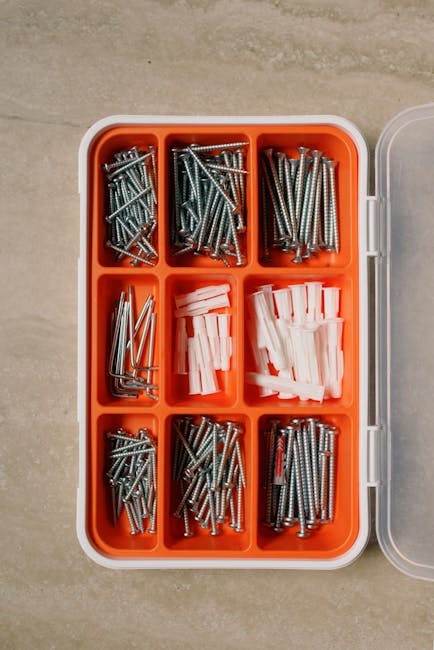
Imagine stepping outside to tackle your next DIY project, only to be greeted by a clutter-free and organized tool storage space. Sounds like a dream, right?
With a little creativity and some simple strategies, you can transform your outdoor area into the perfect tool sanctuary. This is not just about tidiness; it's about boosting your productivity and reducing stress. When your tools are right where you need them, you can focus on what truly matters—getting the job done.
You'll discover easy and effective ways to create your very own DIY tool storage outside. Let's dive in and make that dream a reality!
Outdoor Tool Storage Solutions
Create your own outdoor tool storage to keep your space organized. Use old pallets or waterproof boxes. Customize with shelves or hooks for easy access and efficiency.
Outdoor tool storage solutions are a great way to keep your backyard tidy and your tools organized. Whether you love gardening or simply need a place for your DIY tools, having a dedicated storage space outside can make a world of difference. Not only does it help in maintaining an organized space, but it also ensures your tools are easily accessible whenever you need them.
Utilize Vertical Space
Make the most of your outdoor area by using vertical storage. Mount pegboards on a wall or fence to hang smaller tools like hammers and screwdrivers. This not only saves ground space but also allows you to see all your tools at a glance.
Weatherproof Storage Boxes
Invest in weatherproof storage boxes to protect your tools from the elements. These boxes can be placed on your deck or patio and can store everything from lawn equipment to garden supplies. Ensure they are lockable for added security.
Repurpose Old Furniture
Think about transforming an old cabinet or dresser into a tool storage unit. Sand it down, apply a fresh coat of paint, and it’s ready to house your outdoor essentials. This is a sustainable choice and adds a unique touch to your garden.
Build A Tool Shed
If you have the space, consider building a small tool shed. It doesn’t need to be fancy—a simple structure with shelves and hooks can do wonders. This gives you the freedom to organize larger tools and machinery safely.
Create A Tool Wall
Dedicate one wall for tool storage by installing hooks and racks. Arrange tools by type or size, making them easy to find and return after use. This method is practical and keeps your tools in good condition.
Portable Tool Carts
For those who move around a lot while working, a portable tool cart is a lifesaver. Fill it with your most-used tools and wheel it around your garden or yard. This keeps your tools at your fingertips, cutting down on time spent searching for them.
Waterproof Tarps
Don’t have enough room for a shed? Use waterproof tarps to cover larger tools or equipment stored outside. This is a budget-friendly way to protect items from rain and sun damage. Have you ever considered how much time you spend looking for misplaced tools? Implementing these storage solutions can reduce clutter, save time, and extend the life of your tools. Which solution will you try first?
Choosing The Right Location
Picking the right spot for tool storage outdoors is essential. Ensure it is dry and easily accessible to prevent rusting and damage. Consider shade to protect tools from direct sunlight.
Choosing the right location for your DIY tool storage outside can make all the difference in maintaining an organized and efficient workspace. It's not just about finding a spot but choosing a place that enhances your workflow and protects your tools from the elements. The right location can also add an aesthetic charm to your outdoor space.
Understanding Your Space
Before you set up your tool storage, take a good look at your outdoor area. How much space do you really have? Consider the layout, dimensions, and accessibility. Think about where you usually work on your projects. Is it near the garage, in the backyard, or maybe on the patio? Choose a spot that's convenient to your work area, so you don't waste time fetching tools.
Climate Considerations
Weather can be unpredictable, and your tools need protection from rain, snow, and sun. Look for a shaded area or consider building a small shelter if your tools will be exposed. If you live in a damp area, prioritize spots with good airflow to prevent rust. A friend once built his tool storage against a sunny wall, which kept tools dry and rust-free.
Security And Safety
You want to keep your tools safe from theft and accidents. Choose a location that's visible yet secure. Consider installing locks or choosing a spot within a fenced area. A neighbor once found their tools missing because they stored them in an open area, easily accessible to passersby.
Aesthetic Impact
Your tool storage doesn't have to be an eyesore. Think about how it blends with your garden or outdoor design. Use creative solutions like painted sheds or decorative storage boxes. What if your tool storage could also be a feature that guests admire when they visit?
Ease Of Access
Access is key. You don't want to climb over obstacles or squeeze through tight spaces to get your tools. Ensure there's a clear path from your workspace to the storage. One weekend project turned into a chore for a friend because he had to navigate around his kid’s playground to reach his tools. Choosing the right location for your DIY tool storage outside is more than just a practical decision. It’s about integrating functionality, aesthetics, and security seamlessly into your outdoor space. Where will you store your tools for maximum efficiency and appeal?
Creative Storage Ideas
Maximize your outdoor space with creative storage ideas. Keep tools organized and easy to access. Use innovative solutions to transform cluttered areas into efficient storage spots. Explore exciting ways to store tools outside.
Vertical Storage Options
Vertical storage saves space and keeps tools within reach. Use pegboards to hang hand tools. Install hooks to hang larger items like shovels and rakes. This method keeps your ground clear and organized.
Shelving And Racks
Shelves and racks provide easy access to tools. Use weather-resistant materials for durability. Arrange items by size and frequency of use. This helps find what you need quickly.
Repurposing Old Furniture
Old furniture can be great for tool storage. Turn an unused dresser into a tool cabinet. Use drawers for small tools and accessories. Transform a bookshelf into a handy storage unit. Save money while organizing your space.
Weatherproofing Your Storage
Creating a tool storage space outside requires some planning. Weatherproofing is crucial to protect your tools from the elements. Rain, sun, and wind can damage your tools over time. Using proper materials and coverings can help. This ensures your tools last longer and stay in good condition.
Materials To Consider
Choose materials that can withstand harsh weather. Metal sheds are a good option. They resist water and pests. Wood is another choice but needs treatment. Treated wood resists rot and insects. Plastic is lightweight and weather-resistant. It is easy to move and maintain. Choose materials that suit your climate and needs.
Protective Coatings And Covers
Protective coatings add an extra layer of security. Use water-repellent coatings on wood. This prevents water damage and decay. For metal, rust-proof paint is essential. It stops rust from forming. Covers are also important for added protection. Tarps are a simple solution. They shield your storage from rain and sun. Custom covers can fit your storage unit perfectly. They offer better protection and appearance.
Building Diy Storage Units
Creating your own outdoor storage can be rewarding. It offers a practical solution for organizing tools. DIY storage units keep your space tidy. They also add a personal touch to your garden or yard. With some basic skills, you can build durable and functional storage units.
Essential Tools And Materials
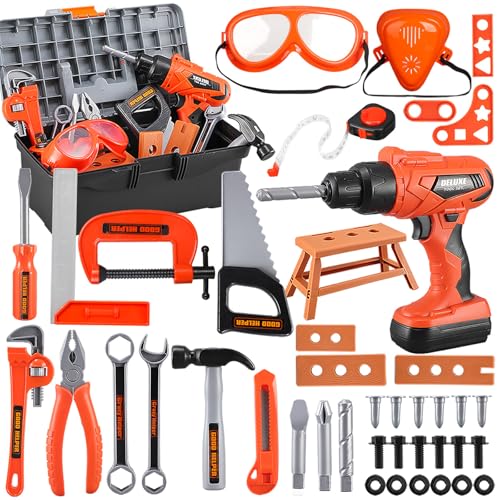
Before starting, gather the necessary tools and materials. A saw, drill, and tape measure are key tools. You'll also need screws, wood, and brackets. Choose weather-resistant wood for durability. Paint or sealant can help protect the wood. Safety equipment like gloves and goggles is important.
Step-by-step Construction Guide
Start by measuring the space for your storage unit. This ensures the unit fits perfectly. Cut the wood according to your measurements. Assemble the base using screws and brackets. Secure each corner tightly. Next, build the walls. Attach them to the base firmly.
Once the walls are up, add shelves. These provide extra storage space. Attach the roof last to protect your tools. Ensure all parts are secure and stable. Finally, apply paint or sealant for weather protection. Let it dry thoroughly before use.
Optimizing Small Spaces
Finding room for tool storage outside can be challenging. Limited space demands smart solutions. Creative approaches can transform even the smallest areas. Use every inch wisely. Organize with efficiency. Save time and effort. Make your outdoor tool storage functional and tidy.
Space-saving Techniques
Wall-mounted racks keep tools off the ground. Utilize vertical space effectively. Hang tools in a neat row. Shelves provide additional storage. Use corners for corner shelves. Maximize awkward spots. Compact solutions fit in tight spaces. Hooks and pegs work wonders. Hang smaller items like spades and trowels. Keep everything within reach.
Multi-functional Storage Solutions
Choose storage that serves more than one purpose. Benches with built-in storage are practical. Use them to sit or store tools. Stackable bins fit snugly in narrow areas. Easy to move and rearrange. Opt for foldable storage units. They save space when not in use. Consider using a storage shed. It can house a variety of items. Keep the area neat and organized.
Organizing Tools Efficiently
Organizing tools efficiently for outdoor storage is essential for many DIY enthusiasts. Keeping tools in order saves time and prevents frustration. A well-organized system ensures you find what you need quickly. Proper storage also extends the life of your tools. Let’s explore some effective strategies.
Categorization And Labeling
Categorizing tools by type or function simplifies organization. Group similar items together. For instance, place all gardening tools in one area. Power tools should have their own space. This method reduces clutter and confusion. Label each section clearly. Use waterproof labels for durability. Labels make it easy to identify tools at a glance. They also help others find and return tools easily.
Maintenance And Upkeep Tips
Regular maintenance keeps your tools in top shape. Clean tools after each use. This prevents rust and damage. Store them in a dry place. Moisture can harm tools over time. Check for any repairs needed. Fix issues promptly to avoid further damage. Inspect tool storage areas regularly. Remove dust and debris to maintain cleanliness. A tidy space encourages good habits.
Sustainable Storage Practices
Crafting your own outdoor tool storage can enhance sustainable practices. Utilize recycled materials for durable, eco-friendly solutions. Keep tools organized and protected from weather, reducing clutter and waste.
Storing your tools outside doesn't have to be a hassle, especially when you adopt sustainable storage practices. By focusing on eco-friendly choices and maximizing resources, you can create a tool storage solution that's as good for the planet as it is for your garden. Let's delve into two key aspects of sustainable storage: eco-friendly materials and recycling and reusing.
Eco-friendly Materials
Choosing the right materials for your tool storage can make a significant impact. Opt for materials that are biodegradable or recyclable. Wood is a fantastic option; it's sturdy, natural, and blends seamlessly with outdoor environments. Consider using repurposed timber or bamboo, both of which offer durability without sacrificing sustainability. Metal can also be a wise choice if you select recycled or upcycled options. These not only reduce waste but also provide longevity, saving you from frequent replacements. Think about how your choices affect local wildlife. Non-toxic finishes and paints ensure that your storage area is safe for birds and other creatures that may come into contact with it. By making mindful choices, you contribute to a healthier ecosystem while organizing your tools.
Recycling And Reusing
Before you think about buying new storage solutions, look around your home. What items can you repurpose or recycle for tool storage? Old crates, barrels, or pallets can be transformed into functional storage units. Consider how you might reuse materials that are collecting dust in your garage. An old ladder can be converted into a vertical storage rack, saving space and adding character to your garden. Engage your creativity and challenge yourself to see potential in discarded items. This not only reduces waste but also offers a personal touch to your tool storage project. Have you ever considered the environmental impact of your storage practices? By recycling and reusing, you minimize your carbon footprint and contribute to a sustainable future. Take a moment to reflect on the small changes you can make today for a better tomorrow.
Frequently Asked Questions
How Can I Protect Tools Stored Outside?
To protect tools stored outside, use weatherproof storage solutions like sheds or cabinets. Ensure they have locking mechanisms for security. Regularly check for rust or damage, and consider adding a protective cover. Organize tools neatly to avoid clutter, and label them for easy access.
What Materials Are Best For Outdoor Tool Storage?
For outdoor tool storage, opt for materials like treated wood, metal, or high-quality plastic. These materials resist weather damage and provide durability. Ensure they are UV-resistant to prevent sun damage. Regular maintenance will enhance longevity, keeping your tools safe and organized.
How Do I Organize Tools Efficiently?
Organize tools efficiently by categorizing them based on usage and size. Use pegboards, shelves, or racks for easy access. Label each section clearly to avoid confusion. Keep frequently used tools within reach, and store less-used items higher. Regularly declutter to maintain an organized space.
Is Diy Tool Storage Cost-effective?
Yes, DIY tool storage is cost-effective and customizable. You can use reclaimed materials or affordable kits to build storage units. It allows creativity and personal touch, fitting specific needs. With proper planning, DIY solutions can be more economical than pre-made options.
Conclusion
Creating your own outdoor tool storage is rewarding and practical. You gain more space and keep tools organized. Simple materials and steps make it easy to start. Personalize your storage to fit your needs. This project saves money and improves your outdoor area.
With a little effort, you can achieve a neat and tidy space. Plus, your tools will be safe from weather damage. Try these ideas and enjoy a clutter-free garden. Happy building and organizing!