Imagine the feeling when you stumble upon a hidden treasure, something that holds secrets from the past. This is exactly what happens when you delve into the intriguing world of marks made by pointed tools.
You might think it's a simple scratch or incision, but there's a story hidden in every groove and line. These marks are more than just physical imprints; they are whispers of history and creativity that echo through time. By exploring these fascinating imprints, you unlock a deeper understanding of how humans have communicated, expressed, and crafted throughout the ages.
As you read on, you'll uncover the significance behind these seemingly simple marks and how they have shaped the world we live in today. Ready to uncover the secrets of the past? Let's delve into the story behind the marks made by pointed tools.
The Essence Of Precision Artistry
Precision artistry is the heart of detailed craftsmanship. It involves creating marks with pointed tools. These tools transform ideas into tangible art forms. Each mark tells a unique story, capturing the artist's intent. The essence of precision artistry lies in its meticulous nature. Artists pay attention to every tiny detail. They use their tools with care and skill. This art form demands patience and dedication. It is a journey of creativity and expression.
The Importance Of Precision In Art
Precision brings clarity to an artist's vision. It ensures each line is deliberate and meaningful. The artist's tool becomes an extension of their hand. This connection enhances the work's quality. Precision also builds trust with viewers. They see the effort and time invested in the piece. This connection creates an emotional response. Precision in art does not mean perfection. It is about accuracy and intention.
Tools Of The Trade: From Simple To Sophisticated
Artists use a variety of tools in precision artistry. Simple tools include pencils and pens. These are common in drawing and sketching. More advanced tools include engraving instruments. These tools allow for intricate detail. Digital tools offer new possibilities. They combine traditional techniques with modern technology. Each tool has its unique advantages. Choosing the right tool is crucial for the desired effect.
The Role Of Patience In Mastering Precision
Patience is vital in developing precision skills. Learning to control the tool takes time. Artists practice to perfect their technique. This process is often slow but rewarding. Patience also helps in managing complex projects. Detailed work can be overwhelming. Taking breaks and revisiting the work can help. Patience leads to better results and satisfaction. It is a key component of precision artistry.
Tools Of The Trade
Creating marks with pointed tools is an age-old practice. Artists, craftsmen, and writers have relied on these tools for centuries. Each mark tells a story, crafted with precision and care.
From ancient chisels to modern styluses, the evolution is impressive. Let's explore the instruments that shape our world.
Traditional Instruments
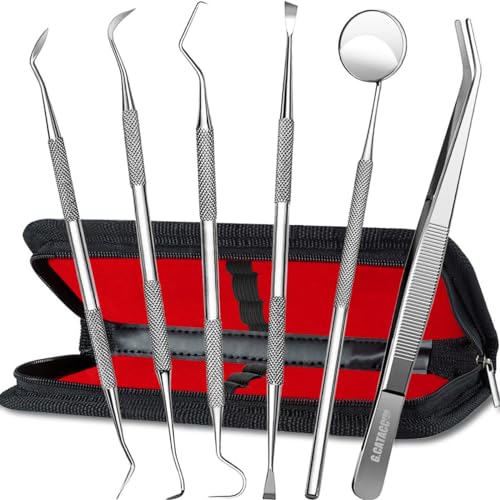
Traditional tools form the foundation of mark-making. Chisels, awls, and quills are classic examples. Chisels carve intricate designs into wood and stone. Awls create precise holes in leather or fabric. Quills, crafted from bird feathers, write elegant scripts.
These instruments require skill and patience. Their use reflects mastery and dedication. Many still use them for their unique, organic touch.
Modern Innovations
Modern tools have transformed mark-making. Digital pens and styluses lead this change. Artists sketch effortlessly on tablets with digital pens. Styluses offer precision and ease for designers. They mimic the traditional experience with added convenience.
Laser engravers are another modern marvel. They etch designs on various materials. This offers speed and consistency. Modern tools blend tradition with technology, expanding creative possibilities.
Techniques For Mastery
Mastering techniques with a pointed tool can transform your artwork. The precision and control offered by such tools open a world of creativity. Artists can create fine lines, intricate details, and subtle textures. Understanding these techniques enhances the ability to express and evoke emotion through art. Let's explore how to achieve mastery with a pointed tool through line work, detailing, shading, and texture.
Line Work And Detailing
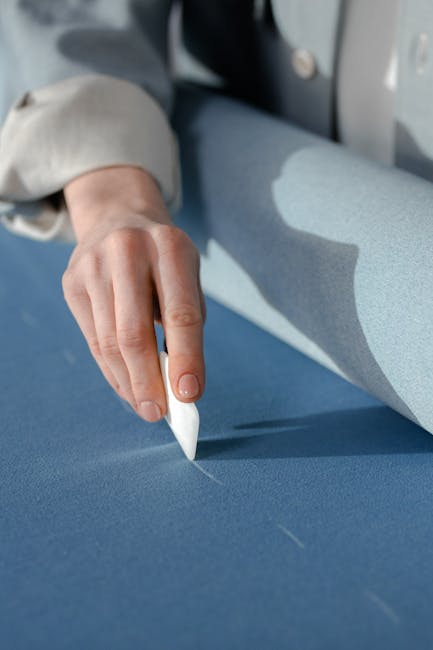
Line work defines shapes and guides the viewer's eye. Start with light strokes to plan your design. Gradually increase pressure for darker lines. This helps control the depth and emphasis. Fine lines create intricate patterns and details. Experiment with angles and pressure. This adds variety and interest.
Precision is key for detailing. Use the pointed tool to add small features. This could be facial expressions or delicate textures. Practice steady hands to avoid unintentional marks. Consistency in line thickness contributes to a polished look. Remember, each line tells a part of your story.
Shading And Texture
Shading with a pointed tool can add dimension. Start by outlining the area you want to shade. Use cross-hatching or stippling techniques. These methods build gradual tones and textures. Adjust the pressure for different shades. Light pressure gives soft shadows. Heavier pressure creates bold contrasts.
Texture adds life to your artwork. Use varied strokes and patterns. This mimics natural surfaces like wood grain or fabric. Experiment with different motions. Circular strokes can simulate curls or waves. Short, quick lines can suggest rough surfaces. Texture enriches the visual experience.
Influence Of Materials
A pointed tool creates distinct marks, shaping the material's surface. Each scratch or groove tells a story. The influence of materials determines the depth and texture of these marks.
The influence of materials on the marks made by a pointed tool is profound and often underestimated. Every choice, from paper to ink, shapes the final outcome. These decisions impact not only the visual appeal but also the longevity and emotional resonance of your work. Have you ever considered how the texture of your chosen canvas might alter your artistic expression? Or how ink variations might change the mood of your piece? Let's dive into how these elements play a crucial role.
Paper And Canvas Choices
The surface you choose can dramatically affect your artwork. Smooth papers allow for precise lines, making them ideal for detailed work. On the other hand, textured paper can add depth and interest to your drawings. Canvas offers a sturdy alternative for more permanent pieces. It holds up well to repeated strokes and heavy applications. But, it may not capture fine details as crisply as paper. When I first switched from paper to canvas, I noticed how my style adapted. My lines became more expressive, influenced by the canvas texture. Have you tried switching surfaces to see how it changes your work?
Ink And Pigment Variations
Ink and pigment choices can transform your art's tone and emotion. Black ink provides stark contrasts and is perfect for high-impact visuals. Colored inks offer a wide range of moods, from vibrant and energetic to soft and subdued. The type of pigment also matters. Water-based inks flow smoothly, ideal for fluid lines. Meanwhile, oil-based inks offer richness but require more drying time. Experimenting with different inks can lead to surprising results. I once used a sepia-toned ink that brought a nostalgic feel to a modern sketch. What unexpected emotions might your choice of ink evoke in your audience? The materials you select are not just tools—they are partners in your creative process. Each decision opens a new avenue of expression. Are you making the most of what these materials have to offer?
Famous Precision Artists
Renowned precision artists create intricate designs with pointed tools, showcasing their exceptional skills. Each mark reflects their dedication and attention to detail. Their work captivates with its exactness and artistry.
In the world of art, precision artists stand out for their incredible attention to detail and mastery of technique. These artists leave a mark with their pointed tools, crafting works that captivate and inspire. You might find yourself wondering, how do they achieve such perfection? Let's dive into the realm of famous precision artists, exploring pioneers who laid the groundwork and contemporary masters who continue to push boundaries.
Pioneers In The Field
The journey of precision art is paved by pioneers who dared to experiment with tools and techniques. One standout example is Albrecht Dürer, a German Renaissance artist known for his detailed woodcuts and engravings. Dürer's work showcased meticulous lines and textures, setting a benchmark for precision. His famous piece, "Melencolia I," is a testament to his skill, with intricate elements that invite viewers to explore every corner. Another pioneer, Katsushika Hokusai, introduced precision to Japanese woodblock printing. His series "Thirty-Six Views of Mount Fuji" demonstrates how pointed tools can create delicate landscapes, influencing countless artists worldwide.
Contemporary Masters
Today, contemporary precision artists continue to amaze us with their unique approaches. Take the work of Chuck Close, an American painter known for his large-scale portraits. Close employs a grid system to achieve photorealistic detail, transforming each tiny square into a part of a larger masterpiece. This method challenges the notion of precision and invites you to see art from a fresh perspective. Meanwhile, artist Yayoi Kusama mesmerizes with her dots and nets. Her precision in repetitive patterns creates immersive environments that blur the lines between art and experience, encouraging you to lose yourself in her world. As you explore the works of precision artists, consider how their mastery influences your perception of art. What elements of precision capture your attention? How do these artists redefine perfection? Through their pointed tools, they invite you to see the beauty in the meticulous.
Applications In Modern Art
Art often begins with a simple mark made by a pointed tool. This technique creates intricate designs and textures. Artists use it to express emotions and ideas, bringing depth to their creations.
Applications in Modern Art In the realm of modern art, the humble mark made by a pointed tool has found diverse and intriguing applications. Artists today harness its simplicity to convey complex ideas, adding depth and texture to their work. From digital platforms to physical canvases, these marks are leaving their indelible prints on creative expressions.
Graphic Design
In graphic design, pointed tools have redefined how we visualize concepts. Designers often use digital pens and styluses to create precise and intricate designs on graphic tablets. This technology allows for fluidity and control that traditional methods lack, enabling designers to experiment with bold strokes and delicate lines. The flexibility of digital platforms means you can easily undo and redo, pushing creative boundaries. Imagine having a tool that lets you craft a logo with the exact thickness and curve you envision. With a pointed tool, every line and dot can become a work of art in itself, adding character and individuality to your designs.
Architectural Drafting
Architectural drafting has also embraced the precision of pointed tools. Architects utilize CAD (Computer-Aided Design) software with styluses to sketch out detailed blueprints. This not only speeds up the drafting process but also enhances accuracy, allowing architects to visualize structures with remarkable clarity. Think about the level of detail necessary to design a skyscraper. A pointed tool lets you zoom in on the minutiae of a building's facade, ensuring every element aligns perfectly. The ease of modifying designs digitally can save hours of laborious redrafting, freeing up time to focus on creative problem-solving. Do these tools mark the future of art and design? Their applications suggest a promising shift towards innovation and precision. How might you use these tools to shape your creative journey?
Challenges And Solutions
Creating marks with pointed tools presents unique challenges. Artists and craftsmen often face issues with precision, technique, and tool handling. These challenges can hinder creativity and lead to unsatisfactory results. Understanding these challenges can help find effective solutions.
Common Mistakes
Many artists struggle with inconsistent pressure. This leads to uneven marks. Using dull tools can cause frustration and poor results. Another common mistake is improper tool angle. This affects the depth and clarity of the mark. Forgetting to maintain tools regularly can also impact the quality of work.
Expert Tips
Ensure your tools are always sharp. This helps achieve clean marks. Practice consistent pressure to maintain uniformity. Adjust the tool angle for different effects. Regularly clean and maintain your tools for best performance. Test on scrap material before starting a project. This helps adjust techniques and avoid errors.
The Future Of Precision Art
Precision art, marked by the intricate details created by a pointed tool, is evolving rapidly. As technology advances and styles change, the future of precision art promises exciting possibilities. Whether you're an artist or an admirer, understanding these shifts can enrich your appreciation of this unique form.
Technological Advancements
Technology is reshaping precision art in fascinating ways. Tools are becoming more sophisticated, allowing artists to achieve finer details than ever before. Digital platforms offer new opportunities for artists to create and share their work globally.
Imagine using a stylus that mimics the feel of traditional tools, but with digital precision. You can create art that seamlessly blends traditional techniques with modern innovation. This opens doors to more accessible and diverse artistic expressions.
3D printing is another game-changer. Artists can experiment with textures and dimensions that were previously out of reach. If you’re considering diving into precision art, these technologies can be your gateway to broader creative horizons.
Evolving Styles
Styles in precision art are constantly changing, influenced by cultural trends and personal experiences. Artists are mixing traditional methods with contemporary themes to create unique pieces. This evolution offers a fresh take on classic art forms.
Think about how street art has transformed urban spaces. Precision art could similarly redefine how we view indoor and outdoor environments. As new styles emerge, they challenge conventions and invite viewers to interpret art in novel ways.
You might wonder how these changes impact your engagement with art. As styles evolve, you have the chance to explore new narratives and perspectives. This dynamic evolution keeps art vibrant and relevant, encouraging deeper connections between artists and audiences.
What does the future hold for precision art? With technology and styles constantly evolving, it’s an exciting time to be part of the art world. Whether creating or appreciating, you’re witnessing an era where precision art is more accessible and innovative than ever before. What new expressions will you discover?
Frequently Asked Questions
What Defines A Mark By A Pointed Tool?
A mark made by a pointed tool is typically an indentation or scratch created on a surface. These marks can vary in depth and texture based on the tool's sharpness and the surface's material. Artists and craftsmen often use pointed tools to add detail to their work.
How Are Pointed Tool Marks Used In Art?
Pointed tool marks are used to add intricate details and textures in artworks. Artists utilize tools like pencils, pens, and engraving instruments to create precise lines and patterns. These marks enhance the visual appeal and depth of a piece, making it more engaging to the viewer.
Why Are Pointed Tools Preferred By Craftsmen?
Craftsmen prefer pointed tools for their precision and control. These tools allow for detailed work and accurate shaping, essential in woodwork, metalwork, and sculpture. The ability to make fine adjustments with pointed tools enhances the quality and craftsmanship of the final product.
Can Pointed Tools Be Used For Engraving?
Yes, pointed tools are commonly used for engraving. Engraving involves carving designs into surfaces like metal, wood, or glass. Pointed tools provide the precision needed to create intricate patterns and text, making them ideal for detailed engraving work.
Conclusion
A pointed tool leaves a lasting mark. It tells a story of precision and skill. Each mark is unique, like a fingerprint. These tools have shaped history. Art, design, and craftsmanship owe them much. Their impact is undeniable and enduring.
Understanding them deepens our appreciation for creativity. Their simplicity belies their power. A testament to human ingenuity. Next time you see a mark, think of its journey. The tool, the hand, the vision. Such marks connect us to the past.
They inspire future creations. A small point, yet a profound impact.