Imagine holding a power tool in your hand, ready to tackle your next project. The thrill of creating something new or fixing something broken is exciting.
But what if your tool's performance isn't up to the mark? This is where the unsung hero of your toolkit comes in – the power tool blade. You might not think much about it, but the blade you choose can make all the difference in your work's quality and efficiency.
You're probably wondering why something as small as a blade deserves so much attention. Well, consider this: the right blade can significantly speed up your projects, enhance precision, and even extend the life of your tools. On the other hand, the wrong blade can lead to frustration, wasted time, and even costly mistakes. We'll explore the compelling reasons why investing in high-quality power tool blades is a game-changer for your DIY or professional projects. Get ready to discover how the right blade can transform your approach to tasks, making them not only easier but also more enjoyable. You deserve to work smarter, not harder – and understanding the power of the right tool blade is the first step in that direction.
Power Tool Blade Varieties
Choosing the right power tool blade can make all the difference in your projects. Whether you're a weekend warrior or a professional contractor, understanding the varieties available is key. Each type of blade is designed for specific tasks, maximizing efficiency and precision. Let’s dive into the different types of power tool blades, exploring their unique features and ideal uses.
Circular Saw Blades
Circular saw blades are the workhorse of the power tool world. They're perfect for cutting through wood, metal, and plastic. Each blade type is engineered for specific materials and cuts.
Imagine needing to cut plywood for a new bookshelf. A blade with more teeth provides a smoother finish, ideal for this task. Opt for fewer teeth if you’re working with thicker materials like lumber, as this helps speed up the process without compromising the cut quality.
Have you ever tried cutting metal with a wood blade? It's not just inefficient; it can be dangerous. Always choose the right blade for the material you're working with.
Jigsaw Blades
Jigsaw blades are your go-to for intricate cuts. They excel at curves and unusual angles, making them perfect for detailed work. The variety in jigsaw blades is vast, catering to different materials and cut types.
If you’re crafting a decorative piece from thin wood, a fine-toothed blade is your best bet. It ensures precision and minimizes splintering. Conversely, for cutting metal, a blade with more robust teeth is necessary to handle the tougher material.
Have you ever noticed how the wrong jigsaw blade can ruin a project? The right blade not only enhances your work but also saves time and frustration.
Oscillating Tool Blades
Oscillating tool blades are incredibly versatile. They can cut, scrape, grind, and more, tackling a wide array of tasks. This tool's flexibility comes from its variety of blades.
Need to remove grout during a bathroom remodel? A carbide-grit blade is perfect for this. For cutting through drywall, a bi-metal blade will do the trick effortlessly.
Do you find yourself constantly switching tools? With an oscillating tool, you can switch blades instead, streamlining your process and keeping your workspace tidy.
Choosing the right blade can transform your work. What challenges have you faced with your power tools? How could the right blade make a difference?
Material Considerations
Choosing the right power tool blade is crucial for any project, impacting both performance and longevity. Material is a key factor in this decision. Different materials offer varied benefits, and understanding these can make your tasks more efficient and cost-effective. Let's explore some popular blade materials and how they can enhance your cutting experience.
Steel Vs. Carbide
Steel blades are a common choice because they are cost-effective and versatile. They work well on softer materials like wood and plastic. However, they tend to dull quickly, especially when cutting harder materials.
Carbide blades, on the other hand, are designed for durability. They maintain their sharpness longer, making them ideal for cutting through tougher materials like metal and hardwood. Although more expensive, their longevity can save you money in the long run.
Think about how often you replace blades. If frequent, carbide might be your best bet. It's an investment that pays off with fewer interruptions and smoother cuts.
Diamond-coated Blades
When dealing with ultra-hard materials like tile, stone, or concrete, diamond-coated blades are your go-to. These blades are not only robust but also provide a clean and precise cut.
Diamond-coated blades have tiny diamond particles embedded on their edge. This feature gives them unmatched durability and cutting power. They excel in professional settings where precision is paramount.
Have you ever struggled with a stubborn tile cut? A diamond-coated blade can turn that struggle into a simple task. Consider them for any project where precision and endurance are crucial.
Choosing the right blade material can revolutionize your DIY projects and professional tasks alike. What material will you choose for your next project?
Choosing The Right Blade
Choosing the right blade for your power tools can significantly impact the quality of your work and the lifespan of the equipment. Have you ever found yourself frustrated with jagged cuts or burnt edges? It’s likely you were using the wrong blade. This section will guide you through the essential considerations when selecting blades, ensuring your tasks are completed efficiently and effectively.
Matching Blades To Tasks
Every task demands a specific type of blade. Whether you're cutting wood, metal, or plastic, the blade you choose determines the finish of your work. Using a wood blade on metal can lead to dullness and inefficiency. Imagine trying to cut a steak with a butter knife—it just doesn’t work. Carefully match the blade to the material you're cutting for precise and clean results.
Consider your typical projects. Are you primarily working with hardwood or softwood? Maybe you tackle metal pipes or plastic sheets. Each material needs its dedicated blade. A carbide-tipped blade, for example, is excellent for hardwood, while a diamond blade is perfect for cutting tiles.
Blade Size And Configuration
Size matters. The diameter of the blade affects the depth and speed of your cut. Smaller blades are perfect for precision tasks, while larger blades cover more ground quickly. Think about the scope of your project—are you making intricate cuts or needing swift, broad strokes?
Configuration is equally crucial. The number of teeth impacts the smoothness of the cut. Fewer teeth mean faster, rougher cuts. More teeth lead to slower, smoother cuts. It’s a delicate balance. If you’re cutting plywood for furniture, opt for a fine-toothed blade for a polished edge.
Blade thickness also plays a role. Thinner blades can make finer cuts, but thicker blades offer durability and stability. It's about finding the right thickness for your tool and task. Experimenting with different sizes and configurations can revolutionize your workflow.
As you choose your blades, ask yourself: What is my priority—speed or precision? Your answer will guide you to the perfect blade for your needs.
Maintenance Tips
Power tool blades are essential for any DIY enthusiast or professional. Keeping them in top condition ensures efficiency and safety. Proper maintenance can extend their lifespan and improve performance. Regular upkeep can save money and time on replacements. Let's explore some useful tips for maintaining your power tool blades.
Cleaning And Sharpening
Clean blades regularly to prevent rust and debris buildup. Use a wire brush or soft cloth to wipe off any residue. Avoid using harsh chemicals that might damage the blade. Sharpening is crucial for maintaining cutting efficiency. A dull blade requires more effort and can lead to accidents. Use a sharpening stone or file to keep the edge sharp. Always follow the manufacturer's guidelines for sharpening angles.
Storage Solutions
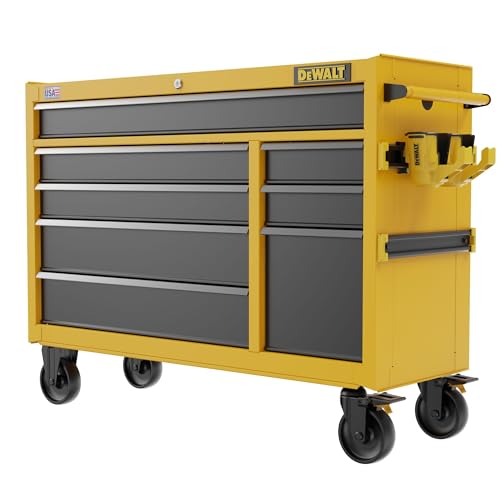
Proper storage prevents damage and ensures longevity. Store blades in a dry, cool place to avoid rust. Use blade guards or covers to protect the edges. Hanging racks or magnetic strips keep them organized and accessible. Avoid stacking blades on top of each other. This can cause warping or dulling. Consider a dedicated toolbox for your blades. This keeps them safe and prolongs their life.
Safety Precautions
Power tool blades require careful handling to ensure safety. Wear protective gear like gloves and goggles when using these tools. Always check blades for damage before starting work to prevent accidents.
Ensuring safety while using power tool blades is crucial not only for your well-being but also for maintaining optimal performance of the tools. Power tools can be incredibly efficient, but they also pose risks if not handled properly. By following the right safety precautions, you can avoid accidents and work more effectively. Let's dive into some essential safety measures you should always keep in mind.
Proper Handling Techniques
Always ensure your power tool is switched off before changing or inspecting blades. This simple step can prevent accidental activation. Hold the blade firmly when installing or removing it, as loose handling might cause injury. Keep your work area clean and organized. A cluttered workspace can lead to accidental slips or falls. Make sure the blade is appropriate for the material you are cutting. Using the wrong blade can damage both the tool and the material, and even lead to accidents.
Protective Gear
Wearing the right protective gear can significantly reduce the risk of injury. Safety goggles are essential to protect your eyes from flying debris. Hearing protection is also crucial, especially if you are using tools for prolonged periods. Don't forget to wear gloves. They provide a better grip and protect your hands from sharp blades. However, make sure they are snug and do not interfere with your grip. Steel-toed boots are advisable to protect your feet from heavy falling objects. Do you ever pause to think about the safety measures you take before using power tools? It's worth considering not just for yourself, but also for those around you. Safety isn't just about following rules; it's about making sure everyone can work efficiently and return home unharmed.
Boosting Work Efficiency
Power tool blades enhance work efficiency by cutting faster and more accurately. They save time and reduce effort, making tasks easier. Quality blades increase productivity, ensuring smoother operations in various projects.
Boosting work efficiency is essential for anyone using power tools. Whether you're a professional contractor or a DIY enthusiast, the right blade can save you time and improve results. Imagine completing tasks faster and with precision. This is where investing in quality power tool blades makes a significant difference.
Reducing Downtime
Time is money, especially in construction and woodworking. With superior power tool blades, you spend less time changing blades and more time cutting. Blades designed for durability reduce the need for frequent replacements. This means fewer interruptions in your workflow. Consider a day when your blade kept breaking, halting your project repeatedly. With reliable blades, you avoid such setbacks, keeping your projects on track.
Improving Cut Quality
The quality of your cuts defines the success of your project. A high-quality blade ensures smooth and precise cuts, which enhances the overall finish of your work. Think about how frustrating it is to sand down rough edges or redo cuts. With the right blade, your cuts are clean the first time. Do you remember the satisfaction of a perfectly cut piece? That’s what a premium blade offers—accuracy and efficiency in each cut. Quality blades not only save time but also elevate the standards of your craft. Are you ready to upgrade your blades and boost your work efficiency?
Environmental Impact
The environmental impact of power tool blades is a growing concern today. Many people focus on the efficiency and effectiveness of these tools. Yet, the environment often takes a backseat. Manufacturing and disposing of blades contribute significantly to environmental issues. It is important to explore sustainable options and proper disposal methods.
Sustainable Blade Options
Eco-friendly blade options are becoming more available. Manufacturers focus on reducing carbon footprints. They use recycled materials to produce new blades. This reduces waste and conserves resources. Such blades last longer and require less frequent replacements. Choosing these options benefits the environment and saves money.
Recycling And Disposal
Recycling power tool blades helps minimize landfill waste. Many recycling centers accept metal blades. They melt them down to create new products. Proper disposal ensures hazardous materials do not harm the environment. Always check local guidelines for blade recycling. Dispose of them responsibly to protect our planet.
Frequently Asked Questions
What Are Power Tool Blades Used For?
Power tool blades are used for cutting materials like wood, metal, and plastic. They enhance the efficiency and precision of power tools. Choosing the right blade ensures smoother cuts and prolongs the tool’s lifespan. Always match the blade type to the material for optimal performance.
How Do I Choose The Right Blade?
To choose the right blade, consider the material you are cutting. Match the blade type to the tool and material. Check the blade size and teeth configuration for precise cuts. Quality blades provide durability and better results. Consult manufacturer guidelines for specific recommendations.
Are Power Tool Blades Interchangeable?
Power tool blades are not always interchangeable. Compatibility depends on the tool type and blade size. Always check the tool's specifications before purchasing. Using the wrong blade can damage the tool or reduce performance. Consult manufacturer instructions for safe and effective use.
How Often Should Blades Be Replaced?
Blades should be replaced when they become dull or damaged. Regular use may require frequent replacements. Inspect blades for wear and tear after every use. Sharp blades ensure cleaner cuts and safer operation. Proper maintenance extends blade life and improves tool performance.
Conclusion
Power tool blades make tasks easier and faster. They save time and effort. Choosing the right blade matters. It affects performance and lifespan. Consider material and task type. Quality blades mean better cuts and longer use. Invest wisely in blades.
They improve overall tool efficiency. Keep them sharp and clean. This ensures safety and precision. Explore different blade options available. Each offers unique benefits. Understand your needs before buying. Power tool blades truly enhance your work experience.