
When you're stepping onto a construction site, the array of tools can seem overwhelming. Whether you're a seasoned professional or a DIY enthusiast, having the right tools is crucial to getting the job done efficiently and safely.
Imagine being able to tackle any project with confidence, knowing exactly what tools you need and how to use them. This list of construction tools is your guide to navigating the essentials. You'll discover what each tool does, why it's important, and how it can make your work easier.
By the end, you'll not only have a comprehensive understanding of the tools but also the motivation to upgrade your toolbox. Let's dive in and transform your construction experience from daunting to empowering!
Hand Tools
Discover essential hand tools for construction. Hammer, screwdriver, and wrench are basic yet vital. Tape measure and level ensure accuracy. Each tool plays a unique role in building and repair tasks.
In the world of construction, hand tools are like trusty sidekicks—simple yet incredibly effective. They're the tools that fit right into your hand, ready to tackle a variety of tasks with precision and ease. Whether you're a seasoned builder or a DIY enthusiast, having the right hand tools can make all the difference in your project's success. Let's dive into some essential hand tools that should be part of your toolkit.
Hammer
The hammer is a staple in every toolbox, and for good reason. It's not just for pounding nails; it's a versatile tool that can be used for demolition, fitting parts, and breaking objects. Have you ever felt the satisfaction of driving a nail into wood with a single, confident strike? That's the power of a good hammer. Ensure you choose one that feels comfortable in your hand, as balance and grip can significantly affect your control and precision.
Screwdrivers
No construction toolkit is complete without a set of screwdrivers. With various sizes and types—like flathead and Phillips—you can handle a multitude of tasks. Ever tried assembling a piece of furniture without a screwdriver? It’s a frustrating experience. A quality set of screwdrivers can save you time and prevent damage to screws and materials. They’re essential for everything from tightening cabinet hinges to delicate electronics work.
Pliers
Pliers are your go-to tool for gripping, twisting, and cutting. They offer an extra set of strong fingers that can hold onto things much tighter than your hands can. Have you ever found yourself struggling to grip a stubborn bolt or wire? Pliers make those tasks effortless. Whether you're cutting wire or bending metal, the right pair of pliers can be a game changer. Always keep a pair within reach, and you'll wonder how you ever managed without them.
Wrenches
Wrenches come in different shapes and sizes, each designed to provide leverage and grip for turning fasteners. Have you ever tightened a bolt only to have it come loose again? A good wrench ensures a secure fit. Adjustable wrenches can adapt to different sizes, providing versatility in a compact form. For tasks that require more torque, a socket wrench set can make your job much easier and more efficient. These hand tools are the backbone of any construction project. They don't just get the job done—they get it done right. What hand tools do you find indispensable in your projects? Share your thoughts and experiences in the comments below!
Power Tools
Explore the essentials of construction work with a comprehensive list of power tools. From drills to saws, each tool plays a crucial role in building projects. Discover the functions and benefits of these tools, enhancing efficiency and precision in construction tasks.
Power tools are the backbone of any construction project, bringing speed and efficiency to tasks that would otherwise take hours. They empower you to handle both small DIY projects and large-scale construction with ease. Yet, choosing the right tools can be overwhelming if you're not familiar with what each does.
Drills
Drills are indispensable in construction for creating holes in various materials like wood, metal, and concrete. Whether you're setting up shelves or installing electrical outlets, a reliable drill makes the job quicker and more precise. Have you ever tried driving a screw into a wall manually? With a power drill, it takes seconds instead of minutes.
Saws
Saws are essential for cutting materials to size, from framing walls to crafting intricate designs in wood. Circular saws, jigsaws, and reciprocating saws each serve unique purposes, offering versatility in your projects. Imagine building a deck without a saw—cutting wood by hand would be daunting, if not impossible, for most.
Sanders
Sanders help you achieve smooth finishes on surfaces, crucial for both aesthetics and functionality. Whether you're refurbishing furniture or preparing drywall for paint, a sander saves you time and energy. Have you ever felt the satisfaction of running your hand over a perfectly sanded surface? It's an achievement that speaks volumes about attention to detail.
Grinders
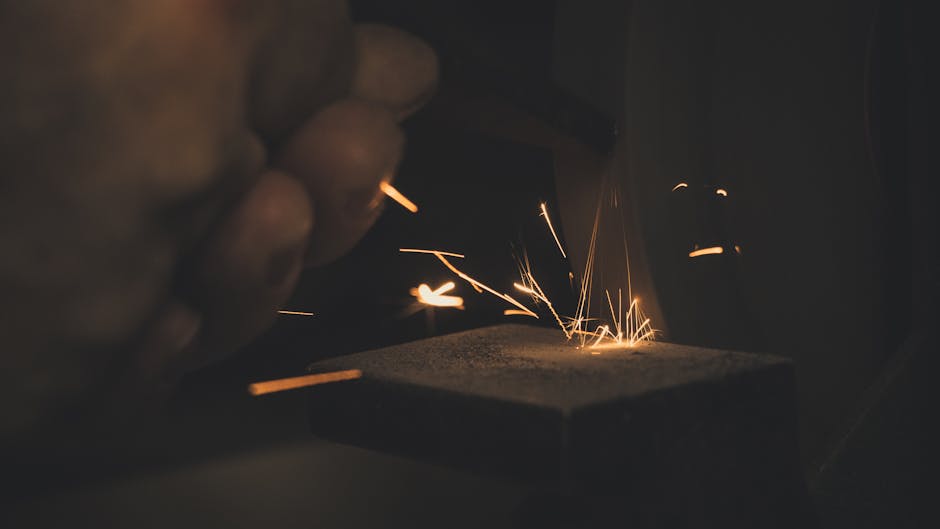
Grinders are robust tools used for cutting, grinding, and polishing hard materials like metal and stone. They're vital in tasks such as metal fabrication and masonry work. Picture the sparks flying as you cut through a steel rod—it's not just about the power, but the precision a grinder offers that makes it invaluable. Understanding these tools and their applications can transform how you approach construction projects. Which of these tools have you found most indispensable in your projects? Your insights could guide someone else making their way into the world of construction.
Measuring And Layout Tools
Whether you're building a deck or constructing a skyscraper, measuring and layout tools are essential for ensuring precision and accuracy in your projects. These tools help you determine exact dimensions, angles, and alignments. Without them, even the simplest of tasks can become daunting challenges. So, let’s dive into some of the most vital measuring and layout tools that every builder should have in their toolbox.
Tape Measure
The tape measure is a staple in any construction toolkit. It's a simple yet powerful tool that allows you to measure lengths and distances with ease. Have you ever tried guessing the width of a doorway without one? You might find yourself in a tight spot! A good tape measure is durable and retractable, making it easy to store and use. Consider one with a lockable mechanism to hold measurements steady.
Level
A level ensures that your surfaces are perfectly horizontal or vertical. Imagine installing a shelf that’s slightly tilted; your items will slide off! Levels come in various forms, such as spirit levels and digital levels. Each has its unique advantages, but the purpose remains the same: achieving alignment. Next time you hang a picture frame, use a level to ensure it’s straight and centered.
Square
Squares are indispensable for marking and measuring right angles. Whether you're cutting wood or laying tiles, a square can help you maintain geometric precision. Without it, your corners might end up looking like a child's drawing. There are different types, such as speed squares and framing squares, each suited for specific tasks. Don't underestimate the power of a square in achieving clean, professional edges.
Laser Measure
Laser measures bring technology into the mix, offering quick and accurate distance measurements. Have you ever faced the challenge of measuring a high ceiling or a long wall? A laser measure can make this task effortless. These devices are especially useful in large-scale projects where traditional tools fall short. With features like digital displays and memory functions, they save time and reduce human error. Consider investing in one for your next big project.
Now, think about your current project. Are you using the right tools? With these measuring and layout tools, you can elevate your craftsmanship. Precision is not just about getting the job done; it’s about getting the job done right. Which tool will you add to your collection next?
Safety Gear
Safety gear is crucial in any construction site. It protects workers from injuries. Proper equipment ensures a safer working environment. Let's explore essential safety gear in construction.
Hard Hats
Hard hats protect your head from falling objects. They reduce the impact of accidents. Always choose hats that fit well. Ensure they meet industry standards. Bright colors increase visibility on site.
Safety Goggles
Safety goggles shield your eyes from dust and debris. They prevent eye injuries caused by flying particles. Goggles with anti-fog lenses work best in humid conditions. Ensure they fit snugly around the eyes.
Gloves
Gloves protect hands from cuts and burns. Choose gloves suited to the task. Rubber gloves are best for handling chemicals. Leather gloves provide protection against sharp objects.
Ear Protection
Ear protection guards against hearing damage. Construction sites can be noisy. Earplugs or earmuffs reduce noise exposure. Comfortable and adjustable options are ideal for long use.
Material Handling Equipment
Material handling equipment plays a vital role in construction. It makes moving heavy materials easier and safer. Choosing the right tool boosts efficiency and reduces manual labor. Here, we explore some essential tools used in material handling.
Wheelbarrows
Wheelbarrows are simple yet effective tools. They help transport materials like sand, gravel, and bricks. Their design includes a single wheel and two handles. This makes them easy to maneuver in tight spaces. Wheelbarrows reduce the physical strain on workers. They are suitable for small to medium-sized loads.
Dollies
Dollies are versatile tools for moving heavy items. They come in various designs, like flatbed and upright types. Dollies often have four wheels, providing stability and ease of movement. They are ideal for transporting boxes, equipment, or furniture. Using a dolly can prevent injuries and save time.
Forklifts
Forklifts are powerful machines used on construction sites. They lift and move heavy materials over short distances. Forklifts have two forks on the front for carrying loads. They are perfect for pallets and large items. Safety training is essential for forklift operators. This ensures safe and efficient operations on site.
Hoists
Hoists are used to lift heavy materials vertically. They use ropes or chains for lifting tasks. Hoists are often found on construction sites with tall structures. They make it easier to move materials to higher levels. There are manual and powered hoists available. Choosing the right type depends on the specific job requirements.
Cutting And Shaping Tools
Construction sites depend on various cutting and shaping tools for precision work. Essential tools include saws, chisels, and grinders, each tailored for specific materials like wood, metal, or stone. These tools ensure accurate cuts and shapes, vital for building stability and design.
When it comes to construction, cutting and shaping tools are indispensable. These tools are the backbone of crafting precise and detailed structures. Whether you're working with wood, metal, or plastic, having the right cutting and shaping tools in your toolbox can make all the difference in achieving professional results. But which tools should you have? Let's explore some essential ones.
Chisels
Chisels are a staple in any craftsman’s toolset. They are perfect for carving, cutting, and shaping wood, stone, or metal. Have you ever tried making a mortise joint without a chisel? It’s nearly impossible to achieve the precision and clean edges that a chisel provides. Make sure you choose the right type of chisel for your project, whether it’s a bevel edge chisel for fine woodworking or a cold chisel for metalwork.
Files
Files are essential for smoothing rough edges and shaping materials. They come in various shapes and sizes, including flat, round, and half-round. Consider the last time you had a jagged piece of metal that needed smoothing. A file is the go-to tool for such tasks, ensuring a smooth finish. It's crucial to keep your files clean and sharp for the best results. Regular maintenance extends their life and maintains their effectiveness.
Planes
Planes are used to shave off thin layers of wood, helping you achieve a smooth and level surface. They are perfect for fine woodworking and cabinetry. Imagine trying to fit a door that just won’t close properly. A plane can easily shave off that extra fraction of an inch to make it fit perfectly. There are various types of planes, like block planes and bench planes, each serving different purposes. Choose wisely based on your specific needs.
Snips
Snips are designed for cutting thin sheets of metal, plastic, and other materials. They are often used in HVAC work, roofing, and other applications. When you’re faced with cutting through a sheet of metal without crimping or bending it, snips are your best friend. Invest in a quality pair of snips to avoid unnecessary frustration. A sharp, well-made pair can make clean cuts with minimal effort. Do you have any stories about how these tools saved your project? Or maybe a tip on choosing the right one? Share your insights in the comments!
Demolition Tools
Demolition tools are essential in construction for tearing down structures. They help clear spaces for new projects. Each tool serves a unique purpose. Choosing the right tool speeds up the demolition process. Let's explore some common demolition tools.
Sledgehammers
Sledgehammers are heavy, long-handled hammers. They break through walls and floors. Their weight delivers powerful blows. Ideal for concrete and masonry. Choose a sledgehammer with a comfortable grip.
Crowbars
Crowbars are versatile metal bars. They pry apart materials with ease. Use them to remove nails or pull apart wood. Their leverage makes them a favorite in demolition. Lightweight yet strong. Perfect for precise tasks.
Jackhammers
Jackhammers are electric or pneumatic tools. They break up concrete, asphalt, and rock. Known for their rapid hammering action. Ideal for heavy-duty demolition. Use ear protection with jackhammers.
Reciprocating Saws
Reciprocating saws are handheld power tools. They cut through wood, metal, and drywall. Their blade moves back and forth quickly. This makes them perfect for cutting pipes and beams. Lightweight and easy to handle.
Finishing Tools
Finishing tools play a crucial role in construction. They give projects a polished look. These tools are essential for the final touches. Each tool has its unique purpose. Let's explore some common finishing tools.
Paintbrushes
Paintbrushes are versatile and easy to use. They help in painting small areas. They provide control for detailed work. Different sizes suit various tasks. Natural and synthetic bristles are available. Choose based on the paint type. Paintbrushes ensure smooth and even coverage.
Rollers
Rollers are ideal for large surfaces. They speed up the painting process. Using a roller offers a consistent finish. They work well with walls and ceilings. Rollers come in various sizes and textures. Choose based on the surface and paint used. They are easy to clean and reuse.
Trowels
Trowels are essential for plastering and tiling. They help in spreading materials evenly. Different shapes and sizes serve specific needs. Flat trowels are common for smooth finishes. Notched trowels help with adhesive application. Proper use ensures a professional appearance.
Caulking Guns
Caulking guns seal gaps and joints. They help prevent water and air leaks. Easy to handle and precise in application. Choose based on the material and gap size. Proper use improves insulation and appearance. Caulking guns make sealing tasks efficient and neat.
Frequently Asked Questions
What Are The Essential Construction Tools?
Essential construction tools include hammers, screwdrivers, saws, drills, and measuring tapes. These tools are fundamental for basic building tasks. They help in cutting, fastening, and measuring materials efficiently. Having these tools ensures smooth operations on construction sites.
How Do I Choose The Right Construction Tools?
Choose tools based on your project requirements and budget. Consider the tool's durability and brand reputation. Ensure the tool fits your hand comfortably for ease of use. Read reviews to understand performance and reliability before purchasing.
What Safety Gear Is Needed With Construction Tools?
Safety gear includes helmets, gloves, goggles, and sturdy boots. These protect against potential hazards on construction sites. Always wear appropriate safety gear to prevent injuries. Regularly inspect your gear for any damage or wear.
How Should I Maintain Construction Tools?
Regularly clean tools after use to prevent rust and damage. Store them in a dry, safe place to prolong their lifespan. Sharpen blades and replace worn-out parts promptly. Routine maintenance ensures tools perform efficiently and safely.
Conclusion
Understanding construction tools is essential for any building project. Each tool serves a unique purpose and ensures efficiency. Workers use these tools to create structures safely. From hammers to cranes, every tool has its role. Knowing their functions can save time and effort.
It also improves safety and quality. Choose the right tools for your task. This knowledge helps in making informed decisions. Proper tools lead to successful construction. Equip yourself with the right tools and skills. It makes the process smoother and more effective.
Happy building!