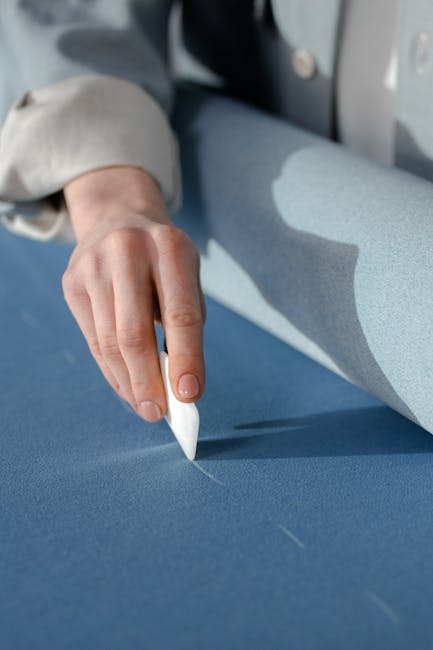
Imagine holding a tool in your hand, ready to make a mark that can transform a blank canvas into a masterpiece. This is the power of a pointed moving tool.
Whether you're sketching a delicate line or crafting a bold statement, the control is in your hands. But have you ever thought about the magic behind that mark? You're about to dive into the world where a simple stroke can change the way you see and feel.
This isn't just about art; it's about understanding the connection between your mind and the marks you create. By the end of this article, you'll not only appreciate the skill involved but also discover how this knowledge can spark creativity in your everyday life. Let's explore how this seemingly simple act can unlock a whole new level of expression for you.
The Essence Of Line Drawing
Line drawing captures the simplest form of artistic expression. A single line can convey powerful emotions and ideas. Artists use lines to create shapes, textures, and depth. This technique focuses on minimalism, emphasizing the beauty of simplicity. The movement of the tool guides the viewer's eye across the canvas. Line drawing remains a fundamental skill for artists worldwide.
Historical Significance
Line drawing has ancient roots, tracing back to early human history. Cave paintings used simple lines to depict animals and daily life. Ancient Egyptians employed line drawings in hieroglyphics. These lines told stories of gods and pharaohs. In the Renaissance, artists refined line drawing techniques. They used lines to illustrate anatomy and perspective. This art form has evolved but maintains its historical importance.
Cultural Impact
Line drawing influences cultures globally. Each culture has unique styles and techniques. In Asia, line art appears in traditional ink paintings. These artworks highlight nature and spiritual themes. In Western cultures, line drawings are popular in cartoons and comics. They convey humor and narratives with simple visuals. The universal appeal of line drawing transcends language and cultural barriers. It connects people through shared visual storytelling.
Tools Of The Trade
A pointed moving tool creates precise marks essential for various crafts and trades. These marks guide artisans in carving, sketching, or designing. Such tools enhance accuracy and detail in every project.
Tools of the Trade Creating a mark with a pointed moving tool is an art that requires precision and the right instruments. Whether you're sketching a delicate line or crafting a bold design, the tools you choose can make all the difference. Let's dive into the world of these essential tools, both old and new.
Traditional Instruments
The classics never go out of style. Traditional drawing tools like pencils, pens, and charcoal sticks have been the backbone of artistry for centuries. Pencils offer versatility with varying degrees of hardness, allowing artists to create everything from faint outlines to deep shading. Charcoal provides rich, dark lines and is perfect for dramatic effects, though it can be a bit messy. Ink pens, on the other hand, offer precision and permanence, making them ideal for detailed work. Can you recall a time when you tried a new pencil or pen, and it felt just right? Sometimes, finding that perfect tool feels like discovering a hidden treasure.
Modern Innovations
In today's fast-paced world, technology has transformed the way we create. Digital tablets and styluses are now popular among artists for their convenience and versatility. Digital tablets come with pressure-sensitive screens that mimic the feel of traditional drawing. You can easily switch between tools like brushes or pens at the touch of a button. Styluses have evolved to offer incredible precision, allowing for intricate details that rival those done with traditional tools. Have you tried drawing on a tablet? The ability to undo a mistake with a simple tap is a game-changer. Yet, every tool has its unique charm and choosing one depends on what you wish to express. Do you prefer the tactile feel of paper and pencil, or does the digital realm inspire your creativity? Each tool offers a unique experience and understanding your preference can enhance your artistic journey. Which tool will you choose for your next creative endeavor? The right tool might just be the key to unlocking your full potential.
Techniques And Styles
Understanding different techniques and styles can transform how you make marks with a pointed tool. Each technique brings its unique flair and can dramatically alter the outcome of your artwork. Whether you're sketching for fun or crafting a masterpiece, exploring these styles can elevate your artistic skills.
Contour Drawing
Contour drawing is about focusing on the outline of your subject. It demands attention to detail and requires you to look closely at the lines and shapes. Have you ever tried drawing without lifting your tool from the paper? This style encourages that, fostering a deeper connection with your subject. It challenges your perception, making you see things differently.
Gesture Drawing
Gesture drawing captures the action and movement of a subject. It's fast-paced and often completed in short bursts. This technique is not about perfection; it's about energy and flow. Imagine trying to capture a dancer's movement in a few seconds. It’s exhilarating and pushes you to think quickly. It teaches you to trust your instincts and express emotions through simple marks.
Scribble Art
Scribble art turns chaos into creativity. It allows freedom to make random, continuous lines that eventually form a cohesive image. Have you ever felt stuck or uninspired? Scribbling can break that block and spark new ideas. It's a reminder that art doesn't always have to be neat and tidy. Sometimes, the best creations come from letting go of control and embracing unpredictability.
Each of these techniques offers a different approach to mark-making, encouraging you to explore and find your unique style. Which technique resonates with you? Why not experiment with each and see how they transform your artistic journey?
Influential Artists
When you think of influential artists, what comes to mind? Perhaps it's the power of a single line, drawn with precision and intent. Lines are the building blocks of art. They convey emotion, movement, and depth. Through history, artists have harnessed this simplicity to create profound works that resonate across time. As you explore the realm of line art, you might find yourself inspired by the masters who have perfected this technique.
Pioneers Of Line Art
Some artists have paved the way in using lines to express complex ideas. Consider Wassily Kandinsky, whose bold lines and abstract forms challenged conventional art. His works invite you to explore the interplay between line, color, and form.
Another pioneer, Paul Klee, used lines to create dreamlike compositions. His pieces often feel like whimsical maps, guiding you through his imaginative landscapes. Klee's ability to transform simple lines into intricate narratives is truly mesmerizing.
These pioneers teach us that line art is not just about drawing; it's about seeing the world in a different way. Have you tried creating art with just lines? What stories could your lines tell?
Contemporary Masters
Today's artists continue to redefine line art, pushing boundaries and exploring new dimensions. Take Cy Twombly, whose energetic scribbles and loops challenge traditional notions of line art. His works invite you to feel the spontaneity and raw emotion behind each stroke.
Another contemporary master, Bridget Riley, uses lines to create optical illusions. Her work plays tricks on your eyes, making static lines appear to vibrate and move. Riley's art challenges your perception and invites you to see beyond the surface.
These masters remind us that lines can be more than just divisions on paper. They can be pathways to new ideas and perspectives. What would happen if you dared to view lines not just as boundaries, but as bridges to new creative realms?
Line Drawing In Digital Art
Line drawing is a fundamental skill in digital art. Artists use it to create detailed and expressive works. Digital tools have transformed how artists approach line drawing. They offer precision and versatility. This makes them a favorite for many creators.
With digital art, artists can experiment easily. They can undo mistakes and try new techniques without fear. This freedom encourages creativity and innovation in their work. It opens up endless possibilities.
Software And Applications
Many programs are available for digital line drawing. Adobe Photoshop and Illustrator are popular choices. They offer a variety of brushes and tools. Artists can adjust line thickness and texture with ease. Procreate is another favorite, especially for tablet users. Its user-friendly interface attracts beginners and professionals alike.
Clip Studio Paint is also widely used. It caters to manga and comic artists. Its vector tools provide clean and precise lines. Each software has unique features. Artists often choose based on personal preference and project needs.
Digital Vs. Traditional
Digital and traditional line drawing have distinct differences. Digital art allows for easy corrections and adjustments. Artists can experiment without wasting materials. This makes it cost-effective in the long run.
Traditional art offers a tactile experience. Holding a pencil or brush provides a connection to the work. Some artists prefer this hands-on approach. Each method has its own charm and advantages. The choice depends on the artist's goals and style.
Educational Value
Drawing with a pointed moving tool holds great educational value. It offers diverse learning opportunities. This simple activity teaches more than just art skills. It enhances cognitive and motor abilities. The process encourages critical thinking and problem-solving. Let's explore its educational benefits in detail.
Skill Development
Using a pointed tool improves fine motor skills. Children learn to control their hand movements. Precision and coordination are key skills developed. These skills help in daily tasks and academic activities. Writing and typing become easier with improved hand control. It also boosts spatial awareness. Understanding space and distance is crucial in many subjects.
Creative Expression
Drawing fosters creativity and imagination. Children express ideas through lines and shapes. It allows them to tell stories visually. Creativity is not just for art; it aids problem-solving. Thinking outside the box leads to innovative solutions. This activity encourages exploring new concepts and ideas. Creativity boosts confidence in self-expression.
The Future Of Line Art
The future of line art lies in a simple mark made by a pointed moving tool. Artists create intricate designs with just one stroke. This method continues to evolve, blending traditional techniques with digital innovation.
The world of line art is constantly evolving, drawing artists and enthusiasts alike to explore its expressive potential. As we stand at the crossroads of innovation and tradition, the future of line art promises exciting developments. Whether you're a seasoned artist or a curious observer, the trends and technological advancements in line art may surprise you.
Emerging Trends
Line art is experiencing a renaissance. Artists are pushing boundaries, blending traditional techniques with modern styles. Minimalism is gaining traction, where a few well-placed lines convey powerful emotions and stories. Social media platforms amplify this trend by showcasing artists who redefine simplicity and complexity through line art. The result? A global community of creators who inspire and challenge each other. Are you ready to be a part of this creative revolution?
Technological Advancements
Technology is transforming how line art is created and shared. Digital tools like tablets and styluses offer precision and versatility, allowing artists to experiment with endless possibilities. Software advancements enable layers, effects, and corrections that traditional paper could not. Imagine drawing a single line, and with a tap, altering its thickness, texture, or color. This is the new frontier of line art. As these tools become more accessible, what will you create? The future invites you to redefine what a simple line can do. In this dynamic landscape, staying updated with trends and tools is crucial. Embrace change and let your creativity flow with the future of line art.
Frequently Asked Questions
What Is A Pointed Moving Tool?
A pointed moving tool is an instrument used to create lines or marks on surfaces. It's often used in art and design. Artists and draftsmen use it for precision work. The tool can vary in size and shape, depending on the desired effect.
How Is A Mark Drawn With This Tool?
A mark is drawn by dragging the pointed tool across a surface. The pressure and angle can affect the mark's appearance. Artists use different techniques to achieve various textures and styles. Consistency in movement ensures a smooth and clean line.
What Materials Work Best With Pointed Tools?
Pointed tools work well on paper, canvas, and fabric. Smooth surfaces provide the best results, enhancing precision. Some artists also use them on wood or metal for engraving. The choice of surface impacts the final outcome of the artwork.
Why Are Pointed Tools Popular In Art?
Pointed tools offer precision and control, essential for detailed work. They allow artists to create intricate designs. Their versatility makes them ideal for various artistic styles. Many artists prefer them for their ability to produce clean, sharp lines.
Conclusion
Exploring the art of drawing with pointed tools reveals beauty. Each mark tells a story and captures a moment. Artists express emotions through simple lines and shapes. This technique demands focus and precision. It connects the artist with their creation deeply.
Drawing with pointed tools inspires creativity and enhances skills. It invites artists to explore new possibilities. A simple tool leads to complex, beautiful artwork. With practice, anyone can master the basics. The journey of creating art is both challenging and rewarding.
Let your imagination guide your hand, and watch your skills grow.