Imagine transforming your woodworking projects with precision and ease. Whether you're crafting a simple shelf or an intricate piece of furniture, having the right tool makes all the difference.
You know the frustration of measuring and marking materials accurately, only to find that your efforts fall short. That's where a multipurpose measuring and marking tool comes in. This tool is designed to simplify your tasks, ensuring every cut is perfect and every piece fits seamlessly.
It’s not just a tool; it's a game-changer in your woodworking arsenal. Discover how this essential device can revolutionize your craft and elevate your projects to new heights. Dive into the possibilities and see why this tool is a must-have for every woodworker.
Versatility In Woodworking Tools
Woodworking is an art that demands precision, skill, and the right tools. Among the array of tools in a woodworker's arsenal, a multipurpose measuring and marking tool stands out for its versatility. This tool is not just a staple; it’s a transformative asset in crafting intricate designs and ensuring accuracy in every cut and joint.
Imagine you're working on a complex piece, perhaps a custom bookshelf or a detailed chair. The multipurpose tool saves you time and effort by combining several functions into one. It's like having a ruler, square, protractor, and marking gauge all in one device. This integration means less clutter on your workbench and more focus on your project.
The beauty of this tool is in its adaptability. Whether you're measuring angles for a mitred corner or marking precise lines for dovetail joints, it adjusts seamlessly to your needs. Have you ever struggled with switching between tools mid-project? This tool eliminates that hassle, allowing you to maintain your workflow without interruptions.
Enhancing Precision
Precision is the cornerstone of woodworking. A slight error can lead to a misaligned joint or an uneven surface. The multipurpose measuring and marking tool enhances precision by offering clear and accurate measurements. It ensures that every line, angle, and cut matches your design intentions perfectly.
Consider using this tool when you're setting up for a complex joinery task. Its ability to provide exact measurements gives you confidence in your cuts, reducing the risk of errors. You can trust its accuracy, knowing that your project will turn out exactly as planned.
Streamlining Workflow
Efficiency is key when managing multiple projects or working under tight deadlines. This tool streamlines your workflow by minimizing the need to switch tools frequently. It helps you stay organized and focused, keeping everything you need within arm's reach.
Ever felt the frustration of hunting for the right tool amidst a cluttered workspace? With its multifunctional capabilities, this tool reduces such disruptions. You spend less time searching and more time creating, improving your productivity and satisfaction with your work.
Adapting To Various Projects
No two woodworking projects are the same. Each requires a unique approach and set of tools. The multipurpose measuring and marking tool adapts to various projects, whether you're crafting a delicate wooden sculpture or building sturdy furniture.
Its versatility supports a wide range of woodworking styles, from traditional joinery to contemporary designs. Are you exploring new techniques or experimenting with innovative designs? This tool will be your reliable companion, helping you navigate different challenges with ease.
Incorporating a multipurpose measuring and marking tool into your woodworking toolkit is more than a choice; it's a strategic decision that enhances your craft. How will you integrate this versatile tool into your next project? The possibilities are endless, and your creativity knows no bounds.
History Of Measuring Tools In Woodworking
Understanding the history of measuring tools in woodworking opens up a fascinating world of craftsmanship and innovation. From ancient methods to modern devices, these tools have evolved remarkably, enhancing precision and efficiency for woodworkers. Let's delve into the journey of these essential instruments and discover how they have shaped the art of woodworking.
Evolution Of Early Measuring Techniques
Centuries ago, measuring in woodworking was a skill passed down through generations. Craftsmen relied on rudimentary tools like sticks and ropes. They used body parts, such as hands and feet, as informal units of measurement. Imagine creating a masterpiece without a ruler. It required immense skill and intuition.
Introduction Of Standardized Tools
With time, the need for accuracy led to the development of standardized tools. The ruler and the square became indispensable. These tools provided woodworkers with the ability to create intricate designs with consistency. They were a game-changer for carpentry practices.
The Rise Of Precision Instruments
As woodworking advanced, so did the measuring tools. The vernier caliper, invented in the 1600s, marked a significant leap in precision. It allowed craftsmen to measure small dimensions with great accuracy. This tool is still widely used today, proving its lasting impact on woodworking.
The Digital Revolution
In recent decades, digital measuring tools have transformed the woodworking industry. Laser distance measurers and digital calipers offer unparalleled precision. They eliminate human error and streamline the measuring process. Have you ever used one of these tools? They make the task almost effortless.
Personal Insights On Measuring Tools
Reflecting on my own woodworking journey, measuring tools have been my silent companions. They ensure every cut is perfect and every piece fits seamlessly. They've taught me the importance of detail and accuracy. What measuring tools have you found indispensable in your projects?
Measuring tools in woodworking are more than just instruments; they are extensions of your creativity and precision. As you explore your craft, consider how these tools have evolved and continue to enhance your work. What's the next tool you'll add to your collection to elevate your craftsmanship?
Key Features Of Multipurpose Tools
Multipurpose measuring and marking tools have transformed the woodworking landscape. They bring together versatility and precision, making them a staple in every woodworker's toolkit. Understanding their key features can enhance your woodworking projects, streamlining your workflow and boosting accuracy.
Multipurpose tools are designed to cater to various needs. From measuring angles to marking cuts, these tools simplify complex tasks. They offer a range of functionalities, reducing the need for multiple separate tools.
One key feature is their adaptability. These tools adjust to different angles and measurements, offering flexibility in your projects. This adaptability means less time switching between tools and more time focusing on the craft.
Durability And Build Quality
Durability is essential in woodworking. Multipurpose tools are typically crafted from high-quality materials like stainless steel or hardened aluminum. This ensures they withstand heavy use without losing accuracy.
Have you ever had a tool break mid-project? It's frustrating and time-consuming. Choosing a tool with robust build quality means you can trust it to last, saving you from unnecessary interruptions.
Precision And Accuracy
Precision is non-negotiable in woodworking. Multipurpose tools come with finely calibrated scales and markings. This guarantees accurate measurements every time, reducing errors in cuts and joins.
Imagine the satisfaction of seeing perfectly aligned pieces in your final product. Accurate tools help achieve that seamless fit, elevating the quality of your work.
Ease Of Use
Complex tasks become simpler with user-friendly tools. Multipurpose measuring and marking tools are designed for easy handling. Ergonomic designs ensure comfort during prolonged use.
Have you ever struggled with a tool's complexity, feeling overwhelmed by its features? An intuitive tool can make all the difference, letting you work efficiently without the frustration.
Versatility In Applications
These tools are not limited to woodworking alone. They adapt to various tasks like metalworking or DIY home projects. Their multifunctional nature is a boon for those who love diverse projects.
What if your tool could serve multiple purposes beyond woodworking? With multipurpose tools, that's entirely possible, broadening your scope of work and creativity.
Understanding these key features can help you select the right tool, enhancing your woodworking experience. Dive into your next project equipped with a tool that meets your needs and exceeds your expectations.
Common Types Of Measuring Tools
Woodworking requires precision. Choosing the right measuring tool is crucial. Each tool serves a unique purpose. Some are versatile, while others are specialized. Knowing their functions helps in achieving accuracy. Here are some common types of measuring tools used by woodworkers.
Tape Measures
Tape measures are essential. They are flexible and easy to use. The retractable design fits in a pocket. They measure long distances quickly. Ideal for rough measurements. Some have a lock feature. It holds the tape in place. This ensures stable readings. Most tapes have metric and imperial markings. Choose one with clear markings for better visibility.
Squares
Squares are vital for right angles. They help in marking precise lines. They ensure corners are exact. They come in various types. Try framing squares for large projects. Speed squares are compact. They are convenient for smaller tasks. Combination squares offer versatility. They can measure angles and straight lines. Their metal body is durable.
Calipers
Calipers measure thickness and diameter. They provide detailed measurements. Ideal for intricate designs. Digital calipers offer accuracy. They display measurements on a screen. Dial calipers have a rotating dial. They are easy to read. Use them for internal and external dimensions. Their precision is unmatched. Choose stainless steel for longevity.
Benefits Of Multifunctional Tools
Woodworkers gain precision and efficiency with multifunctional tools. These measuring and marking tools simplify tasks by combining multiple functions. Save time and space while ensuring accurate cuts and layouts in woodworking projects.
When it comes to woodworking, having the right tools can make all the difference in your craft. Multifunctional tools, in particular, offer a range of benefits that can enhance your efficiency and precision. Imagine having a single tool that can perform multiple tasks, saving you both time and space in your workshop. This isn’t just a convenience—it's a game-changer. Let’s dive into how these versatile tools can transform your woodworking experience.
1. Save Time And Space
In a bustling workshop, time is precious. Multifunctional tools eliminate the need for constant tool switching. You can shift seamlessly from measuring to marking with a single instrument, keeping your workflow smooth. Think about the clutter in your workspace. A tool that combines multiple functions reduces the need for extra gadgets. This not only declutters your bench but also ensures you’re not wasting time searching for the right tool.
2. Cost-effective Solution
Purchasing individual tools for every task can quickly add up. Multifunctional tools provide an economical alternative. By investing in one quality tool, you can perform various tasks without breaking the bank. Consider the long-term savings. You not only cut down on immediate expenses but also on future replacements and repairs. This is a smart investment for both hobbyists and professionals alike.
3. Enhanced Precision And Accuracy
A multifunctional tool designed for measuring and marking ensures that your cuts are precise. This precision leads to better-fitting joints and a more polished final product. Have you ever experienced the frustration of mismatched measurements? With a reliable tool, you can trust that your markings are exact, enhancing the quality of your work. Accuracy is key in woodworking, and the right tool makes all the difference.
4. Versatility In Projects
Different projects require different tools. A multifunctional tool adapts to various tasks, whether you're crafting intricate designs or working on larger structures. This versatility means you can tackle a wide range of projects with confidence. Imagine the freedom to experiment with new designs without worrying about tool limitations. The right tool empowers you to expand your skills and creativity.
5. Simplicity And Ease Of Use
Complex tools can be daunting, especially for beginners. Multifunctional tools simplify the learning curve. With intuitive designs, they are often easier to handle and operate. Have you ever felt overwhelmed by tool manuals and settings? A straightforward tool lets you focus on what you love—creating. This simplicity is not just for beginners; even seasoned woodworkers appreciate the ease of use. --- Embrace the benefits of multifunctional tools in your woodworking journey. What will you create with your newfound efficiency and precision?
Choosing The Right Tool For Your Project
Woodworkers benefit from a multipurpose measuring and marking tool. It ensures precise cuts and accurate measurements. This tool simplifies tasks, enhancing efficiency and craftsmanship in woodworking projects.
Choosing the right tool for your woodworking project can make all the difference between a smooth, enjoyable experience and a frustrating one. A multipurpose measuring and marking tool is invaluable, but selecting the right one requires careful thought. Let's explore how to make an informed decision.
Project Requirements
First, think about the specific demands of your project. Are you working on something intricate like a custom piece of furniture, or is it a simple shelf? The complexity of your project will dictate the features you need in a tool. Consider the measurements you need to take. Will you need to measure angles, or is it just straight lines? Multipurpose tools offer a range of functions, but not all are necessary for every project. Reflect on past experiences. Did you ever wish you had a tool that could do more than just mark a straight line? Use these reflections to guide your choice.
Material Considerations
Different materials require different approaches. Are you working with softwoods or hardwoods? Each type can influence how you mark and measure. Wood surfaces vary significantly. Some are smooth, while others have a rough texture. This can affect the precision of your markings. The tool’s material can also impact its effectiveness. A metal tool may be more durable, but a plastic one might be lighter and easier to handle. Take a moment to consider: How will your chosen material interact with your tool of choice? This thought can prevent future headaches and ensure a smoother project. When choosing a multipurpose measuring and marking tool, remember that your project’s needs are unique. The right tool can save you time, enhance precision, and make your woodworking experience more enjoyable. What are your project’s specific needs? Your answer could lead you to the perfect tool.
Tips For Accurate Measuring And Marking
Woodworkers rely on a multipurpose measuring and marking tool for accuracy. It helps in precise measurements and straight lines. This tool simplifies tasks, ensuring projects come out perfectly aligned and professional.
Accurate measuring and marking are crucial for woodworkers. Even the slightest error can lead to wasted materials and time. By refining your measuring and marking techniques, you can elevate the quality of your projects and ensure that every cut and assembly fits just right. Below, we’ll delve into some practical tips that can help you achieve precision in your woodworking endeavors.
Use The Right Tool For The Job
Selecting the correct tool is the first step to accurate measurements. A multipurpose measuring and marking tool can save you time and hassle. Ensure your tool is appropriate for the task at hand. For instance, a tape measure is great for longer distances, but a ruler or square might be better for shorter, more precise measurements.
Double-check Your Measurements
You've heard it before: measure twice, cut once. This age-old advice holds true. Double-check your measurements to avoid costly mistakes. Take a moment to ensure your initial measurement aligns with the scale you're using. Have you ever cut a piece too short because you misread the tape measure? Avoid this by taking a second look.
Mark With Precision
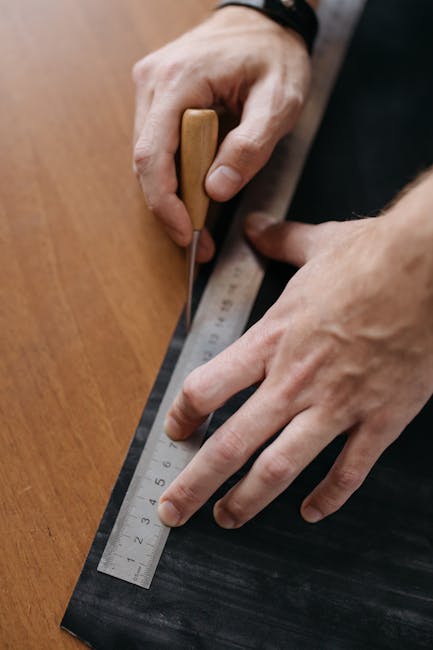
A sharp pencil or a fine-point marker can make all the difference. Make sure your marking tool is in good condition. A dull pencil can lead to inaccurate lines. Use clear, crisp lines that are easy to see and follow. Are your marks often hard to see? Consider using a darker pencil or even a marking knife for a more visible line.
Maintain A Steady Hand
Steadiness is key to accurate marking. Keep your hand steady and ensure your tool is stable. A shaky hand can lead to crooked lines. If you find this challenging, try supporting your wrist on the work surface. Have you ever struggled with keeping your lines straight? Practice maintaining a firm grip and steady hand to improve your precision.
Consider The Material's Texture
Wood is not always perfectly smooth. Grain and texture can affect your marking lines. If the wood is rough, your marks might be less clear. Consider sanding the surface lightly before marking. This small step can help you achieve a cleaner, more precise line.
Verify With A Test Piece
Before making final cuts, try your measurements on a scrap piece of wood. This allows you to verify that your measurements and marks are accurate without risking your project material. Ever wondered if your measurements were off after cutting? Testing on a scrap piece can offer peace of mind and save you from potential errors.
Maintenance And Care For Longevity
Proper care ensures a multipurpose measuring and marking tool serves woodworkers for years. Regular cleaning prevents dirt buildup. Store in a dry place to avoid rust.
Maintaining your multipurpose measuring and marking tool is crucial for its longevity. This tool is indispensable in woodworking, so proper care ensures it stays reliable and accurate. Regular maintenance can prevent costly replacements and keep your projects precise.
Cleaning Techniques
Keeping your tool clean is the first step toward extending its lifespan. Dust and debris can accumulate over time, affecting its functionality. Use a soft cloth to wipe down the tool after each use. For stubborn stains or sticky residue, a mild detergent solution can be effective. Be sure to dry the tool thoroughly to prevent rust. If your tool has moving parts, a small brush can help reach tight spots. Consider dedicating a few minutes to this routine after each project. This small effort can save you from headaches down the line. Have you ever noticed how a simple cleaning can bring back the shine to your tools?
Storage Solutions
Proper storage of your measuring and marking tool is just as important as cleaning. Keep it in a dry, safe place to avoid exposure to moisture and potential damage. A dedicated toolbox or drawer can offer the protection it needs. Avoid stacking heavy objects on your tool, as this can cause bending or warping. If you have multiple tools, use dividers or foam inserts to prevent them from clashing against each other. Consider labeling your storage space for easy access. This not only keeps your workspace organized but also extends the life of your tools. How do you currently store your tools, and is there room for improvement? By following these practical tips, you can ensure your tool remains a reliable companion in your woodworking endeavors. Remember, a well-maintained tool not only improves the quality of your projects but also enhances your woodworking experience.
Innovations In Tool Design
In the world of woodworking, the tools you use can make all the difference. Over the years, innovations in tool design have transformed the way woodworkers measure and mark their projects. These advancements not only enhance precision but also streamline the woodworking process, making it more efficient and enjoyable. How can these tools improve your woodworking experience?
How New Materials Enhance Tool Durability
Tool designers are constantly experimenting with materials that offer greater durability and accuracy. Modern measuring and marking tools often use lightweight metals and robust plastics. This ensures longevity and minimizes wear and tear. Have you noticed how much longer these tools last compared to older models?
Ergonomics: Designing For Comfort
Comfort is key when you're working for extended periods. Innovations in ergonomics mean that tools are now designed to fit comfortably in your hand. This reduces strain and allows for precise movements. Wouldn't it be great if all your tools felt like they were made just for you?
Precision Features: Accuracy At Your Fingertips
Modern tools boast precision features like laser guides and digital displays. These advancements help achieve exact measurements effortlessly. As a woodworker, imagine being able to cut once with confidence, thanks to these precise readings. How much time could you save with such accuracy?
Multi-functionality: More Than Just A Measuring Tool
Today's tools often combine multiple functions into one. A single tool might measure, mark, and even cut or drill. This versatility reduces the need for multiple items cluttering your workspace. How would your workflow change if you had one tool that did it all?
Personal Story: Discovering The Benefits
Once, while working on a complex cabinet design, I realized my traditional tools weren't cutting it. Switching to a multipurpose measuring and marking tool revolutionized my approach. The ease and precision it offered saved me hours of frustration. Have you ever found a tool that transformed your work?
Innovations in tool design are not just about new features; they’re about enhancing your woodworking experience. Imagine the possibilities these advancements can bring to your projects.
Expert Recommendations
Woodworkers rely on multipurpose measuring and marking tools for precision. Expert recommendations highlight their versatility in various woodworking tasks. These tools ensure accurate measurements and markings, enhancing efficiency and craftsmanship.
Expert Recommendations Choosing the right measuring and marking tool can make all the difference in your woodworking projects. Whether you're a beginner or a seasoned pro, expert recommendations can guide you toward making the best choice. Let's dive into some valuable insights from woodworking professionals.
Understanding The Tool's Versatility
Experts emphasize the importance of versatility. A multipurpose tool should serve multiple functions like measuring angles, marking precise cuts, and checking alignment. This reduces the need for multiple tools cluttering your workspace.
Quality And Durability Matter
Look for tools made from durable materials like stainless steel or aluminum. These materials withstand wear and tear over time. Investing in quality ensures that your tool will last through countless projects.
Ease Of Use Is Key
A tool that's easy to use can significantly enhance your productivity. Experts suggest looking for ergonomic designs that fit comfortably in your hand. Smooth operation can prevent frustration and keep your focus on crafting beautiful pieces.
Precision And Accuracy
Woodworking is an art that demands precision. Make sure your tool provides accurate measurements to avoid costly mistakes. Experts recommend checking user reviews and ratings to ensure the tool meets professional standards.
Consider Your Project Needs
Are you working on large-scale furniture or intricate carvings? Your project type dictates the features you need. Experts suggest analyzing your typical projects and choosing a tool that aligns with those needs.
Learning From Personal Experience
Many woodworking experts share that their favorite tool is one they discovered through trial and error. Have you ever found a tool you didn't expect to love? That unexpected find could become your go-to for future projects.
Engage With The Community
Join woodworking forums and social media groups. Engaging with fellow woodworkers can provide insights into tools you might not have considered. Have you asked for recommendations in your community? You may find hidden gems that others swear by.
Budget Considerations
While high-quality tools often come with a price, experts advise balancing cost with functionality. Consider your budget and explore options that offer the best value for your money. Could a slightly pricier tool save you more in the long run? Remember, the right tool can transform your woodworking experience. What new insights will guide your next purchase?
Frequently Asked Questions
What Is A Multipurpose Measuring And Marking Tool?
A multipurpose measuring and marking tool is essential for woodworkers. It combines functions like measuring, marking, and sometimes angle finding. Its versatility increases efficiency and accuracy in woodworking projects. By using one tool for multiple tasks, woodworkers can save time and space in their toolkits.
How Do Woodworkers Use This Tool Effectively?
Woodworkers use this tool to quickly measure, mark, and align materials. It's crucial for tasks like cutting, joining, and fitting. The tool's design allows for easy handling and precise measurements. This ensures that each piece fits perfectly, improving the overall quality and finish of woodworking projects.
Why Is This Tool Important For Woodworkers?
This tool is important because it enhances accuracy and efficiency. It reduces the need for multiple tools, saving space and time. With precise measurements and markings, it minimizes errors and material waste. This tool is a staple in every woodworker's toolkit, ensuring high-quality results.
Can Beginners Use This Tool Easily?
Yes, beginners can use this tool easily. Its design is intuitive and user-friendly. Many come with clear instructions, aiding in proper usage. This allows beginners to achieve precise measurements and markings, boosting their confidence. It's a great starting tool for those new to woodworking.
Conclusion
Woodworkers find great value in multipurpose measuring tools. These tools simplify tasks and enhance precision. Saving time is crucial in woodworking, and these tools help achieve that. They offer versatility, combining marking and measuring in one device. This makes projects more efficient and accurate.
By integrating such tools, woodworkers can improve their craft significantly. Consider investing in a quality multipurpose tool for your workshop. It can become an essential part of your daily tasks. Craft with confidence, knowing your measurements are accurate and reliable.