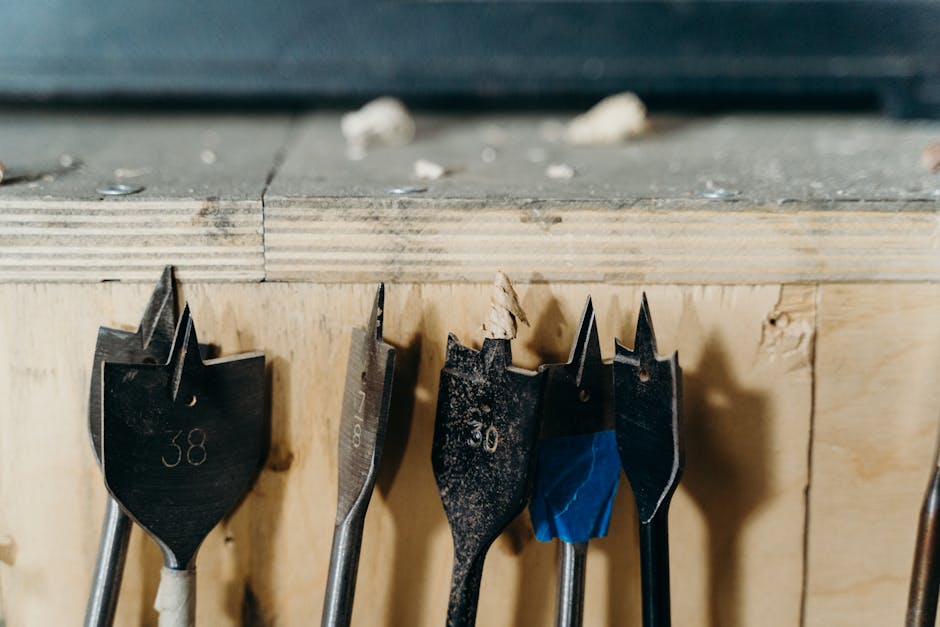
A Small Power Tool to Cut Wood.
Imagine holding the power to shape and craft wood effortlessly, right in the palm of your hand. With a small power tool designed specifically for cutting wood, you can unlock a world of possibilities.
Whether you're a DIY enthusiast or someone who occasionally tackles home improvement projects, this tool can transform your experience. Picture the ease of slicing through timber with precision and speed, without the hassle of bulky equipment. You deserve efficiency and simplicity, and this tool offers just that.
Dive into this article to discover how this compact marvel can revolutionize your woodworking tasks and bring your creative visions to life. Your next masterpiece is just a cut away!
Compact Design Benefits
When you think about power tools, you might picture hefty machines that require a dedicated corner in your garage or workshop. But there's a new trend that’s changing the game—compact design. A small power tool to cut wood offers numerous benefits, especially when it comes to space-saving and portability. These tools are not only efficient but also fit seamlessly into your lifestyle. Let's dive into the specific advantages of their compact design.
Space-saving Features
One of the most significant advantages of a compact power tool is how little space it consumes. Picture this: You’ve just moved into a smaller apartment, and storage space is limited. A compact wood-cutting tool ensures you don’t need to sacrifice valuable storage for functionality.
These tools are often designed to be stackable or easy to store in tight spots. You can tuck them away in a small cabinet or even a kitchen drawer. This means more room for other essentials, or perhaps, more tools!
Moreover, if you live in a place without a dedicated workshop, a compact tool allows you to work on the kitchen table or balcony without clutter. Imagine cutting wood for a DIY project without having to rearrange your entire living space. Doesn't that sound convenient?
Portability Advantages
Compact tools are not just about saving space; they’re about freedom and mobility. Have you ever wanted to take your tool to a friend's house for a project? A smaller tool can easily fit into a backpack, making it the perfect companion for on-the-go tasks.
Even if you need to move around your own home, having a lightweight and portable tool makes it easy. You can switch from working in the garage to the backyard effortlessly. This flexibility allows you to choose the best environment for your task, improving your overall experience.
Additionally, if you enjoy attending crafting workshops or DIY classes, a compact tool simplifies transport. You won’t need to struggle with heavy equipment, allowing you to focus on honing your skills and enjoying the creative process. How's that for making life easier?
Precision Cutting
Precision cutting is essential in woodworking. A small power tool offers this advantage. It allows for smooth and accurate cuts. Perfect for detailed projects or simple tasks. Let's explore how it achieves precision.
Advanced Blade Technology
Modern blades are designed for precise cuts. They feature unique materials and sharp edges. This helps in reducing waste and ensuring clean finishes. Advanced blades also maintain their sharpness longer. This means fewer replacements and consistent quality.
Accuracy In Measurements
Small power tools often include measurement guides. These guides help in setting exact dimensions. Users can adjust settings easily for different projects. This ensures each cut matches the plan. Accurate measurements lead to perfect results every time.
Ease Of Use
Small power tools are perfect for cutting wood with precision. These tools ensure a seamless experience for both beginners and seasoned woodworkers. The ease of use stands out as a key feature. It simplifies tasks and enhances productivity. Let's explore why this tool is a user-friendly choice.
User-friendly Controls
Operating a small power tool should be intuitive. User-friendly controls make it simple to manage. Buttons and switches are clearly marked. This ensures quick access and control. Ergonomic designs reduce strain on hands. Comfort is prioritized for long sessions.
Effortless Operation
Effortless operation means less hassle for the user. The tool glides smoothly over wood surfaces. Lightweight construction aids in maneuverability. Precision is achieved with minimal exertion. This makes cutting wood a breeze. The motor delivers consistent power. Users enjoy a reliable performance every time.
Versatility In Woodworking
Small power tools are essential for cutting wood with precision and ease. These tools offer versatility in woodworking projects, making detailed cuts possible without hassle. Ideal for hobbyists and professionals alike, they enhance creativity and efficiency in crafting wooden masterpieces.
When you think of woodworking, you might picture large, cumbersome machines. However, a small power tool can offer surprising versatility. It’s more than just a convenient option; it can change how you approach your projects. With the right tool, you can tackle a variety of tasks with ease. Imagine crafting intricate designs or making precise cuts without needing a whole workshop of equipment.
Different Cutting Techniques
A small power tool allows you to use various cutting techniques. Whether you need straight cuts for a simple bookshelf or curved cuts for a decorative piece, this tool can handle it. You can also make plunge cuts, which are great for creating openings in wood pieces. This versatility means you can switch between projects without needing multiple tools. Ever tried a miter cut? This tool can help you make those angled cuts perfect for framing. It’s like having a Swiss army knife for woodworking.
Suitable Wood Types
Not all wood types are created equal, and you might wonder if a small tool can handle them. The good news is that it’s designed to cut through various types, from softwoods like pine to harder ones like oak. You can work on projects involving plywood, MDF, or even reclaimed wood. This flexibility opens up your options, letting you experiment with different textures and finishes. Have you ever hesitated to try a new wood type because you weren’t sure if your tool could handle it? A small power tool might just give you the confidence to expand your horizons.
Think about your next project. What could you achieve with a tool that offers such versatility? The possibilities are endless, and the choice is yours.
Safety Features
Small power tools designed to cut wood feature essential safety elements. These include blade guards, non-slip grips, and emergency stop buttons. Such features ensure user protection while maintaining tool efficiency and ease of use.
When you're using a small power tool to cut wood, ensuring safety should be your top priority. These tools, despite their size, pack a powerful punch. Without the right precautions, even the most experienced DIY enthusiast can find themselves in a tricky situation. Understanding the built-in safety features and handling tips is crucial for a smooth and secure cutting experience.
Built-in Protection Mechanisms
Many small power tools come with impressive built-in protection mechanisms. These features are designed to keep you safe while enhancing the tool's performance. For instance, automatic shut-off switches can prevent overheating and potential accidents. Some models also include blade guards that protect your fingers from unexpected slips. A tool with a sturdy grip and anti-vibration technology can minimize fatigue and improve control. Check if your power tool has these features before starting any project. They can make a significant difference in ensuring your safety.
Proper Handling Tips
Handling your tool properly is as important as having the right features. Always wear safety gear like goggles and gloves. This simple step can protect you from flying debris and sharp edges. Ensure the tool is switched off before plugging it in or making adjustments. It's easy to overlook this, especially when you're eager to start a project. But taking a moment to check can prevent unnecessary injuries. Maintain a firm grip and stand in a stable position while cutting. This practice not only improves precision but also keeps you balanced. Have you ever tried cutting with a shaky hand? It’s neither safe nor effective. Regularly inspect your tool for wear and tear. A well-maintained tool performs better and is less likely to cause accidents. Remember, safety isn't just about the tool itself but also how you use and care for it. So, which safety feature do you find most essential when using a small power tool? Share your thoughts and experiences in the comments!
Maintenance And Care
Proper maintenance ensures your small power tool cuts wood efficiently. Regularly clean and lubricate the tool. Replace worn parts promptly to maintain performance and safety.
Taking care of your small power tool to cut wood is crucial for ensuring its efficiency and longevity. Regular maintenance and care not only enhance its performance but also keep you safe during use. Let's dive into some simple yet effective practices to maintain your tool in top condition.
Regular Cleaning Practices
Keeping your tool clean is the first step towards extending its life. Dust and wood particles can easily accumulate in crevices and moving parts. To prevent this, use a soft brush or compressed air to gently remove debris after each use. Pay special attention to the blades and vents. This prevents clogging and ensures that your tool operates smoothly. Wiping down the exterior with a damp cloth can also keep it looking new. Have you ever noticed your tool getting hot during use? Regular cleaning can help mitigate overheating issues by allowing proper air circulation.
Longevity Enhancements
To ensure your tool lasts longer, consider regular lubrication of moving parts. Use a suitable oil or grease as recommended in your tool's manual. This reduces friction and wear over time. Battery maintenance is another critical aspect. If your tool is cordless, always fully charge the battery before storage. This helps maintain its capacity and lifespan. Sharpening the blades regularly can also significantly impact performance. Dull blades not only strain the motor but also compromise the quality of your cuts. Have you checked the alignment of your tool lately? Misalignment can cause unnecessary wear and tear. Regularly inspecting and adjusting alignment can prevent such issues. By taking these simple steps, you not only prolong the life of your tool but also enhance its performance. This ensures every project you undertake is executed with precision and ease.
Choosing The Right Tool
Choosing the right power tool for cutting wood is essential. The right tool makes your work efficient and precise. It can save you time and effort. But with many options available, how do you choose the best one? Let's break down the essentials.
Factors To Consider
First, consider the type of wood you will cut. Softwoods and hardwoods may need different tools. Next, think about the size of the wood pieces. Larger pieces might need more powerful tools. Also, consider your skill level. Some tools are easier for beginners to handle. Safety features are crucial too. A tool with good safety features is always a smart choice.
Comparing Models
Start by comparing the power output of different models. A higher power output usually means faster cutting. Look at the weight of the tool. Lighter models are easier to handle for extended periods. Check the blade type. Some blades are better for fine cuts, others for rough cuts. Look at user reviews. They can give you real-world insights about each model. Consider the price too. Balance your budget with the features you need.
Frequently Asked Questions
What Is The Best Tool For Cutting Wood?
The best tool for cutting wood depends on your needs. For small projects, a jigsaw or circular saw is ideal. These tools offer precision and ease of use. For larger tasks, consider a miter saw or table saw. Always prioritize safety and suitability for the specific wood type.
How Do I Safely Use Power Tools For Wood?
Always wear protective gear like goggles and gloves when using power tools. Ensure the tool is in good condition and follow the manufacturer's instructions. Keep your workspace clean and organized. Maintain a firm grip on the tool and work on a stable surface to prevent accidents.
Can Small Power Tools Cut Hardwood?
Yes, small power tools can cut hardwood efficiently. Ensure the tool has a suitable blade for hardwood. For best results, use a sharp blade and adjust the speed settings. Be patient and avoid forcing the tool through the wood, which can damage both the wood and the tool.
What Features Should I Look For In A Power Tool?
Look for adjustable speed settings, ergonomic design, and a durable motor. A tool with variable speed control offers better precision. Ensure the tool is lightweight and easy to handle for comfort during use. Check for safety features like blade guards to prevent injuries.
Conclusion
Choosing the right power tool makes wood cutting easy. Small power tools are perfect for precise cuts. They fit well in tight spaces. Easy to handle. Great for beginners and experts alike. Safety should always come first. Wear protective gear.
Keep your workspace tidy. Regular maintenance of tools ensures long life. Many options are available in the market. Select one based on your needs. Enjoy crafting wood with confidence. Happy woodworking!