Imagine you're cruising down the road, and suddenly, your steering wheel feels like it’s fighting back. It's a sign that something’s off, and more often than not, it’s your power steering pump.
If you’ve ever felt the frustration of a stubborn steering system, you’re not alone. Many car enthusiasts and DIY mechanics face this challenge. But what if I told you there's a tool that can make removing that pesky power steering pump a breeze?
Yes, you heard right. This tool not only saves you time and stress but also empowers you to tackle the job like a pro. Ready to discover how you can effortlessly pull off a power steering pump and get back to smooth sailing? Let's dive in!
Understanding Power Steering Pumps
Removing a power steering pump requires a specialized tool. This tool ensures safe and efficient pump removal. With it, car maintenance becomes simpler and less stressful.
Understanding Power Steering Pumps Power steering pumps are crucial for smooth and effortless driving. They allow you to maneuver your vehicle with minimal physical effort. You might not think about them often, but they are essential for a comfortable driving experience. Imagine trying to turn your steering wheel without power assistance—it's a workout you didn't sign up for!
Purpose And Functionality
The main purpose of a power steering pump is to provide hydraulic power to the steering system. This power helps you turn the steering wheel easily, especially at lower speeds or when parking. It's like having an assistant that takes the grunt work out of steering. The pump works by pressurizing hydraulic fluid, which then moves through hoses to assist the steering mechanism. This process reduces the amount of effort you need to apply. If you've ever felt like your vehicle was floating on air while turning, that's the pump doing its job.
Common Issues And Failures
Power steering pumps, like any component, can run into problems. Have you ever heard a whining noise when you turn the wheel? That's often a sign of a failing pump. It could be due to low fluid levels or a worn-out pump. Another common issue is leakage. If you notice fluid pooling under your car, it might be a leak from the power steering system. This can lead to reduced functionality and eventually make steering more difficult. Sometimes, you might experience a stiff steering wheel. This often points to a problem with the pump not delivering enough hydraulic power. Fixing these issues promptly can save you from costly repairs and keep your driving experience smooth. What would you do if your pump failed on a busy highway? Understanding these components can prepare you for such situations. Have you had any close calls with your steering system? Share your stories and insights below.
Essential Tools For Removal
Pulling off a power steering pump requires more than just basic tools. A few specific items make the process smoother and safer. Having the right equipment prevents damage and saves time. This section will guide you through the essential tools needed.
Comprehensive Tool Kit
A comprehensive tool kit is crucial for removing a power steering pump. It includes wrenches, sockets, and screwdrivers. These tools help loosen bolts and fasteners. A ratchet set is also important for tight spaces. Ensure the tools are in good condition. This prevents slipping and injuries.
Choosing The Right Puller
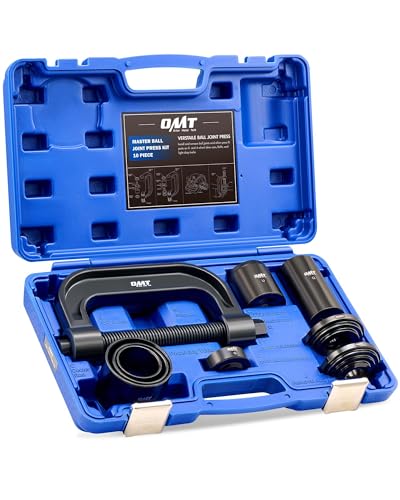
Choosing the right puller is important for easy removal. A puller grips the pump securely. It prevents damage to the pump and surrounding parts. There are different types of pullers available. Ensure to select one that fits your pump. Check the manual for recommendations. This helps in making the right choice.
Preparation Steps
Start by gathering the right tools, including a power steering pump puller. Ensure the vehicle is secure and engine off. Refer to the car's manual for specific instructions.
Preparing to use a tool to pull off a power steering pump involves several key steps. Each step ensures a smooth and safe process. You will need to focus on safety and gather the right supplies. This makes the task easier and more efficient.
Safety Precautions
Safety comes first in any mechanical task. Wear safety goggles to protect your eyes. Gloves are essential to keep your hands safe. Make sure the vehicle is on a flat surface. This prevents unwanted movement. Use wheel chocks to secure the vehicle in place. Disconnect the car battery to avoid electrical hazards. Always have a fire extinguisher nearby for emergencies.
Gathering Necessary Supplies
Having the right tools is crucial. First, get a power steering pump puller tool. This tool is specific for removing pumps. You will need a wrench set for loosening bolts. Have a drain pan ready to catch any fluid. A flashlight helps you see in tight spaces. Lastly, ensure you have replacement parts if needed. This saves time during reinstallation.
Step-by-step Removal Process
Easily remove a power steering pump with a specialized tool. Follow simple steps to ensure a smooth removal. This tool makes the process quick and hassle-free.
Removing a power steering pump might sound intimidating, but with the right tools and guidance, it can be a straightforward task. Whether you're a seasoned car enthusiast or a beginner, breaking down the process into manageable steps can make all the difference. Here's how you can efficiently and safely pull off a power steering pump using a puller tool.
Disconnecting The Battery
Before you dive into the mechanics, ensure safety by disconnecting the battery. This step is crucial to prevent any electrical accidents while you work. Simply locate the battery terminals and remove the negative cable using a wrench. This precautionary measure not only protects you but also your vehicle's electronic components. Have you ever started a car repair only to realize you've overlooked a basic safety step? Taking a moment to disconnect the battery can save you from unforeseen electrical issues.
Detaching Hoses And Belts
Next, focus on removing the hoses and belts connected to the power steering pump. Start by locating the power steering fluid reservoir and detaching the connected hoses. Use a catch pan to collect any leaking fluid and avoid a messy cleanup. Then, remove the serpentine belt by releasing the tensioner with a wrench or ratchet. This gives you clear access to the pump. Are you wondering why this step is important? Proper detachment prevents damage to hoses and ensures smooth reinstallation.
Using The Puller Effectively
Now, it's time to use the puller tool to remove the pump. Attach the puller to the pump's pulley, following the tool's instructions. Tighten the puller slowly and evenly to release the pump from its mounting. This tool is designed to make the removal process smooth and efficient. Ever felt stuck during a repair because you didn't have the right tool? The puller ensures you don't damage the pump or vehicle components. Once the pump is loose, carefully remove it from the engine bay. Remember, patience is key here. Are you ready to tackle your next car repair project with confidence? By understanding each step, you're well-prepared to handle this task like a pro.
Common Challenges
Removing a power steering pump can present many challenges. These challenges often lead to frustration and delays. Knowing these challenges helps in preparing better.
One common issue is the stubborn pump. Many pumps refuse to budge, even with effort. This can be due to rust or old age. Another challenge is avoiding damage to the surrounding components. The pump is often tightly integrated with other parts. Careless removal can lead to costly repairs.
Dealing With Stubborn Pumps
Stubborn pumps test patience and skill. These pumps may be rusted or tightly secured. Using the right tool is crucial. A quality puller can make a big difference. Ensure the tool is suitable for your vehicle model. Apply penetrating oil to loosen rusted parts.
Gently tap around the pump to break rust bonds. Avoid using excessive force. This can damage the pump or other parts. Patience and technique are key in this process. Allow time for penetrating oil to work.
Avoiding Damage To Components
Damage to nearby components is a common concern. The pump is often close to hoses and belts. Careful handling is essential to prevent harm. Secure all nearby parts before starting work. This reduces the risk of accidental damage.
Use a wrench or socket with care. Avoid contact with other components. Inspect all parts after removing the pump. Look for signs of stress or damage. Replace any damaged components to ensure safe operation.
Aftercare And Maintenance
After removing a power steering pump, proper aftercare is crucial. It ensures the vehicle's optimal performance and longevity. Skipping maintenance steps can lead to costly repairs. This section covers essential aftercare and maintenance tips.
Inspecting For Damage
Examine all components for visible wear or damage. Look for cracks, leaks, or corrosion. Check hoses and connections for any signs of wear. Replace any damaged parts immediately. This prevents future malfunctions. A thorough inspection saves time and money.
Ensuring Proper Reinstallation
Proper reinstallation ensures smooth vehicle operation. Align the pump correctly before tightening bolts. Secure all connections firmly. Use the correct torque settings for each bolt. Double-check each connection for leaks. This avoids unnecessary complications. Follow the vehicle's manual for specific guidelines.
Frequently Asked Questions
How Does A Power Steering Pump Tool Work?
A power steering pump tool helps remove the pump easily. It grips the pump securely for safe extraction. This tool minimizes damage risks during removal. Using it ensures a smoother and faster process. It's essential for efficient vehicle maintenance.
What Are The Benefits Of Using This Tool?
Using a power steering pump tool simplifies removal tasks. It saves time and effort by providing a secure grip. This tool reduces the risk of damaging surrounding components. It's a cost-effective solution for automotive repairs. Regular use can prolong the pump's lifespan.
Can I Use The Tool For All Vehicles?
Most power steering pump tools are universal. They fit various vehicle models and types. Always check compatibility before purchasing. Manufacturers provide specifications for supported vehicles. Using the correct tool ensures effective and safe pump removal.
Is It Easy To Operate The Tool?
Operating a power steering pump tool is straightforward. Most tools come with user-friendly instructions. They require minimal technical skills for effective use. Ensure a secure grip before removal. Following guidelines ensures a successful and safe extraction process.
Conclusion
Using the right tool simplifies pulling a power steering pump. It ensures safe and efficient work. This tool saves time and effort. No need for complex techniques. Make sure to follow the instructions carefully. This prevents damage and guarantees success.
The right equipment protects your vehicle. It also boosts confidence in your repair skills. Regular maintenance keeps your car running smoothly. Investing in quality tools pays off. Your car deserves the best care. Enjoy a smoother driving experience with proper equipment.
Stay informed and keep your vehicle in top condition.