Have you ever felt like your toolkit is missing something crucial? Maybe you’ve struggled with tools that just don’t pack enough punch.
Imagine having a tool that not only gets the job done but does so with impressive power and efficiency. A tool with a power system could be the game-changer you’ve been searching for. It promises to transform how you tackle tasks, making your work faster, easier, and more efficient.
By harnessing advanced technology, this tool offers a seamless blend of power and convenience. Curious to find out how it can revolutionize your toolbox and workflow? Keep reading to discover the incredible benefits and features that could completely redefine your experience.
The Evolution Of Power Tools
The evolution of power tools has transformed the way we work. From simple hand tools to advanced power systems, the journey is fascinating. These tools have made tasks easier, faster, and more efficient. With every advancement, productivity has soared, and safety has improved. Understanding this evolution helps us appreciate the technology we use today.
The Birth Of Electric Tools
Electric tools marked a significant shift in the industry. They offered consistent power and enhanced precision. Early models were basic but quickly gained popularity. The demand for faster and more reliable tools drove innovation. Soon, electric drills and saws became household staples.
Introduction Of Cordless Technology
Cordless technology changed the game. Freedom from cables meant greater mobility. Workers could move freely without worrying about cords. Batteries became smaller and more powerful. This innovation opened new possibilities for outdoor projects.
Advancements In Battery Life
Improved battery life extended work hours. Lithium-ion technology led the charge. These batteries hold more power and last longer. They recharge quickly, minimizing downtime. This advancement was a boon for professionals and DIY enthusiasts alike.
Integration Of Smart Features
Smart features are the latest trend. Tools now offer digital displays and connectivity. Users can track usage and optimize performance. This integration offers insights to improve efficiency. The future of power tools looks promising with these innovations.
Key Features Of Modern Power Systems
Modern power systems in tools have transformed how we approach tasks, providing reliability and efficiency in our everyday projects. If you've ever found yourself frustrated with a tool that loses power halfway through a job, you'll appreciate the advancements in power technology. Let's dive into the key features that make these systems stand out.
Advanced Battery Technology
Imagine working on a project without the constant worry of your tool's battery dying unexpectedly. That's what advanced battery technology offers. Tools now come equipped with long-lasting lithium-ion batteries, ensuring that you get more runtime without frequent recharges. As someone who enjoys weekend DIY projects, I can tell you that the ability to finish a task without interruption is invaluable. Have you considered how much time you could save with a dependable battery?
Smart Connectivity
Would you like your tool to tell you when it's time to charge or if it's operating efficiently? With smart connectivity, your tools can do just that. Many modern power systems now feature Bluetooth or Wi-Fi capabilities, allowing you to connect them to your smartphone. You can monitor battery life, adjust settings, and even receive maintenance alerts. It's like having an assistant by your side, ensuring your tasks are completed smoothly. What innovative features would you want your tool to have?
Enhanced Safety Mechanisms
Your safety should never be an afterthought, especially when using power tools. Enhanced safety mechanisms are now a staple in modern tools, protecting you from accidents and injuries. Features such as automatic shutoff, overheat protection, and non-slip grips are common. As someone who once dropped a tool due to a sweaty grip, the non-slip feature is a game-changer for me. How safe do you feel when using your current tools?
With these advancements, tools are not just becoming more powerful, but also smarter and safer. Next time you pick up a power tool, consider how these features could enhance your experience. Are you ready to make your projects more efficient and safer?
Impact On Productivity
Using a tool with a power system can boost productivity significantly. The right tool can help complete tasks faster and with less effort. It ensures precision and reduces the risk of errors. These benefits make such tools essential for many professionals.
Time-saving Capabilities
Power tools can save time in various ways. They perform tasks quicker than manual tools. This efficiency means you can finish projects ahead of schedule. Saving time on tasks allows you to focus on other important activities.
Precision And Accuracy
Power tools provide a high level of precision. They help you achieve the exact results you need. Accurate work reduces waste and improves quality. This precision is crucial for projects where details matter.
Reduced Physical Strain
Using power tools reduces physical strain on the body. Manual tasks require more effort and can cause fatigue. Power tools do the hard work for you, lessening the physical demand. This can lead to fewer injuries and longer work periods.
Applications Across Industries
Power tools are essential across various industries due to their efficiency. These tools reduce manual effort and enhance precision, benefiting multiple sectors. Their versatile nature allows them to adapt to different tasks, making them indispensable.
Construction And Engineering
In construction, power tools shape the skyline. They cut, drill, and assemble structures. Engineers rely on them for precise measurements and adjustments. These tools help complete projects faster and ensure safety. Workers use drills and saws for efficient building. Engineers use laser tools for accuracy.
Automotive And Manufacturing
In automotive, power tools assemble vehicles swiftly. They tighten bolts and nuts, ensuring safety. Manufacturers use them for mass production. These tools reduce time and improve consistency. Assembly lines depend on power tools for speed. They ensure each product meets quality standards.
Home Improvement And Diy
Power tools transform home improvement projects. DIY enthusiasts use them for crafting and repairs. They simplify tasks like drilling and cutting. Homeowners use them for renovations. They offer precision and ease for creative projects. These tools make DIY accessible for all skill levels.
Environmental Considerations
Power tools offer convenience and efficiency. But environmental impact matters. Users seek eco-friendly options. A tool with a power system can be environmentally responsible. Considerations include energy efficiency, materials, noise, and emissions.
Energy Efficiency
Energy-efficient tools consume less power. They reduce electricity bills and conserve resources. Opt for tools with advanced power systems. These systems optimize energy use. Features like auto shut-off help save energy. Check for energy-efficient certifications. These indicate reduced energy consumption.
Sustainable Materials
Sustainable materials lessen environmental harm. Tools made from recycled materials are ideal. They reduce waste and resource depletion. Look for durable materials. They extend a tool's life. This minimizes landfill contributions. Tools with replaceable parts also support sustainability.
Noise And Emission Reduction
Less noise means a quieter environment. Choose tools designed for low noise levels. This benefits users and neighbors. Emission reduction is crucial too. Electric tools often emit less than gas-powered ones. Prioritize tools with advanced emission controls. These keep air cleaner and healthier.
Future Trends In Power Systems
Exploring future trends in power systems reveals innovative tools enhancing efficiency and sustainability. These tools optimize energy management, enabling smarter grids and renewable integration. They promise to reshape energy landscapes, offering improved reliability and performance.
As technology evolves, power systems are becoming more sophisticated, offering greater efficiency and connectivity. These advancements are not just about more power, but smarter power. Tools with advanced power systems are setting new standards for convenience and innovation. With various industries pushing the boundaries of what these tools can achieve, it is essential to look at the future trends shaping this landscape.
Integration With Iot
The Internet of Things (IoT) is transforming the way power systems interact with their environment. Imagine a tool that can communicate with other devices in your workspace. It can adjust its power settings based on the tasks you're performing. This connectivity allows for smarter energy use, minimizing wastage. You can monitor and control your tools remotely, enhancing both productivity and safety. Have you considered how these tools could streamline your daily tasks?
Artificial Intelligence In Tools
Artificial Intelligence (AI) is making tools more intuitive and user-friendly. AI-enabled tools can learn from your usage patterns. They adapt their performance to suit your needs, offering personalized efficiency. For instance, if a tool senses it's being used for a delicate task, it can automatically adjust its power to prevent damage. This intelligent adaptation not only saves energy but also extends the lifespan of your tools. Could AI be the key to unlocking a more efficient work environment for you?
Next-generation Power Sources
The quest for sustainable energy has led to the development of next-generation power sources. Tools are increasingly using batteries that last longer and charge faster. Some are even exploring renewable energy options. Imagine never having to worry about running out of power mid-task. These innovations promise not just convenience but also a reduced carbon footprint. What impact could these advancements have on your environmental responsibilities? As you consider these trends, think about how they might influence the tools you choose. The future of power systems is not just about keeping up with technology; it's about embracing tools that work smarter for you.
Choosing The Right Power Tool
Selecting the ideal power tool depends on its power system. Consider options like corded or battery-powered for efficiency. Each has unique benefits. Corded tools often offer continuous power, while battery-powered ones provide mobility and flexibility for various tasks.
Choosing the right power tool can feel overwhelming, especially with the countless options available today. But finding the perfect fit for your project doesn’t have to be a daunting task. By understanding your needs and evaluating the critical factors, you can make a smart decision that enhances your work efficiency and satisfaction.
Assessing Project Needs
Before you dive into the world of power tools, consider what you plan to achieve. Are you building a deck, or simply hanging a few pictures? Different projects require different tools. Understanding the specific requirements of your project can help you narrow down your options. Think about the material you’ll be working with. Wood, metal, and plastic each demand unique tool capabilities. This step ensures you won’t buy something that doesn’t fit your needs.
Evaluating Tool Specifications
Once you've outlined your project, examine the specifications of potential tools. Look at power output, speed settings, and ease of use. If you're tackling heavy-duty tasks, a tool with higher power is crucial. For precision tasks, adjustable speed settings are beneficial. Consider the tool's weight and ergonomics. A lightweight tool can prevent fatigue during extended use, improving your overall experience.
Understanding Brand Reliability
Brand reliability should not be overlooked. A well-known brand often offers better quality and customer support. Research user reviews and ratings. They provide real-world insights into a tool's performance and durability. Have you ever bought a tool that failed to live up to its promises? Ensuring brand reliability can prevent such disappointments, giving you peace of mind with your purchase. Choosing the right power tool is more than just picking the first one you see. It’s about making a thoughtful choice that suits your project and aligns with your expectations. What considerations are most important to you when selecting a power tool?
Maintenance And Care
Regular upkeep ensures a tool with a power system stays efficient and safe. Clean it after each use. Check connections and parts for wear. Proper storage prevents damage. Follow manufacturer instructions for best results.
Maintaining a tool with a power system is crucial to ensuring its longevity and performance. Proper maintenance and care not only extend the life of your tool but also improve its efficiency. By taking the time to regularly check, store, and troubleshoot your tool, you can avoid costly repairs and downtime.
Routine Checks And Servicing
Regular inspections are the backbone of tool maintenance. Think about the last time you checked the oil level in your car. Your power tool deserves the same attention. Make it a habit to inspect the power cord for any wear and tear. Look for loose screws or bolts that might need tightening. Schedule a monthly deep clean to remove dust and debris that can affect performance.
Proper Storage Solutions
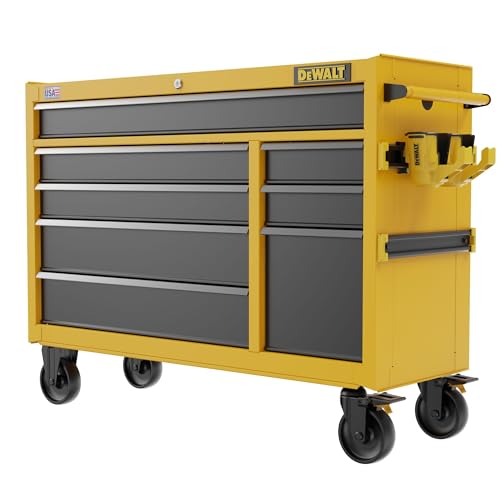
How you store your tool affects its lifespan. Storing your tool in a damp garage can lead to rust and corrosion. Instead, keep it in a dry, cool place. Consider investing in a sturdy toolbox or cabinet. Ensure the storage area is organized, so the tool is easily accessible without the risk of falling or being damaged.
Troubleshooting Common Issues
Encountering issues is normal, but knowing how to fix them makes all the difference. Is your tool not starting? Check the power source first. If it overheats, let it cool down and check for blockages. Strange noises could indicate a need for lubrication or part replacement. Keep a troubleshooting guide handy, or better yet, create your own as you learn from experience. Taking care of your tool doesn't have to be a daunting task. With routine checks, proper storage, and a bit of troubleshooting know-how, you'll keep your tool running smoothly. What maintenance habits can you start today to protect your investment?
Frequently Asked Questions
What Is A Power System In A Tool?
A power system in a tool refers to how it receives and uses energy. It can be electric, battery-operated, or pneumatic. Each type offers different advantages, such as portability or continuous power supply. Understanding the power system helps in choosing the right tool for your needs.
How Does A Tool's Power System Impact Performance?
A tool's power system directly affects its efficiency and capability. Electric tools often deliver consistent power, ideal for heavy-duty tasks. Battery-operated tools provide portability but may need frequent charging. Choosing the right system ensures optimal performance for specific tasks and environments.
Can A Tool's Power System Be Upgraded?
Yes, upgrading a tool's power system is possible in some cases. You can switch batteries for more capacity or replace motors for better efficiency. However, compatibility is crucial. Always check the manufacturer's guidelines before attempting any upgrades to ensure safety and functionality.
Which Tool Power System Is Most Eco-friendly?
Battery-operated tools are generally considered more eco-friendly. They often utilize rechargeable batteries, reducing waste and energy consumption. Innovations in battery technology continue to improve efficiency and sustainability. Choosing tools with energy-efficient systems can significantly lower environmental impact.
Conclusion
A tool with a power system makes tasks more efficient. It saves time and effort. Users enjoy increased productivity. This tool caters to various needs. It enhances work quality remarkably. People find it reliable and effective. Its features support diverse applications.
With it, tough jobs become manageable. Investing in this tool is wise. It promises consistent performance. Users trust its functionality and design. Adaptability ensures it suits different tasks. Its power system truly impresses. Consider it for your next project.