Picture this: you've just experienced a minor workshop mishap, and now some of your beloved hand tools have been singed by unexpected flames. It’s a gut-wrenching moment for any DIY enthusiast or professional.
You might find yourself asking, “Are these burnt tools still usable, or should I toss them and start anew? ” This question not only tugs at your wallet but also at the heartstrings of anyone who cherishes their trusty tools.
We’ll dive into the surprising truth about the resilience of burnt hand tools. You’ll discover what really happens to the integrity and functionality of tools exposed to fire. Before you make any decisions, let’s explore whether these charred companions can still serve you well or if they’re destined for the scrap heap. Stay tuned to learn how you can potentially save money and keep your favorite tools in action.
Effects Of Heat On Metal
Hand tools exposed to heat can undergo significant changes. The effects of heat on metal are complex, impacting various properties. Understanding these changes is essential to determine if burnt tools remain usable.
Structural Integrity
Heat affects the structural integrity of metal. High temperatures can lead to warping or bending. This happens as the metal expands unevenly, causing distortions. Such changes might make tools less reliable. They could fail under pressure or heavy use. Inspect tools carefully to check for visible changes in shape.
Metal Hardness Changes
Heat alters the hardness of metal. Exposure to extreme temperatures can soften metal. This process, known as annealing, reduces durability. Softer metal may wear out faster or become damaged easily. Conversely, rapid cooling can make metal brittle. Brittle tools are prone to cracking or breaking during use. Assess hardness changes to ensure tool effectiveness.
Common Hand Tools And Heat Resistance
Hand tools are essential in everyday tasks. They often face extreme conditions. Heat is one of these conditions. Understanding heat resistance in hand tools is important. It ensures safety and tool longevity. Some tools handle heat better than others. Knowing which tools can withstand heat helps in maintaining their efficiency. Let’s explore the heat resistance of common hand tools.
Wrenches And Spanners
Wrenches and spanners are often used near heat. They are usually made of steel alloys. These alloys provide some heat resistance. But excessive heat can weaken them. Heat can cause metal to expand. This may alter the tool's shape. Warped tools are less effective. Inspect tools for any heat damage before use. Regular checks ensure they remain safe and functional.
Screwdrivers
Screwdrivers often have metal shafts and plastic handles. The metal part can withstand moderate heat. But extreme heat can warp it. Plastic handles are more vulnerable to heat. They may melt or deform. This affects grip and usability. Always store screwdrivers away from heat sources. Proper storage extends their life and maintains safety.
Pliers
Pliers are versatile and commonly used tools. They come in direct contact with heat in some tasks. Most pliers are made of heat-treated steel. This offers some protection against heat. Yet, excessive exposure can still cause damage. Heat can affect the tool's alignment. Check pliers regularly for any signs of wear. Proper maintenance ensures they remain reliable.
Assessing Damage And Usability
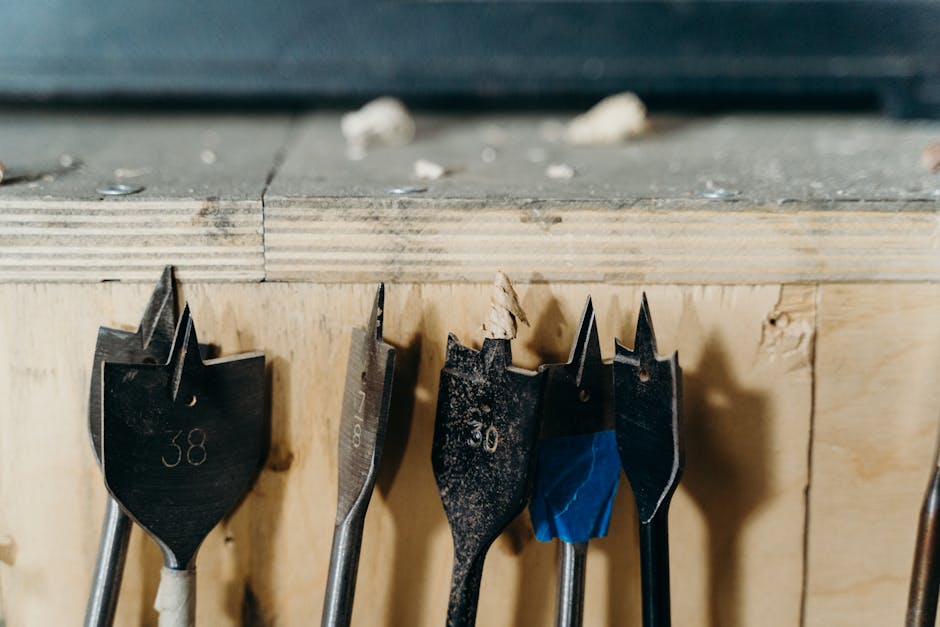
Fire can weaken hand tools, affecting their strength and usability. Check for warping or discoloration on metal parts. Wood handles might crack or splinter after being burnt.
When your beloved hand tools have been through a fire, the burning question is—are they still usable? It’s important to assess the damage carefully to ensure safety and functionality. A burnt tool might still serve you well, but understanding how to evaluate it is key to making that decision.
Visual Inspection
Begin with a thorough look over your tools. Check for obvious signs of damage like warped metal, cracked wooden handles, or melted plastic parts. A simple visual inspection can reveal if a tool has suffered irreparable harm. Are there signs of rust or corrosion that weren't there before? This might indicate that the tool was exposed to high heat and moisture. Inspect the tool's structure. Does the tool still look like it can perform its intended function? If anything seems off, set it aside for further testing.
Functionality Tests
Once you've visually inspected the tool, see if it still works as intended. A hammer, for instance, should still be able to drive nails without the head wobbling. Test a screwdriver to ensure the tip hasn't been damaged and still grips screws effectively. If a wrench has been burnt, check whether it still adjusts smoothly. Think about how you usually use the tool. Does it still feel safe and comfortable in your hand? Sometimes, even if a tool looks fine, using it can reveal hidden issues. Assessing burnt tools can be tricky. Have you ever salvaged a tool you thought was beyond repair? How did you evaluate its usability?
Repair Or Replace: Making The Decision
Burnt hand tools often raise a critical question. Should they be repaired or replaced? This decision can impact your budget and safety. Understanding the factors involved helps make an informed choice. Let's explore the key aspects to consider.
Cost Analysis
Repairing a burnt tool can be cheaper than buying new. Examine repair costs carefully. Consider the extent of damage and parts needed. Sometimes, repairs may exceed the tool's value. Check warranties if applicable. Compare repair costs with replacement prices.
Safety Considerations
Safety should be a top priority. Burnt tools can compromise safety standards. Inspect tools for structural damage. Look for signs of weakened materials. Evaluate if repairs restore full safety. Consider risks of using repaired tools. If unsure, replacement may be safer.
Preventing Damage To Hand Tools
Hand tools are essential for many tasks. Their durability matters. Damaged tools can lead to accidents. Proper care ensures they last longer. This means fewer replacements. It also means safer projects.
Protecting hand tools from damage is key. Two factors often cause harm: improper storage and heat. By addressing these, tools remain in top condition. Let's explore how to prevent this damage.
Proper Storage Tips
Store tools in a dry place. Moisture leads to rust. Use toolboxes or cabinets. They provide protection from dust. Keep tools organized. This prevents accidental drops or falls. Shelves are useful. They keep heavier tools secure.
Label storage areas. Easy access reduces tool mishandling. Use foam or padding. It cushions delicate parts. Ensure storage areas are well-ventilated. This prevents moisture buildup. Regularly check tools for signs of wear. Early detection saves tools.
Heat Exposure Precautions
Avoid leaving tools in direct sunlight. Excessive heat weakens materials. This can affect a tool's performance. Keep tools away from heat sources. Ovens, stoves, or heaters can cause damage. Use insulated bags for transport. They help maintain a stable temperature.
Be mindful of the environment. Warm areas need extra care. Regularly inspect tools for heat damage. Check for warping or discoloration. Replace damaged tools promptly. This ensures safety during use.
Expert Opinions On Burnt Tools
When tools are accidentally exposed to fire or extreme heat, you might wonder if they're still usable. Expert opinions can offer valuable insights into this dilemma. Understanding what professionals say about burnt tools can help you make informed decisions about whether to keep or replace them. You might be surprised by the perspectives of those who work with tools daily.
Metalworking Professionals
Metalworking experts often emphasize the importance of the tool's material. Heat can change the properties of metal, affecting its strength and durability. If you've ever seen a burnt tool, you may notice a change in color or texture.
Professionals suggest checking for warping or brittleness. A quick test could be simply holding the tool to see if it feels different. If you notice any changes, consider consulting an expert before using it.
They also advise on re-tempering tools, which can restore functionality. Have you ever tried re-tempering a tool yourself? It might be worth a shot if the tool is valuable to you.
Tool Manufacturers
Manufacturers have unique insights into the resilience of tools. They often conduct extensive testing to ensure safety and performance. If you've ever reached out to a manufacturer, you know how detailed their advice can be.
Many manufacturers offer guidelines on handling heat-damaged tools. Some may recommend replacing certain types of tools, like those with plastic or composite components. Is your tool covered under warranty? It's worth checking, as some companies might offer replacements.
Manufacturers might also provide repair services. Imagine having your tool restored to its original condition—it's possible with the right support. Consider contacting the manufacturer if your tool is significant or costly.
Ultimately, expert opinions suggest a cautious approach to using burnt tools. Would you risk using a tool that might fail during a critical task? Evaluate your options carefully to ensure safety and efficiency in your work.
Frequently Asked Questions
Can Burnt Hand Tools Be Repaired?
Burnt hand tools can often be repaired, depending on the extent of the damage. Minor burns may only require cleaning or replacement of parts. However, severe damage might compromise the tool's structural integrity, making it unsafe. It's essential to assess the tool thoroughly before attempting any repairs or continued use.
What Affects The Usability Of Burnt Hand Tools?
The usability of burnt hand tools depends on several factors, including the extent of the burn, the material of the tool, and any damage to essential components. Tools made from high-quality materials are more likely to withstand damage. Regular inspection and maintenance can also help ensure they remain usable.
How To Assess Burnt Tools For Damage?
To assess burnt tools, first, visually inspect for any visible damage, like warping or cracks. Check for compromised areas, especially around joints and handles. Test the tool in a controlled environment to ensure its functionality. If unsure, consult a professional to determine if it's safe to use.
Are Burnt Metal Tools Still Safe?
Burnt metal tools can remain safe if the burn hasn't affected their structural integrity. Inspect for warping, cracks, and weakened areas. If the tool has maintained its shape and strength, it might still be usable. Always test the tool cautiously before regular use to ensure safety.
Conclusion
Burnt hand tools can still be useful. Check for damage first. Some tools need professional repair. Others might be safe with minor fixes. Always prioritize safety. Rust and melted parts are red flags. Replace severely damaged tools. Regular maintenance extends tool life.
Store tools in a dry, safe place. Inspect them often. Burnt tools can surprise you. They might still work well. Don't rush to throw them away. With care, many can be saved. Your toolkit depends on attention. Keep it in good shape for future tasks.