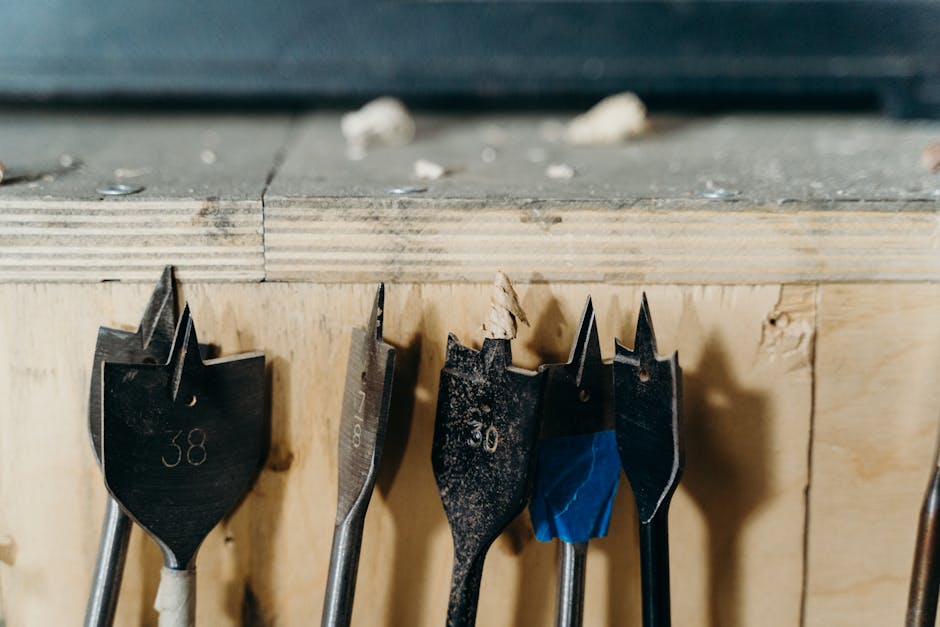
Have you ever stumbled upon a dusty toolbox in your garage or inherited a collection of old hand tools from a relative? You might wonder if these vintage tools hold any value beyond their sentimental worth.
Could they actually be worth something significant in today’s market? The answer might surprise you. Whether you're a collector, a DIY enthusiast, or simply curious, exploring the value of old hand tools can be both exciting and rewarding. You’ll discover why these seemingly ordinary items could be hiding extraordinary value, both financially and historically.
Stick around to learn how you can turn your forgotten tools into treasures.
The Appeal Of Old Hand Tools
Old hand tools carry a unique charm that goes beyond their practical uses. They are tangible pieces of history, often reflecting craftsmanship from bygone eras. Many collectors and enthusiasts find immense value in these tools. Their appeal lies not just in functionality but also in the stories they tell.
These tools can often evoke nostalgia, reminding one of simpler times. They showcase the artistry and skill of craftspeople who shaped industries. Their durability and design speak volumes about the era they originated from.
The Craftsmanship Behind Old Hand Tools
Old hand tools exhibit exceptional craftsmanship. Artisans designed each tool with precision. They used materials meant to last generations. Many of these tools were handmade, showcasing individual skill and care.
The craftsmanship involved reflects dedication to quality. These tools were built to withstand the test of time. The attention to detail is unmatched in today's mass-produced items.
Historical Significance Of Vintage Tools
Vintage tools hold historical significance. They offer insights into past manufacturing techniques. They reveal the evolution of technology and design. Collecting these tools connects us to our heritage.
Each tool has a story. It tells of the era it was crafted in. This historical value attracts collectors and historians alike.
The Aesthetic Appeal Of Antique Tools
Antique tools have a distinct aesthetic appeal. They often feature intricate designs. Their worn surfaces and patina add character. These tools are not just functional; they are pieces of art.
Their visual appeal makes them desirable for decor. Many people display them as conversation starters. The rustic charm of these tools enhances any space.
Functionality And Utility Of Classic Hand Tools
Classic hand tools offer remarkable functionality. Many still perform tasks they were designed for. Their simple mechanisms make them reliable. Craftspeople value these tools for their efficiency.
They are useful in woodworking, metalworking, and various crafts. Their continued utility proves their timeless design and construction.
Historical Significance
Old hand tools offer more than just practical use. They have deep historical significance, connecting us to past generations. These tools tell stories of craftsmanship and human innovation. Collectors and historians find immense value in them. They reflect the evolution of technology and labor practices.
Historical Insights
Old hand tools reveal much about history. They show how people worked and lived. Each tool has unique marks and wear. These marks tell tales of use in various trades. They give insight into the daily lives of past workers. Tools from specific eras highlight shifts in technology.
Craftsmanship And Artistry
Craftsmanship in old hand tools is unmatched. Artisans crafted them with great skill. Each piece was designed for precision and durability. These tools display the artistry and dedication of their makers. Their intricate designs often reflect cultural influences of their time.
Connection To Ancestry
Old hand tools create a link to our ancestors. They were used by those who built our world. Owning a tool from the past is like holding a piece of history. It connects us to the hands that shaped our present.
Cultural Heritage
These tools are part of our cultural heritage. They represent the skills and techniques passed through generations. Studying them helps preserve traditional practices. It also honors the legacy of the craftspeople who used them.
Quality And Craftsmanship
Old hand tools are cherished for their quality and craftsmanship. Each tool tells a story, reflecting the skill of its maker. These tools are often made from sturdy materials, designed to last. Their durability is unmatched, unlike many modern tools.
Quality Materials
Vintage hand tools often use high-grade steel and solid wood. This ensures they stand the test of time. Modern tools may use cheaper materials. They might not last as long. Old tools are often hand-forged, adding value and strength.
Attention To Detail
Craftsmen paid attention to every detail. They carved handles for comfort and grip. Each tool was a product of care and skill. This attention to detail makes them unique and valuable. Today, such craftsmanship is rare.
Unique Designs
Old tools feature unique designs tailored to specific tasks. Many have hand-engraved markings, showcasing the artisan's touch. These designs are often intricate, making each tool a work of art. Such uniqueness is appreciated by collectors and enthusiasts.
Many old tools have historical significance. They represent technological advances of their era. Each tool reflects the cultural context in which it was made. This historical aspect adds to their worth, both financially and sentimentally.
Functional Value
Despite their age, many old hand tools remain functional. They can perform tasks just as well as modern tools. Their design often allows for easy maintenance and repair. This makes them practical for everyday use.
Collector's Market
Old hand tools often hold significant value in the collector's market. Many enthusiasts seek these tools for their unique craftsmanship and history. Their worth can vary greatly, depending on rarity and condition.
The collector's market for old hand tools is a treasure trove of history and craftsmanship. Enthusiasts find immense joy in discovering and preserving these relics of the past. Whether it's a vintage Stanley plane or an antique chisel, each tool tells a story of its own. Collectors often reminisce about their first find—like stumbling upon a rare hand saw at a garage sale for just a few dollars. This thrill of the hunt is what keeps the market vibrant and engaging. But what exactly makes certain hand tools so desirable?
Popular Tools Among Collectors
Some tools are more coveted than others. Stanley planes, especially those from the early 1900s, are frequently sought after. Disston saws are another favorite. Their quality and durability have stood the test of time. Many collectors also admire vintage chisels, particularly those with unique handles or markings. Each tool carries a piece of history, increasing its charm and appeal.
Factors Influencing Tool Value
Several factors can affect the value of old hand tools. Condition is paramount. A well-preserved tool can fetch a higher price than one in poor shape. Rarity plays a crucial role too. Limited edition tools or those from defunct manufacturers often attract higher bids. The brand is another significant factor. Tools from renowned makers like Stanley or Disston typically hold their value better. As a collector, you might wonder if the tools you own are valuable. Consider these factors and do some research. You might be sitting on a hidden gem. Have you ever found an old tool and wondered about its worth? Share your stories or questions in the comments below. Your experiences could guide others in the community.
Practical Use In Modern Times
Old hand tools hold a special charm in today's world. Many wonder about their relevance now. These tools offer more than just nostalgia. They serve practical purposes even today. Whether in workshops or home projects, these tools stand their ground. Let's explore their continued value in modern times.
Durability And Reliability
Older hand tools are built to last. Their construction uses high-quality materials. This means they can withstand hard use. Modern tools sometimes lack this strength. Many craftsmen trust these older tools more. They know these tools will not fail easily. Their reliability remains unmatched by some newer options.
Preference For Handcrafted Work
Many people enjoy creating things by hand. Old tools provide a unique experience. They allow for precise control over each task. This appeals to those crafting furniture, art, or other items. Handcrafted work has a special touch. It feels personal and unique. Old tools enhance this process, making each creation special.
Identifying Valuable Tools
Old hand tools can hold surprising value. Many collectors seek unique pieces for their historical charm and craftsmanship. Understanding tool history and rarity often reveals their worth beyond mere functionality.
Identifying valuable old hand tools can be both a hobby and a rewarding venture. Many people find pleasure in discovering hidden gems within their collection or at flea markets and garage sales. Whether you're a seasoned collector or a newbie, knowing what to look for can make all the difference in determining the worth of these tools.
Recognizing Brand And Maker Marks
Brand and maker marks are often the key to identifying valuable tools. These marks can tell you a lot about the tool's origin and its potential worth. Look for stamps or engravings on the tool. Names like Stanley, Disston, or Marples often signify quality and can increase the tool's value. Sometimes, lesser-known makers have produced high-quality tools that are sought after by collectors. Keep an eye out for unusual names that might surprise you.
Assessing Condition And Completeness
The condition of a tool plays a significant role in its value. A tool in pristine condition will be worth more than one that's damaged or rusty. Examine the tool closely. Look for cracks, chips, or missing parts. Even a tool with some wear can be valuable if it's rare or highly sought after. Consider completeness. A tool with its original box or additional parts can be worth significantly more. Imagine finding an old hand drill with all its bits intact—it can be a collector's dream! Do you have any old hand tools lying around? Take a closer look. You might discover a treasure hiding in plain sight!
Restoration And Preservation
Restoration and preservation of old hand tools can be a rewarding endeavor, offering a blend of historical appreciation and practical functionality. As you breathe new life into these vintage pieces, you're not just maintaining their physical state but also preserving the stories they carry. Whether you're a seasoned collector or a curious beginner, understanding the nuances of restoration can significantly enhance both the value and sentimental worth of your tools.
Techniques For Cleaning And Repairing
Start with gentle cleaning techniques to avoid damaging the tool's original patina. A simple mixture of soap and water can remove surface grime without being abrasive. Always test cleaning solutions on a small area first.
For rust removal, consider using white vinegar or a rust eraser. These methods are effective yet delicate enough to maintain the integrity of the metal. Avoid harsh chemicals that might strip away the metal's natural luster.
When repairing broken parts, glue can be your best friend. Epoxy resins offer strong adhesion, making them ideal for wood repairs. For metal components, welding or soldering might be required, although they demand specific skills.
Balancing Restoration With Originality
The challenge lies in knowing how much restoration is too much. Do you aim for a showroom finish or retain some wear that adds character? This balance can affect both the tool's value and its authenticity.
Consider how much of the original material you want to keep. Removing too much can make the tool lose its vintage appeal. A gentle polish can enhance its beauty without erasing its history.
Ask yourself: Does the tool need to function perfectly, or is its aesthetic enough? Sometimes, preserving a non-functioning tool can be more valuable if it holds historical significance. Remember, every scratch and dent might tell a story worth preserving.
Investment Potential
Old hand tools are more than just relics of the past. They hold significant investment potential. Many collectors and enthusiasts see them as valuable assets. These tools often come with rich histories and craftsmanship. Over time, their value can increase, offering substantial returns.
Market Trends And Future Value
The market for vintage hand tools is steadily growing. Interest in traditional craftsmanship fuels demand. Collectors seek tools with unique features and provenance. Auction houses report rising prices for rare items. Experts predict continued appreciation in tool values. As nostalgia for handmade items grows, so does interest in old tools. This trend suggests promising future value for collectors.
Tips For New Collectors
Start with research on tool types and makers. Learn about reputable brands and their history. Attend auctions and estate sales to find hidden gems. Look for tools in good condition with original parts. Join collector groups to gain insights and share knowledge. Document your purchases to track provenance and value. Stay informed on market shifts to make wise investments.
Frequently Asked Questions
What Makes Old Hand Tools Valuable?
Old hand tools are valued for their craftsmanship and durability. They often feature high-quality materials and unique designs. Collectors and woodworkers appreciate their historical significance and utility. The rarity and condition of the tool can also significantly enhance its value.
How To Identify Valuable Old Hand Tools?
To identify valuable tools, examine their condition, brand, and age. Look for signs of quality craftsmanship and unique features. Researching the tool's history and consulting with experts or collectors can also help determine its value.
Where To Sell Old Hand Tools?
You can sell old hand tools online through platforms like eBay or Etsy. Local antique shops and flea markets are also good options. Engaging with collector groups or forums can provide insights and potential buyers.
Are Old Hand Tools Better Than New Ones?
Old hand tools often boast superior craftsmanship and materials. Many enthusiasts believe they offer better durability and performance. However, modern tools can provide enhanced precision and ease of use. The choice depends on personal preference and specific needs.
Conclusion
Old hand tools hold more than just monetary value. They're pieces of history. Each tool tells a story from the past. Collectors and enthusiasts find joy in them. Some tools might fetch high prices. Others, just sentimental value. Maintenance is key to preserving their worth.
Always check condition and rarity before buying or selling. Old tools can be a rewarding investment. A personal treasure, and a connection to craftsmanship. Whether for use or collection, they’re worth exploring. Discover the charm and potential these tools hold.
A journey through time, right in your hands.