Have you ever stood in the tool aisle, staring at rows of saw blades, and wondered, "Are saw blades hand tools?" You're not alone.
It's a question that has puzzled many DIY enthusiasts and seasoned craftsmen alike. Understanding what truly defines a hand tool can be both enlightening and practical, especially if you're looking to expand your toolbox with the right equipment. We’ll unravel this mystery and give you a fresh perspective on the humble saw blade.
You might find that this knowledge not only sharpens your understanding but also your DIY skills. Prepare to discover insights that could transform the way you approach your next project. Curious? Let’s delve into the world of saw blades and redefine what you know about hand tools.
Definition Of Hand Tools
Understanding the definition of hand tools is crucial in distinguishing them from power tools, especially when discussing saw blades. Hand tools are implements used manually to carry out tasks such as cutting, shaping, and assembling. These tools rely solely on human effort, requiring no additional power source like electricity or batteries.
Hand tools have been around for centuries, aiding craftsmen in creating everything from simple furniture to intricate sculptures. They are admired for their simplicity and reliability. Imagine using a hammer or a screwdriver; the control is entirely in your hands, offering precision that machines sometimes can't match.
Hand tools are essential in many fields, from carpentry to plumbing. They offer versatility and are often more affordable than their powered counterparts. You can take them anywhere, and they won't let you down when electricity fails.
Are Saw Blades Hand Tools?
Saw blades are intriguing because they can be part of both hand tools and power tools. A hand saw, equipped with a blade, is a quintessential hand tool. You provide the energy, guiding the blade through the material with your strength and skill.
When you use a hand saw, you feel every cut, every resistance, and every smooth glide. It connects you to your work intimately. But, can you imagine cutting a thick piece of wood without the aid of power tools? It's challenging but rewarding.
Practical Uses Of Hand Tools
Hand tools, including saw blades, are invaluable for small-scale projects. Whether you're crafting a birdhouse or repairing a piece of furniture, they offer the finesse needed for delicate operations. No need for a bulky setup; just grab your tool and get to work.
Hand tools also excel in environments where precision is paramount. They allow you to make adjustments on the fly, correcting mistakes with ease. Have you ever tried making a quick fix with a power tool? It often requires more preparation and caution.
Advantages Of Hand Tools
Hand tools provide unmatched control. You dictate every movement, allowing for a more personal touch to your projects. This level of control can be particularly advantageous when working with intricate designs or fragile materials.
Moreover, hand tools encourage learning and skill development. They demand your attention and expertise, pushing you to refine your techniques. Would you rather have the machine do all the work, or would you prefer mastering the art yourself?
Challenges With Hand Tools
While hand tools offer many benefits, they also pose challenges. They require more physical effort, which can be taxing over long periods. Cutting through hard materials with a hand saw can be exhausting. Have you ever felt the strain after a long session of manual sawing?
Additionally, hand tools might not be suitable for large-scale projects where time is a constraint. In such cases, power tools can significantly speed up the process, though sometimes at the cost of precision.
In conclusion, hand tools, including saw blades, offer a unique blend of control, skill-building, and portability. They remain a vital part of many trades, proving that sometimes, simplicity is key. Are you ready to embrace the world of hand tools and experience the craftsmanship firsthand?
Types Of Saw Blades
Saw blades come in various types, each suited for specific tasks. Understanding these types helps in selecting the right tool for the job. This section will explore some common saw blades used in hand tools.
Circular Saw Blades
Circular saw blades are round and rotate to cut materials. They are perfect for straight, precise cuts in wood, metal, or plastic. The teeth on the blade's edge determine the cut's finish. More teeth give a smoother finish, while fewer teeth cut faster.
Reciprocating Saw Blades
Reciprocating saw blades move back and forth rapidly. These blades are ideal for demolition and rough cuts. They can cut through wood, metal, and even plaster. Different blades are available for specific materials and tasks.
Band Saw Blades
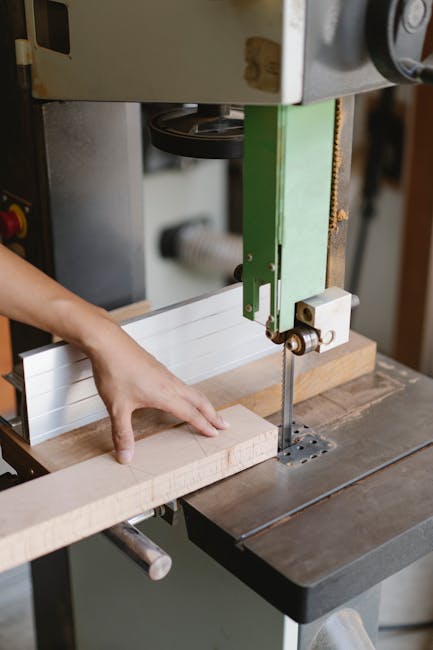
Band saw blades are long and flexible, forming a loop. They are used in band saws to cut curves and irregular shapes. These blades are great for cutting thick materials like wood, metal, and plastic. The blade's width affects its ability to cut curves.
Characteristics Of Hand Tools
Hand tools have distinct characteristics that make them essential for various tasks. They are simple, effective, and require no electricity to operate. These tools are indispensable for craftsmen and DIY enthusiasts alike. Saw blades, often considered hand tools, share many of these traits.
Portability
Hand tools are portable and easy to carry. They fit into toolboxes and pockets, making them convenient for on-the-go tasks. No need for heavy equipment or complicated setups. Just grab and go.
Manual Operation
Hand tools work without the need for power sources. They rely on human effort and skill. This allows for precise control and adjustments. Users can vary the pressure and speed based on the task. Manual operation also promotes safety, reducing accident risks.
Saw Blades In Hand Tool Context
Saw blades are essential in woodworking and construction. They cut through various materials. In the hand tool context, saw blades offer precision and control. Craftsmen rely on them for detailed work. Understanding their role enhances productivity and craftsmanship.
Traditional Hand Saws
Traditional hand saws are timeless tools. They include the hacksaw and the crosscut saw. Each has a specific purpose. The hacksaw cuts metal and plastic. The crosscut saw is for wood. Traditional saws provide control and accuracy. They require skill and patience. Craftsmen value them for their simplicity.
Power-driven Saws
Power-driven saws use electricity or batteries. They include circular and jigsaws. Circular saws cut wood and metal quickly. Jigsaws are for intricate cuts. These saws reduce manual effort. They increase cutting speed and efficiency. Power-driven saws are common in modern workshops. They complement traditional hand tools.
Industrial Vs. Hand Tool Use
Saw blades can be both industrial and hand tools. Industrial blades fit machines for large tasks. Hand saw blades are for manual use, suitable for smaller jobs. Understanding their use helps in choosing the right tool for the task.
When it comes to tools, saw blades might not be the first thing that comes to mind. But whether you're building a skyscraper or a birdhouse, the right saw blade can make all the difference. Understanding the differences between industrial and hand tool use can help you choose the right blade for your project. Let's explore how saw blades fit into both worlds and how they can elevate your work, whether big or small.
Industrial Applications
In industrial settings, saw blades are the unsung heroes of precision and efficiency. Imagine the hum of machinery in a factory, where saw blades cut through metal, plastic, and wood with unmatched accuracy. These environments demand high-performance blades that can withstand continuous use. Manufacturers often opt for carbide-tipped blades for their durability. They get the job done without frequent replacements, saving time and money. Industrial saw blades come in various sizes and are often custom-made to meet specific needs. If you work in an industry that requires mass production, you'll appreciate how these blades streamline operations.
Home And Diy Use
For home projects, saw blades are the trusty companions of DIY enthusiasts. Whether you're crafting a new shelf or building a garden bench, the right saw blade can turn your vision into reality. Hand tools equipped with quality saw blades offer flexibility and control. Unlike industrial settings, your home projects may not require heavy-duty blades. Instead, you might prefer a versatile blade that can cut different materials with ease. Consider the time I decided to build a wooden planter box for my garden. I used a fine-toothed hand saw to make precise cuts. The satisfaction of completing the project with my own hands was immense. Think about your next home improvement task. Could the right saw blade make it easier and more enjoyable? Choosing the right tool can transform your DIY experience. As you consider your tool collection, ask yourself: Are you equipped for both industrial and home use? Understanding the unique benefits of each saw blade type can significantly impact the success of your projects.
Hand Tool Regulations And Standards
Understanding hand tool regulations and standards is crucial for anyone using saw blades. These guidelines ensure safety and quality, providing peace of mind when you’re working on your projects. But how often do you consider the regulations that govern the tools in your toolbox? Let’s dive into some essential aspects of hand tool standards that might surprise you.
Safety Standards
Saw blades, like all hand tools, are subject to rigorous safety standards. These standards are designed to prevent accidents and injuries. You might wonder what these safety standards entail. They cover everything from the materials used to the design specifications, ensuring that each tool is safe for use.
Manufacturers must adhere to these guidelines when producing saw blades. This means your saw blades are crafted with your safety in mind. Have you ever thought about the importance of the sharpness of a blade or the grip of a handle? These are all part of the safety standards.
Quality Certifications
Quality certifications ensure that saw blades are reliable and durable. These certifications are awarded after thorough testing and inspection. Think about it—would you trust a saw blade that hasn’t been certified for quality? Probably not.
Brands often highlight these certifications to build trust with consumers. The next time you buy a saw blade, check for quality certifications. They’re your assurance of getting a tool that performs well and lasts long. Does the brand you're buying from meet these quality benchmarks?
Hand tool regulations and standards are more than just rules; they’re guarantees of safety and quality. Next time you pick up a saw blade, consider the standards that ensure its reliability and safety. Are you choosing tools that meet these essential criteria?
Consumer Perspectives
Consumer perspectives on saw blades reveal diverse views and preferences. These tools are essential in both professional and DIY settings. Understanding consumer opinions helps manufacturers meet market needs efficiently.
Perceptions Of Saw Blades
Saw blades are often viewed as essential tools. Many consumers appreciate their durability and efficiency. Some see them as versatile, adapting to various cutting tasks. Others focus on safety features, valuing blades designed to prevent accidents. Quality often influences perception, with trusted brands gaining favor.
Buying Decisions
Price plays a significant role in buying saw blades. Consumers often seek affordable options without compromising quality. Brand reputation impacts decisions, with many choosing familiar names. Material type also guides purchases. Metal blades might be preferred for toughness, while carbide ones appeal for longevity. Reviews and recommendations sway choices significantly.
Frequently Asked Questions
What Defines A Hand Tool?
A hand tool is manually operated without any power source. It relies on human effort for its function. Tools like hammers, screwdrivers, and saw blades fall into this category. They are essential for various tasks and projects, offering precision and control.
Hand tools are indispensable in woodworking, metalworking, and general repairs.
Are Saw Blades Considered Hand Tools?
Yes, saw blades are considered hand tools when used manually. They are essential for cutting different materials without power. Hand-operated saws, like handsaws and hacksaws, utilize these blades. They offer precision and control for detailed work. Using them requires skill, making them a staple in many toolkits.
Why Use Hand Tools Like Saw Blades?
Hand tools offer precision and control for detailed tasks. Saw blades in hand tools allow for intricate cuts. They don't rely on electricity, making them versatile and portable. Using hand tools enhances craftsmanship and skill. They're essential for projects where electricity isn't available or desired.
How Do Saw Blades Differ From Power Tool Blades?
Saw blades in hand tools are manually operated, offering precision. Power tool blades are motor-driven and efficient for rapid cuts. Hand tool blades require more skill and effort. They provide more control for detailed work. Power tool blades are ideal for large-scale or repetitive tasks.
Conclusion
Saw blades can be both hand tools and machine tools. Their classification depends on usage. Hand saw blades require manual effort. Machine saw blades work with power tools. Choosing the right blade depends on your task. Understand the tool's purpose first.
This knowledge ensures efficient and safe work. Always prioritize safety when using saw blades. Proper handling prevents accidents and damage. Investing time to learn about saw blades can be beneficial. It enhances your skills and tool efficiency. So, next time, choose wisely and work smartly with saw blades.