Nonprofits need smart tools to manage social media effectively. The right tools save time and boost engagement with supporters.
Social media helps nonprofits share their mission and raise funds. Managing multiple platforms can be hard without the proper tools. This post covers top social media management tools tailored for nonprofits. These tools help schedule posts, track results, and connect with followers easily.
Many also offer features for fundraising and volunteer coordination. Using the right tool can improve communication and grow your nonprofit’s reach. This guide will help you choose options that fit your goals and budget. Stay organized and focused on making a difference. Social media management doesn’t have to be complicated or costly. Good tools make your work easier and more effective.
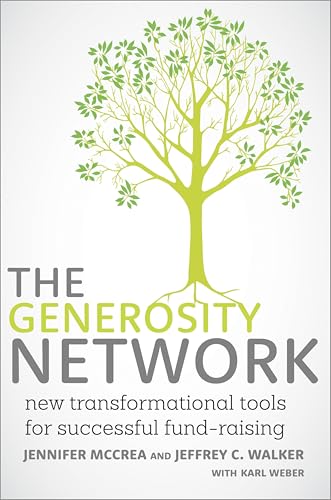
The Generosity Network

The Generosity Network: New Transformational Tools for Successful Fund-Raising is ideal for fundraising professionals, nonprofit leaders, and anyone looking to deepen their understanding of building meaningful donor relationships. If you want to enhance your ability to inspire generosity and create lasting connections, this book by Deepak Chopra is a valuable resource.
Pros:
- Provides innovative and transformational fundraising strategies that go beyond traditional methods.
- Written by renowned author Deepak Chopra, ensuring insightful and credible content.
- Includes practical tools to help build and sustain a generosity network.
- Compact and manageable size with 304 pages, making it easy to read and apply.
- First Edition offering original and fresh perspectives on successful fundraising.
Cons:
- Some readers may find the transformational approach less conventional compared to typical fundraising guides.
- Published in 2013, so some fundraising trends may have evolved since its release.
The book’s white cover and dimensions (Height: 9.54 inches, Width: 1.05 inches, Length: 6.37 inches) make it a visually appealing and convenient addition to your professional library. Its focus on creating a genuine network of generosity rather than just transactional fundraising distinguishes it from other guides. Readers will appreciate how it emphasizes emotional connection and authenticity, which are crucial in today’s fundraising environment.
By integrating the tools and techniques presented, users can expect to strengthen their capacity to engage donors on a deeper level, leading to more sustainable and impactful fundraising outcomes. The book encourages a mindset shift that benefits both the fundraiser and the donor, fostering a community of generosity that supports long-term success.
Systems Thinking For Social Change

The book Systems Thinking For Social Change: A Practical Guide to Solving Complex Problems, Avoiding Unintended Consequences, and Achieving Lasting Results is ideal for activists, social entrepreneurs, nonprofit leaders, and community organizers who seek effective strategies to address complex social issues. Those interested in creating sustainable impact through a holistic approach will find this guide invaluable.
Pros:
- Provides a clear, practical framework for applying systems thinking to social challenges.
- Includes illustrated examples that enhance understanding of complex concepts.
- Helps readers avoid unintended consequences by encouraging thorough analysis of systems.
- Authored by a reputable publisher, Chelsea Green Publishing, ensuring quality content.
- Compact and manageable size with 264 pages, suitable for busy professionals.
Cons:
- The publication date (2015) means some case studies may not reflect the latest social dynamics.
- May require readers to have some prior knowledge of systems thinking for full comprehension.
- Primarily focused on social change, so less applicable for those seeking solutions in other fields.
This guidebook offers a comprehensive introduction to systems thinking principles tailored specifically for social change efforts. Its practical approach enables readers to dissect complex problems by understanding the interconnections within social systems. The inclusion of illustrations aids in visualizing concepts, making the learning process more engaging and accessible. Additionally, the book emphasizes the importance of anticipating and preventing unintended consequences, a critical aspect often overlooked in social initiatives.
By following the methodologies outlined, readers can achieve lasting results rather than temporary fixes. The book’s concise dimensions make it convenient for professionals who need a reliable resource without overwhelming detail. Overall, it equips change-makers with the tools necessary to create more thoughtful, effective, and sustainable social interventions.
The Social Media Bible

Ideal for entrepreneurs, marketing professionals, and small business owners looking to master the art of social media marketing, The Social Media Bible: Tactics, Tools, and Strategies for Business Success offers comprehensive insights to help readers effectively build their online presence and engage with their audience.
Pros:
- Comprehensive coverage of social media platforms and strategies
- Practical tactics that can be applied immediately
- Written by a reputable publisher, Wiley
- Third edition with updated content reflecting recent trends
- Extensive length of 643 pages providing in-depth knowledge
Cons:
- Publication date from 2012 may mean some strategies are outdated
- Large volume might be overwhelming for beginners
- Focuses primarily on business use, less on personal branding
The book offers detailed explanations of various social media tools and how to leverage them for maximum business impact. Readers will find step-by-step guidance on creating engaging content, building follower bases, and measuring campaign success, all aimed at enhancing overall marketing effectiveness. The extensive content ensures that users gain both foundational knowledge and advanced tactics.
Additionally, the book emphasizes the importance of integrating social media with other marketing channels, helping readers develop a cohesive strategy. Its practical approach means users can implement suggestions without needing extensive prior experience, making it a valuable resource for businesses aiming to stay competitive in the evolving digital landscape.
Good To Great And The Social Sectors

The Good to Great and the Social Sectors: A Monograph to Accompany Good to Great is ideal for leaders, managers, and professionals working within the nonprofit and social sectors who seek to apply proven business principles to achieve transformational impact. This concise monograph is perfect for those who want a focused, practical guide to elevating their organizations from good to great in a social context.
Pros:
- Provides a targeted adaptation of the bestselling Good to Great concepts specifically for social sector organizations
- Compact and easy to read with only 35 pages, making it accessible for busy professionals
- Published by the reputable Harper Business brand, ensuring quality and credibility
- Lightweight and portable (0.22 pounds) for convenient on-the-go reading
Cons:
- Limited in length, which may leave readers wanting more in-depth analysis or examples
- Focused primarily on theory and may require additional resources for implementation strategies
- Publication date (2005) means some content might not reflect the latest trends in social sector management
This monograph distills the essential principles of the original Good to Great book, tailoring them for the unique challenges faced by social sector organizations. Its concise format allows readers to quickly grasp key concepts such as leadership discipline, the Hedgehog Concept, and the importance of a culture of discipline, all contextualized for nonprofit and social impact environments. This focused approach helps organizations identify actionable strategies to improve performance and sustainability.
Users benefit from this resource by gaining a clear roadmap to elevate their organizations beyond average performance. The specific adaptation helps highlight how principles that drive success in the business world can be translated into measurable results in social missions. Overall, it serves as a valuable companion for anyone committed to making a meaningful difference through effective leadership and management in the social sector.
Nonprofit Fundraising Strategies

Ideal for nonprofit leaders, fundraising professionals, and volunteers seeking to enhance their organization's financial stability, Nonprofit Fundraising Strategies: 7 Strategies to Consistently Secure Funding and Ensure Your Organization Doesn’t Fail is a comprehensive guide designed to empower nonprofits of all sizes. Whether you are new to fundraising or looking to diversify your revenue streams, this book offers practical insights on leveraging grants, gifts, digital campaigns, and more to sustain your mission effectively.
Pros:
- Provides actionable and diverse fundraising strategies tailored for nonprofits
- Includes expert advice from trusted sources like Katio Kadio and James Ruell Nonprofits
- Compact and easy-to-carry format with 186 pages of in-depth content
- Published recently in 2023, ensuring up-to-date tactics and trends
- Balances traditional and digital fundraising methods for broader reach
Cons:
- May require foundational knowledge of nonprofit operations to fully implement strategies
- Focused mainly on fundraising, so other nonprofit management areas are less covered
This book is thoughtfully structured to present seven distinct fundraising strategies that nonprofits can apply immediately. Each strategy explores the nuances of securing funds through grants, cultivating gifts, and optimizing digital platforms, helping organizations build a consistent income stream. The compact dimensions (8.5 x 5.5 x 0.47 inches) and manageable length make it convenient for busy professionals to read and reference regularly.
Readers will benefit from the practical guidance provided by the combined expertise of Katio Kadio and James Ruell Nonprofits. The publication date of July 2023 ensures that the content reflects current fundraising landscapes, including innovative digital tools and donor engagement techniques. Overall, this resource equips nonprofits with the knowledge to avoid financial pitfalls and thrive sustainably.
Good Influence: How To Engage Influencers For Purpose And Profit

Good Influence: How to Engage Influencers for Purpose and Profit is ideal for marketers, business owners, and content creators looking to leverage the power of influencer marketing. If you want to build authentic connections and drive meaningful results through influencer partnerships, this book provides valuable insights and strategies to help you succeed.
Pros:
- Comprehensive guide on influencer engagement for both purpose and profit
- Practical strategies backed by real-world examples
- Published by a reputable brand, Audible, ensuring quality content
- Recent publication date (2023) means up-to-date marketing trends
- Focuses on building authentic and mutually beneficial relationships
Cons:
- May require prior marketing knowledge to fully grasp advanced concepts
- Primarily targeted towards business professionals, less suited for casual readers
- Limited to influencer marketing without covering broader digital marketing tactics
This book, published by Commit Media Books and available through Audible, dives deep into the nuances of influencer marketing. It explores how to identify the right influencers who align with your brand values, helping you maximize both your social impact and your profit margins. Readers will benefit from actionable tips on crafting meaningful collaborations that resonate with audiences and foster trust.
With its focus on purpose-driven engagement, Good Influence guides users through developing authentic campaigns that go beyond mere promotion. The strategies outlined help build long-lasting partnerships that can enhance brand reputation and drive sustained growth. Whether you aim to boost visibility or create a positive social impact, this book equips you with the tools to harness influencer power effectively.
Cognitive Surplus

Cognitive Surplus: How Technology Makes Consumers into Collaborators is ideal for readers who are fascinated by the intersection of technology, social collaboration, and consumer behavior. This book is perfect for students, academics, tech enthusiasts, and anyone interested in understanding how digital platforms empower people to contribute creatively and socially rather than just consume passively.
Pros:
- Insightful analysis of how technology transforms consumers into active collaborators.
- Written by a reputable publisher, Random House Books for Young Readers and Penguin Publishing Group.
- Compact and accessible 256-page reprint edition with clear formatting.
- Ideal size and weight for easy reading and portability (8.0 inches height, 0.4497 pounds).
- Published in 2011, offering a foundational perspective on digital collaboration trends.
Cons:
- Some content may feel slightly dated given rapid technological advances since 2011.
- Focused primarily on theoretical concepts, which might not appeal to readers seeking practical how-to guides.
- Limited color options (white) and simple design.
This book delves deeply into the concept of cognitive surplus, the idea that the free time of consumers is increasingly spent on collaborative and creative endeavors facilitated by technology. The author explores various digital platforms and communities where users contribute content, solve problems, and innovate collectively. Readers gain an understanding of how online tools transform passive consumption into active participation, reshaping both culture and business models.
Beyond theoretical insights, the book highlights real-world examples showing the benefits of collaborative consumption, such as enhanced creativity, community building, and democratization of information. Its clear presentation of these ideas helps readers appreciate the profound impact of digital collaboration on society. Whether you are a researcher, tech professional, or curious reader, this book offers valuable perspectives on leveraging technology to harness collective intelligence effectively.
Emergent Strategy

Emergent Strategy: Shaping Change, Changing Worlds is ideal for activists, community organizers, and anyone passionate about creating meaningful social change. This book is perfect for those seeking practical guidance on adapting to complex environments and fostering collaborative movements.
Pros:
- Offers actionable strategies for dynamic social change
- Written by a reputable publisher, AK Press
- Compact size with 280 pages of insightful content
- Provides a fresh perspective on adaptability and resilience
- Reprint edition ensures availability and accessibility
Cons:
- May be challenging for readers unfamiliar with social activism concepts
- Lacks color illustrations, which some readers might prefer
- Weight of over 2 pounds could be less portable for some
This book, published by AK Press, stands out for its emphasis on emergent strategies that help readers navigate and influence complex social systems. Its moderate dimensions (7.8 inches tall and 4.9 inches wide) make it a convenient resource to carry along during workshops or meetings. The content delves into how change is not linear, encouraging readers to embrace flexibility and creativity.
Readers benefit from the practical frameworks and real-world examples that empower them to shape change effectively. The 280-page edition offers enough depth without overwhelming the audience, making it an essential tool for those committed to making a difference in their communities and beyond.
Mobile For Good: A How-to Fundraising Guide For Nonprofits

The book Mobile for Good: A How-To Fundraising Guide for Nonprofits is ideal for nonprofit professionals, fundraisers, and social impact advocates looking to leverage mobile technology to enhance their fundraising efforts. If you are seeking practical strategies to engage donors through mobile platforms and increase donations efficiently, this guide provides valuable insights tailored specifically for your needs.
Pros:
- Comprehensive guidance on utilizing mobile technology for fundraising
- Published by reputable McGraw-Hill Education, ensuring credible content
- Concise yet detailed with 256 pages covering essential tactics
- Compact size and lightweight (9.2 x 6.3 x 1.01 inches, ~1 pound) make it easy to carry and reference
- Practical tips suitable for nonprofits of all sizes and sectors
Cons:
- Publication date is 2014, so some mobile trends may have evolved
- Focuses primarily on mobile fundraising, which may not cover all fundraising channels
This guide expertly explores the intersection of fundraising and mobile communication, offering readers actionable strategies to optimize donor engagement via smartphones and other mobile devices. The book breaks down complex mobile marketing concepts into clear, manageable steps, empowering nonprofits to build effective campaigns that resonate with today's mobile-savvy donors. By emphasizing mobile-specific tools and techniques, it helps organizations stay relevant in a rapidly changing digital fundraising landscape.
Readers benefit from detailed case studies and examples that illustrate successful mobile fundraising initiatives, alongside practical advice on campaign design, messaging, and donor retention. The guide’s compact format and authoritative backing from McGraw Hill ensure that readers receive trustworthy, accessible information that can be quickly applied. Overall, this book serves as a valuable resource for nonprofits aiming to harness the power of mobile technology to boost their fundraising impact and foster deeper connections with supporters.
Field Guide To Fundraising For Nonprofits, The

The Field Guide to Fundraising for Nonprofits, The: Fusing Creativity and New Best Practices is ideal for nonprofit professionals, fundraisers, and development officers seeking innovative strategies to enhance their fundraising efforts. This book is particularly beneficial for those who want to combine traditional methods with creative approaches to maximize donor engagement and revenue generation. Whether you are new to nonprofit fundraising or looking to update your skills with the latest best practices, this guide offers valuable insights tailored to your needs.
Pros:
- Comprehensive coverage of both creative and modern fundraising techniques
- Published by Bloomsbury Academic, ensuring credible and well-researched content
- Compact size (9.21 x 6.14 x 0.57 inches) making it easy to carry and reference
- Contains 274 pages of actionable strategies and examples
- Recent publication date (January 2024) means up-to-date information
Cons:
- May be too detailed for casual readers or those looking for a quick overview
- Physical weight (0.8 pounds) might be a consideration for some
- Focuses primarily on nonprofits, so less applicable for other sectors
This guide stands out by combining creativity with new best practices in the nonprofit fundraising world, offering readers a fresh perspective on how to engage donors effectively. The book’s layout and depth provide a strategic framework to plan, execute, and sustain fundraising campaigns that resonate with today’s audiences. Users will appreciate the blend of theory and practical advice, making it easier to implement innovative ideas confidently.
Additionally, the guide’s publication by Bloomsbury Academic ensures the content is both authoritative and relevant. The manageable size and well-organized chapters allow busy professionals to access critical information quickly. Overall, this book empowers nonprofit fundraisers to elevate their efforts, combining creativity with proven methods to achieve better results and stronger donor relationships.
Frequently Asked Questions
What Are The Top Tools For Nonprofit Fundraising?
Nonprofit fundraising benefits from tools like "The Generosity Network" and "Field Guide to Fundraising for Nonprofits. " These resources offer strategies and new best practices. They help nonprofits secure funding through grants, gifts, and digital means. By using these tools, organizations can improve their fundraising success.
How Can Social Media Help Nonprofits?
Social media is vital for nonprofits to reach a wider audience. "The Social Media Bible" provides tactics and strategies for effective social media use. Nonprofits can engage supporters, share stories, and drive donations. This helps in building a strong online presence and community engagement.
How Do Nonprofits Solve Complex Problems?
Nonprofits can address complex issues through "Systems Thinking For Social Change. " This guide helps in understanding and solving problems. It teaches avoiding unintended consequences and achieving lasting results. By applying systems thinking, nonprofits can create impactful and sustainable solutions.
Why Involve Influencers In Nonprofit Campaigns?
Influencers can significantly boost nonprofit campaigns. "Good Influence" explains how to engage influencers for purpose and profit. By collaborating with influencers, nonprofits can amplify their message. This helps in reaching new audiences and increasing engagement, ultimately supporting their mission.
How Does Technology Aid Nonprofit Collaboration?
Technology transforms collaboration in the nonprofit sector. "Cognitive Surplus" explores how technology turns consumers into collaborators. It enables better communication, resource sharing, and project management. Nonprofits can harness technology to enhance teamwork and achieve their goals effectively.
What Are Effective Strategies For Nonprofit Growth?
Nonprofits can grow using strategies from "Nonprofit Fundraising Strategies" and "Mobile for Good. " These resources offer insights into securing consistent funding. They emphasize using grants, gifts, and digital platforms. By adopting these strategies, nonprofits can ensure sustainability and success.
Conclusion
Choosing the right social media management tools can help nonprofits save time and reach more people. The tools mentioned offer useful ways to plan posts, track results, and engage supporters. Using them wisely supports fundraising and spreads your message clearly.
Nonprofits often face many challenges, but smart use of technology makes tasks easier. Remember, each organization is different, so test a few tools to see which fits best. Consistent effort and good tools work together to build stronger communities. Keep learning and adapting your social media approach for the best results.
This will help your nonprofit grow and make a bigger impact over time. Social media is a powerful way to connect, share stories, and inspire action. With the right tools, your nonprofit can do all this more simply and effectively.