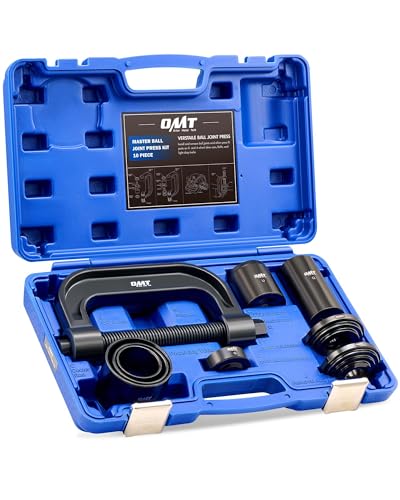
Picture this: you're packing for a trip and your trusty power tools are essential for the work waiting on the other side. But then, a question pops into your mind: can the batteries for these power tools go in your checked luggage?
You might find yourself wondering about the safety, the regulations, and the potential risks involved. This is a common concern for many travelers like you. Delve into the details with us as we uncover whether you can safely stow those batteries in your checked baggage.
What you’ll discover could save you from a travel mishap and ensure that your gear arrives safely, ready for action. Stay with us as we explore this topic, so you can travel with peace of mind and all the right tools in tow.
Airline Regulations
Traveling with power tools can be tricky, especially when it comes to airline regulations. You're probably wondering if you can pack your power tool batteries in checked luggage. The answer depends on several factors, including battery size and type, as well as whether you're flying domestically or internationally. Let's break it down to ensure your journey is smooth and hassle-free.
Battery Size And Type Restrictions
Airlines have specific rules about what types of batteries can be packed in checked luggage. Generally, batteries that are more than 100 watt-hours must be carried in your hand luggage. Smaller lithium-ion batteries, which are commonly used in power tools, can often be checked in, but there are nuances.
Did you know that a friend of mine had to move a cordless drill to his carry-on because the battery exceeded the airline's limit? It's a real-life lesson in checking battery specifications before you pack. Always check the watt-hour rating, which is usually printed on the battery itself.
International Travel Guidelines
Traveling internationally with power tool batteries can add another layer of complexity. Different countries have varying rules about what can be brought in and out. Some nations have stricter regulations on lithium batteries due to safety concerns.
When I traveled to Europe, I found that my power tool batteries were fine on the outbound flight, but on the way back, the regulations had changed. Always check with your airline and the aviation authority of your destination country for the most current guidelines.
Are you prepared for potential changes in regulations while you travel? Staying informed can prevent last-minute headaches and ensure your tools—and their batteries—arrive safely at your destination.
Safety Concerns
Traveling with power tool batteries raises safety concerns. These batteries, especially lithium-ion, can pose risks. Understanding these risks ensures safe travel. This section highlights key safety concerns. Learn why proper handling is crucial for your safety.
Fire And Explosion Risks
Power tool batteries can overheat. Overheating may lead to fire hazards. In extreme cases, they can explode. This risk is higher in checked luggage. The confined space increases the danger. Airlines have strict rules for this reason. Awareness and caution reduce these risks.
Proper Packaging Techniques
Packaging batteries safely is vital. Use original packaging if possible. It provides the best protection. Alternatively, insulate battery terminals. Use tape to cover them. This prevents short circuits. Place batteries in a sturdy case. The case should be impact-resistant. This minimizes damage risks during transit.
Packing Tips
Packing batteries for power tools requires care. Airlines often restrict them in checked luggage due to safety concerns. Always check guidelines before flying.
Packing your power tool batteries for a flight can be tricky. You want to ensure they're safe and secure, yet easy to access. Airlines have specific guidelines for batteries, especially lithium-ion ones. So, how do you pack them without hassle? Here are some practical tips to make your journey smooth and stress-free.
Securing Batteries Properly
To prevent any surprises at check-in, always secure your batteries. Tightly wrap them to avoid short circuits. Use tape to cover the terminals. This simple step can prevent accidental discharge. Imagine opening your suitcase and finding your power tool battery drained or damaged. Not the best way to start a trip, right? Securing them properly can make a big difference. Consider storing them in a separate compartment of your luggage. This way, they won't get jostled around. Plus, it's easier for security checks if needed.
Using Protective Cases
Investing in protective cases for your batteries is a smart move. These cases safeguard against impacts and moisture. You wouldn't want your battery getting wet or cracked, especially if you're traveling to a humid destination. Think of protective cases as armor for your batteries. They keep them safe from physical damage. Plus, they make handling and packing more organized. Some cases come with special slots for each battery. This helps you pack them neatly and prevents them from moving around. It's like having a toolbox for your batteries—everything has its place. Now, here's a question: Have you ever packed something valuable and wished you'd taken extra precautions? Protective cases for your batteries can give you peace of mind.
Alternatives To Checked Luggage
Traveling with batteries for power tools can be challenging. Checked luggage restrictions often confuse travelers. Fortunately, there are alternatives to checked luggage. These options ensure compliance with airline regulations. Keep your tools safe and ready for use.
Carrying Batteries In Cabin Luggage
Consider carrying batteries in cabin luggage. Airlines often allow this option. Cabin luggage provides better control and oversight. Ensure batteries are secured and protected. Use battery cases or wraps for safety. Avoid direct contact with metal objects. This minimizes the risk of short circuits. Check airline rules for specific guidelines.
Shipping Batteries Separately
Shipping batteries separately is another viable option. This method circumvents airline restrictions entirely. Use a trusted courier service for safe delivery. Ensure batteries are packed according to postal regulations. Proper packaging prevents damage during transit. Confirm delivery times to align with travel schedule. This ensures batteries are ready upon arrival. Always track shipments for peace of mind.
Precautionary Measures
Travelers must pack power tool batteries in carry-on luggage to ensure safety. Checked luggage may pose risks. Airlines have guidelines to prevent hazards.
Traveling with power tool batteries requires careful planning. Safety is a top concern. Batteries can pose risks during flights. Proper precautions ensure a smooth journey. Understanding the rules helps avoid hassles.
Checking Airline Policies
Always check the airline's policy. Each airline has specific rules for batteries. Policies can vary widely. Some airlines allow batteries in checked luggage. Others restrict them. Visit the airline's website for details. Look for their dangerous goods section.
Using Certified Batteries
Use only certified batteries for travel. Certified batteries meet safety standards. They reduce the risk of accidents. Look for the UL or CE mark on the battery. These marks indicate safety compliance. Avoid counterfeit or cheap alternatives. They might not meet safety requirements. `
Frequently Asked Questions
Can Power Tool Batteries Go In Checked Luggage?
Power tool batteries should not be placed in checked luggage. They can pose a fire risk if damaged or short-circuited. Most airlines recommend carrying them in your carry-on luggage. Always check airline policies and safety regulations before traveling.
Are Lithium Batteries Allowed On Planes?
Yes, lithium batteries are allowed on planes, but with restrictions. They must be kept in carry-on baggage and protected from damage. Airlines often have specific guidelines on watt-hour limits and quantity. It's essential to check with your airline for exact details.
How To Safely Pack Batteries For Flights?
To pack batteries safely for flights, keep them in their original packaging. Alternatively, cover battery terminals with tape and place them in separate plastic bags. Always ensure they're protected from damage and short circuits. Follow airline guidelines for safe battery transportation.
What Are The Risks Of Checked Luggage Batteries?
Batteries in checked luggage can overheat, leading to fires. They can be damaged by rough handling or changes in pressure. To minimize risks, it's advised to keep batteries in your carry-on and ensure they're properly protected and separated.
Conclusion
Understanding airline rules for battery transport is crucial for safe travel. Power tool batteries may pose risks if not packed correctly. Always check airline guidelines before flying. Proper preparation ensures smooth security checks. Avoid surprises at the airport. Pack batteries in carry-on if possible.
This reduces the chance of mishandling. Safe travels start with careful planning. By following these tips, you protect yourself and others. Travel with peace of mind knowing your tools are secure. Happy and safe travels to all!